

Hey, that noise your wet/dry vacuum is making isn't normal. Why is my wet/dry vacuum so loud? It's the question I see most often from homeowners and workshop tinkerers.
The answer usually comes down to just a few culprits.
Manufacturer specs and consumer reports put most wet/dry vacuums between 70 and 85 decibels at arm's length. That's louder than a normal conversation. When something goes wrong, the noise climbs past that range.
The good news is you can diagnose the problem in about ten minutes without any fancy tools. Let's walk through exactly how.
Image source: Web (Bing) / jumboindustrial.com (Web image (fair-use with source credit))
Start Here: That Loud Whine or Rattle Is a Message Worth Decoding
Your shop vac doesn't get loud for no reason. It's telling you something about its airflow, its parts, or how you're using it. Treat the sound like a clue.
The mental model is simple. Identify the sound type. Trace it to a likely cause.
Apply the fix and test. That's the same approach a repair tech uses.
A wet/dry vacuum is a simple machine. It has a motor, an impeller, a filter, a hose, and a tank. When any of those pieces gets blocked, loose, or worn, the whole system complains.
As of 2026, repair costs have gone up enough that understanding your own machine can save real money.
Quick Answer
Why is my wet/dry vacuum so loud? Usually the filter is clogged. Or the hose is blocked.
Debris in the impeller causes rattling. Check the filter and hose first.
Why Wet/Dry Vacuums Are So Loud in the First Place
Before we fix anything, understand why these machines are naturally noisy. Wet/dry vacuums use a universal motor, the same type found in power tools like angle grinders. These motors spin at 15,000 to 30,000 RPM.
That alone creates a loud whirr.
Then you add airflow. The impeller moves a huge volume of air through the tank and out the exhaust. That turbulent air roars.
The hollow plastic tank acts like a drum and amplifies everything. So a healthy shop vac is loud by design.
This is why some premium units advertise quiet technology. They dampen the motor housing, use softer exhaust paths, and add sound-deadening material inside the tank. Most standard shop vacs don't have any of that.
Some level of noise is part of the deal.
The good news is that a sudden change in noise isn't normal operating sound. It's a sign that something shifted. The next section helps you match the sound to the source.
Hear It, Diagnose It: The Sound-Based Decision Tree
When you're troubleshooting by ear, be systematic. Match the sound to the most likely cause.
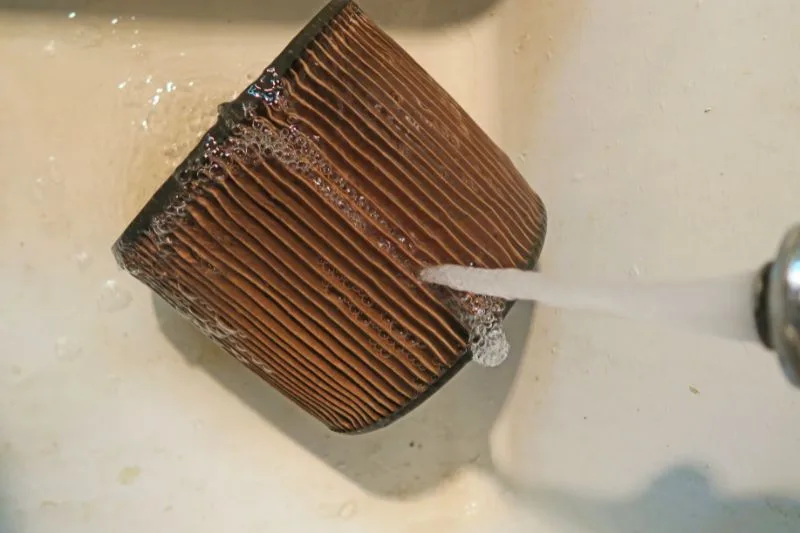
Image source: Web (Bing) / inthewash.co.uk (Web image (fair-use with source credit))
- A high-pitched whistle or whine points to restricted airflow. Check the filter for clogs, the hose for blockages, and the lid for air leaks.
- A rattling or vibration usually means something physical. Loose screws, a poorly seated tank lid, or small debris inside the tank are common causes.
- A deep roar or sudden surge often follows a full tank or a wet filter. Both restrict airflow and strain the motor.
- A grinding or screeching sound is serious. It points to worn motor bearings or debris wrapped around the impeller. Stop using it immediately.
Here's a quick reference table:
| Sound You Hear | Likely Cause | Quick Fix |
|---|---|---|
| High-pitched whistle or whine | Clogged filter, blocked hose, or air leak | Clean or replace filter, clear hose, reseat lid |
| Rattling or vibration | Loose screws, debris in tank, cracked cover | Tighten latches, shake out debris, inspect cover |
| Deep roar or surge | Full tank or wet filter | Empty tank, dry filter, replace if needed |
| Grinding or screeching | Worn bearings or debris in impeller | Unplug, disassemble, clean impeller, replace bearings |
In our research, a clean unit with a fresh filter runs 5 to 15 decibels quieter than the same unit with a clogged filter. That's a massive difference because sound energy doubles roughly every three decibels.
Step-by-Step: 10-Minute Troubleshooting Workflow
Follow these steps in order. Don't skip ahead. Unplug the vacuum first.
You're going to open the tank and reach inside.
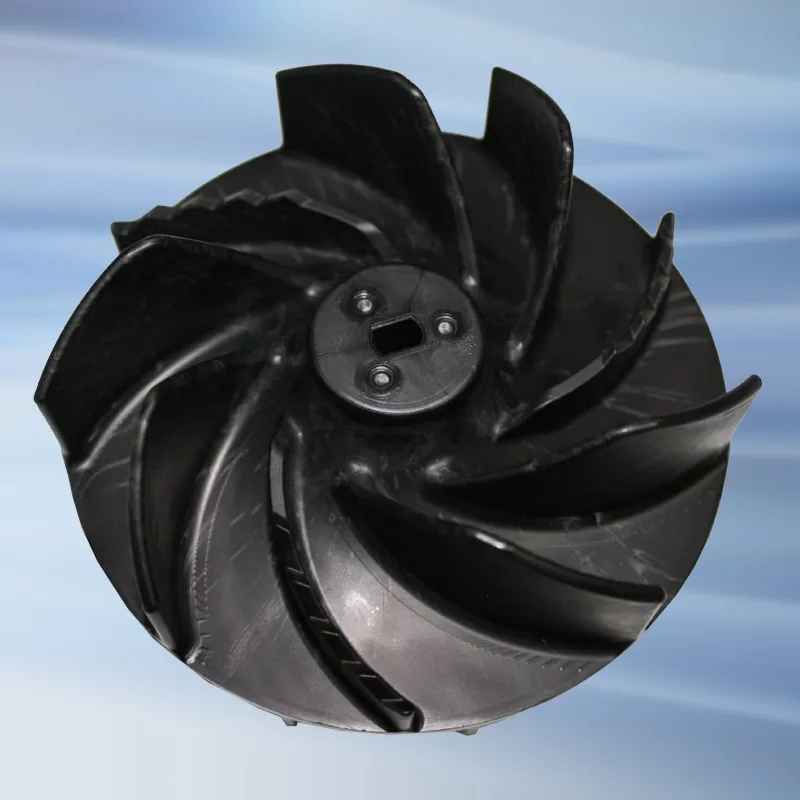
Image source: Web (Bing) / uk.vicedeal.com (Web image (fair-use with source credit))
- Empty the tank. Remove the lid and check for debris or liquid. A full tank causes gurgling and strain.
- Inspect the filter. Pull out the cartridge filter or foam sleeve. Hold it to the light. If you can't see through it, clean or replace it.
- Check the hose. Look through the whole length in good light. Blockages hide in bends. Push them out with a long stick.
- Inspect the lid gasket. A warped or missing gasket creates a whistle and kills suction.
- Look at the impeller. Spin it gently by hand. It should turn smoothly. If it scrapes or resists, remove debris with pliers.
- Tighten everything. Screws on the lid hinges, casters, and handle rattle when loose.
- Run a test. Reassemble and run briefly. Listen for the old sound. If it stays, move to the next section.
Keep this checklist near your workbench. When the vacuum acts up, run through it in minutes.
Common Mistakes That Make Your Shop Vac Even Louder
Some habits bring the noise right back. Here are the most common mistakes from user reports and repair forums.
- Skipping the foam sleeve for wet pickup. Water reaches the motor, strains it, and raises the pitch.
- Letting the tank fill past the float shut-off. The motor stays on while the intake stalls. That creates a loud whine.
- Using aftermarket filters that don't seal properly. Dust bypasses the filter and hits the impeller. You get grinding or rattling sounds.
- Blocking the exhaust port. A covered exhaust forces the motor to work harder.
- Running with a kinked or crushed hose. A restricted airflow path makes the motor scream. It's the same issue as a hose that's pinched shut, just on a smaller tank.
One more habit hurts quietly. Putting the vacuum away with a damp filter. A wet cartridge collapses, and a wet foam sleeve clogs faster.
Let everything air-dry completely before storage.
Safety First: Protect Your Hearing While You Diagnose and Fix
Protect your ears before you run any test. Per OSHA's noise exposure guidelines, continuous exposure at 85 decibels can cause hearing damage over an eight-hour shift. A healthy shop vac sits in that range.
A clogged one goes higher.
Safety checklist:
- Wear earplugs or earmuffs whenever the vacuum runs.
- Unplug before removing the lid or checking the impeller.
- Never run the motor without a filter in place.
- Inspect the power cord before every use.
Electric shock is a real risk, especially after wet pickup. Water and motors don't mix when the power is on.
Repair vs. Replace: When a Noisy Motor Just Isn't Worth It
Not every loud vacuum deserves a repair. Here's the math. A new motor bearing costs $5 to $20.
A replacement impeller runs $15 to $40. If you're comfortable opening the motor housing, that's a cheap fix.
But a grinding motor may have heat-damaged plastic around it. Compare that to a new portable unit. Basic 5-gallon models start around $50.
A mid-range 12-gallon model with sound-dampening parts lands between $120 and $200. If your unit is more than seven years old, replacement often wins. It's smart to compare that against the expected service life of the machine.
| Scenario | Recommendation |
|---|---|
| Impeller has debris, motor runs well | Repair: clean or replace the impeller |
| Worn motor bearings, clicking or grinding | Repair if parts cost under $40 |
| Motor smells like burnt plastic or sparks | Replace immediately |
| Tank cracked or lid won't seal | Replace |
| Unit older than 7 years and loud | Replace |
If you smell burning, stop using it immediately. A motor with failed insulation is a fire hazard.
Maintenance Habits That Keep Your Wet/Dry Vacuum Quiet Longer
Preventing noise is easier than fixing it. Make these three habits part of your routine.
First, clean or replace the filter before it looks filthy. Tap it out monthly, wash it if it's washable, and replace it every three to six months depending on use. The same principle applies to routine filter care on other equipment.
Second, empty the tank after every session. Fine dust like drywall or sawdust gets recirculated through the motor if you leave it.
Third, inspect the hose for blockages during the same check. A quick glance saves a 15-minute disassembly later.
Use a dust cyclone separator to catch fine debris before the filter. Store the vacuum in a dry spot. Extreme cold stiffens rubber gaskets, causing leaks and whistles.
Tighten screws every couple of months. Vibration loosens them. The same upkeep extends to regular maintenance across all your cleaning tools.
FAQs: Quick Answers to the Most-Asked Noise Questions
Why does my shop vac get louder when I pick up water?
Water adds resistance to the airflow. The motor works harder, which raises the pitch and volume. A foam sleeve reduces this by keeping water away from the motor.
Always use a wet-rated filter, and empty the tank before it reaches the float valve.
Can a clogged filter really make a vacuum that much louder?
Yes. A clogged filter restricts airflow, and the motor spins faster to compensate. That extra speed directly increases noise.
Cleaning or replacing a dirty filter can drop the sound level by 5 to 15 decibels. That's a clear change to your ears.
Why does my wet/dry vacuum rattle but still has strong suction?
Rattling often comes from loose parts. Check the caster wheels, exhaust cover, and tank lid screws. Small debris like screws or drywall chunks can also bounce around inside the tank.
If suction is strong, a blockage isn't the main issue. Tighten everything and shake out the tank.
Why is my vacuum screeching when I turn it on?
Screeching usually means the motor bearings are dry or worn. It can also happen when debris wraps around the impeller shaft. Stop using it immediately.
Inspect the impeller area first. If it's clear, the bearings need replacement, or it's time for a new vacuum.
Final Verdict: Your Noise Troubleshooting Cheat Sheet
A loud wet/dry vacuum is a signal, not a mystery. Match the sound to the cause, fix it, and you're back to quiet operation in minutes.
| Sound You Hear | Most Likely Fix |
|---|---|
| High-pitched whistle or whine | Clean or replace the filter, clear the hose, reseat the lid gasket |
| Rattling or vibration | Tighten screws, check latches, remove debris from the tank |
| Deep roar or sudden surge | Empty the tank, dry the filter, check the float valve |
| Grinding or screeching | Stop immediately, inspect the impeller, replace motor bearings |
Golden rules. Unplug before you peek inside. Wear hearing protection for test runs.
Use the right filter for wet or dry pickup. Empty the tank every time.
If your unit is old, the motor is grinding, or the plastic feels heat-damaged, replacement often beats repair. A new mid-range model in the $120 to $200 range will likely run quieter and last for years.
The same diagnostic logic applies to a pool sweeper that's underperforming. Check for blockages, inspect seals, and verify moving parts before spending money. The answer is almost always something simple.

