

Experiencing a loss of suction in your central vacuum system can be frustrating, especially when you rely on its powerful cleaning capabilities. This issue often arises from simple, fixable problems rather than major system failures. Understanding the common culprits behind a weak central vacuum can save you time and money on unnecessary repairs.
This guide will walk you through the most frequent reasons your central vacuum might be losing suction and how to address them. We’ll cover everything from clogged hoses and full collection bags to more complex issues like motor problems or leaks in the system.
By systematically checking these areas, you can often restore your vacuum’s performance to its former glory.
Clogged Vacuum Hose
One of the most common reasons for reduced suction is a blockage within the vacuum hose. Over time, dirt, debris, and larger items can get stuck, creating a dam that prevents air and dirt from flowing freely to the power unit. This obstruction forces the motor to work harder and significantly diminishes its cleaning power.
Identifying A Hose Blockage
To check for a clog, detach the hose from both the wall inlet and the cleaning wand. Shine a flashlight through the hose to look for any visible obstructions. You might be able to dislodge smaller clogs by gently pushing a broom handle or a similar long, blunt object through the hose.
Clearing Stubborn Blockages
For more stubborn blockages, you can try running water through the hose. Connect the hose to a faucet and let water flow through it. Be sure to let the hose dry completely before reattaching it to your vacuum system. This process can take up to 24 hours, so plan accordingly.
Full Collection Bag Or Bin
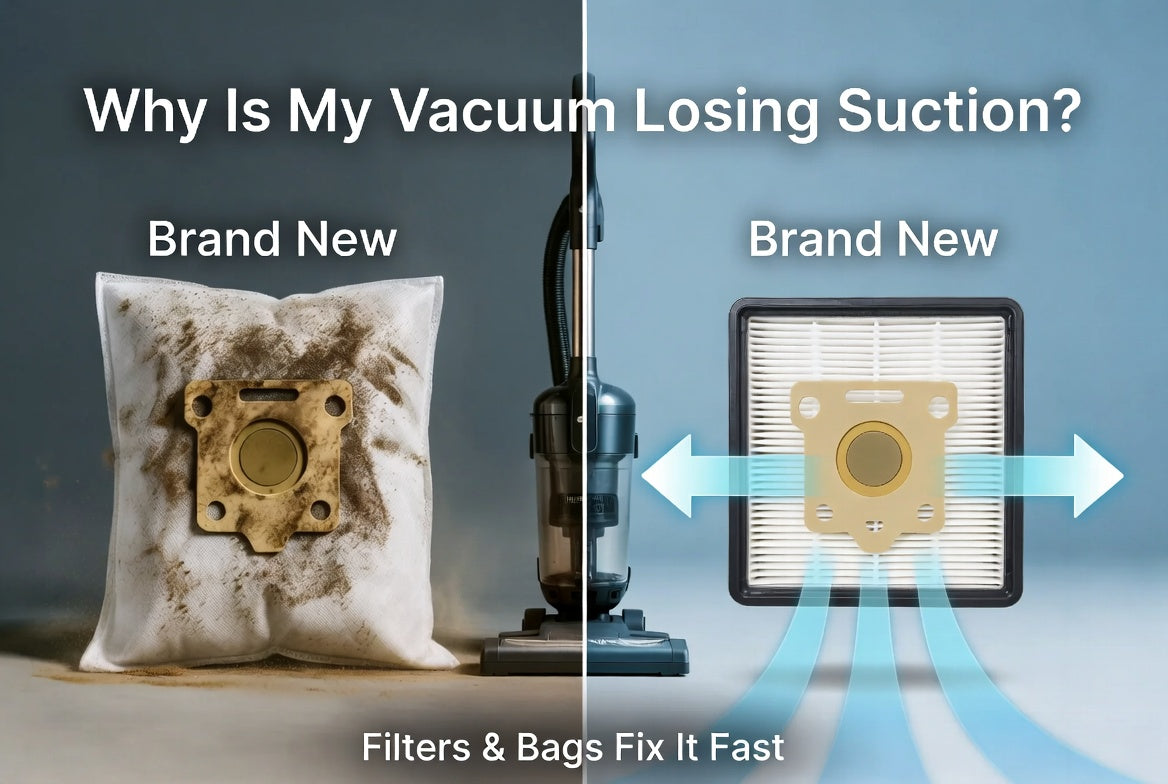
Central vacuum systems collect dirt and debris in a large bag or a canister bin, typically located in the power unit. When this container becomes full, the airflow is restricted, leading to a noticeable drop in suction power. This is one of the easiest problems to solve.
Checking The Bag Or Bin Level
Locate the power unit, usually installed in a garage, basement, or utility room. Open the unit’s housing to access the collection bag or bin. If the bag is full (generally indicated by a fill line or when it appears visibly packed with debris), it’s time for a replacement.
For canister systems, empty the bin if it’s filled beyond the indicated maximum level.
Replacing Or Emptying
Replacing a central vacuum bag is straightforward. Most systems have a simple latch or release mechanism to remove the old bag and insert a new one. For canister systems, carefully remove the bin, empty its contents into a trash bag, and then reattach it securely.
Ensure the seal is tight to prevent dust from escaping.
Leaks In The System
A central vacuum system is designed to create a powerful vacuum seal. If there are leaks anywhere in the network of pipes, hoses, or connections, this seal is broken, and suction is lost. These leaks can occur at various points, from the hose connection to the pipes running through your walls.
Inspecting Connections And Attachments
Start by examining the most accessible points for leaks. Check the connection where the hose plugs into the wall inlet. Ensure the hose itself is not cracked or damaged. Inspect the attachment points where the wand connects to the hose and where attachments connect to the wand.
Wall Inlet And Pipe Issues
Leaks can also occur at the wall inlet valves themselves or within the concealed pipes. If you suspect a leak in the wall, you might hear a faint hissing sound when the system is running, or notice a lack of suction even after checking the hose and collection bin.
Repairing pipe leaks often requires professional assistance, as it involves accessing the pipes within walls or ceilings.
Dirty Or Clogged Filters
Most central vacuum power units have one or more filters designed to trap fine dust particles and protect the motor. Over time, these filters can become clogged with dirt, significantly impeding airflow and reducing suction. Regular filter maintenance is crucial for optimal performance.
Types Of Filters
Central vacuums can have different types of filters, including disposable filter bags, reusable cloth filters, and HEPA filters. Some systems may have multiple filters. Consult your vacuum’s manual to identify the specific filters in your model and their recommended cleaning or replacement schedule.
Cleaning And Replacing Filters
Disposable filters should be replaced when they appear dirty or as recommended by the manufacturer. Reusable filters can often be cleaned by washing them with water or tapping out the dust. Always ensure a filter is completely dry before reinstalling it. A clogged filter is a major cause of weak central vacuum performance.
Motor Issues
While less common than clogs or full bags, problems with the central vacuum’s motor can also lead to a loss of suction. The motor is the heart of the system, responsible for creating the airflow. If it’s malfunctioning, overheating, or nearing the end of its lifespan, suction power will suffer.
Signs Of Motor Problems
Symptoms of motor trouble can include unusual noises (grinding, whining), a burning smell, or the unit shutting off unexpectedly. If the motor is struggling, you’ll notice a drastic and persistent reduction in suction that isn’t resolved by other troubleshooting steps.
Motor Repair Or Replacement
Motor issues typically require professional diagnosis and repair. Depending on the problem and the age of the unit, it might be more cost-effective to replace the motor or the entire central vacuum system rather than attempting a repair.
Motor Overheating
Central vacuum motors can overheat if they are overworked, have restricted airflow (due to clogs or dirty filters), or if there’s an internal electrical issue. When a motor overheats, many systems have a thermal overload protector that will shut down the unit to prevent damage.
Allowing The Motor To Cool
If your central vacuum shuts off unexpectedly, the first step is to turn it off at the power source and allow it to cool down for at least 30 minutes. After it has cooled, check for any obvious blockages in the hose, bag, or filters that might have caused the overheating.
Try running it again. If it shuts off quickly, there’s likely a more serious airflow restriction or a motor problem.

Performance Comparison Of Common Central Vacuum Issues
| Issue | Likelihood of Causing Suction Loss | Ease of Fix | Typical Resolution Time |
|---|---|---|---|
| Clogged Hose | Very High | Easy | 15-30 minutes |
| Full Bag/Bin | High | Easy | 5-10 minutes |
| Dirty Filters | High | Medium | 20-45 minutes |
| Leaks (Hose/Connections) | Medium | Medium | 30-60 minutes |
| Motor Issues | Low | Difficult | Varies (professional) |
| Leaks (Pipes in Wall) | Low | Difficult | Varies (professional) |
Addressing Specific Component Failures
Beyond the general issues, specific parts of the central vacuum system can fail, leading to suction loss. These might include problems with the suction float valve, which prevents water from entering the motor if the collection bin is overfilled, or issues with the inlet valves themselves.
Suction Float Valve
If your system has a suction float valve, it’s designed to shut off airflow when the collection bin is full, preventing liquid from damaging the motor. If this valve gets stuck in the closed position, it will permanently block airflow and cause a complete loss of suction, even if the bin is empty.
You may need to access the power unit to inspect and reset or clean this valve.
Inlet Valve Malfunctions
The inlet valves where you connect your vacuum hose are essentially electrical switches that turn the system on and off. While less common, these valves can sometimes malfunction, failing to properly engage the power unit or creating an air leak at the connection point.
Inspecting the valve seal and the internal mechanism can help diagnose this.

Maintenance Tips To Prevent Suction Loss
The best way to avoid the frustration of a weak central vacuum is through regular maintenance. Proactive checks and cleaning can prevent most common issues from developing.
Regular Cleaning Schedule
Make it a habit to check your vacuum’s collection bag or bin weekly or bi-weekly, depending on usage. Inspect

