

A clicking canister vacuum usually points to a blocked brush, loose part, or small object hitting the fan.
A strange clicking sound can turn a normal cleaning job into a stressful one fast. If your canister vacuum is making a clicking sound, the cause is often simple, but it can also be a sign that something inside needs attention before it turns into a bigger repair. I’ve seen this happen many times with canister vacuums, and in most cases, the noise comes from a part that is loose, jammed, worn, or just not sitting where it should. If you want to stop the noise and protect your vacuum, the key is to find the source early and fix it the right way.

Why does my canister vacuum make a clicking sound?
A canister vacuum often makes a clicking sound when airflow is blocked, a brush roll has debris wrapped around it, a wheel or hose connection is loose, or a small object is bouncing inside the machine. In some cases, the sound comes from the motor area, which needs faster attention. The good news is that the issue is often easy to identify if you check the machine step by step.
From experience, the hardest part is not the repair itself. It is figuring out whether the click is harmless or a warning sign. I always tell people to listen closely to when the sound happens: during suction, when rolling, when the brush turns, or only at startup. That timing gives you a big clue.
Common reasons a canister vacuum makes a clicking sound
A clicking noise can come from several places, and the location of the sound matters a lot. Some problems are simple and cheap to fix, while others mean you should stop using the vacuum until it is checked.
Debris trapped in the brush roll or floor head
Small items like coins, paper clips, pebbles, pet litter, or hair pins can get stuck in the brush area. As the brush spins, those items tap the housing and create a steady click.
This is one of the most common causes I have seen in homes with kids or pets. A tiny object can sound much worse than it is, almost like a loose tooth inside the machine.
Loose or worn brush roll bearings
If the brush roll bearings are worn, the brush can wobble and click as it turns. You may also hear a scraping or rattling sound mixed in with the click.
This kind of noise usually gets worse over time. If you ignore it, the brush can stop spinning properly and put extra strain on the motor.
A clogged hose or wand
A clog can cause air to move unevenly, which may make the vacuum click or pulse. Sometimes a small object gets pulled partway through and taps inside the hose.
I have found toy pieces, sock fabric, and even dry leaves stuck in canister vacuum hoses. When air flow changes suddenly, the sound can seem like a click even though the real issue is a blockage.
Loose filter, dust bin, or canister latch
If the dust bin or filter is not seated correctly, the vacuum can vibrate and click. A loose latch can also move back and forth as the machine runs.
This is an easy fix in many cases. Reseating the parts and making sure every lock clicks into place can solve the problem right away.
Worn belt or belt pulley
Some canister vacuums use a belt to drive the brush roll. If the belt is stretched, cracked, or slipping, it can create clicking or tapping sounds.
When I hear a click that comes and goes in rhythm with the brush, I often suspect the belt first. Rubber parts wear out, especially if the vacuum has been used on thick carpet or run with tangled hair.
Foreign object inside the fan or impeller area
A tiny object can sometimes get past the hose and reach the fan or impeller. When that happens, the part may click as it spins or brushes against something inside.
This is more serious than a floor-head issue. If the sound seems to come from the main body of the vacuum, it is smart to stop and inspect it before continuing.
Damaged wheels or caster parts
Loose wheels, cracked casters, or broken axle points can make a clicking sound as the canister moves across the floor. The noise often happens only while you are rolling the machine.
This one is easy to miss because the sound may seem like it is coming from the motor. I always recommend moving the canister by hand on a hard floor first to test whether the click is mechanical rather than electrical.
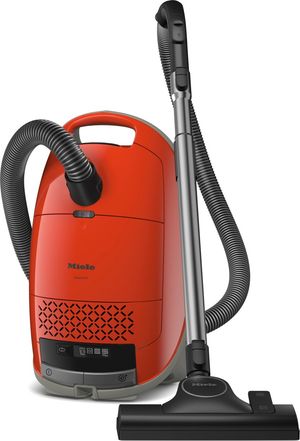
How to tell where the clicking sound is coming from
Finding the source is half the battle. A canister vacuum is made of separate parts, so the sound can travel and confuse you.
Try this simple method:
- Turn the vacuum off and unplug it.
- Check the floor head for stuck debris.
- Remove the hose and test each part separately.
- Spin the brush roll by hand and listen.
- Roll the canister slowly across a hard floor.
- Open and reseat the dust bin, filter, and latches.
- Check for any loose screws or cracked plastic.
If the click happens only when the brush spins, the problem is likely in the head. If it happens even when the hose is removed, the issue may be in the canister body or wheel assembly.
What the clicking sound means for your vacuum
Not every click is an emergency, but it should never be ignored for long. A simple debris issue can be fixed quickly, while a repeated mechanical click can lead to worn parts, poor suction, or motor stress.
Here is how I think about it in real life:
• Light, occasional clicking often means a small object or loose part.
• Fast, repeated clicking usually points to a moving part hitting something.
• Loud clicking with burning smell may mean the motor or belt is under strain.
• Clicking plus weak suction often signals a clog or airflow problem.
The main lesson is simple. If the sound is new, treat it like a warning light on a car. It may be minor now, but it can become costly later.
Step-by-step troubleshooting for a clicking canister vacuum
A calm, methodical check usually solves the problem. You do not need special tools for most of the first steps.
1. Unplug the vacuum first
Safety comes first. Always unplug the machine before opening any part or touching the brush roll.
2. Inspect the floor head
Look for hair, string, crumbs, or small objects around the brush. Remove anything wrapped around the roller or stuck near the edges.
3. Check the hose and wand
Detach the hose and look through it. If you cannot see light through the tube, there may be a clog inside.
4. Reseat the filters and dust bin
Take out the filter, clean or replace it if needed, and reinstall it properly. Make sure the dust bin and latch are locked in place.
5. Spin the wheels and brush by hand
Listen for clicking or rough spots. A smooth part should move quietly, while a damaged part may catch or rattle.
6. Look for cracks or loose screws
Small cracks in the floor head or canister housing can vibrate and click. Tighten any visible screws if your model allows it.
7. Test the vacuum in short bursts
After cleaning and reassembly, run the vacuum for a few seconds at a time. If the click remains, the problem may need repair or part replacement.
When the clicking sound is normal
Some vacuums make a faint click that is not a sign of trouble. For example, a power button, hose lock, or floor setting switch may make a clean clicking noise when it engages.
That said, normal clicking should be brief and consistent. It should not sound like tapping, rattling, scraping, or grinding. If the sound changes over time, it is worth checking again.
When to stop using the vacuum
Stop using the vacuum if the clicking is loud, repeated, or paired with smoke, burning smell, or poor suction. Those signs can mean a belt issue, motor problem, or internal blockage.
I have seen people keep running a vacuum because it still “sort of works.” That usually makes the repair worse. A short pause now can save the motor later.
How to prevent clicking noises in the future
Good maintenance goes a long way. A canister vacuum that is cleaned regularly will usually stay quieter and last longer.
Use these habits:
• Empty the dust bin before it gets too full.
• Clean the filter on the schedule in the manual.
• Check the brush roll for hair and string every few uses.
• Inspect the hose for clogs after vacuuming large debris.
• Avoid vacuuming coins, screws, and sharp objects.
• Store the vacuum carefully so the hose and latches do not bend.
These small habits may not feel exciting, but they work. In my experience, most noisy vacuum problems start with a little buildup that was easy to prevent.
Why canister vacuums are more likely to click than upright vacuums
Canister vacuums have more separate parts, like hoses, wands, latches, floor heads, and wheels. That extra movement creates more chances for loose pieces or trapped debris to make noise.
They are also more flexible than upright vacuums, which is great for cleaning stairs and under furniture. But that flexibility means more connectors, and more connectors means more places for a click to start.
Frequently Asked Questions of Why does my canister vacuum make a clicking sound?
Why does my canister vacuum make a clicking sound when I turn it on?
A click at startup often comes from a switch, relay, or motor part engaging. If it is brief and the vacuum runs normally, it may be harmless, but repeated clicking should be checked.
Can a clogged filter make my canister vacuum click?
Yes, a clogged filter can disrupt airflow and make the vacuum sound strange. It may not always create a true click, but it can cause pulsing, vibration, or tapping noises that feel similar.
Is it safe to keep using a clicking canister vacuum?
Only if the sound is mild and the vacuum still works normally after a quick inspection. If the click gets louder, the suction drops, or you smell burning, stop using it right away.
Why does my canister vacuum click only on carpet?
Carpet can make hidden debris or a worn brush roll stand out more. The brush has to work harder on carpet, so a small object or loose part may click more clearly than on a hard floor.
How do I know if the clicking is from the motor?
If the click seems to come from the main canister body, even when the hose and floor head are removed, the motor area may be involved. In that case, it is best to stop using the vacuum and have it inspected.
Can I fix a clicking vacuum myself?
Yes, many clicking problems come from debris, clogs, loose parts, or poor assembly, and those are often easy to fix at home. If the sound comes from the motor or fan area, professional service is the safer choice.
Conclusion
A canister vacuum making a clicking sound is usually trying to tell you something simple: a part is loose, a clog is blocking airflow, or debris is hitting a moving component. The best fix is to listen closely, inspect the machine step by step, and act early before a small issue turns into a bigger repair.
If you catch the problem fast, you can often restore quiet operation with just a quick cleaning or adjustment. Take a few minutes to check your vacuum today, and if the noise keeps coming back, don’t wait too long to get help or replace the worn part. If this guide helped you, explore more maintenance tips and share your own vacuum fix in the comments.

