

The central vacuum system is a fantastic addition to any home, offering powerful cleaning and improved air quality. But where you install the central vacuum unit itself is a crucial decision that impacts its performance, convenience, and even its lifespan. Choosing the right spot means easier maintenance and better suction power throughout your house.
A central vacuum unit, often called the power unit, is the heart of the system. It houses the motor, collection bin, and filters. Its location is not just about hiding it away; it’s about ensuring it has proper ventilation, easy access for emptying the dirt canister, and is close enough to the main piping network to deliver optimal performance.
Garage: The Most Common Choice
The garage is by far the most popular place to install a central vacuum unit, and for good reason. It offers several advantages that make it a practical and efficient location.
Firstly, garages are typically larger spaces, providing ample room for the unit itself and any necessary accessories. This space also allows for better airflow and ventilation, which is essential for the motor to run efficiently and prevent overheating. Many garages also have a dedicated electrical outlet, simplifying the power connection.
Secondly, garages are usually located away from the main living areas of the home. This is important because central vacuum units, while quieter than portable vacuums, can still produce a noticeable amount of noise during operation. Installing it in the garage helps to minimize noise disruption inside the house.
Finally, garages are often equipped with a floor drain, which can be useful if the unit requires any minor cleaning or if there’s an accidental spill. Access to the outdoors also makes it convenient to empty the collection bin, especially if it’s a larger model or if you have pets that shed a lot.
Considerations For Garage Installation
While the garage is a great option, there are a few things to keep in mind. Ensure the unit is protected from extreme temperatures, both heat and cold, as these can affect its performance and longevity. If your garage is uninsulated, consider a more protected spot within it or even a small enclosure.
Also, make sure the location you choose is free from excessive dust and debris. While the vacuum collects dirt from your house, the garage itself can be a source of dust, which could potentially clog filters more quickly or be drawn into the unit if not properly sealed. Position it away from workshop areas if possible.
Basement: A Close Second
The basement is another excellent location for installing a central vacuum unit. Like garages, basements are generally out of the main living spaces, helping to reduce noise. They also tend to offer plenty of space for the unit and its maintenance.
Basements often have good ventilation options, with windows or exhaust fans that can help keep the motor cool. They are also typically more protected from the elements than garages, offering a more stable temperature environment.
Basement Installation Nuances
When choosing a basement spot, consider its proximity to the main plumbing and electrical systems, as this can simplify installation. Ensure the area is dry and free from potential flooding. If your basement is prone to dampness, you might need to take extra precautions to protect the unit.
It’s also wise to place the unit in an area that is easily accessible for emptying the dirt canister. If the basement is a maze of storage, make sure you can get to the unit without moving too many items. Some homeowners opt for a dedicated utility room within the basement for this purpose.

Utility Room Or Closet: For Smaller Homes
In smaller homes or apartments where a garage or basement isn’t available, a utility room or a spacious closet can serve as a viable location. This is particularly true for smaller, more compact central vacuum units.
The main advantage here is convenience. If the utility room is centrally located, it can be closer to the main runs of the vacuum piping, potentially leading to slightly better suction. It also keeps the unit neatly tucked away, out of sight.
Utility Room/closet Challenges
The biggest challenge with this type of installation is space and ventilation. Closets and utility rooms can be cramped, making it difficult to access the unit for emptying or maintenance. Overcrowding can also restrict airflow, leading to the motor overheating.
You’ll need to ensure the closet door is left ajar or has vents to allow for adequate air circulation. Also, consider the noise factor. While more contained than a garage, a unit in a closet off a living area might still be audible. Some people opt for sound-dampening materials around the installation area.
Attic: A Less Common, But Possible Option
While not as common, an attic can sometimes be used for central vacuum unit installation. This is often considered when other options are limited.
The primary benefit of an attic installation is that it keeps the unit completely out of the way, often in an unused space. It also ensures minimal noise disturbance in the living areas.
Attic Installation Drawbacks
However, attics present significant challenges. Temperature extremes are a major concern. Attics can become very hot in the summer and very cold in the winter, which can severely impact the unit’s performance and lifespan. Access for maintenance and emptying can also be very difficult, often requiring a ladder and navigating tight spaces.
Furthermore, attics may not have adequate ventilation, which is crucial for the motor. You would need to ensure proper airflow, possibly through dedicated vents or a fan system, to prevent overheating. Electrical access might also be more complex.
Key Factors To Consider Regardless Of Location
No matter which space you are considering, several factors are universally important for the optimal installation of your central vacuum unit.
1. Airflow and Ventilation: This is paramount. The motor needs a constant supply of cool air to function efficiently and avoid overheating. Ensure the chosen location allows for unrestricted airflow around the unit. Check the manufacturer’s recommendations for clearance space.
2. Accessibility for Maintenance: You will need to empty the dirt canister regularly, and filters will need cleaning or replacement. Choose a spot that is easy to reach without moving heavy furniture or equipment. A difficult-to-access unit is one that is likely to be neglected.
3. Proximity to Piping: While central vacuum systems are designed to work over long distances, locating the unit reasonably close to the main piping network can help maintain optimal suction power. Long, convoluted pipe runs can reduce performance.
4. Noise Levels: Consider how much noise the unit will generate and where it will be most disruptive. Garages and basements are generally better at containing noise than utility closets near bedrooms.
5. Environmental Conditions: Protect the unit from moisture, extreme temperatures, and excessive dust. These elements can shorten its lifespan and reduce its effectiveness.
6. Electrical Access: Ensure there is a suitable and accessible electrical outlet for the unit.
Understanding Suction Power And Pipe Runs
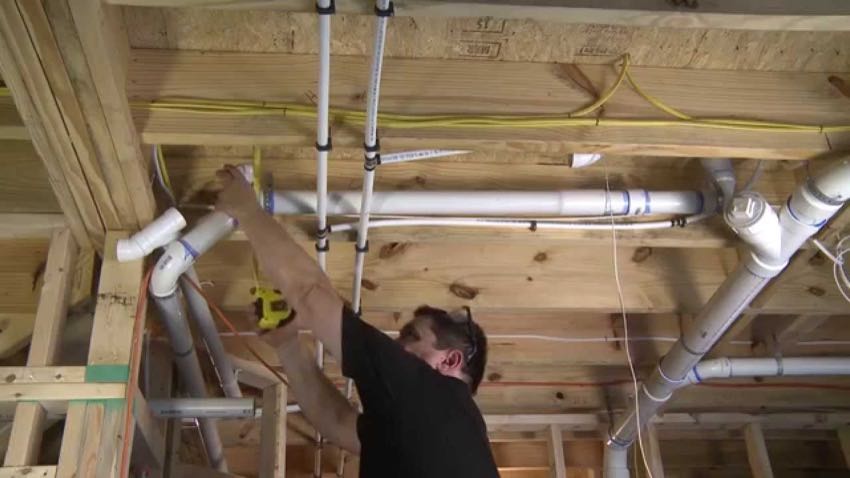
The diameter of the piping and the length of the pipe runs are critical for maintaining strong suction. Typically, a 2-inch diameter pipe is standard. However, the longer the pipes need to travel from the central unit to the inlets, the more suction power can be lost.
For example, a system with inlets located on the first floor of a two-story house might experience a slight reduction in suction compared to inlets on the same floor as the unit, especially if the piping runs are very long and have many bends.
According to the Central Vacuum Technical Association (CVTA), proper installation, including minimizing pipe length and bends, is key to maximizing airflow and effective cleaning.
Here’s a general guideline for how pipe length can affect performance:
| Pipe Run Length (Feet) | Estimated Suction Loss (%) |
|---|---|
| 0-50 | 0-5% |
| 51-100 | 5-10% |
| 101-150 | 10-15% |
| 151-200 | 15-20% |
*Note: This

