

A great canister vacuum should balance suction, filtration, maneuverability, and the right tools for your home.
If you have ever dragged a vacuum across a room and felt like you were fighting it the whole time, you already know why the right canister vacuum matters. I have tested and used enough vacuums to know that the best one is not always the strongest on paper. It is the one that fits your floors, your habits, and the kind of mess you clean most often. If you are wondering what should you look for in a canister vacuum, this guide breaks it down in a practical way so you can shop with confidence.
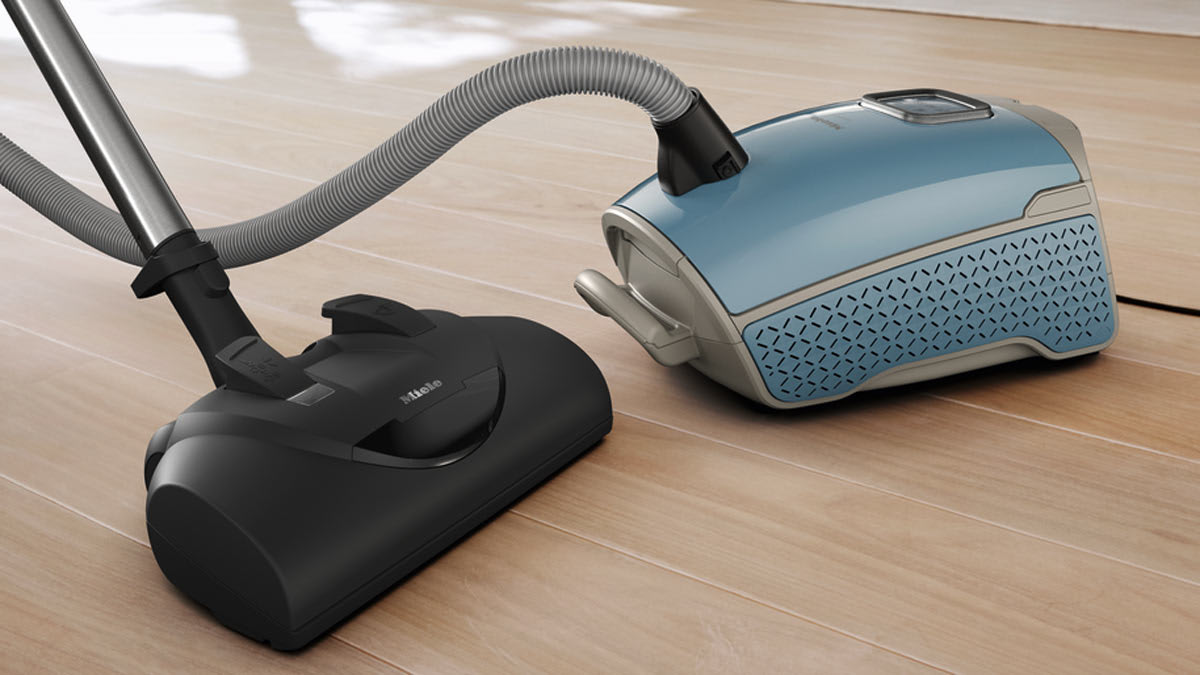
What a canister vacuum is and why it can be a smart choice
A canister vacuum has two main parts: the body that holds the motor and dust bin, and a hose with a cleaning wand or floor head. That separate design usually makes it lighter in the hand than an upright vacuum. It can also feel easier to steer around furniture, stairs, and tight corners.
This style works well for many homes, especially if you have mixed flooring. In my experience, canister models often shine on hard floors and delicate rugs because they give you more control. They can also be a better pick if you want quieter cleaning or need to reach under low furniture.
A canister vacuum is not automatically better than an upright, though. The best choice depends on the layout of your home, the surface types, and how much storage space you have. That is why it helps to focus on the features that really matter instead of chasing the biggest numbers.

What should you look for in a canister vacuum?
When people ask what should you look for in a canister vacuum, I always say to start with the basics: suction, filtration, floor head design, weight, and attachments. Those are the features that shape real cleaning performance. A vacuum can look premium, but if it clogs fast or feels awkward to use, it will not stay in your routine for long.
Here are the main things to compare before you buy:
- Suction power and airflow: Strong suction helps lift dirt, but airflow and sealed design matter too. A vacuum with good suction and poor airflow may still struggle on carpet or around edges.
- Filtration system: A sealed HEPA filter can help trap fine dust, pet dander, and allergens. This is especially important for allergy-sensitive households.
- Floor head type: A powered brush roll helps with carpet, while a soft brush or hard floor head protects wood and tile. Some models include both.
- Weight and mobility: A lighter canister is easier to pull up stairs and move from room to room. Smooth wheels and a flexible hose also make a big difference.
- Noise level: Some canister vacuums are far quieter than uprights. That can matter a lot if you clean early in the morning or have pets that hate loud sounds.
- Attachments and tools: Crevice tools, dusting brushes, upholstery tools, and pet nozzles expand what the vacuum can do. A useful tool set can make one machine replace several cleaning tools.
- Dust bin or bag system: Bagged models often hold dust better and can be cleaner to empty. Bagless models may save money over time, but emptying them can be messier.
- Build quality: Strong latches, durable hoses, and good seals usually lead to fewer headaches over time. A vacuum should feel like a tool, not a toy.
One mistake I see people make is buying based only on motor power. That number can be misleading if the vacuum head, hose, or filtration system is weak. A well-designed canister vacuum often cleans better than a louder, higher-powered one.
Suction, airflow, and cleaning performance
Suction is what pulls dirt into the vacuum, but airflow helps move that dirt through the hose and into the bin or bag. A canister vacuum needs both to clean well. If one part is weak, performance drops fast.
For hard floors, you do not always need the highest suction setting. Too much suction can make cleaning harder because the floor head sticks to the surface. On carpet, especially medium or high pile, stronger suction and a motorized brush head can help lift debris from deeper in the fibers.
I learned this the hard way with a vacuum that sounded powerful but left crumbs behind on thick area rugs. The issue was not just suction. The head was not designed well for that floor type, so the machine kept skipping over debris instead of lifting it cleanly.
When shopping, look for:
- Adjustable suction levels for different surfaces
- Sealed airflow paths that reduce loss
- A powered brush roll for carpet cleaning
- Edge cleaning features for corners and baseboards
If possible, read performance tests that mention carpet pickup, hard floor pickup, and pet hair removal. That gives you a better picture than marketing language alone.
Filtration matters more than many buyers realize
If you have allergies, asthma, pets, or kids, filtration should be high on your list. A good filter helps trap fine dust instead of blowing it back into the air. That can make your home feel cleaner, not just look cleaner.
HEPA filtration is a common term to look for. True HEPA filters are designed to capture very small particles, and many quality vacuums use sealed systems to keep dust from leaking out. A sealed system is important because a great filter does little good if air escapes before it reaches the filter.
This is one area where cheap models often disappoint. I have seen vacuums that emptied well but leaked fine dust around the seals. That may not be obvious at first, but over time you notice more dust on nearby surfaces and a stale smell when vacuuming.
Look for:
- True HEPA filtration or an equivalent high-efficiency filter
- A sealed dust path
- Easy-to-replace filters
- Clear instructions for cleaning and replacement
If anyone in your home is sensitive to dust, this feature can matter as much as suction.
Floor type compatibility
Not every canister vacuum handles every floor the same way. A vacuum that works beautifully on tile might feel clumsy on plush carpet. That is why floor compatibility is one of the most important answers to what should you look for in a canister vacuum.
For hard floors:
- A soft-bristle or hard-floor head helps protect surfaces
- Strong edge pickup makes crumbs easier to remove
- Swivel steering improves reach around table legs and cabinets
For low-pile carpet:
- A motorized brush or power head can improve pickup
- Height adjustment may help the head glide better
- A brush roll that can be turned off is useful for mixed floors
For high-pile carpet and rugs:
- Strong suction plus a powered head matters more
- A vacuum with too little lift can leave dirt buried in the fibers
- Check whether the hose and wand are long enough to avoid dragging the body too much
If you live in a home with both wood floors and rugs, a combination head can save time. That flexibility often matters more than a single impressive spec.
Hose length, wand reach, and maneuverability
One of the biggest strengths of a canister vacuum is reach. A long hose and wand let you clean shelves, stairs, drapes, and under furniture without lifting the whole machine. That said, not all reach is equal.
A short hose can make a vacuum feel annoying very quickly. You may find yourself pulling the canister behind you too often or struggling to clean above-floor spaces. A good wand should feel sturdy but not overly heavy.
Maneuverability also includes how the canister moves on the floor. Smooth-rolling wheels, a stable body, and a hose that does not kink all make cleaning feel easier. In real life, these details save time and reduce frustration.
Look for:
- A hose long enough for stairs and ceiling corners
- Telescoping wand adjustment
- Swivel floor head movement
- Smooth wheels that track well on both carpet and hard floors
I usually tell people to imagine using the vacuum in their most annoying room. If it still feels manageable there, that is a good sign.
Weight, storage, and ease of use
A canister vacuum should make cleaning easier, not more complicated. Weight matters because you may need to carry it up stairs or lift it in and out of storage. Even if the body stays on the floor, a bulky machine can be awkward in a small apartment or tight closet.
Ease of use also includes how the controls are placed. Can you reach the power button without bending awkwardly? Is the cord long enough to reduce plug swapping? Does the dust bin or bag remove cleanly?
Practical features to look for:
- Compact body size for easy storage
- Carry handle that feels secure
- Foot controls for power or cord rewind
- Cord length that matches your home size
- Simple assembly and tool changes
I have found that the best vacuums are often the ones people actually use. A machine that is too heavy, too loud, or too fiddly tends to sit in the closet. Convenience is not a luxury here. It is part of performance.
Bagged versus bagless canister vacuums
This choice affects cleaning comfort, cost, and maintenance.
Bagged canister vacuums:
- Usually hold dust more cleanly
- Can be a better option for allergy-sensitive homes
- Need replacement bags, which adds ongoing cost
Bagless canister vacuums:
- Save on bag purchases
- Let you see when the bin is full
- Can be messier when emptying, especially if you have fine dust or pet hair
I often recommend bagged models for households that want the cleanest emptying process. Bagless models can be great too, but only if you are okay with cleaning the filter and bin regularly. If you skip maintenance, performance can fall off fast.
A vacuum that is easy to empty and easy to clean will usually stay in better shape. That is a simple rule, but it saves a lot of regret.
Attachments that actually help
A lot of vacuums come with tool kits, but not every attachment is useful. The best canister vacuums include tools that fit real jobs around the home. The trick is to look for accessories that match your cleaning needs, not just a big box of parts.
Helpful attachments include:
- Crevice tool for corners, vents, and couch gaps
- Dusting brush for shelves and blinds
- Upholstery tool for sofas and mattresses
- Pet tool for hair on fabric and stairs
- Mini motorized tool for deep cleaning small areas
If you have pets, a good pet tool can be a game changer. Hair clings to upholstery, rugs, and stair edges in a way that simple suction alone often cannot solve. The right attachment can cut cleaning time in half.
The best test is simple: ask yourself what messes you clean most. If the attachments do not match those messes, they will probably stay in the drawer.
Noise level and day-to-day comfort
Noise is easy to ignore in a store and hard to ignore at home. A loud vacuum can feel tiring, especially during long cleaning sessions. It can also be stressful for pets, babies, or anyone sensitive to sound.
Canister vacuums are often quieter than many uprights, but there is still a wide range. Some have a smoother sound, while others create a sharp high-pitched tone that feels harsher. If possible, check real user feedback about sound quality, not just volume.
Comfort also comes from vibration, hose feel, and how the vacuum rolls behind you. A quiet, smooth vacuum often feels more premium because it reduces fatigue. That matters more than people think.
Maintenance, filters, and long-term value
A vacuum is a long-term purchase, so maintenance should be simple. If filters are hard to find or the hose is difficult to clean, the machine will age badly. Good maintenance design is one of the clearest signs of quality.
Before buying, check:
- How often filters need replacement
- Whether replacement parts are easy to find
- How simple the bin or bag removal is
- Whether the brush roll is easy to clean
- Whether the hose and seals are durable
Long-term value is not just about the purchase price. It is also about how much you will spend on bags, filters, and repairs. A slightly more expensive model can save money if it lasts longer and works better every week.
I have seen many people choose the cheapest model and then replace it within a year or two. That is not always a mistake, but it often costs more in the end. Quality usually pays for itself through consistency and less hassle.
How to choose the right canister vacuum for your home
The best way to decide what should you look for in a canister vacuum is to match the machine to your space. Start with your floors, then think about your storage, your allergies, and your cleaning habits. That order usually leads to a smarter purchase.
Use this simple checklist:
-
Identify your main floor type
- Hard floors, carpet, rugs, or a mix
-
Think about household needs
- Pets, allergies, stairs, kids, or lots of furniture
-
Decide on bagged or bagless
- Clean emptying or lower ongoing cost
-
Look at reach and weight
- Hose length, wand length, and canister mobility
-
Check the tool set
- Make sure the included attachments fit your real tasks
-
Review maintenance needs
- Filters, bags, and replacement parts
-
Compare noise and comfort
- A vacuum you enjoy using is more likely to stay in rotation
If you shop this way, you are not just buying a vacuum. You are buying a cleaning routine that is easier to keep up with.
Frequently Asked Questions of What should you look for in a canister vacuum?
Are canister vacuums better than uprights?
Canister vacuums are often better for hard floors, stairs, and tight spaces because they are easier to maneuver. Uprights can still be better for some carpet-heavy homes, especially if you want a simpler all-in-one design.
Is HEPA filtration necessary in a canister vacuum?
HEPA filtration is not required for every home, but it is a smart choice if you have allergies, asthma, pets, or sensitive airways. A sealed HEPA system can help trap fine dust and keep particles from escaping back into the room.
How much suction power do I need in a canister vacuum?
You do not need the highest number on the box. What matters more is how well the vacuum moves air, seals dust, and cleans your specific floor type.
Should I buy a bagged or bagless canister vacuum?
Choose bagged if you want cleaner disposal and better dust control. Choose bagless if you prefer not to buy replacement bags and do not mind emptying the bin more often.
What attachments are most useful for a canister vacuum?
The most useful attachments are usually a crevice tool, dusting brush, upholstery tool, and pet hair tool. If you have mostly hard floors or stairs, make sure the included tools match those jobs.
How long should a good canister vacuum last?
A well-made canister vacuum can last many years with regular care. Durability depends on build quality, filter maintenance, and whether replacement parts are available when needed.
Conclusion
The best answer to what should you look for in a canister vacuum comes down to fit. Focus on suction, filtration, floor head design, reach, weight, and the tools you will actually use. When those pieces work together, cleaning feels faster, easier, and far less frustrating.
If you are shopping right now, compare two or three models side by side and think about your real home, not just the product page. That simple habit can save you from buying a vacuum that looks good but feels wrong in daily use. If you found this guide helpful, keep exploring, compare a few trusted models, and leave a comment with your cleaning setup so you can get more tailored advice.


2 Comments
Pingback: Are Stick Vacuums Good For Stairs: Best Guide - Vacuum Cleaner Tips
Pingback: Why Does My Stick Vacuum Smell: Causes And Fixes - Vacuum Cleaner Tips