

Understanding the difference between a central vacuum and a shop vacuum is key to choosing the right tool for your cleaning needs. While both are powerful vacuum cleaners, they are designed for very different purposes and environments. A central vacuum system is built into a home or building for regular, whole-house cleaning, whereas a shop vacuum is a portable, robust machine meant for heavy-duty cleaning in workshops, garages, or construction sites.
The primary distinction lies in their design, power, and intended use. Central vacuums offer convenience and a quieter cleaning experience within living spaces, while shop vacuums prioritize raw power and durability for tackling tough messes. Making the right choice depends on whether you need a system for daily home upkeep or a workhorse for demanding tasks.
Central Vacuum Systems: Integrated Power For Your Home
A central vacuum cleaner is a permanent fixture installed within a building’s structure. Its main components include a large power unit, typically located in a basement, garage, or utility room, and a network of pipes running through the walls. These pipes connect to inlets, or ports, placed in various rooms throughout the house.
When you want to vacuum, you plug a long hose into a wall inlet and attach the desired cleaning accessory. The dirt, dust, and debris are then sucked through the pipes to the central power unit, where the debris is collected in a large canister or bag.
The air is filtered and exhausted, often outside the house, which can significantly improve indoor air quality.
Key Features And Benefits
The main advantage of a central vacuum is its quiet operation within the living areas. Because the noisy motor and collection bin are located remotely, the only sound you hear in the room is the airflow from the hose and cleaning head. This makes them ideal for homes with light sleepers or for cleaning without disturbing others.
Another significant benefit is improved indoor air quality. Unlike portable vacuums that recirculate some fine dust back into the room, central vacuums vent most of the expelled air outside. This is particularly helpful for people with allergies or asthma. Furthermore, the large collection capacity of the central unit means you empty it much less frequently than a standard vacuum bag or canister.
Installation And Maintenance
Installing a central vacuum system is a significant undertaking, usually done during new home construction or major renovations. It involves running PVC pipes through walls, floors, and ceilings, connecting them to electrical wiring and the main power unit. Retrofitting into an existing home is possible but can be more complex and costly.
Maintenance is generally minimal. The primary task is emptying the collection receptacle, which might be a bag or a large canister. This typically needs to be done only a few times a year, depending on usage. The filters in the power unit may also need occasional cleaning or replacement.
Shop Vacuums: The Heavy-duty Workhorses
A shop vacuum, also known as a wet/dry vacuum, is a portable and robust cleaning machine designed for demanding jobs. These vacuums are built to handle a wide range of debris, from fine dust and sawdust to water and larger particles, making them indispensable tools for workshops, garages, construction sites, and even for car interiors.
Unlike central vacuums, shop vacuums are self-contained units. They consist of a motor, a collection tank, and a filter, all housed within a portable casing, usually on wheels. You connect the hose and accessories directly to the main unit.
Power And Versatility
Shop vacuums are known for their powerful suction. They are engineered to pick up not only fine dust but also heavier materials like screws, nails, and wood chips. Their ability to handle both dry debris and liquids (hence “wet/dry”) makes them incredibly versatile.
These vacuums are often used for cleaning up after DIY projects, clearing out gutters, or sucking up spills. They come with various attachments to tackle different surfaces and tasks, from crevice tools for tight spots to large floor nozzles for open areas.
The durable construction means they can withstand rough handling and harsh environments.
Portability And Ease Of Use
The portability of a shop vacuum is one of its main selling points. They are designed to be easily moved around a workspace or taken to different locations. Most models are relatively lightweight and come with wheels for smooth transport.
Using a shop vacuum is straightforward. You simply plug it in, attach the hose and desired nozzle, and start cleaning. Switching between dry and wet pickup usually involves a simple filter change or removal for wet use. Emptying the tank is also a quick process, typically involving detaching the motor housing and tipping the tank.
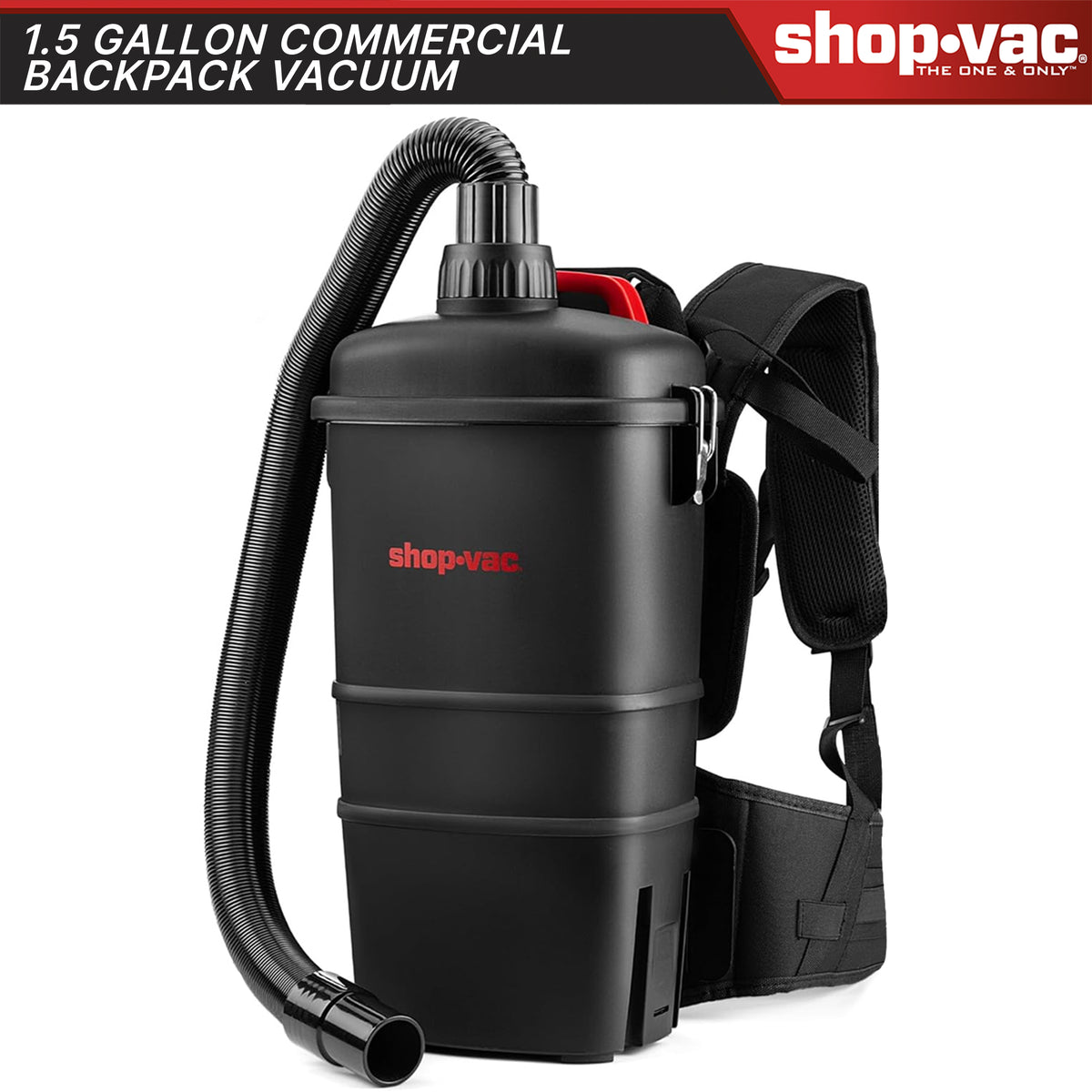
Direct Comparison: Central Vacuum Vs. Shop Vacuum
To better understand the differences, let’s look at how they stack up in key areas.
| Feature | Central Vacuum | Shop Vacuum |
|---|---|---|
| **Installation** | Permanent, built-in system | Portable, self-contained unit |
| **Motor Location** | Remote (basement, garage) | Integrated into the unit |
| **Noise Level** | Very quiet in living areas | Can be very loud |
| **Air Quality** | Vents exhaust outside, better for allergies | Recirculates some air/dust; may require HEPA filter |
| **Debris Capacity** | Large, infrequent emptying | Smaller, more frequent emptying |
| **Power** | Generally sufficient for home cleaning | High power for heavy-duty tasks |
| **Versatility** | Primarily dry debris, designed for living spaces | Dry debris, liquids, coarse materials, workshops |
| **Portability** | None (system is fixed) | Highly portable |
| **Cost** | High initial cost, installation | Lower initial cost, readily available |
| **Maintenance** | Empty receptacle, occasional filter check | Emptying tank, filter cleaning/replacement |
Power Source And Suction
Central vacuums typically use a powerful, dedicated motor that is often larger than what’s found in a typical portable vacuum. This allows for consistent, strong suction over long distances through the piping system. The suction power is measured in air watts (AW), and high-end central vacuums can offer very competitive ratings.
Shop vacuums also boast impressive suction, often measured in peak horsepower or water lift. They are designed for immediate, intense suction needed to clear large amounts of debris quickly. While their power can be immense, it’s often for shorter bursts of demanding use rather than sustained, whole-house cleaning.
Filtration Systems
The filtration in central vacuums is designed to handle the fine dust generated from general home cleaning and to improve indoor air quality. Many systems vent their exhaust outside, meaning only a minimal amount of air is recirculated. However, some models do have filters to trap fine particles before the air is exhausted.
Shop vacuums often have more robust filtration for handling a wider variety of debris, including very fine dust like drywall or concrete dust. Many come with foam filters for wet pickup and cartridge filters for dry pickup. For extremely fine dust, users often upgrade to HEPA filters to prevent microscopic particles from being released back into the air.
When To Choose Which
The decision between a central vacuum and a shop vacuum hinges on your primary cleaning needs and environment.
For Homeowners
If you are building a new home or undertaking a major renovation and want a convenient, quiet, and effective system for regular whole-house cleaning, a central vacuum is an excellent investment. It enhances comfort, contributes to better indoor air quality, and adds value to your home. It’s ideal for everyday dust, pet hair, and general household debris.
For Workshops, Garages, And Diyers
If your cleaning tasks involve sawdust, construction debris, liquid spills, or you simply need a powerful, portable vacuum for tough jobs, a shop vacuum is the way to go. They are indispensable for maintaining a clean workshop, cleaning out cars, or handling the mess created during renovation projects. Their durability and versatility make them a practical choice for demanding environments.
My Experience With Both
In my experience, living with a central vacuum system in a previous home was a revelation. The quietness made it possible to clean at any time without disturbing

