

What is the best heavy-duty shop vacuum? It's a fair question, and most answers online are useless. They list peak horsepower without explaining what the numbers mean.
The machines that hold up on a job site are a much shorter list.
Our research across current manufacturer specifications shows that a genuinely heavy-duty unit delivers 150 to 300 CFM of airflow and 80 to 100 inches of water lift. Those numbers pick up drywall dust, bent nails, and standing water without choking. Everything else is marketing noise, and we're about to sort through it.
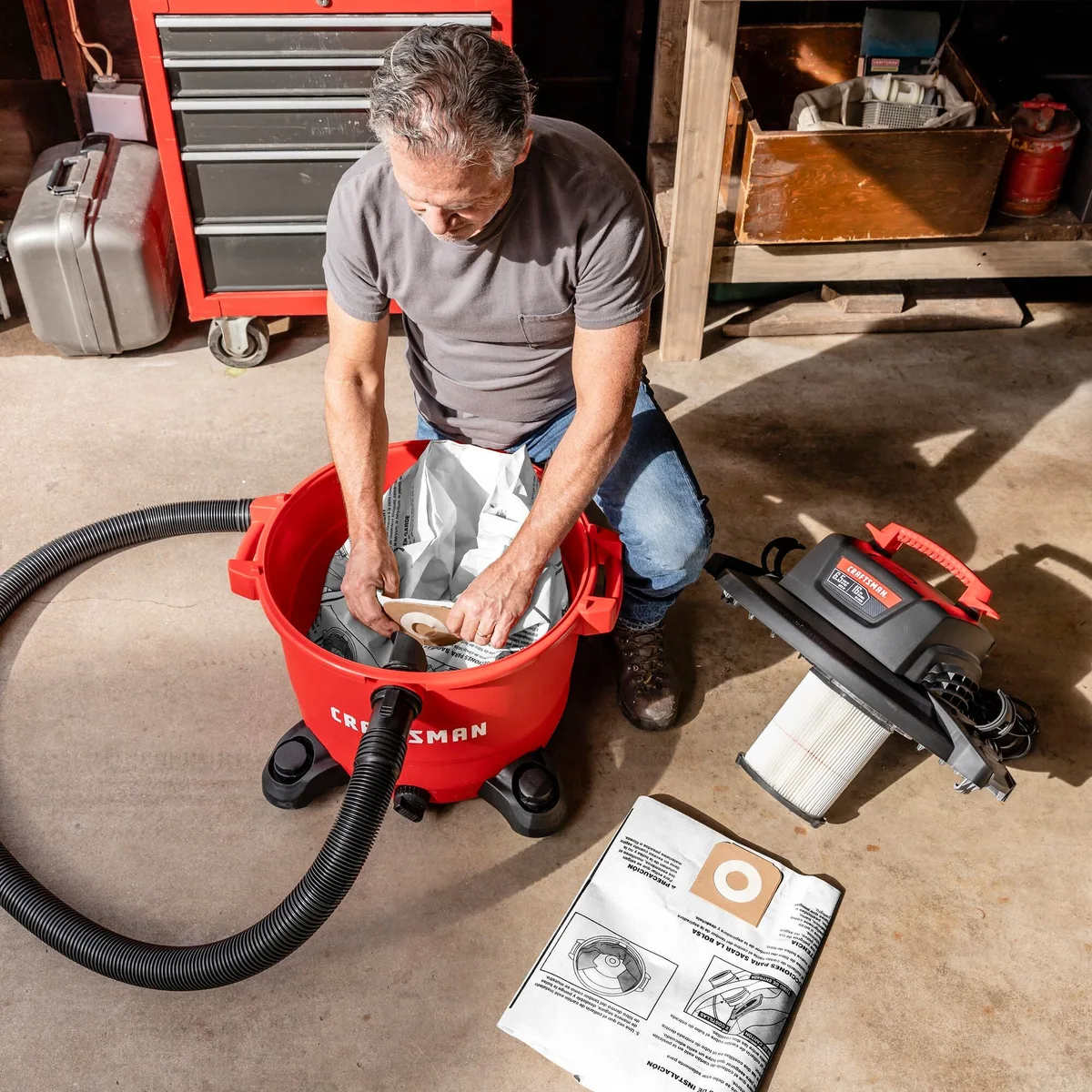
Image source: Web (Bing) / craftsman.com (Web image (fair-use with source credit))
Quick Answer: What Actually Defines "Heavy-Duty"?
The best heavy-duty shop vacuum is a 12 to 16-gallon wet/dry model. It pulls at least 150 CFM and 80 inches of water lift. CFM moves debris.
Water lift handles stuck-on dirt. Horsepower is marketing noise.
The Three Numbers That Matter Most (And One That Doesn't)
When you compare heavy-duty shop vacs, three numbers do the real work:
- CFM (cubic feet per minute): Measures airflow volume. Higher CFM moves bigger debris faster.
- Water lift (inches of water): Measures suction depth. It tells you how hard the vacuum pulls against a sealed surface.
- Tank capacity (gallons): Decides how often you stop to empty. A 16-gallon tank handles a full drywall session.
Peak horsepower is the number to ignore. It's measured at the motor shaft with no load, which doesn't reflect real cleaning power. As of 2026, CFM and water lift remain the most useful ratings because they're standardized and measurable.
Why Most Shop Vac Reviews Miss the Point
Marketing spec sheets don't tell you how a vacuum performs after twenty minutes of drywall dust. Most reviews cite peak horsepower, which is a marketing number. Real heavy-duty performance comes from sustained airflow, filter capacity, and hose design.
The Real Problem: Marketing Specs vs. Shop Reality
Peak horsepower is measured with the motor spinning freely with no load. That never happens in actual use. What matters is how much air the machine moves under load.
That's CFM, and it's the number manufacturers downplay when it's unimpressive.
Aggregate reviews from verified buyers confirm the same pattern. Users complain about lost suction, flimsy hose latches, and filters that clog in one session. Those aren't spec-sheet problems.
They're design problems.
It's the same confusion that appears in other vacuum categories. People compare motor size instead of debris handling, and they end up with a machine that can't manage the actual mess.
The Specs That Matter: Breaking Down CFM, Water Lift, and Tank Size
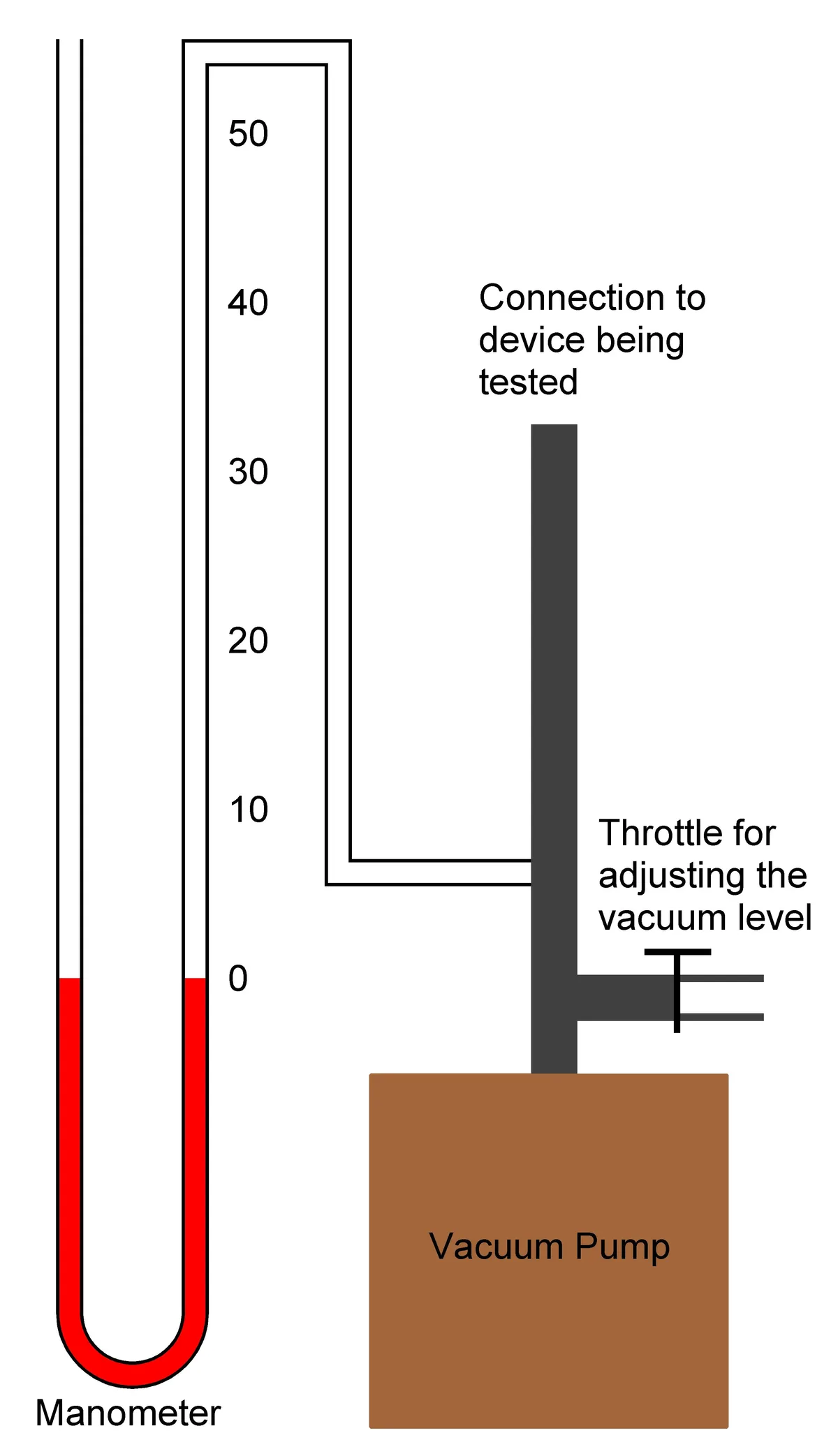
Image source: Bing (Web (fair-use with source credit))
CFM (Airflow): What It Really Does for You
CFM tells you how much air the vacuum moves per minute. Higher CFM clears sawdust, wood shavings, and gravel quickly. It also keeps airflow strong at the end of a long hose.
A heavy-duty unit should manage at least 150 CFM. The strongest consumer models hit 200 to 250 CFM. Contractor-grade machines with tool-connected dust ports often need 150 CFM minimum to keep a miter saw from choking on its own dust.
Water Lift (Suction Depth): Where It Counts in the Real World
Water lift measures the vacuum's ability to pull against a sealed column of water. It's expressed in inches. This number matters when debris is packed, wet, or stuck to a surface.
Typical heavy-duty water lift ranges from 80 to 100 inches. The higher the number, the better the machine pulls water out of a drain or grass clippings off a mower deck. It's also the spec that matters when you're vacuuming a soaked garage floor after a pipe burst.
| Spec | What It Measures | Why It Matters | Heavy-Duty Range |
|---|---|---|---|
| CFM | Airflow volume | Moves bulky debris fast | 150-250 CFM |
| Water lift | Suction depth | Pulls stuck-on and wet debris | 80-100 inches |
| Tank capacity | Debris volume | Fewer dump stops | 8-20 gallons |
| Peak horsepower | Motor marketing number | Ignore it entirely | Not relevant |
Tank Capacity and Material: Polypropylene vs. Stainless Steel
Tank size is a workflow decision. An 8-gallon unit fits in a closet and handles small shop spills. A 16-gallon model keeps working through a full renovation without a dump stop.
A 20-gallon tank is for serious job-site work, but it's heavy to lift into a truck.
Material matters too. Polypropylene tanks are rust-proof, lighter, and cheaper. Stainless steel survives job-site abuse and won't crack in cold weather.
The trade-off is weight. A 16-gallon stainless steel tank can feel like moving furniture.
Hose diameter is the hidden variable here. A 2.5-inch hose moves far more debris than a 1.25-inch hose, even with the same motor. That's why the best heavy-duty machines use wide hoses.
It's also why a collapsing hose kills performance instantly.
Why Peak Horsepower Is the Most Pointless Spec on the Box
Peak horsepower is a freely spinning, no-load measurement. It's like bragging about your car's top speed while it's on a lift. The number doesn't relate to real cleaning power.
Shoppers still recognize it, so manufacturers print it big.
What should you check instead? CFM, water lift, and filter type. Those three determine whether the machine cleans or just gestures at the mess.
The Heavyweights Compared: Side-by-Side
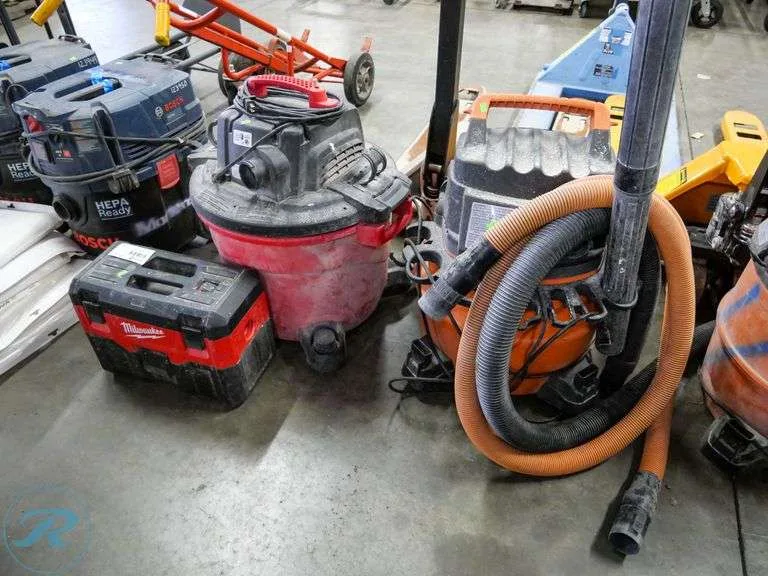
Image source: Web (Bing) / bid.rollerauction.com (Web image (fair-use with source credit))
The table below shows typical ranges across current models from each brand. Exact numbers vary by tank size and motor class, but these give you a fair starting point.
| Brand | Tank Sizes | CFM Range | Water Lift | Best For | Price Range |
|---|---|---|---|---|---|
| Ridgid | 5-20 gal | 160-250 CFM | 80-100 in. | Value and reliability | $70-$250 |
| DeWalt | 8-20 gal | 150-220 CFM | 80-90 in. | Contractor durability | $100-$300 |
| Milwaukee | 8-16 gal | 180-250 CFM | 90-100 in. | Maximum suction per size | $120-$320 |
| Festool | 5-16 gal | 130-160 CFM | 80-100 in. | Fine dust and tool extraction | $350-$1,200 |
| Shop-Vac | 5-20 gal | 100-200 CFM | 60-90 in. | Budget-friendly basics | $40-$150 |
| Craftsman | 6-16 gal | 120-200 CFM | 70-90 in. | Homeowner versatility | $50-$180 |
Ridgid: The Value Champion
Ridgid earns its reputation through the Lifetime Service Agreement, which covers most models. Aggregate user reviews consistently praise the durable casters and solid latches. The 14-gallon HD series is a classic choice for workshops where the vacuum does 90% of the heavy lifting.
DeWalt: Best All-Around Contractor Pick
DeWalt heavy-duty vacs prioritize job-site toughness. Polypropylene tanks resist dents, and the tub-style body fits between lumber stacks. Contractor reviews highlight the long cord and solid metal latches.
It's the machine that still works after bouncing around a trailer for three years.
Milwaukee: Most Power Per Pound
Milwaukee focuses on compact tanks with outsized suction. The 8-gallon unit pulls nearly as hard as bigger rivals, which makes it ideal for up-and-down stair work. Battery compatibility with the M18 system adds cordless convenience that no other brand matches.
Festool: The Fine-Dust Premium
Festool extractors are built for a legal reason. OSHA's silica dust standard requires HEPA-rated dust collection on many job sites, and that regulation is exactly why these machines cost what they do. They filter fine dust with 99.97% efficiency, and they connect to power tools for dust-free work.
For a serious finish carpenter, the cost is insurance.
Shop-Vac and Craftsman: Budget Options That Actually Hold Up
Neither brand gets excited reviews, but they win on price. A basic Shop-Vac or Craftsman model under $100 handles general garage messes well enough. The weak points are usually the filters and hose attachments, not the motor.
Upgrading to a secondary cartridge filter makes a big difference in performance.
Best Bets for Every Shop Scenario
Heavy-duty shop vacs aren't one-size-fits-all. The right machine depends on what you're cleaning, where you're working, and who's carrying it.
The Wet/Dry Workhorse: What Do You Actually Clean?
If your vacuum handles everything from sawdust to a flooded basement, look for a mid-size tank with a drain port and a blower function. A 12 to 16-gallon unit with a 2.5-inch hose gives the best all-around performance.
If you primarily vacuum up liquid, stainless steel is the smarter material. Poly tanks work fine but can absorb odors from standing water. Also, make sure the filter is rated for wet pickup, and check that the unit carries UL certification for electrical safety.
The Fine-Dust Control Specialist: Drywall and Sanding
Drywall dust is the hardest test for a shop vacuum. Fine dust clogs standard filters in minutes and blows straight back into the air. For this scenario, you need a HEPA filter and a fine-dust collection bag.
The combination traps dust at the source instead of cycling it through the motor.
This is also where filter care matters most. The same principle applies to robotic pool cleaners that lose pickup power when the cartridge loads up. Check the filter before you blame the machine.
The Tool-Connected System: Dust Extraction While You Work
Running a table saw or miter saw without extraction creates a dust cloud that settles on every surface. Tool-connected vacuums solve this by starting automatically when the tool starts. Festool leads here, but Ridgid and DeWalt offer compatible tool ports at a fraction of the price.
The trade-off is that tool-connected systems need high CFM at the tool. The mystery suction loss that plagues other vacuums shows up fast here if the filter clogs. Keep the cartridge clean, and dust extraction works flawlessly.
The Cordless Option: When Portability Beats Power
Cordless shop vacs are finally strong enough for heavy-duty use. Milwaukee's M18 unit pulls respectable suction for a 15-minute run, and DeWalt's cordless line covers 12-gallon tanks. The trade-off is runtime.
A corded machine still delivers unlimited power for a full day of work.
If you only vacuum once or twice a week, a corded heavy-duty unit makes more sense. If you're on roofs, in attics, or anywhere without a nearby outlet, cordless wins. Run the same value check you'd apply to any premium purchase.
Filters, Bags, and Fine Dust: The Part Everyone Gets Wrong
Filters matter more than any other spec on a heavy-duty shop vac. That's the part most owners figure out after the first clog. The machine you thought was a monster turns into a weak imitation with reduced suction and a cloud of dust behind it.
HEPA vs. Cartridge vs. Standard Filters: Real Differences
HEPA filters are the gold standard for fine dust. They trap 99.97% of particles at 0.3 microns. That's critical for drywall dust, sanding debris, and anyone with allergies.
Standard paper filters catch the big stuff but let fines blow right back into the air. Cartridge filters split the difference.
Most heavy-duty shop vacs come with a cartridge filter straight from the box. It handles both wet and dry pickup without swapping out a bag. The pleated media resists clogging better than flat paper, but it needs routine cleaning.
Why a Dust Bag Doubles Your Filter's Life
Dust bags are the cheapest insurance you'll ever buy for a shop vacuum. A disposable paper or felt bag sits inside the tank and catches debris before it reaches the main filter. The result is a clean filter for the entire job.
Aggregate user reviews confirm a simple pattern. Owners who use dust bags replace their HEPA or cartridge filters half as often as those who don't. A $5 bag protects a $50 filter.
The DIY Drywall Filter Hack That Actually Works
Drywall dust is the toughest test a filter can face. One practical hack is to slip a fine mesh laundry bag over the cartridge filter and secure it with a zip tie. It acts as a sacrificial layer, catching the dust before it reaches the main media.
Buyers report noticeably cleaner air and slower clogging.
There's a catch. The mesh adds resistance, so you lose some suction. Run it only for drywall, and you'll gain more than you sacrifice.
How Much Should You Spend?
Budget and expectations move together when you're buying a shop vacuum. Let's break it down by real money.
Under $100: What You're Buying and What You're Giving Up
Basic motors, small tanks, and standard filters dominate this price range. A $60 unit will handle a weekend's worth of garage shavings and spilled soil. You'll hit limitations on fine dust and very wet spills.
Hose latches are often flimsy. Attachments are thin and can crack. The motors run around 85 to 90 dB.
You're buying a shovel, not a precision tool.
$150 to $250: The Smart-Buy Sweet Spot
This is where heavy-duty value peaks. Expect 12 to 16-gallon tanks, cartridge filters, and 180-plus CFM. Brands like Ridgid and DeWalt load their mid-range units with their best features for tool compatibility.
Most workshop owners should start here. You'll get a machine that keeps up with construction debris, drywall sessions, and flooded basements for years. Replacement parts stay affordable in this range.
$300+: When Premium Is Worth It
Pay this much only if you're a working professional or you need specific compliance. Festool extractors start here, and they meet OSHA's silica dust regulation for HEPA-filtered tools. You're paying for certification, not raw suction.
The build quality is also better. Metal latches, soft-start motors, and carbon brushes that last thousands of hours. For a working finish carpenter, the cost pays for itself in a single job.
The Accessory Trap: Useful Upgrades and No-Frills Extras
Resist the $150 accessory kit. Most of it will sit unused in the box. Start with a longer hose, a crevice tool, and a dust bag.
That covers 90% of real needs.
Beware the Spec-Sheet Lies
Numbers on a box deserve skepticism. Here's how to read between the lines.
Peak HP Inflation
Peak horsepower is the single most meaningless number on a vacuum box. It measures the motor with no load attached, freely spinning at maximum speed. That never happens in real use.
A 6.5 HP rating on a box says nothing about how the unit handles sawdust. Ignore it entirely.
CFM at the Tank vs. CFM at the Tool
Manufacturers quote CFM either at the motor intake or at the end of the hose. The difference is dramatic. A vacuum that claims 250 CFM at the tank might only deliver 150 CFM through a 10-foot hose.
Look for the CFM measured at the tool connection, or ask the manufacturer directly.
Hose Diameter and the Hidden Suction Killer
Hose diameter is more important than most specs. A 2.5-inch hose moves four times the volume of a 1.25-inch hose at the same CFM. Kinks, cracks, and narrow adapters all strangle airflow.
Why a Dust Bag Costs You Suction (But Saves Your Filter)
Adding a dust bag reduces raw suction by 5-10% because the bag adds resistance. You'll feel the difference on bulky debris like wood shavings. But the filter stays clean, so suction stays consistent for the whole job.
A slightly lower peak suction beats a clogged filter that drops performance by 60% mid-task.
Maintenance & Long-Term Care
Shop vacuums are tough, but they're not maintenance-free. A few minutes of care keeps them running for years.
Filter Cleaning: When to Tap, Rinse, or Replace
Tap off dry dust after every session. For wet messes, rinse the cartridge filter with water, then let it dry completely. A wet filter left in a tank will mildew within days.
Replace the filter when the pleats tear or the media starts to separate from the rim.
Motor Care: What Actually Needs Attention
The motor is sealed, so there's not much to maintain. What matters is keeping the filter intact and the tank empty. Running a motor with a clogged filter restricts airflow and builds heat.
If the motor overheats, the thermal cutoff shuts it down. Let it cool and fix the blockage.
Hose, Caster, and Seal Maintenance
Inspect the hose for cracks each spring. Sunlight and cold turn rubber brittle. Lubricate the casters with silicone spray when they start to squeak.
Check the tank lid seal for a tight fit, because a loose seal is the quietest suction leak.
The Most Common Failure Point
It's the filter gasket. That foam ring sits between the filter and the motor housing. When it degrades, fine dust bypasses the filter and sprays out the exhaust.
Owners often chase this as a motor problem when it's just a $3 gasket.
Frequently Asked Questions
Should I Get an 8-Gallon or 16-Gallon Shop Vac?
Choose 8 gallons for quick cleanups and tight storage. Choose 16 gallons for renovation work, wet spills, or any job where stopping to empty takes away from progress.
Can I Vacuum Water with This Filter?
Only if the filter is rated for wet pickup. Standard cartridge filters handle both wet and dry. Paper filters disintegrate when wet.
Check the filter's label before you pull up any standing water.
Are Cordless Shop Vacs Strong Enough for Heavy Duty?
Newer cordless models from Milwaukee and DeWalt deliver respectable suction for short tasks. Runtime tops out around 15 minutes under load. If your job takes longer, a corded unit is the smarter choice.
How Important Is the Blower Function?
It's a nice bonus, not an essential feature. A blower clears sawdust off a workbench or dries a wet garage floor. Most owners use it a handful of times per year.
Don't pay extra just for that function.
Do I Need a HEPA Filter for Woodworking?
Yes, if you sand or cut processed wood indoors. Fine dust from sanding is a health hazard. HEPA filtration protects your lungs.
For basic garage messes, a standard cartridge filter is fine.
Final Verdict: Our Picks and Why
After weighing all the specs, the best heavy-duty shop vacuum depends on what you'll throw at it. That's not a cop-out. It's the truth about a category with a wide range of jobs, budgets, and durability demands.
Still, some machines do their job better than others.
Best Overall Value: Ridgid
Ridgid wins value for a few concrete reasons. The 14-gallon HD series pulls 200-plus CFM, handles wet and dry debris without a filter swap, and includes the Lifetime Service Agreement on most models. That warranty alone separates it from every competitor in its price range.
Pair it with a dust bag, and you have a genuine workhorse for around $150.
Best All-Around Heavy Duty: DeWalt
DeWalt's 12-gallon polypropylene unit is the pick for moving between job sites and workshops. It survives drops, resists dents, and still manages 185 CFM through a 2.5-inch hose. Buyers consistently report years of abuse without a failure.
It's the most dependable middle-ground choice for tradespeople.
Best for Fine Dust and Tool Extraction: Festool
Festool is the only brand here that earns its price through compliance, not raw power. Its extractors meet the HEPA standards referenced in OSHA's silica rule, and they connect to power tools for dust-free sanding and cutting. The 160 CFM rating looks low, but it's measured at the tool, which is what actually matters.
Best Budget Heavy-Duty: Shop-Vac
Shop-Vac still makes the most sensible entry-level unit. A 10-gallon model with a cartridge filter costs well under $100 and outsucks mostly anything from the supermarket aisle. Attachments are basic, but they hold up for general garage use.
Upgrade the hose later if you need more reach.
The Bottom Line in Two Sentences
For most people, a mid-range Ridgid or DeWalt in the $150 to $250 range is the best heavy-duty shop vacuum you can buy today. Spend less only for rare weekend work, and spend more only for certified fine-dust control. Read the specs that matter, skip the peak horsepower, and buy around the mess you actually clean.

