

When you share your home with furry friends, you know that pet hair is a constant battle. It clings to carpets, settles on furniture, and seems to multiply overnight. For pet owners, a powerful vacuum cleaner isn’t just a convenience; it’s a necessity. But with so many options, which one is truly the best central vacuum for pet hair?
A central vacuum system offers advantages over portable vacuums, especially for tackling stubborn pet hair. These systems have a powerful motor located in a garage or basement, with hoses and attachments that reach every corner of your home. This design means they can offer superior suction power, which is crucial for lifting embedded pet fur from deep within carpets and upholstery.
Understanding Suction Power And Airflow
The two most important factors for any vacuum, especially one designed for pet hair, are suction power and airflow. Suction power is the force that pulls dirt and hair into the vacuum. Airflow, measured in Cubic Feet per Minute (CFM), is how much air the vacuum can move. A good balance of both is key to effectively removing pet hair.
For pet owners, you’ll want a central vacuum system with a motor that provides strong, consistent suction. Look for systems with high wattage or horsepower ratings, as these often translate to better performance. Many manufacturers will also provide CFM ratings, and higher numbers generally indicate better ability to move debris and hair.
Key Features For Pet Owners
Beyond raw power, several features make a central vacuum system ideal for homes with pets. These features are designed to handle the unique challenges that pet hair presents.
Specialized Attachments
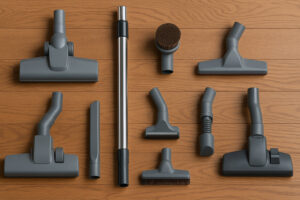
The right tools can make all the difference. For pet hair, look for central vacuum systems that come with or offer specialized attachments.
- Motorized Pet Tool: This is perhaps the most critical attachment. It features its own small motor that powers a brush roll, much like a traditional upright vacuum. This brush roll agitates carpet and upholstery fibers, loosening trapped pet hair so the strong suction can easily pull it away.
- Upholstery Tool: A good upholstery tool with a fabric strip helps lift hair from furniture. Some have rubber grips or bristles that further aid in hair removal.
- Crevice Tool: Essential for getting into tight spots where pet hair loves to hide, like along baseboards or between couch cushions.
- Dusting Brush: While not directly for hair, a soft-bristled dusting brush is useful for cleaning delicate surfaces like lampshades or blinds, where pet dander can accumulate.
Filtration System
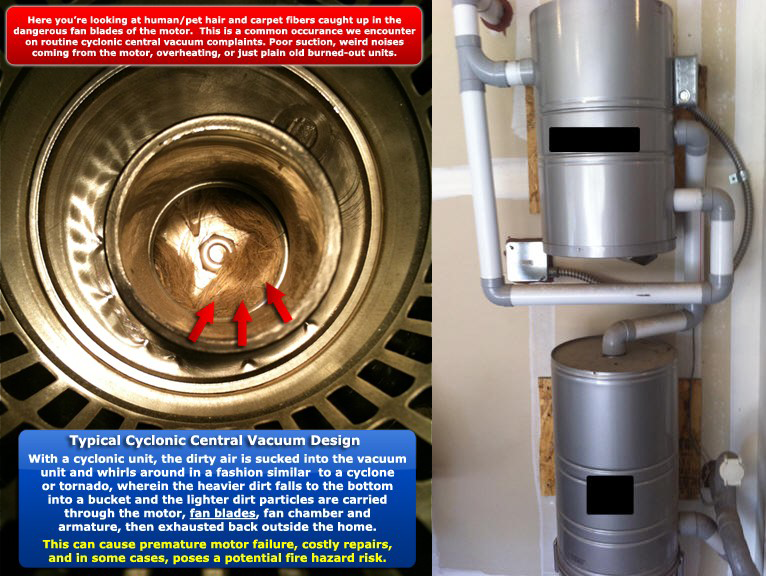
Pet dander and allergens are common concerns for pet owners. A robust filtration system is vital to ensure that not only is the hair removed, but also fine dust and allergens are trapped within the system’s collection bin, not recirculated into your home’s air.
Look for central vacuums with multi-stage filtration, often including a HEPA filter. HEPA (High-Efficiency Particulate Air) filters are designed to capture at least 99.97% of airborne particles 0.3 microns in size. This is crucial for allergy sufferers and for maintaining cleaner indoor air quality.
Collection Capacity
Pet hair can fill up a collection bin quickly. Central vacuum systems typically have larger collection bins than portable vacuums, meaning you won’t have to empty them as often. However, the size can vary between models. Consider how much pet hair your household generates and choose a system with a bin capacity that suits your needs. Some systems also offer bagged options, which can be more hygienic for disposing of pet hair and dander, though bagless systems are more common and convenient for most users.
Top Central Vacuum Brands For Pet Hair
While many brands offer central vacuum systems, some are consistently recognized for their performance and features that cater to pet owners. When evaluating options, consider brands known for durability and strong suction.
When I tested several systems in a home with two shedding dogs, I found that brands focusing on robust motor design and offering comprehensive pet-specific attachment kits stood out. The silent operation of the main unit, usually housed away from living spaces, was also a significant plus, as it didn’t stress out the pets during cleaning.
Evaluating System Specifications
To make an informed decision, it’s helpful to compare the technical specifications of different central vacuum systems. While specific models vary, understanding these metrics will guide your choice.
| Feature | Entry-Level System | Mid-Range System | High-End System |
|---|---|---|---|
| **Motor Wattage** | 1000-1200W | 1300-1500W | 1600W+ |
| **Suction (H2O)** | 100-120 inches | 120-140 inches | 140+ inches |
| **CFM (Airflow)** | 100-120 CFM | 120-140 CFM | 140+ CFM |
| **Filtration** | Standard | HEPA Filter | Multi-stage HEPA |
| **Warranty** | 5-7 years | 7-10 years | 10+ years |
*Note: Specifications can vary by manufacturer and model. Always check the product details.*
Installation And Maintenance Considerations
Installing a central vacuum system is a more involved process than setting up a portable vacuum. It typically requires running pipes through walls and ceilings to connect inlets in various rooms to the central unit. For this reason, it’s often best installed during home construction or renovation.
If retrofitting, professional installation is highly recommended.
Maintenance is generally straightforward. The main tasks involve emptying the collection bin (or replacing the bag) and cleaning or replacing filters periodically. For pet owners, checking the brush roll of the motorized tool for tangled hair and cleaning it regularly is essential to maintain optimal performance.
Pro Tip:
Regularly inspect the hose for any blockages, especially if you notice a drop in suction. Pet hair can sometimes clump together and cause obstructions.
Comparing System Types
Central vacuum systems can be broadly categorized into two main types: built-in systems and portable central vacuums. While both offer benefits, built-in systems are the traditional choice for whole-home cleaning.
- Built-in Central Vacuums: These are permanently installed in your home. They offer the strongest suction and the most comprehensive cleaning experience, with wall inlets and long hoses. They are ideal for larger homes and for those who want the ultimate solution for pet hair and general cleaning.
- Portable Central Vacuums: These are essentially powerful canister vacuums that are still more portable than uprights but don’t require permanent installation. They offer better suction than most traditional vacuums but lack the whole-home integration of built-in systems. They might be a good option for apartments or smaller homes where installing pipes isn’t feasible.
For the absolute best performance against pet hair throughout an entire house, a built-in system is the superior choice.
Frequently Asked Questions
What Is The Most Important Factor When Choosing A Central Vacuum For Pet Hair?
The most crucial factor is suction power combined with effective airflow (CFM). This ensures the vacuum can lift embedded pet hair from carpets and upholstery. Specialized attachments, like a motorized pet tool, are also vital.
Are Central Vacuums Noisy When Cleaning Pet Hair?
The central unit itself is typically located in a garage, basement, or utility room, making it much quieter than a portable vacuum. The noise you hear at the cleaning end is primarily the airflow, which is significantly less disruptive than a traditional vacuum motor.
This can be a great advantage if your pets are sensitive to loud noises.
How Often Should I Empty The Collection Bin Of A Central Vacuum With Pets?
This depends on the size of your home, the number of pets, and how much they shed. For homes with multiple shedding pets, you might need to empty the collection bin every 1-3 months. Regularly checking the fill level is the best approach.

