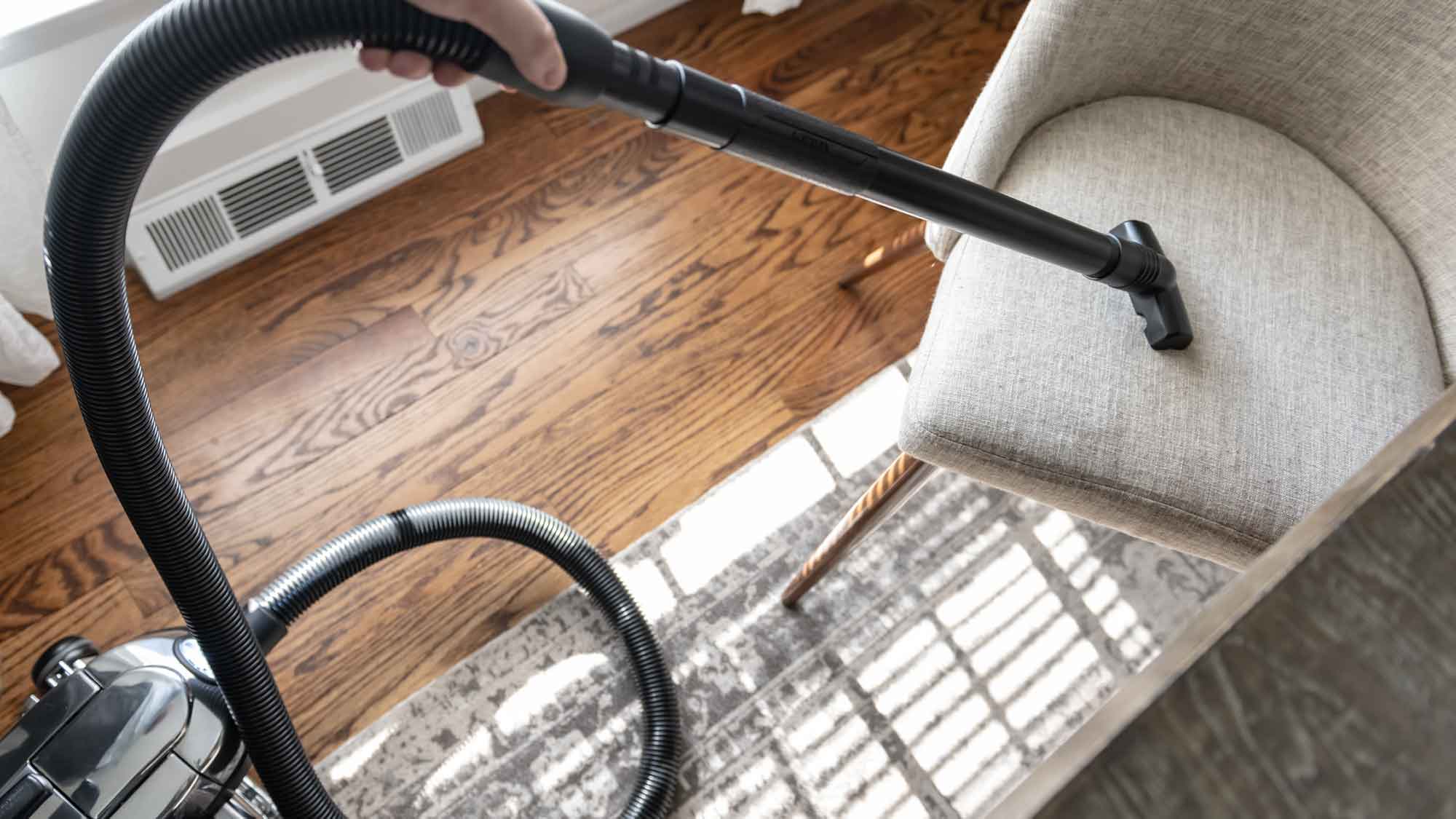
Choosing the best central vacuum for hardwood floors requires understanding specific features that protect your flooring while offering powerful cleaning. Unlike carpet, hardwood needs gentle yet effective suction to remove dust, debris, and pet hair without scratching or damaging the surface. This means looking for models with the right attachments and motor power.
A central vacuum system offers significant advantages for homes with hardwood floors. These systems are typically quieter, more powerful, and improve indoor air quality compared to portable vacuums. The main unit is installed in a garage or basement, with hoses and inlets located throughout the house. This design keeps the noisy motor away from living spaces and vents dust and allergens outside, which is excellent for allergy sufferers.
Key Features For Hardwood Floor Cleaning
When selecting a central vacuum for your hardwood floors, several features are crucial. These ensure your vacuum cleans effectively without causing harm.
Suction Power And Airflow
The suction power of a central vacuum is measured in water lift (how high it can lift a column of water) or air watts (a combination of suction and airflow). For hardwood, you need strong suction to lift debris from the floor’s surface and crevices. However, excessively high suction can sometimes be detrimental if not managed correctly with appropriate brush rolls or attachments.
Airflow, measured in cubic feet per minute (CFM), is also important. It indicates how much air the vacuum can move, which helps in picking up lighter debris like dust and pet hair that might not be lifted by suction alone. A good balance between water lift and CFM ensures efficient cleaning on hard surfaces.
Filtration System
A high-quality filtration system is vital, especially for hardwood floors where fine dust can easily become airborne. Central vacuums vent exhaust air outside, but a good filter prevents fine particles from escaping back into the air if the unit is located within the living space or garage. Look for systems with HEPA filters or multi-stage filtration to capture allergens and fine dust effectively.
Hose And Attachments
The hose length should be adequate to reach all areas of your rooms without needing to switch outlets frequently. For hardwood floors, the type of attachments is more critical than the hose itself.
- Bare Floor Tools: These are specifically designed for hard surfaces. They often feature soft bristles or microfiber pads to gently sweep and capture dust and debris. Avoid attachments with stiff, abrasive brushes that could scratch your floors.
- Combination Tools: Some vacuums come with tools that can be used on both carpet and hard floors. Ensure the brush roll on these can be turned off or retracted for hardwood use.
- Crevice Tools and Dusting Brushes: Essential for cleaning edges, corners, and furniture. Look for soft-bristled versions to avoid scratching.
Durability And Build Quality
Central vacuum systems are a significant investment, so durability is key. Look for units made from sturdy materials with reliable motors. Brands that offer longer warranties often indicate higher build quality and confidence in their product’s longevity.
Top Central Vacuum Systems For Hardwood Floors
Several central vacuum brands offer models well-suited for homes with hardwood flooring. These are often chosen for their power, filtration, and available attachments.
Beam Central Vacuum Systems
Beam is a well-known brand often praised for its powerful suction and durability. Many Beam models are suitable for whole-house cleaning, including large areas of hardwood. They offer a range of units with varying levels of power, allowing you to choose based on the size of your home and cleaning needs.
Beam systems often come with a selection of attachments designed for different surfaces. Their bare floor tools are typically equipped with soft brushes that effectively pick up dust and debris without scratching. The filtration on Beam units is generally excellent, helping to maintain good indoor air quality.
Nutone Central Vacuum Systems
Nutone also provides a robust line of central vacuum systems known for their performance and ease of use. They offer models with strong motors that provide ample suction for hardwood floors. Nutone’s filtration systems are designed to capture fine particles, making them a good choice for households with allergies or sensitivities.
When choosing a Nutone system, consider their accessory kits. Many kits include specialized tools for hard floors, such as electrostatic dust mops and soft-bristled brushes. The hoses are usually lightweight and flexible, making them easy to maneuver around furniture.
Drainvac Central Vacuum Systems
DrainVac is a brand that has gained recognition for its innovative features, including some models designed with specific considerations for hard floors. They often focus on powerful yet quiet operation. Some DrainVac units are designed for wet/dry use, which can be a unique advantage, though less critical for standard hardwood floor cleaning.
The strength of DrainVac often lies in its customizable setups and the availability of specialized attachments. Ensure you select a model and accessory package that specifically includes tools optimized for hardwood, such as gentle sweepers and anti-static brushes.
Daya Central Vacuum Systems
Daya central vacuums are known for their high-performance motors and superior filtration. They often boast impressive water lift ratings, which translate to strong suction perfect for lifting dirt from hardwood surfaces. Daya’s commitment to filtration means cleaner air in your home, a benefit for everyone.
When looking at Daya, focus on their accessory kits. They typically offer comprehensive packages that include tools for various cleaning tasks. Their bare floor attachments are usually designed with soft bristles and sometimes a squeegee-like edge to capture fine dust effectively.
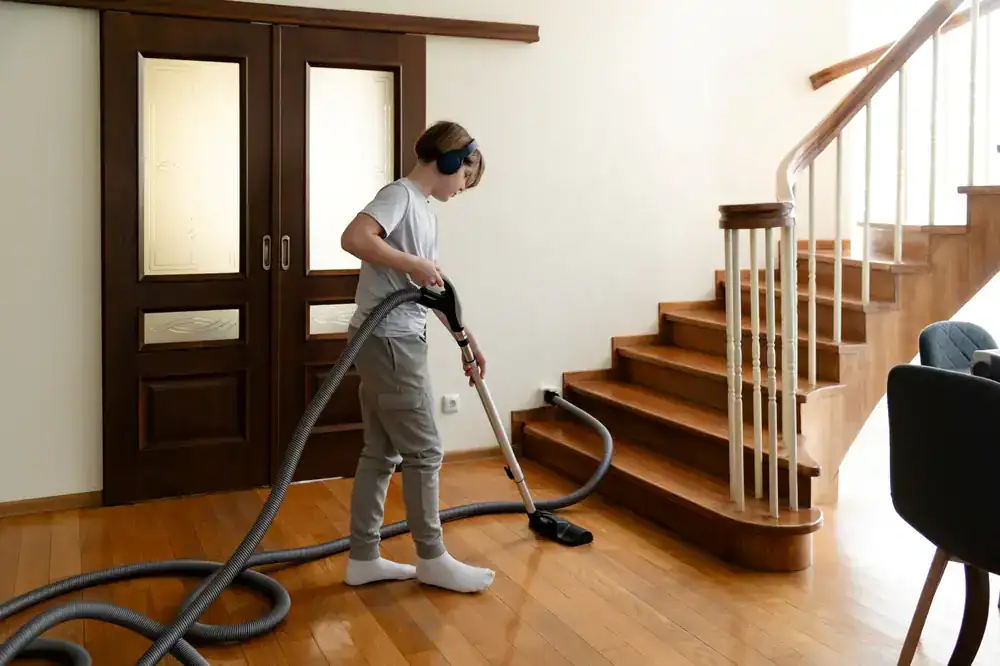
Understanding Key Specifications
When comparing central vacuum models, specific numbers can help you make an informed decision.
| Feature | Description | Importance for Hardwood Floors |
|---|---|---|
| **Water Lift** | Measures the vacuum’s ability to lift a column of water (in inches). | Higher water lift means stronger suction, crucial for picking up heavier debris from hardwood surfaces. Aim for at least 100 inches. |
| **CFM (Airflow)** | Cubic Feet per Minute; measures how much air the vacuum moves. | Good airflow helps capture lighter debris like dust and pet hair. A balance with water lift is key; too much airflow with low suction can be less effective. Aim for 100+ CFM. |
| **Amperage/Watts** | Indicates the motor’s power consumption and output. | Higher wattage generally means more power, but water lift and CFM are more direct indicators of cleaning performance. |
| **Filtration Type** | HEPA, multi-stage, cyclonic separation. | Essential for trapping fine dust and allergens. HEPA filtration is ideal for maintaining excellent indoor air quality, especially important when dust can easily become airborne on hard floors. |
| **Noise Level** | Measured in decibels (dB). | Central vacuums are quieter than uprights, but lower dB ratings mean a more peaceful home environment. |
Maintenance Tips For Your Central Vacuum
Proper maintenance ensures your central vacuum continues to perform optimally on your hardwood floors for years to come.
Emptying The Canister
Most central vacuum units have a collection canister that needs to be emptied periodically. The frequency depends on usage and the size of the canister. For homes with pets or heavy traffic, you might need to empty it more often.
Pro Tip: Regularly check the canister level. Letting it get too full can reduce suction power and potentially damage the motor.
Cleaning Or Replacing Filters
If your central vacuum uses disposable bags or filters, replace them according to the manufacturer’s recommendations. If your unit has a washable filter, clean it regularly to maintain optimal airflow and filtration. A clogged filter is a primary cause of reduced suction.
Inspecting Hoses And Attachments
Periodically check the vacuum hose for any kinks, cracks, or blockages. Clean the attachments, especially the brushes on your bare floor tools, to remove any debris that might hinder their performance or scratch your floors.
Checking Inlet Valves
Ensure the inlet valves in your home are clear of obstructions. Sometimes, small items can get lodged in the valve, affecting the connection with the hose and reducing airflow.