

Choosing the best central vacuum for a large house involves more than just picking a powerful unit. You need to consider suction power, canister size, hose length, and filtration systems to ensure efficient cleaning across extensive living spaces. A central vacuum system offers significant advantages over portable vacuums, especially in larger homes, by providing deeper cleaning and better air quality.
Understanding Central Vacuum Systems For Large Homes
A central vacuum system is a built-in cleaning appliance that consists of a main power unit, typically installed in a garage, basement, or utility room, and a network of pipes running through the walls. These pipes connect to inlets located in various rooms, allowing you to plug in a long hose and cleaning attachments. This design separates the motor and dust collection from the living area, significantly reducing noise and improving indoor air quality by venting dust and allergens outside.
For large homes, the benefits are amplified. You avoid the hassle of moving heavy, portable vacuums up and down stairs or across long distances. The extended hose length and the system’s robust power mean you can clean entire floors or multiple rooms without needing to find a new power outlet.
This makes the chore of vacuuming far less daunting and more effective.
Key Features To Consider
When selecting a central vacuum for a large house, several features are crucial for optimal performance and convenience.
Suction Power (air Watts)
Air Watts (AW) is the standard measurement for vacuum cleaner suction power. It accounts for both airflow and suction pressure. For large homes, you’ll want a unit with higher Air Watts to effectively clean carpets, upholstery, and hard floors over long distances.
- Recommended for Large Homes: Aim for a unit with at least 600 Air Watts, with many high-performance models exceeding 700 AW. The more powerful the unit, the better it will handle the demands of extensive cleaning.
- Why it Matters: Higher AW ensures that dirt, dust, and debris are effectively lifted from deep within carpets and from large floor areas, even with a long hose attached.
Dust Canister Capacity
Large homes mean more cleaning, which translates to more dust and debris collected. A larger dust canister capacity reduces the frequency of emptying, saving you time and effort.
- Ideal Size: Look for canisters that can hold at least 4 gallons (around 15 liters). Some premium models offer even larger capacities, up to 10 gallons or more.
- Bagged vs. Bagless: Bagless systems are generally more eco-friendly and cost-effective as you don’t need to buy replacement bags. However, emptying a bagless canister can release dust into the air, which might be a concern for allergy sufferers. Bagged systems offer a more contained dust disposal but require ongoing purchases of specific bags.
Hose Length And Features
The hose is your primary tool for reaching every corner. For large houses, a long, flexible hose is essential.
- Standard Lengths: Hoses typically range from 30 to 50 feet. For a large house, a 30-foot hose is usually the minimum, but a 35 or 40-foot hose provides more flexibility.
- Hose Types:
- Standard Electric Hose: Comes with a powerhead for carpet cleaning.
- Air-Driven Hose: Uses the vacuum’s airflow to power a brush in the cleaning head, suitable for low to medium pile carpets.
- Direct-Connect Hose: Plugs directly into an inlet with a built-in electrical connection to power the head.
Filtration System
A good filtration system is vital for maintaining indoor air quality, especially in larger homes where more dust can accumulate.
- HEPA Filtration: High-Efficiency Particulate Air (HEPA) filters capture 99.97% of particles as small as 0.3 microns. This is crucial for reducing allergens and improving the air you breathe.
- Venting: Most central vacuum systems are designed to vent 100% of the dust and allergens outside the home, which is a significant advantage over portable vacuums that recirculate fine particles.
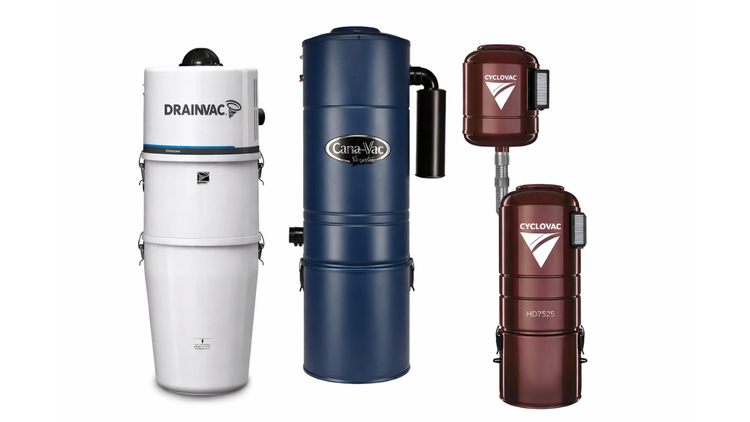
Top Central Vacuum Brands And Models For Large Homes
Several brands consistently offer high-quality central vacuum systems suitable for larger residences. While specific models change, focusing on the brand’s reputation and the features mentioned above will guide your choice.
Here are a few reputable brands known for their robust performance:
- Beam: A well-established brand, Beam offers a range of powerful units. Their Serenity series is often recommended for larger homes due to strong suction and large capacities.
- Nutone: Nutone provides durable and reliable central vacuum systems. They have models with high Air Watt ratings and large canisters designed for extensive use.
- VacuMAid: Known for their powerful motors and robust construction, VacuMAid units are built to handle demanding cleaning tasks in large spaces.
- Pro-Team: While often associated with commercial vacuums, Pro-Team also offers high-performance central vacuum systems that can be excellent for large residential properties needing professional-grade power.
Comparative Features
To illustrate the differences, consider these hypothetical specifications for units suitable for a large home:
| Feature | Beam (Example Model) | Nutone (Example Model) | VacuMAid (Example Model) |
|---|---|---|---|
| **Air Watts** | 750 AW | 700 AW | 725 AW |
| **Canister Size** | 6 Gallons | 5 Gallons | 7 Gallons |
| **Filtration** | HEPA | Multi-stage cyclonic | HEPA |
| **Motor Type** | 2-Stage | 2-Stage | 2-Stage |
| **Warranty** | 10 Years | 7 Years | 10 Years |
*Pro Tip:* When comparing models, always check the warranty. A longer warranty often indicates a more durable and well-built unit, which is a good investment for a large home.
Installation Considerations
Installing a central vacuum system in a large house is a significant undertaking. While it can be a DIY project for those with extensive home renovation experience, professional installation is highly recommended to ensure the system is set up correctly and efficiently.
Pipe Network Design
The placement of pipes and inlets is critical for optimal performance. The system should be designed to minimize the distance the hose needs to travel and avoid sharp bends that can reduce suction.
- Inlet Placement: Ensure inlets are strategically placed in hallways, central areas of rooms, and near staircases to maximize reach.
- Pipe Material: Most systems use PVC piping. The diameter of the pipes should be appropriate for the system’s power to maintain airflow.
Power Unit Location
The main power unit should be located in an area that allows for easy venting to the outside and accessible emptying of the dust canister.
- Venting: Ensure the exhaust vent is positioned away from windows and air intakes to prevent dust from re-entering the home.
- Accessibility: Choose a location where you can comfortably access the canister for emptying and perform routine maintenance.

Maintenance For Longevity
Regular maintenance is key to keeping your central vacuum system running efficiently in a large home.
Emptying The Canister
- Frequency: For large homes, you might need to empty the canister every 1-3 months, depending on usage and the amount of debris collected.
- Method: If using a bagless system, carefully remove the canister and empty it outdoors to minimize dust exposure. For bagged systems, replace the bag when it’s about two-thirds full.
Cleaning Filters
- HEPA Filters: If your system has a HEPA filter, follow the manufacturer’s instructions for cleaning or replacement. This might involve vacuuming the filter or washing it periodically.
- Pre-motor Filters: Many systems have a pre-motor filter that should be checked and cleaned regularly to protect

