

A HEPA vacuum uses a high-efficiency filter to trap tiny dust, pollen, and allergens that regular vacuums can miss.
If you’ve ever wondered why one vacuum seems to clean “better” than another, the answer is often in the filter. A HEPA vacuum is built for cleaner air as much as cleaner floors, which is why it matters so much for allergy care, pet homes, and dust-prone spaces. In my experience, once people understand how a HEPA vacuum works, they stop shopping by suction alone and start looking at filtration, sealed systems, and real air quality results.
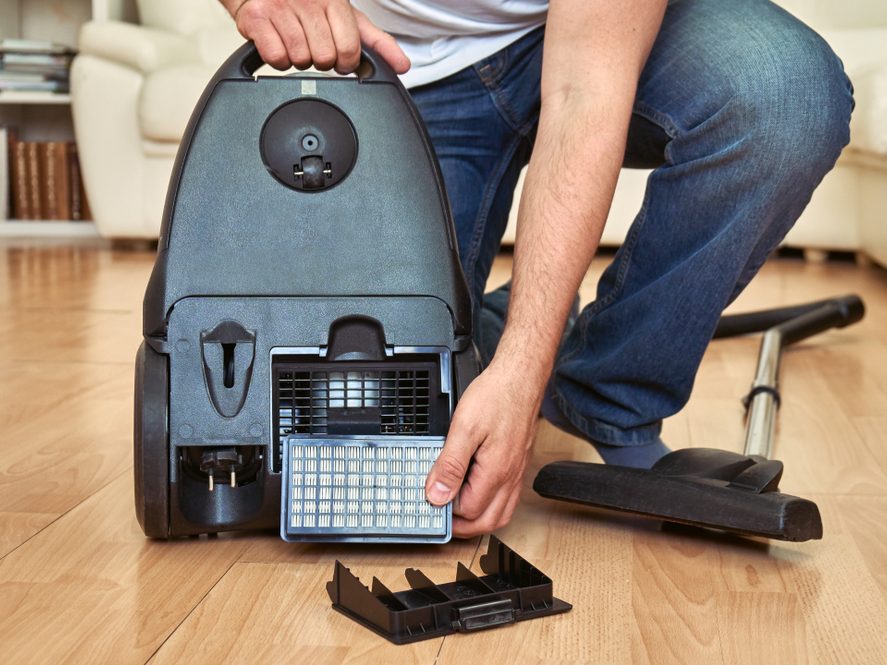
What Is a HEPA Vacuum?
A HEPA vacuum is a vacuum cleaner designed with a HEPA filter, which stands for High-Efficiency Particulate Air. This filter is made to capture very small particles, including dust, pet dander, pollen, mold spores, and other fine debris that can float back into the air. In simple terms, a HEPA vacuum helps clean both your surfaces and the air around them.
Not every vacuum with a filter is a true HEPA vacuum. For the label to really mean something, the machine usually needs a sealed system so dirty air cannot bypass the filter. That detail matters a lot, because even a strong vacuum can still leak tiny particles if the airflow is not properly controlled.
I’ve tested enough vacuums over the years to see this mistake often: people buy a unit labeled “HEPA,” then assume the whole machine is automatically airtight. It is not always that simple. The filter is important, but the overall design is what makes the real difference.
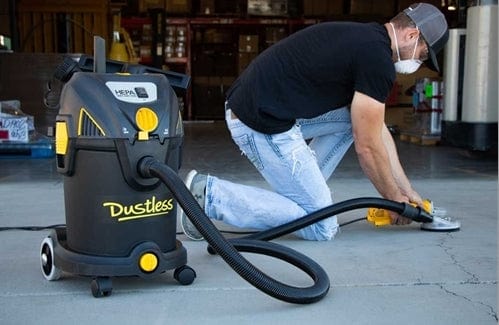
How a HEPA Vacuum Works
A HEPA vacuum pulls air, dust, and debris into the machine through suction. The air then passes through one or more filters, with the HEPA filter acting as the final barrier for very small particles. Cleaned air exits the vacuum, while the captured particles stay trapped inside.
HEPA filtration is especially helpful because tiny particles are often the ones that trigger allergies and irritation. Larger debris like crumbs and hair are easy to see, but microscopic particles are the real problem for many households. That is why a HEPA vacuum can feel like a better choice even when the floor looks the same after cleaning.
Here is the basic process:
- The vacuum head loosens dirt from carpets, rugs, or hard floors.
- Suction draws the dirt and air into the machine.
- Pre-filters catch larger dust and hair.
- The HEPA filter traps fine particles.
- Clean air leaves the vacuum.
This layered system is one reason HEPA vacuums are common in homes with pets, babies, asthma concerns, or heavy dust buildup.
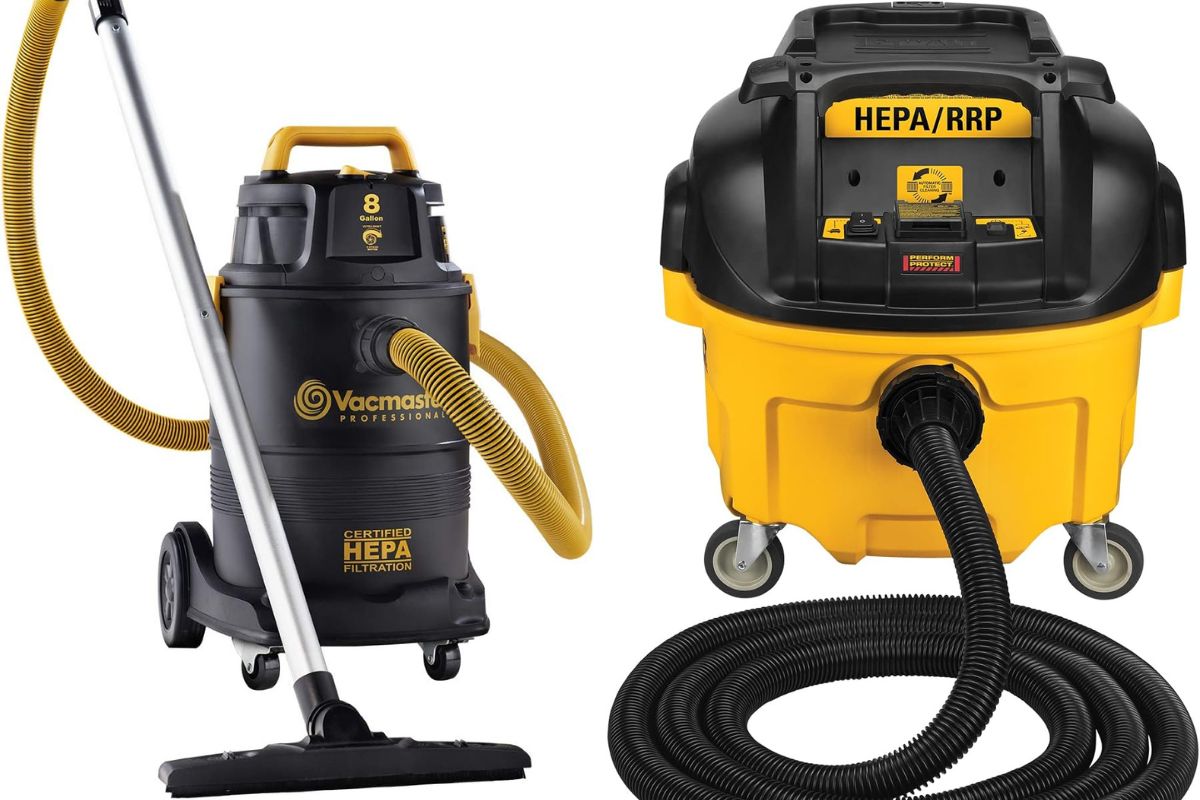
What Does HEPA Mean?
HEPA means High-Efficiency Particulate Air. In practical terms, a true HEPA filter is designed to capture extremely small airborne particles with very high efficiency. The standard is commonly associated with trapping 99.97% of particles as small as 0.3 microns.
That number is worth pausing on. A micron is tiny, far smaller than what the human eye can see. To put it in everyday language, HEPA filtration targets the kinds of particles that can linger in the air long after you finish vacuuming.
A useful example from real life: if you vacuum a dusty carpet with a basic unit, you may notice that “clean” smell, but you might also feel a little sneezing afterward. With a proper HEPA vacuum, that airborne dust tends to stay contained much better, especially if the vacuum is well sealed.
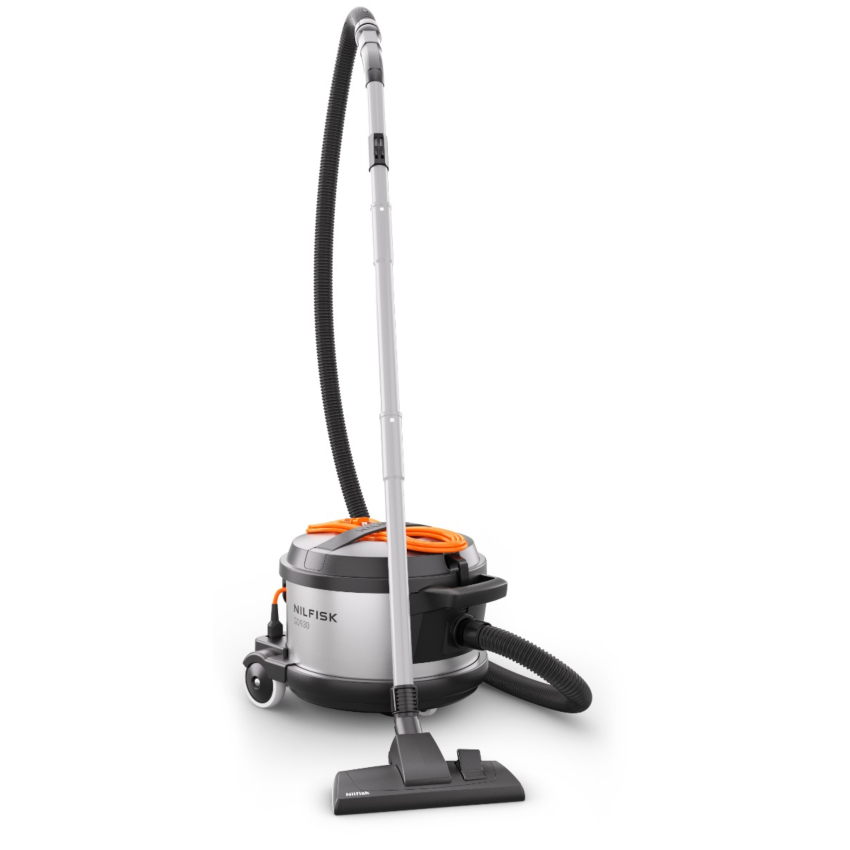
Why People Choose a HEPA Vacuum
People usually choose a HEPA vacuum for one main reason: cleaner indoor air. But there are several real-world benefits that make it popular in homes and workplaces.
Common reasons include:
- Allergy relief, because HEPA filters capture pollen, dust mites, and pet dander.
- Better asthma support, since fewer fine particles get released back into the room.
- Pet cleanup, because fur, dander, and litter dust are easier to control.
- Dust reduction, especially in older homes or places with heavy foot traffic.
- Cleaner post-vacuum air, which many people notice right away.
I have seen this matter most in homes with kids and pets. The floor may look spotless with a standard vacuum, but the difference in dust control after switching to a HEPA vacuum can be noticeable, especially for people who are sensitive to airborne particles.
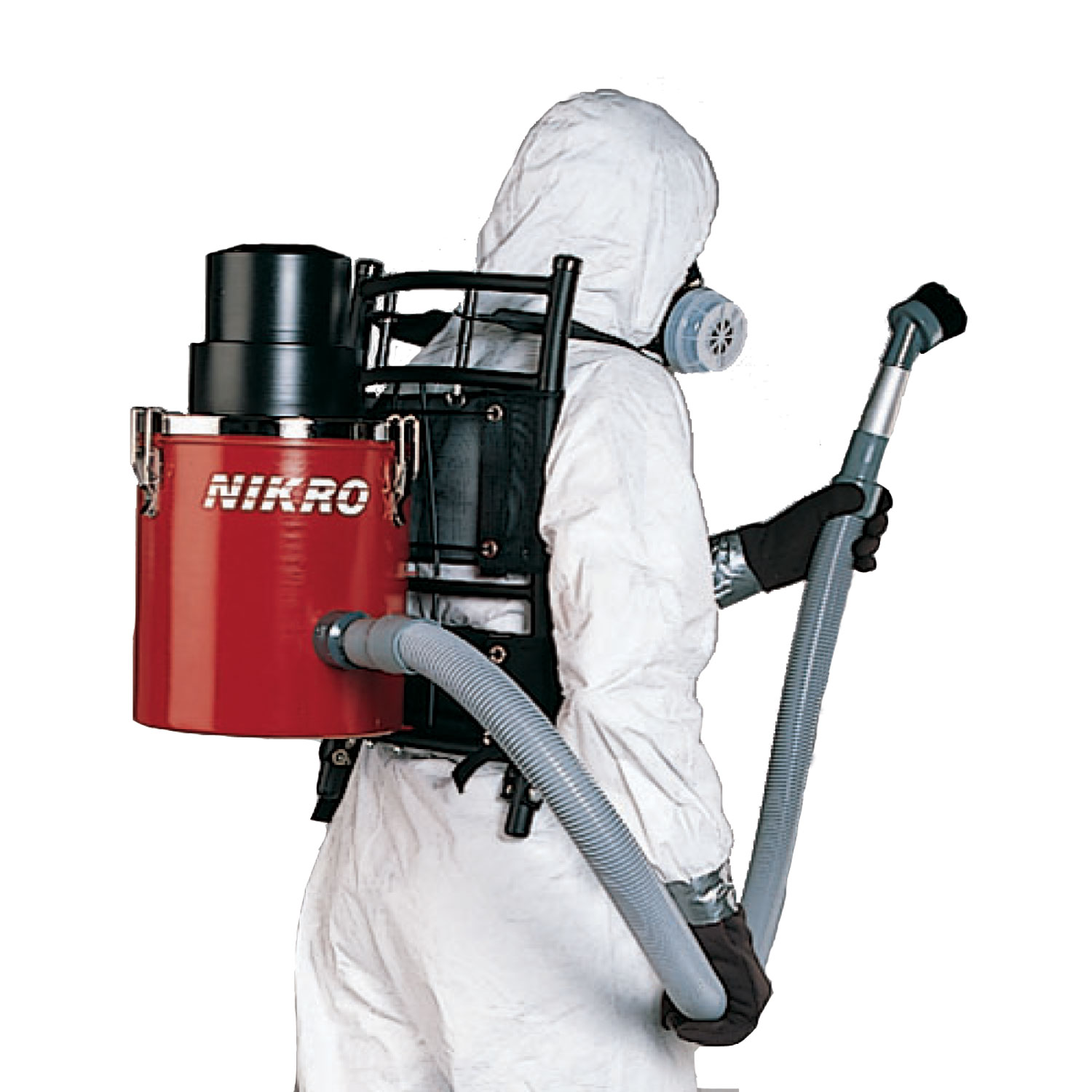
HEPA Vacuum vs Regular Vacuum
A regular vacuum is mainly built to remove dirt from floors and carpets. A HEPA vacuum does that too, but it adds much stronger filtration. The real difference is not just suction power, but how well the machine contains tiny particles.
Here is the simple comparison:
- Regular vacuum: good for everyday dirt, crumbs, and hair.
- HEPA vacuum: better for fine dust, allergens, and very small particles.
- Regular vacuum: may release more particles back into the room.
- HEPA vacuum: better at keeping captured particles inside the machine.
That does not mean every household needs a HEPA vacuum. If you only clean a garage or a low-traffic area, a basic vacuum may be enough. But if allergies, pet dander, or dust sensitivity are part of daily life, a HEPA vacuum often earns its place.
Is a HEPA Vacuum Good for Allergies?
Yes, a HEPA vacuum is often a smart choice for allergy-prone homes. It helps trap common triggers like pollen, mold spores, dust mites, and pet dander before they escape back into the air. For many people, that means less sneezing, less irritation, and a cleaner-feeling room.
That said, a HEPA vacuum is not magic. If the vacuum bag is full, the filter is dirty, or the machine leaks air, performance drops. From my experience, the best results come from a mix of habits: vacuuming regularly, replacing filters on time, and cleaning slowly enough to let the machine do its job.
Helpful tips for allergy control:
- Vacuum carpets and rugs at least once or twice a week.
- Empty or replace bags before they overfill.
- Wash or replace pre-filters as recommended.
- Use the vacuum on upholstery and curtains, not just floors.
- Keep windows closed on very windy, high-pollen days.
What to Look for in a Good HEPA Vacuum
Not all HEPA vacuums are equal. Some have true sealed filtration systems, while others use the term loosely in marketing. If you want better results, it helps to look beyond the label.
Key features to check:
- True HEPA filter, not just “HEPA-type” or “HEPA-like.”
- Sealed system, so air cannot leak around the filter.
- Strong suction, for pulling dust from carpet fibers and cracks.
- Good brush roll, especially for rugs and pet hair.
- Bagged or easy-to-maintain dust bin, depending on your preference.
- Washable or replaceable filters, to keep performance steady.
If I were choosing one for a client or my own home, I would pay close attention to how the vacuum handles airflow. A high-quality filter means little if the machine leaks dust at the seams.
HEPA Vacuum for Pets, Carpet, and Hardwood Floors
A HEPA vacuum can work well across many surfaces, but the best model depends on where you clean most often. For pet homes, it helps trap dander and fine hair that can spread through the house. For carpets, it can pull deep dust from the fibers. For hardwood, it can remove fine debris without blowing it back into the air.
Different surfaces need different strengths:
- Carpets and rugs: look for strong suction and a brush roll.
- Hardwood floors: choose a model with gentle floor settings or a soft roller.
- Pet homes: prioritize sealed HEPA filtration and strong edge cleaning.
- Stairs and upholstery: a lightweight design and attachments make life easier.
One mistake I often see is people buying a powerful carpet vacuum for hardwood floors without checking for scatter. The vacuum may clean well but still push dust around. A good HEPA vacuum should clean efficiently without making the room feel dustier.
Are HEPA Vacuums Worth It?
For many people, yes. A HEPA vacuum is worth it when air quality matters as much as floor cleaning. If you deal with allergies, asthma, pets, or visible dust buildup, the added filtration can be a meaningful upgrade.
Still, it is worth being honest about the tradeoffs. HEPA vacuums can cost more, need more maintenance, and sometimes weigh more than basic models. In my opinion, they are most worth it when you use them often and take care of the filters properly.
Consider a HEPA vacuum if:
- Someone in the home has allergies or asthma.
- You have pets that shed.
- Your home collects dust quickly.
- You want cleaner indoor air after vacuuming.
- You need a machine with better particle control.
If none of those apply, a standard vacuum may be enough for your needs.
How to Maintain a HEPA Vacuum
A HEPA vacuum only works well if it is maintained properly. The filter can clog over time, and when that happens, airflow drops. That can reduce suction and make the machine less effective.
Simple maintenance steps:
- Check the filter regularly.
- Replace the HEPA filter on schedule.
- Empty or change the dust bag before it gets too full.
- Clean the brush roll to remove hair and string.
- Wipe seals and bins so dust does not build up.
A lesson I learned early was to never wait until suction drops before checking the filter. By then, the vacuum has usually been underperforming for a while. A little routine care goes a long way.
Common Mistakes People Make with HEPA Vacuums
Even a good HEPA vacuum can disappoint if it is used the wrong way. Most problems come from simple mistakes, not bad products.
Common mistakes include:
- Assuming every vacuum with “HEPA” in the name is fully sealed.
- Forgetting to replace clogged filters.
- Using the wrong setting on thick carpet or delicate floors.
- Vacuuming too fast for the machine to pick up fine dust.
- Ignoring maintenance on the bag, bin, and brush roll.
The biggest one, in my experience, is speed. People race through cleaning and expect the machine to catch everything. Slow, steady passes often make a bigger difference than raw suction.
Frequently Asked Questions of What is a HEPA vacuum
What makes a vacuum a HEPA vacuum?
A HEPA vacuum uses a HEPA filter to trap very fine particles like dust, pollen, and pet dander. For best results, it should also have a sealed system so air cannot escape around the filter.
Is a HEPA vacuum better than a regular vacuum?
For allergy control and air quality, yes, it is usually better. A regular vacuum may clean floors well, but a HEPA vacuum does a better job of keeping tiny particles inside the machine.
Do HEPA vacuums help with pet hair?
Yes, especially when they also have strong suction and a good brush roll. The HEPA filter helps capture the fine dander and dust that often come with pet hair.
How often should I replace a HEPA filter?
It depends on the model and how often you vacuum. Many need replacement every 6 to 12 months, but you should always follow the manufacturer’s instructions.
Can a HEPA vacuum remove dust mites?
A HEPA vacuum can help reduce dust mite particles in carpets, bedding, and upholstery. It does not remove every allergen source, but it is a useful part of a larger allergy-cleaning routine.
Conclusion
A HEPA vacuum is more than just a cleaner floor tool. It is a smarter way to control fine dust, allergens, and other tiny particles that can affect comfort and indoor air quality. If you choose one with true HEPA filtration, a sealed system, and regular maintenance, you can get much better results than with a standard vacuum.
The bottom line is simple: if cleaner air matters to you, a HEPA vacuum is worth serious consideration. Take a close look at your home, your cleaning needs, and your allergies or pet concerns, then choose the model that fits your daily life. If this guide helped you, explore more home care tips, subscribe for updates, or leave a comment with your own experience.

