

What can a wet/dry vacuum pick up? That's the first question nearly every owner asks after unboxing one. The honest answer is: a whole lot of dry mess, most liquids, and the muddy stuff in between.
The practical answer is narrower. Filter type, tank capacity, and material safety decide what belongs in the drum.
In our research, manufacturer specifications indicate that a mainstream wet/dry vacuum moves roughly 50 to 150 CFM of air. That's enough to pull a gallon of water from carpet in seconds. As of 2026, even entry-level units include a float valve that prevents liquid from reaching the motor.
Understanding that valve, plus your filter, turns a shop vac into a dependable tool.
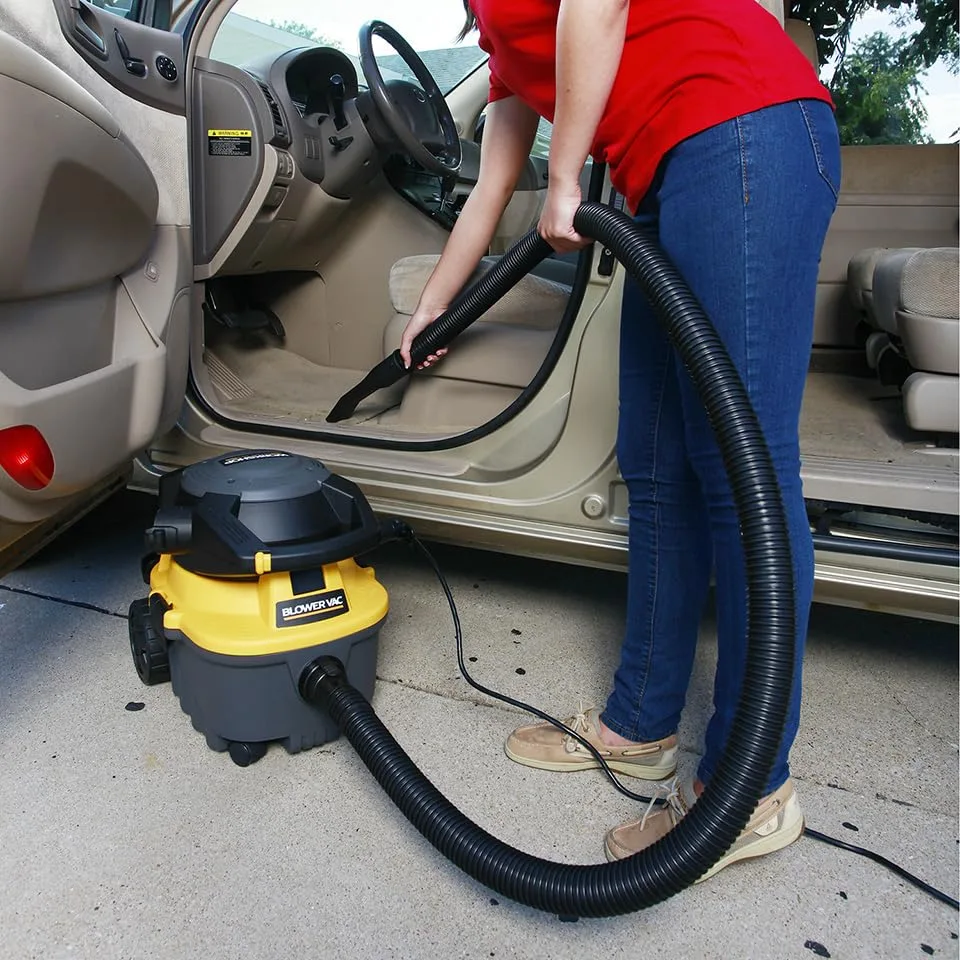
Image source: Bing (Web (fair-use with source credit))
Quick Answer
A wet/dry vacuum picks up dry debris, liquids, and mixed messes like mud and damp sawdust. It handles nails, screws, sand, leaves, spilled paint water, and light floodwater. Use a foam filter for wet pickup and a cartridge or HEPA filter for dry work.
Never vacuum flammable liquids, hot ash, or hazardous dust.
How a Wet/Dry Vacuum Works: Why Filter Choice and Float Valves Matter
Every wet/dry vacuum runs on the same core layout. A motor creates suction at the top of a drum tank. The hose pulls material into the tank.
A filter keeps fine particles from reaching the motor.
That filter is the first decision point. Most units ship with a cartridge filter for dry work and a foam sleeve for wet work. Using the wrong one creates a problem.
A cartridge filter catches dry dust but clogs in seconds on water. The foam sleeve lets liquids pass through while trapping solid debris.
The float valve is the second decision point. When liquid fills the tank, a floating stopper rises and blocks airflow. Suction stops once the tank is full.
That's your warning to empty the drum before water reaches the motor. On many units, you'll hear the motor pitch change right before it cuts off.
| Filter | Best for | When to switch |
|---|---|---|
| Cartridge filter | Dry dust, sawdust, dirt | Remove before any wet pickup |
| Foam sleeve | Water, mud, damp debris | Install before wet pickup |
| HEPA filter | Fine dust like drywall or concrete | Keep for dry dust only |
Here's the simple rule. Dry material means dry mode with the cartridge filter. Switching to a spill means pulling the cartridge, wiping the tank, and pressing the foam sleeve over the cage.
That swap takes about two minutes and prevents most of the damage people blame on the vacuum itself.
What happens if you use the wrong filter?
A wet cartridge turns into a soggy clog that kills suction. A dry foam sleeve lets fine dust pass straight to the motor, which shortens its life. Manufacturer manuals are clear on this.
Treat the filter swap as part of the job, not an optional step.
Dry Debris Decision: Dust, Dirt, Nails, Sawdust, and Workshop Waste
Dry messes are the easiest decisions a wet/dry vacuum faces. The machine is built for them. But some dry materials are easier on the filter than others.
- Nails, screws, staples, and small hardware. No special setup needed. Toss them in and dump them out when done. Avoid anything so large it blocks the hose.
- Sawdust and wood shavings. A cartridge filter handles this well. If you're filling a 16-gallon drum from a table saw, a disposable paper bag makes emptying easier. We've covered the common questions around this in our look at sawdust collection.
- Dirt, sand, and small gravel. Fine with a cartridge filter. Dump the tank outdoors. Keep the hose off abrasive edges.
- Drywall dust and concrete dust. This is where you stop and think. Fine drywall dust clogs a standard cartridge filter quickly. You'll want a HEPA filter, a paper bag, or a dedicated dust-extraction setup.
- Leaves and grass clippings. Safe as long as they're fully dry. Wet clippings go in the mixed-mess category below.
The decision rule is simple. Coarse dry material runs right through. Fine dust that hangs in the air gets treated as hazardous.
Per the OSHA silica standard, vacuuming concrete dust with a standard shop vac can push you over legal exposure limits. You need a HEPA-filtered vacuum or a unit labeled for silica work. That's a compliance issue, not a suggestion.
The powder test
Kick the pile. If dust lingers in the air after your foot passes, treat it like fine dust. That means HEPA, no standard cartridge, and no open tank.
Wet Mess Decision: Spills, Appliance Overflows, and Water Cleanup
Most water-based liquids are fair game. That includes plain water, soapy water, spilled coffee, and overflow from a dishwasher or washing machine. The key word is "water-based." Flammable liquids like gasoline or paint thinner should never enter the tank.
If you're dealing with a puddle, install the foam sleeve and grab a squeegee nozzle. This nozzle pushes the liquid ahead of the suction, so you're not dragging a dry hose across the floor. It speeds up cleanup, especially on hard surfaces.
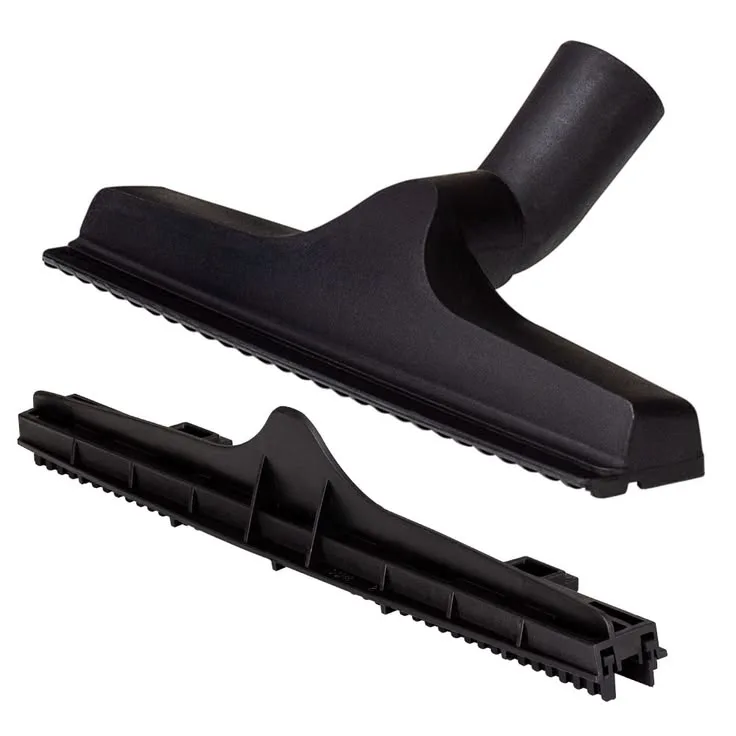
Image source: Web (Bing) / pinterest.com (Web image (fair-use with source credit))
For larger spills, the float valve becomes your friend. It shuts off airflow when the tank is full. You get a short warning before the motor struggles.
Empty through the drain port when you can. Lifting a 10-gallon tank full of water is awkward and a great way to throw out your back.
| Liquid type | Safe? | Notes |
|---|---|---|
| Clear water | Yes | Use foam sleeve, empty before float valve trips |
| Soapy water | Yes | Rinse tank and foam thoroughly after |
| Spilled coffee or soda | Yes | Rinse soon or the residue will smell |
| Latex paint spills | Yes | Clean immediately, latex dries fast |
| Gasoline or solvent | No | Vapors can ignite from motor sparks |
| Sewage-contaminated water | No | Needs professional cleanup and full PPE |
One caveat on floodwater. If the water came from a clean source like a burst pipe, a wet/dry vacuum works well. If it may contain sewage, bacteria, or chemicals, stop.
That's a health risk, not a home cleanup job.
The same logic applies outdoors. A wet/dry vacuum can pull standing water off a pool cover. But if your task is cleaning a swimming pool, use the right tool.
A robotic pool vacuum does the job while you do something else.
The Mixed-Bag Problem: Damp Sawdust, Mud, and Sticky Residue
Mixed messes break the rules, so they need more thought. Dry sawdust is a cartridge filter job. Water is a foam sleeve job.
Damp sawdust is both at once, and picking the wrong mode destroys a filter.
The quickest way to decide: if you can pour it, use wet mode. If you can wring it out, use wet mode. If it feels dry to the touch, use dry mode.
Mud is the classic headache. A foam sleeve handles the wet part, but mud clogs hoses and settles in the tank. Flush the system after each use.
Run clean water through the hose, suction a small puddle, then empty and rinse the tank.
Sticky residue needs immediate attention. Spilled syrup, juice, or wet glue dries into a mess that's nearly impossible to scrape off. Pick it up, then rinse the tank with hot soapy water right away.
| Scenario | Setup | After pickup |
|---|---|---|
| Damp sawdust pellets | Foam sleeve, wet mode | Empty, dry tank, switch filter |
| Thick mud | Foam sleeve, large nozzle | Flush hose and tank with clean water |
| Syrup or soda | Foam sleeve, wet mode | Wash tank with soapy hot water |
| Wet leaves | Foam sleeve, wide nozzle | Rinse leaves from nozzle and hose |
Gutter gunk is another surprise. Wet leaves, silt, and roof grit make a slurry that a wet/dry vacuum handles well. The nozzle will clog on big leaves every few seconds, so keep a stick nearby.
For an actual leaf-covered pool, use a vacuum built for heavy leaves.
The final mixed-mess rule is about attitude. When in doubt, empty earlier than you think you need to. A partially filled tank gives you room to recover.
A full one gives you a wet filter and a much longer afternoon.
Fine Dust and Dangerous Dust: When You Need a HEPA Filter
Fine dust is the one category that overworks a standard wet/dry vacuum. Drywall powder, concrete dust, and soot particles are small enough to pass right through a cartridge filter and into the motor. Your machine keeps running, but you're slowly grinding it to death.
The real danger is airborne exposure. Per OSHA, breathing crystalline silica dust can cause silicosis and lung disease. A shop vac without a HEPA filter recirculates that hazard into the air you breathe.
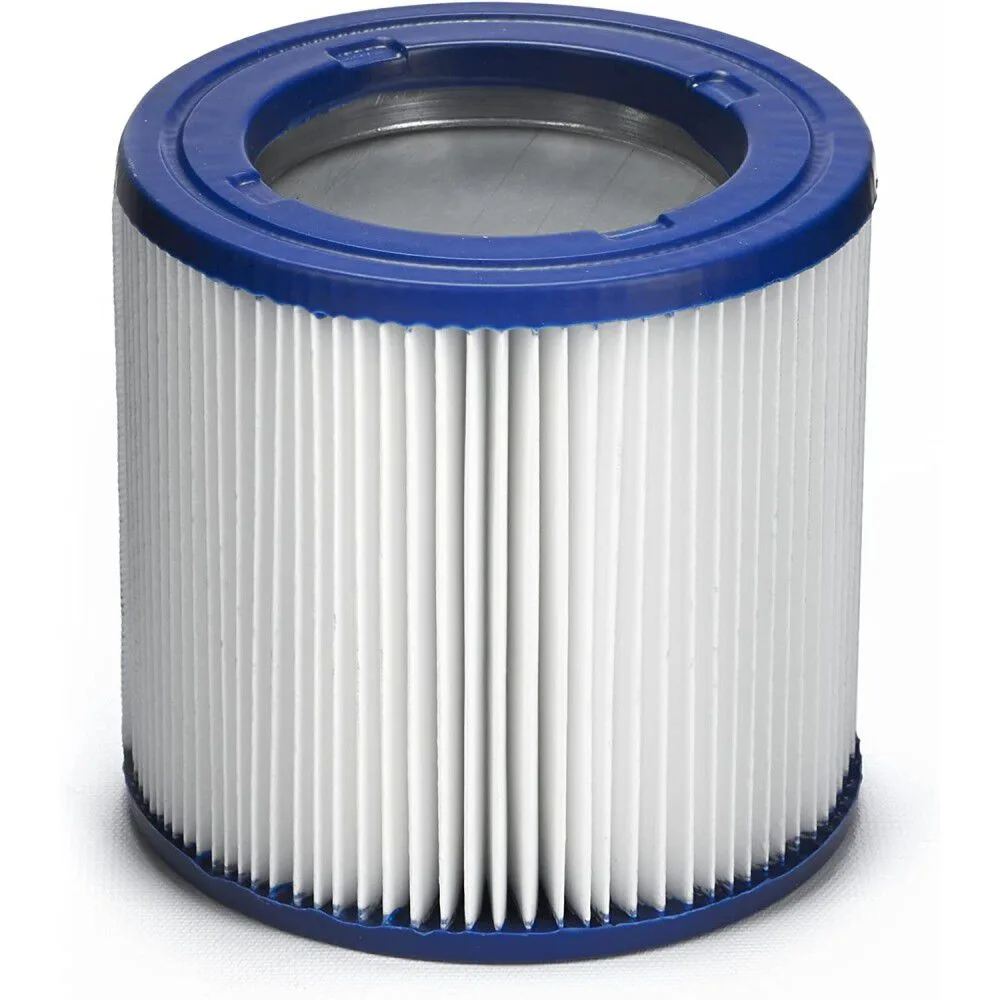
Image source: Web (Bing) / acmetools.com (Web image (fair-use with source credit))
If you're cutting drywall or grinding concrete, follow this logic. Use a HEPA filter rated for 0.3 microns at 99.97% efficiency. Add a disposable paper bag inside the tank for easier emptying.
Vacuum slowly so dust doesn't swirl out of the hose connection.
| Material | Minimum setup | Notes |
|---|---|---|
| Drywall dust | HEPA filter + paper bag | Change bag before it fills completely |
| Concrete / masonry dust | HEPA filter, dust-extraction rated | OSHA silica may apply |
| Soot and ash (cold) | HEPA filter | Fine particles clog standard filters fast |
| General household dust | Cartridge filter | Acceptable for most home use |
The same logic applies to workshop sawdust. A standard cartridge handles coarse shavings fine. The fine dust that settles on shelves after a big cut day needs a HEPA upgrade or an outdoor cleanup.
We've covered this in our deep dive on sawdust pickup.
The Never List: Flammable Liquids, Hot Ash, and Hazardous Materials
Some materials should never touch the inside of a wet/dry vacuum. The list isn't long, but every item can damage the machine or hurt you.
Flammable liquids. Gasoline, paint thinner, acetone, alcohol, and lighter fluid top the list. Motor sparks can ignite vapors inside the drum. Even residue is enough to create a flash.
Hot ash and embers. A smoldering coal can melt the filter, burn a hole in the tank, or start a fire. Wait at least 24 hours after a fire or barbecue. Use a metal ash can designed for that job.
| Material | Why it's banned | Safe alternative |
|---|---|---|
| Gasoline, solvents | Vapor ignition from motor sparks | Absorbent pads, approved fuel caddy |
| Hot ash, embers | Fire hazard inside tank | Metal ash can with tight lid |
| Sewage / gray water | Bacteria and pathogens | Professional cleanup service |
| Asbestos dust | Severe respiratory hazard | Licensed abatement contractor |
| Reactive chemicals | Toxic fumes, corrosion | Hazardous waste disposal |
Sewage and contaminated water. Floodwater from a toilet backup carries bacteria and viruses. Vacuuming it splashes biohazard into your filter and your face. Professional crews use specialized extraction equipment and full PPE.
Asbestos. This one has zero gray area. If you're renovating a pre-1980s home and suspect vermiculite insulation, don't touch it with a shop vac. Vacuuming asbestos releases fibers into the air.
That's a job for a licensed abatement contractor.
The test is simple. If a material is flammable, reactive, or biologically hazardous, skip the vacuum. No horsepower or filter upgrade changes that.
Can It Handle Flood Water? What the Float Valve Actually Means
A float valve stops the motor from drowning, yet it's a warning system, not a pump. Once the float rises, you're done until you empty the tank.
For a small burst pipe or a leaking water heater, that's fine. A 10-gallon tank fills, you drain it, and you go again. You might move 30 gallons an hour, which is plenty for a contained mess.
For a flooded basement with several inches of water, switch tools. A submersible pump moves hundreds of gallons per hour. A wet/dry vacuum moves tens.
Choosing the wrong tool turns a one-hour job into an all-day project.
| Water source | Vacuum appropriate? | Better tool |
|---|---|---|
| Burst pipe, clean water | Yes | Flexible hose pump for large volumes |
| Water heater leak | Yes | Same |
| Sump pump failure | Yes, if still clean | Submersible pump |
| Sewage backup | No | Professional extraction |
| Heavy storm flooding | No | Utility pump, professional service |
One flood concern is electricity. Running a wet/dry vacuum near standing water means a plugged-in appliance next to a conductor. Use a GFCI-protected outlet and check the power cord for cracks.
The National Electrical Code requires ground-fault protection for exactly this scenario.
The Decision Guide: What to Pick Up, What to Skip, What to Think Twice About
Here's the whole article condensed into one table. Bookmark it, because this is the part you'll reference.
| Material | Filter | Verdict | Notes |
|---|---|---|---|
| Nails, screws, hardware | Cartridge | Pick up | Dump before tank is heavy |
| Sawdust, wood shavings | Cartridge | Pick up | Paper bag makes emptying cleaner |
| Drywall dust | HEPA + bag | Think twice | Needs HEPA or dust extraction |
| Concrete / masonry dust | HEPA | Think twice | OSHA silica rules may apply |
| Dirt, sand, gravel | Cartridge | Pick up | Dump outdoors, keep hose off edges |
| Leaves, dry grass | Cartridge | Pick up | Ensure fully dry first |
| Water, soapy water | Foam sleeve | Pick up | Empty before float valve trips |
| Spilled coffee / soda | Foam sleeve | Pick up | Rinse tank after, residue smells |
| Mud, damp sawdust | Foam sleeve | Pick up | Flush system after |
| Wet paint (latex) | Foam sleeve | Think twice | Clean immediately, dries into cement |
| Gasoline, solvents | Never | Skip | Vapor ignition risk |
| Hot ash, embers | Never | Skip | Fire hazard |
| Sewage water | Never | Skip | Biohazard |
| Asbestos dust | Never | Skip | Requires abatement pro |
If you remember two lines, remember these. Dry, coarse material goes in with a cartridge filter. Water-based liquid goes in with a foam sleeve.
Everything else falls between those two rules.
Step-by-Step: Switching Between Wet and Dry Modes
Switching modes takes about two minutes. Doing it wrong ruins filters, motors, or both. Here's the sequence that works every time.
Switching from dry to wet mode
- Unplug the vacuum. Always start here.
- Remove the cartridge filter from the motor cage.
- Wipe any loose dry dust from the cage with a dry cloth.
- Press the foam sleeve over the same cage. Make sure it's fully seated.
- Swap the nozzle if your task needs it. A squeegee nozzle works best for water.
- Plug back in and vacuum the liquid.
Switching from wet to dry mode
- Unplug the vacuum.
- Remove the foam sleeve.
- Rinse the sleeve in clean water and squeeze it dry. Let it air dry completely.
- Wipe the inside of the tank and the cage.
- Reinstall the cartridge filter, or use a clean dry one.
- Run the vacuum for 10 seconds on bare floor to push any remaining moisture through the hose.
After any wet pickup
Empty the tank immediately. Standing water creates film, then mildew, then a musty smell that no new filter will fix. Rinse the tank with a hose or in a utility sink.
Add a few drops of dish soap if you picked up something sticky. Dry the tank with a towel or leave it open overnight.
| Maintenance step | Frequency | Time |
|---|---|---|
| Empty tank after wet use | Every use | 2 minutes |
| Rinse and dry foam sleeve | Every wet use | 5 minutes |
| Clean or replace cartridge filter | When clogged | 5 minutes |
| Inspect hose for blockages | Monthly | 2 minutes |
| Check float valve moves freely | Monthly | 1 minute |
This routine sounds basic because it is. Most wet/dry vacuum failures trace back to someone skipping these exact steps. Keep the tank clean, keep the filters swapped, and a good unit will run for decades.
Common Mistakes That Ruin Filters, Motors, and Your Next Mess
The biggest killer is a dry cartridge filter on a wet mess. The second is fine drywall dust without HEPA. The third is skipping the filter swap entirely.
Any of those three can destroy a motor or spread hazardous particles through your workspace.
Maintenance Checklist: Keep Your Wet/Dry Vac Ready for Anything
Empty and rinse after every wet pickup. Dry the foam sleeve fully. Check filters, hose, and float valve monthly.
Replace worn parts immediately. Ten minutes a month pays off for decades.
Final Verdict: What a Wet/Dry Vacuum Is Genuinely Best At
A wet/dry vacuum shines at workshop grit, water spills, and construction debris. It is not a flood pump or fine-dust collector without upgrades. Match the filter, respect the float valve, and stay off the never list.
For pool cleaning specifically, grab a pool-specific cleaner instead.
Frequently Asked Questions
Can a wet/dry vacuum pick up water?
Yes, install the foam sleeve and use a squeegee nozzle. Empty before the float valve trips. Never vacuum flammable liquids.
Can a wet/dry vacuum pick up sawdust?
Yes, use a cartridge filter. Add a paper bag for easier dumping. Fine dust requires a HEPA filter.
Can a wet/dry vacuum pick up a flooded basement?
Only small clean-water spills. For standing water, use a submersible pump. Contaminated water needs a professional.
Can a wet/dry vacuum pick up gasoline?
No. Vapors from gasoline or any solvent can ignite from motor sparks. Use absorbent pads instead.

