

Shop vacuum vs regular vacuum: which is better? If you've ever dragged a garage-sized vacuum up the stairs to clean a bedroom, you know the struggle. The answer depends on the mess, the surface, and whether water might be involved.
As of 2026, manufacturer specifications show most shop vacs push 50 to 150 CFM of airflow. Regular vacuums lean on sealed HEPA filtration for indoor air quality. That difference shapes everything from filter choice to how the machine moves through a house.
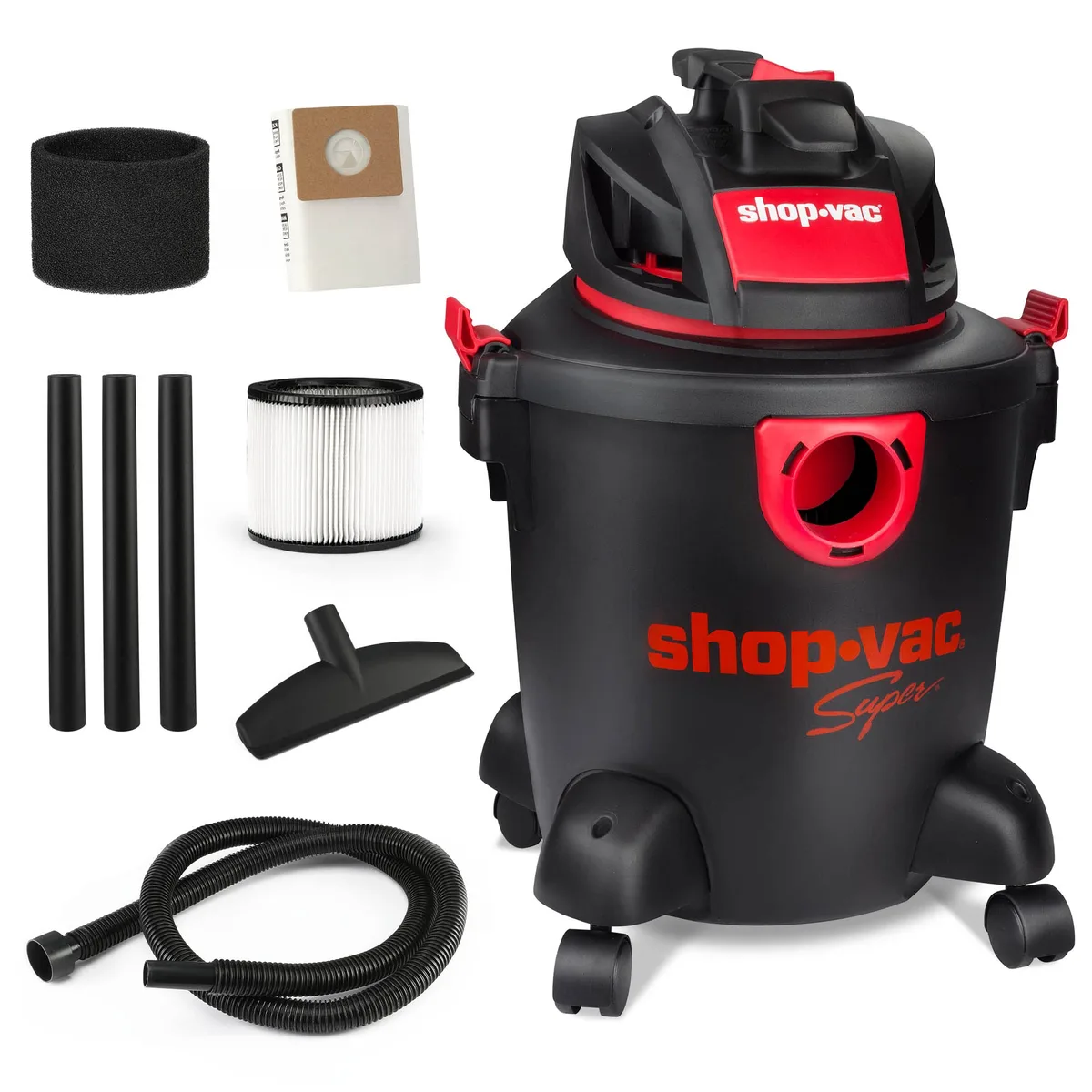
Image source: Web (Bing) / storage.googleapis.com (Web image (fair-use with source credit))
Quick Answer
Choose a shop vac for wet spills, workshops, cars, and heavy renovation dust. Choose a regular vacuum for daily cleaning of carpets and hard floors. If you only buy one, get a regular vacuum.
It's the more practical choice for most homes.
Why This Comparison Actually Matters
Most people buy one vacuum expecting it to handle everything. That's the trap. Regular vacuums are tuned for bare floors and carpets.
They use brush rolls and soft rollers that protect surfaces. Shop vacs are built for raw suction, wet spills, and debris that would wreck a household vacuum.
The real difference isn't just suction strength. Shop vacs win on raw airflow. Regular vacuums win on filtration and floor safety.
Vacuum up a pile of drywall dust with a regular machine, and the fine powder can clog the filter and shorten the motor's life.
This comparison matters because the wrong choice leaves your home dustier than before. It can also damage floors or ruin the vacuum. Start with where and how you clean.
The Shop Vac Breakdown: Raw Suction, Wet/Dry Versatility, and Durability
A shop vac, sometimes called a wet/dry vacuum, is a utility machine built for harsh conditions. Instead of a bag and brush roll, it uses a large drum, a hose, and a reusable filter. You wheel it to the mess and let raw suction do the work.
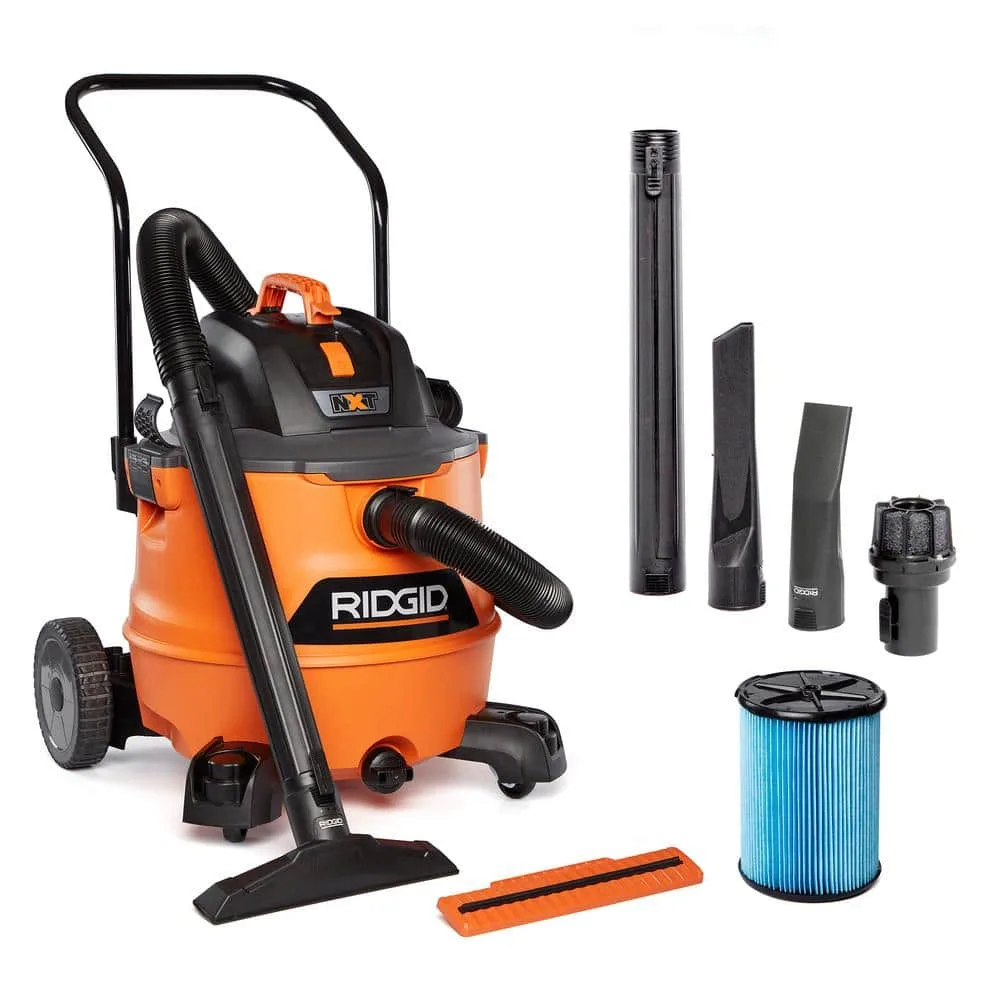
Image source: Web (Bing) / homedepot.com (Web image (fair-use with source credit))
Manufacturer specifications show that even budget-friendly shop vacs produce 50 to 100 CFM of airflow. Serious models go higher. They can pick up nails, sawdust, soaked towels, and even standing water if you swap in a foam sleeve filter.
In our research, a 5-gallon tank is the sweet spot for home use.
They aren't subtle tools. Aggregate reviews report that many basic shop vacs run at 75 to 85 decibels. That's louder than a standard household vacuum.
They also release fine dust back into the air unless you upgrade to a HEPA-grade cartridge filter.
| Feature | Typical Shop Vac |
|---|---|
| Tank size | 2.5 to 16 gallons |
| Airflow | 50 to 150+ CFM |
| Noise | 75 to 85 dB |
| Filter | Cartridge, foam, or HEPA |
| Wet pickup | Yes, with foam filter |
High airflow means heavy debris disappears quickly. Reusable filters keep ongoing costs low. The trade-offs are noise, bulk, and weaker everyday filtration.
The Regular Vacuum Breakdown: Filtration, Maneuverability, and Everyday Comfort
A regular vacuum is built for living spaces. Whether it's an upright, canister, or cordless stick, its job is to clean carpets and hard floors without damaging them. A motorized brush roll agitates carpet fibers, then pulls the loosened dirt into a bag or dust bin.
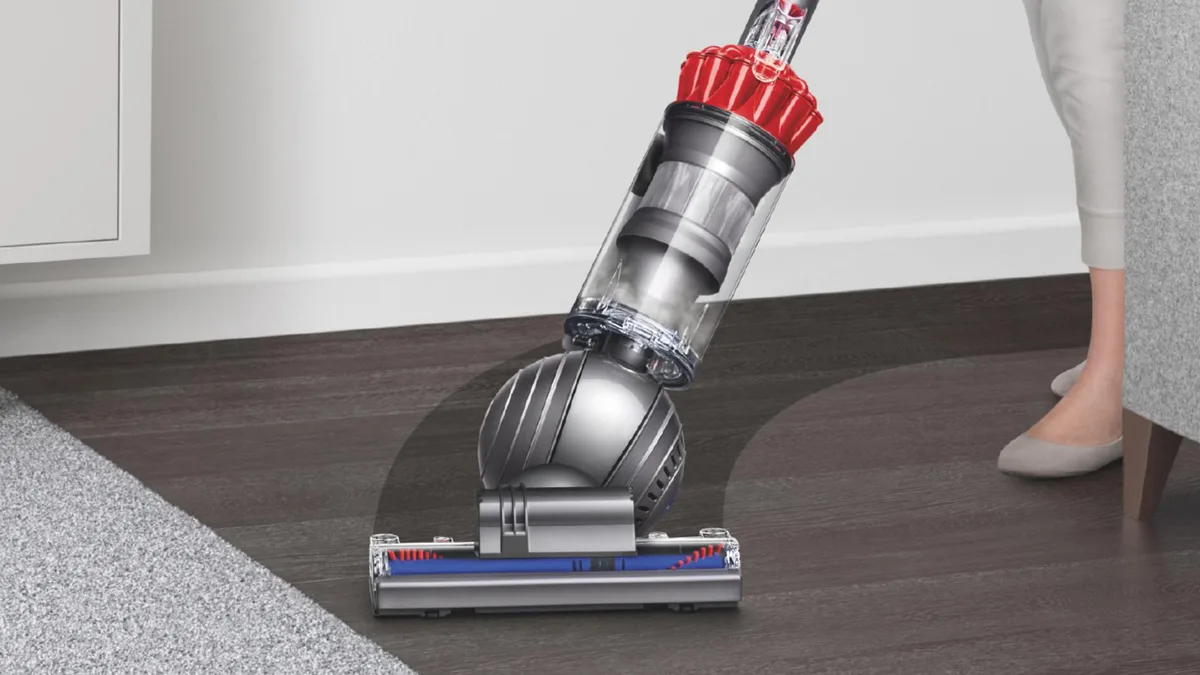
Image source: Bing (Web (fair-use with source credit))
The key is the sealed system. Many modern models, especially HEPA-rated ones, trap 99.97% of particles as small as 0.3 microns. That's why they're recommended for allergy-prone homes.
The Environmental Protection Agency (EPA) advises HEPA filtration for better indoor air quality.
Regular vacuums are also quieter and easier to manage. Most run between 60 and 75 decibels. They glide under furniture and along baseboards.
A typical upright weighs 15 to 20 pounds, far less than a filled shop vac tank.
They do have limits. They choke on construction dust, wet spills, and large debris. Run one over a puddle and you risk the motor.
That's why these two tools aren't direct rivals. They're specialized for different jobs.
| Feature | Typical Regular Vacuum |
|---|---|
| Types | Upright, canister, stick |
| Filtration | HEPA or sealed bag |
| Noise | 60 to 75 dB |
| Weight | 15 to 20 lbs |
| Wet pickup | No |
Shop Vac vs Regular Vacuum: Side-by-Side Comparison
Put them side by side and the differences are obvious.
| Factor | Shop Vac | Regular Vacuum |
|---|---|---|
| Best for | Wet/dry messes, workshops, cars | Carpets, hard floors, daily cleaning |
| Suction | High airflow | Controlled, surface-focused |
| Filtration | Coarse unless upgraded | HEPA sealed systems |
| Noise | 75-85 dB | 60-75 dB |
| Maneuverability | Bulky, wheels | Light, pivoting heads |
| Floor safety | Can scratch if not careful | Designed for floors |
| Wet pickup | Yes | No |
| Price | $30 to $150+ | $99 to $800+ |
| Maintenance | Rinse filters, empty tank | Change bags, clean brush roll |
Suction and Performance
Raw suction goes to the shop vac. Its motor moves more air, so it can pull a soaked rag out of a bucket. Regular vacuums focus on airflow through the carpet head.
That's a different kind of cleaning power, tuned for surface contact.
On hard floors, a good regular vacuum lifts dust and traps it in a sealed bin. A shop vac may scatter loose dust because its hose isn't designed for controlled airflow. In a workshop, that doesn't matter.
Raw power wins.
Filtration and Indoor Air Quality
If you care about fine dust, the regular vacuum wins on sealed filtration. HEPA systems capture nearly all particles. Shop vacs need HEPA upgrades to catch microscopic dust, and even then the seal is less reliable.
The Occupational Safety and Health Administration (OSHA) sets strict dust exposure limits on job sites. That's why many pros use HEPA-rated shop vacs for drywall and concrete cleanup.
Noise, Weight, and Handling
A shop vac is loud. Running one in a closed room can hit 85 decibels, which is uncomfortable for most people. Regular vacuums stay closer to 65 decibels, so you can hold a conversation while cleaning.
Weight matters too. A 10-gallon shop vac with a filled tank weighs more than 30 pounds. A typical upright is half that.
For stairs, regular vacuums are much easier to carry.
Floor Compatibility
Hardwood and carpet are regular vacuum territory. The brush roll works with carpet fibers to pull dirt to the surface. Soft roller settings protect hard floors.
A shop vac's hard plastic nozzle can scratch, and it drags on thick pile.
If you're cleaning a garage or a car, floor compatibility means nothing. The shop vac's suction wins. The moment you walk onto carpet, the regular vacuum is the better tool.
Cost, Bags, and Long-Term Maintenance
Shop vacs start low and use reusable filters. A decent 5-gallon model costs $40 to $60. Regular vacuums range from $99 for a basic bagged model to over $800 for a premium HEPA machine.
Long-term costs depend on consumables. Shop vacs need replacement cartridge filters every few months. Bagged vacuums need new bags every 1 to 3 months, plus an occasional brush roll.
If you have allergies, HEPA filters cost more but are worth it.
Best Use Cases for a Shop Vac
The shop vac shines in messy, tough environments. Renovating a basement, sawing wood, or cleaning the garage? It's the right tool.
It handles nails, screws, and drywall dust without choking. It also picks up standing water, which no regular vacuum should ever touch.
- Workshop and garage cleanups
- Post-renovation dust and debris
- Car interiors, including spilled coffee and sand
- Wet spills or minor flooding
- Outdoor debris like leaves and grass clippings
- Cleaning appliance coils or a dryer lint trap
If you're dealing with a choked hose, the wider hose on a shop vac clogs less often than narrow attachments. A 5-gallon model covers most home jobs well.
Best Use Cases for a Regular Vacuum
Regular vacuums are for the spaces you live in. They handle daily dust, pet hair, and crumbs across carpets, hardwood, and tile. The motorized brush roll protects carpet fibers while pulling out ground-in dirt.
These machines are also quiet enough for a home office or a baby's nap.
- Daily floor cleaning in living rooms and bedrooms
- Stairs and upholstery
- Pet hair on carpets and couches
- Allergen control with HEPA sealed filtration
- Hardwood floors with soft roller mode
- Tight spaces under furniture and along baseboards
If you have allergies, a HEPA-fitted regular vacuum outperforms a standard shop vac by a wide margin. Most shop vacs release fine particles back into the air unless you buy an upgraded filter.
Mistakes to Avoid When Choosing Between Them
The biggest mistake is buying a shop vac for regular home cleaning. You'll hate lugging it upstairs, and you'll cringe at the noise. The second mistake is using a regular vacuum for wet spills or fine construction dust.
That can damage the motor or ruin the filter permanently.
- Choosing a shop vac without a HEPA filter for indoor fine dust
- Using a regular vacuum on water or liquids
- Ignoring the noise level if you live with others
- Overlooking how heavy a filled shop vac gets
- Assuming one machine can do everything well
Filter management causes most failures. Drywall dust clogs a standard shop vac cartridge fast. A full bag or dirty filter kills suction on a regular vacuum just as quickly.
Real-World Scenarios: Garage, Car, Carpets, and Renovations
In a garage, you're dealing with oil stains, metal shavings, and leaves. A shop vac handles all of it with raw airflow. Many models also reverse into a blower to push debris out of corners.
That toughness is exactly what it's designed for.
For a car, the shop vac wins again. Spilled coffee, dog hair, and sand collect in the footwells. A 2-inch hose reaches under seats without clogging.
Regular vacuums struggle here because their narrow attachments plug up fast.
On carpets, the regular vacuum is better. Its brush roll lifts ground-in dirt deep in the pile. A shop vac only skims the surface.
On delicate berber, the hard nozzle can even scratch the fibers.
If you're dealing with a hose that keeps collapsing, check for a blockage first. Something stuck near the nozzle is usually the cause.
Not in the Budget for Both? How to Prioritize
If you can only afford one, start with a regular vacuum. It keeps your living space clean daily, and that protects your floors, which are a bigger investment. Most people vacuum their home far more than their garage.
If you do regular renovation or car work, a basic shop vac is a cheap add-on. Entry-level models start around $40. That's a small price for wet spills and construction debris.
You can always add a regular vacuum later.
A middle path works too. A cordless stick vacuum handles daily cleaning, and a small shop vac covers the messy jobs. That combo costs less than one premium upright and covers both cleaning zones.
Expert Tips for Getting the Most From What You Own
Whichever machine you pick, sticking to a maintenance routine keeps it alive. For a shop vac, empty the drum before it reaches the float. A full tank kills suction instantly and makes the filter work harder.
Clean the cartridge filter after heavy drywall or concrete dust. Most can be rinsed with water, but let them dry completely before the next use. For wet spills, always use a foam sleeve filter.
That keeps moisture away from the motor.
For a regular vacuum, the brush roll is the weak point. Hair and strings wrap around it and wear down the bearings. Check it every few weeks and snip away tangles with scissors.
When the bin looks cloudy, follow the same steps you'd use to clean a reusable filter properly.
Don't run either machine with a full bag or dust cup. Aggregate reviews show suction drops by 30% or more when the collection area is close to full. Empty the shop vac after every big job.
Replace the regular vacuum bag before it bulges.
Final Verdict: Which One Should You Buy?
Buy a shop vac if your messes are wet, heavy, or covered in sawdust. Buy a regular vacuum if you're cleaning carpets, rugs, and everyday living spaces. For most households, the regular vacuum is the primary tool and the shop vac is a workshop sidekick.
If you can afford both, that's the honest answer. A basic 5-gallon shop vac costs around $40. A solid mid-range upright runs $150 to $300.
Together, they cover every cleaning scenario without compromise.
If you must choose one, pick the regular vacuum. Daily floor cleaning protects your home and your air quality. You can save up for a shop vac later.
You'll appreciate it even more when the next renovation arrives.
Frequently Asked Questions
Can a shop vac ruin carpets?
Yes, if you use the bare hose or a hard nozzle. The plastic edge can mark delicate pile. If you must use a shop vac on carpet, attach a felt or rubber floor nozzle and keep the suction low.
Can a regular vacuum pick up water?
No. Water can damage the motor and create a shock hazard. Shop vacs handle liquids because they use a foam sleeve filter and a sealed drum.
Never attempt wet pickup with a standard household vacuum.
Do shop vacs have HEPA filters?
Most do not come with HEPA filters as standard. Many brands offer a HEPA cartridge upgrade separately. If you're vacuuming drywall dust or allergens, buy that upgrade.
It's worth the cost for peace of mind.
Which is better for pet hair?
A regular vacuum with a rubber brush roll or a turbo pet head. It agitates hair out of carpet fibers and keeps it trapped in the dust bin. A shop vac pulls surface hair but leaves the deep stuff behind.
How long should a vacuum last?
Regular vacuums typically last 5 to 8 years with care. Shop vacs often last longer because they run less frequently. Aggregate user reports show 8 to 12 years for a quality wet/dry unit.
Replace filters and bags on schedule to reach those longevity expectations.

