

Yes — used incorrectly, a leaf blower can damage grass by lifting, tearing, and drying turf quickly.
I’ve spent years caring for lawns, testing tools, and talking to turf pros. This article explains whether can a leaf blower damage grass?, how and why that happens, and what you can do to avoid harm. Read on for clear steps, real-world tips from my experience, and practical guidance to protect your lawn while keeping it tidy.
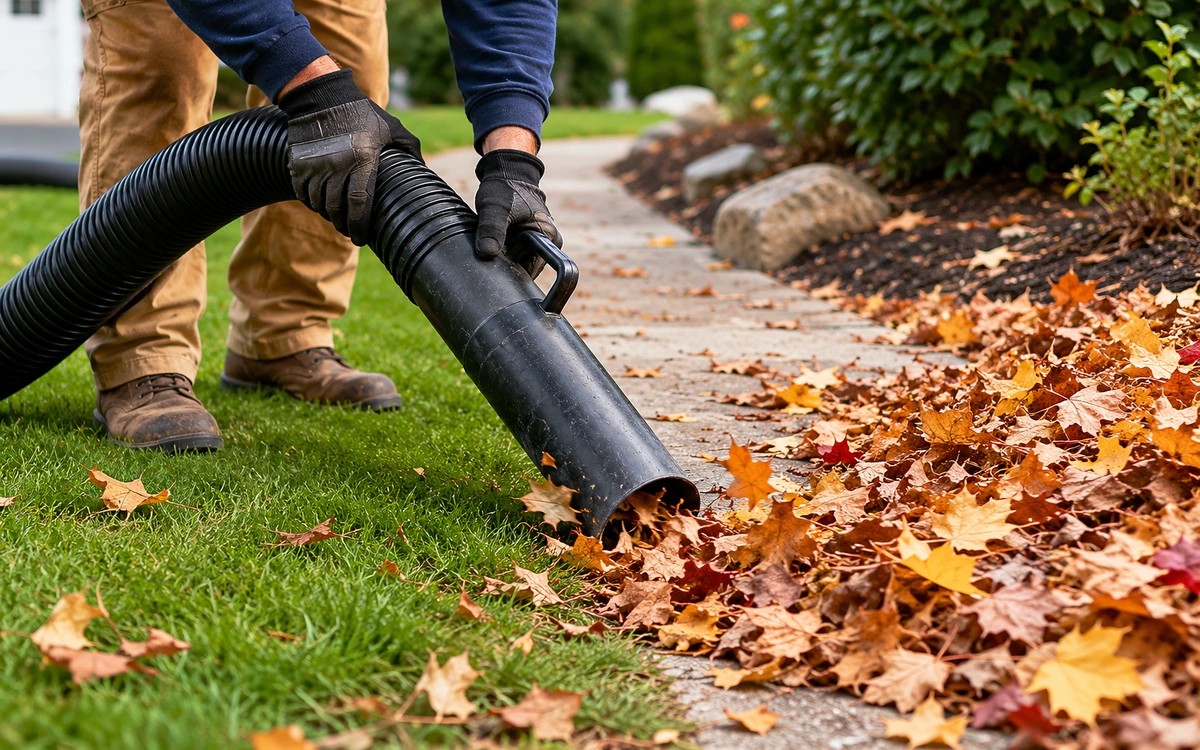
How leaf blowers work
Leaf blowers move air at high speed to move debris. They come in backpack, handheld, and walk-behind styles. Some are gas-powered and very powerful. Others are electric and gentler on the yard.

Can a leaf blower damage grass? A closer look
Can a leaf blower damage grass? Yes, under certain conditions a leaf blower can harm turf. High airspeed can lift grass blades, tear them, or blow away loose topsoil. Repeated exposure can stress grass, especially thin or stressed turf.
Can a leaf blower damage grass? The risk is higher when the turf is wet, newly seeded, or shallow-rooted. When soil is soft or mulch is thin, powerful airflow can remove the thin layer of soil that holds roots in place. This interrupts growth and leaves gaps for weeds.
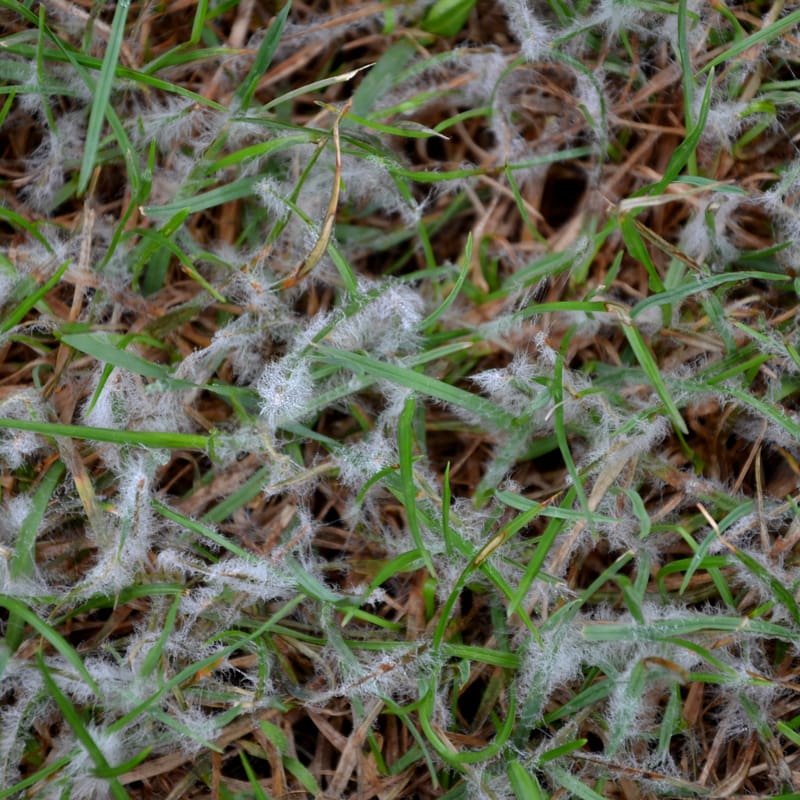
Can a leaf blower damage grass? It can also dry out grass and soil by increasing evaporation. Over time, repeated strong blowing in one spot can cause browning or thinning. The effects are usually gradual and avoidable with the right technique.

Factors that determine damage risk
Can a leaf blower damage grass? The answer depends on several factors. Know these to reduce problems.
- Airspeed and power
High airspeed equals more force on blades and soil. Gas blowers often produce the most force. - Distance and angle
Holding the nozzle close to the turf concentrates force. Angling the nozzle upward reduces ground impact. - Turf health and type
New seed, thin lawns, and certain thin-blade grasses are more vulnerable. Established, dense lawns tolerate more. - Soil moisture and condition
Wet soil can be compacted or ripped; dry soil can be blown away. Both extremes increase risk. - Frequency of use
Occasional use is far less risky than daily heavy sweeping.
Types of leaf blowers and relative risks
Can a leaf blower damage grass? The type matters.
- Gas-powered blowers
Most powerful. They can easily damage turf if misused. - Corded electric blowers
Moderate power. Safer for frequent use on lawns. - Battery-powered blowers
Variable power. Many models balance performance and lower risk.
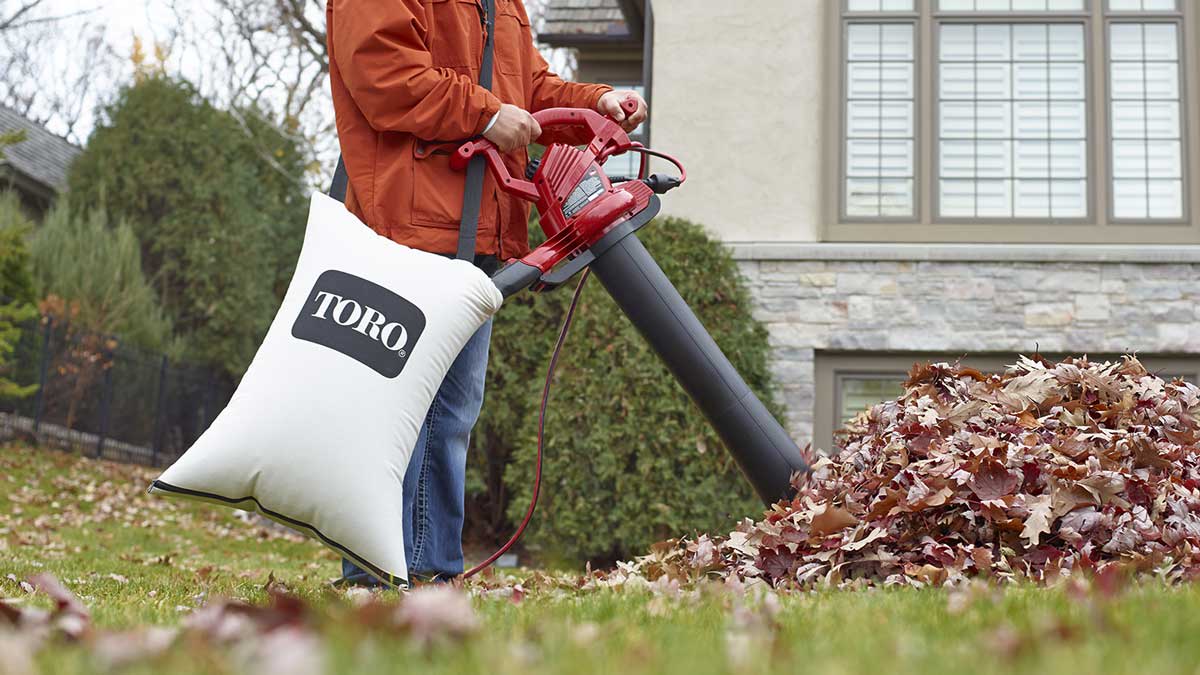
Choose the right tool for the job. For light leaf clearing on a lawn, a low- or mid-power electric blower is often best.
How to use a leaf blower safely (step-by-step)
Can a leaf blower damage grass? You can avoid damage by using the blower correctly. Follow these steps.
- Start with a low power setting. Test on a small area first.
- Hold the nozzle 12–24 inches above the grass. Keep it angled slightly upward.
- Use sweeping, gentle motions. Do not hold the nozzle in one spot.
- Blow across, not directly into roots. Move debris toward piles or hard surfaces.
- Avoid using blowers on newly seeded or aerated lawns for at least 6–8 weeks.
- Time your work for cooler, less windy parts of the day to reduce drying.
Common concerns:
Will blowing leaves harm new grass?
Yes. Can a leaf blower damage grass? New seed and seedlings have shallow roots. Use a rake or low-power blower instead.
How close is too close?
Holding the nozzle within a few inches of turf concentrates force. Avoid getting closer than 12 inches for most jobs.
Is repeated use bad?
Frequent heavy use can stress grass. Rotate techniques and use gentler tools when possible.
Alternatives and complementary tools
Can a leaf blower damage grass? If you’re worried, consider alternatives.
- Manual rakes
Low risk and precise for delicate areas. - Push brooms
Good for hard surfaces and light leaf removal along edges. - Lawn sweepers
Collect leaves without high air pressure over turf. - Mowers with bagging attachments
Mow and collect leaves in one pass.
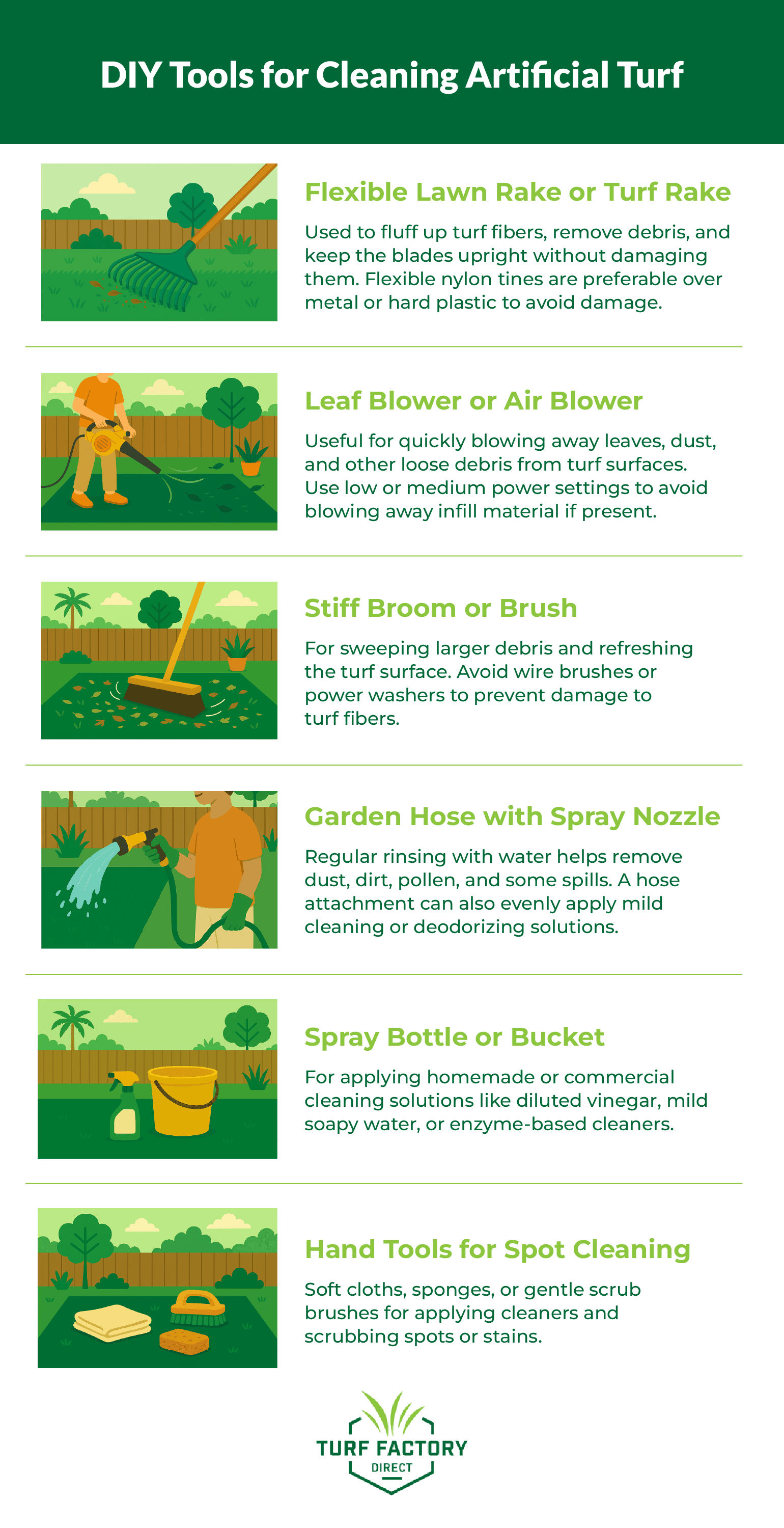
Mix tools. Use a blower to clear edges and hard surfaces, then a rake or sweeper for the lawn.
Personal experience, tips, and mistakes to avoid
Can a leaf blower damage grass? From my experience, yes — but often damage comes from simple mistakes I made early on.
I once used a powerful gas blower to clear wet leaves on a newly seeded area. I held the nozzle too close and left bald patches. Lesson learned: respect distance and seed age. Since then I use battery blowers or rakes on new lawns.
Practical tips I rely on:
- Always test on a small patch before tackling the whole yard.
- Adjust height and speed for different tasks.
- Use the blower to move leaves toward hard surfaces, not to congregate them on turf.
- Inspect your lawn after cleanup and reseed thin spots promptly.

Frequently Asked Questions of Can a leaf blower damage grass?
Can a leaf blower damage grass if used occasionally?
Occasional, careful use rarely causes permanent damage. Short, low-power passes are usually safe.
Will a high-powered leaf blower remove topsoil?
Yes. High-powered blowers can displace light topsoil or mulch, exposing roots and harming growth.
Is it safe to blow leaves from a wet lawn?
No. Wet soil is more vulnerable to tearing. Use a rake or wait until the lawn dries slightly.
Can blowing damage certain grass types more than others?
Yes. Thin-blade and newly established grasses are more sensitive than dense, mature turf.
How can I repair lawn damage caused by a blower?
Light damage can be fixed with overseeding, top-dressing with compost, and gentle watering until new roots form.
Conclusion
Leaf blowers are useful tools, but can a leaf blower damage grass? Yes — especially when power, distance, and turf condition aren’t considered. Use lower power, hold the nozzle higher, avoid new seed, and combine tools like rakes and sweepers to protect your lawn. Apply the steps above and check your yard after each use. Try one change this week—test a gentler approach on a small area—and see how your grass responds. If you found this helpful, comment with your experience, subscribe for more lawn care tips, or explore related guides to keep your lawn healthy.

