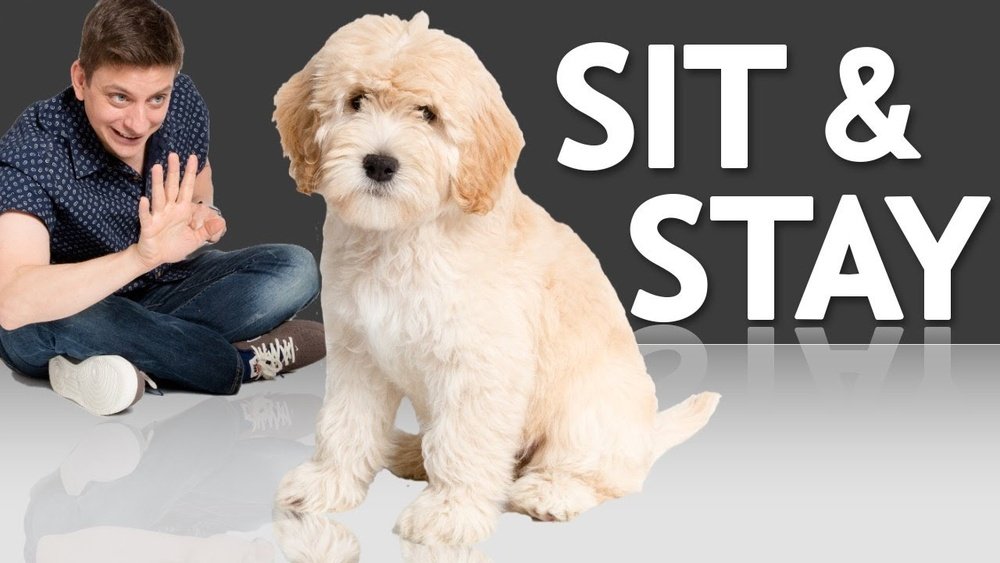
Training your dog to sit and stay is one of the most important skills you can teach. Imagine having a well-behaved dog that listens to you every time, making walks and playtime more enjoyable.
Whether you’re a first-time dog owner or looking to improve your pet’s manners, this simple command can make a big difference. You’ll discover easy, step-by-step tips to train your dog quickly and effectively. By the end, you’ll feel confident and proud of your dog’s new skills.
Ready to start? Let’s dive in!
Preparing For Training
Preparing for training is the first step to teaching your dog to sit and stay. It sets the stage for success. A calm and clear start helps your dog learn faster. You need the right place, tools, and goals. This section guides you through these basics.
Choosing The Right Environment
Pick a quiet spot with few distractions. A calm area helps your dog focus better. Avoid places with loud noises or many people. Start indoors if needed, then move outside slowly. A familiar place makes your dog feel safe.
Gathering Training Supplies
Have small treats ready to reward good behavior. Use soft, tasty snacks that your dog likes. Bring a leash to keep control if needed. A clicker can help mark the right actions. Keep everything close to avoid breaks during training.
Setting Realistic Goals
Start with simple steps like teaching “sit” first. Don’t expect your dog to stay for long at first. Increase the time slowly as your dog learns. Keep sessions short, about 5 to 10 minutes. This keeps your dog interested and avoids frustration.
Teaching The Sit Command
Teaching your dog to sit is a basic and important skill. It helps control your dog in many situations. The sit command is often the first step in training. It builds good habits and improves communication between you and your pet.
Training your dog to sit requires patience and consistency. Use simple steps to make it easy for your dog to learn. Positive reinforcement helps your dog understand what you want.
Using Treats To Encourage Sitting
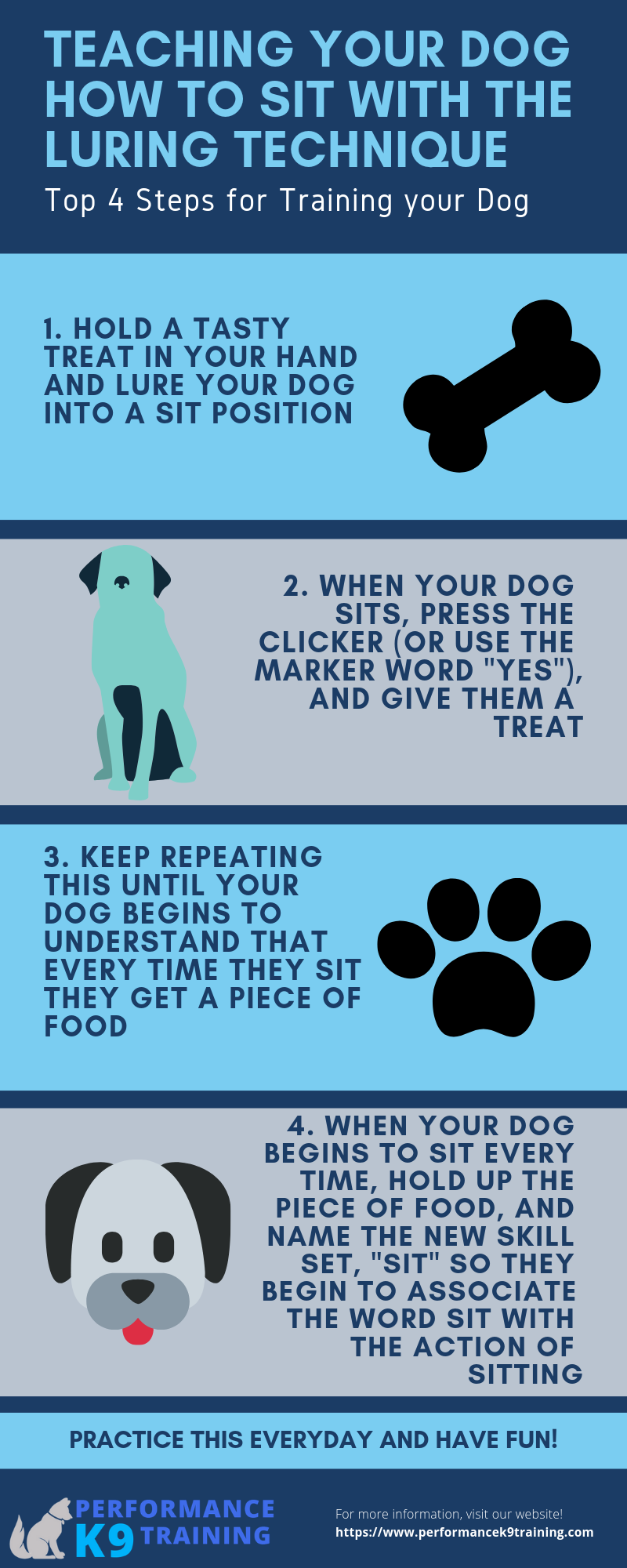
Hold a small treat close to your dog’s nose. Slowly move the treat above their head. This motion will cause your dog to lower their bottom. As soon as your dog sits, give them the treat. Praise your dog with a happy voice. Repeat this several times to help your dog link sitting with rewards.
Timing Your Verbal Cue
Say the word “sit” clearly just before your dog sits. Use a calm and firm tone. Avoid repeating the command too many times. Say “sit” once, then wait for your dog’s response. Timing helps your dog understand the word means to sit down. Practice this often to improve your dog’s reaction.
Reinforcing The Behavior
Always reward your dog immediately after they sit. Use treats, praise, or petting as rewards. Consistent rewards help your dog remember the command. Avoid punishing if your dog does not sit right away. Be patient and try again calmly. Repetition and kindness make learning easier for your dog.
Introducing The Stay Command
Teaching your dog the “stay” command is an important step in training. It helps your dog learn to wait patiently and follow your lead. Start by making the command clear and simple. Use a calm voice and consistent hand signals. Practice in a quiet place without distractions.
Starting With Short Durations
Begin by asking your dog to sit. Then say “stay” clearly. Wait just a second or two before giving a reward. This short wait builds your dog’s understanding. Keep the sessions brief to hold your dog’s attention.
Gradually Increasing Distance
Once your dog stays for a few seconds, take a small step back. Stay close at first. Increase the distance slowly over several sessions. Your dog learns to stay even when you move away. Always watch your dog’s body language to avoid stress.
Rewarding Successful Stays
Use treats or praise to reward your dog for staying. Give the reward right after the stay. This helps your dog connect the action with the reward. Reward often, especially at the start. Rewards encourage your dog to keep trying.
Common Challenges And Fixes
Training a dog to sit and stay can be tricky at times. Many dog owners face common challenges during this process. Understanding these challenges helps trainers find the right solutions quickly. This section covers typical problems and practical fixes for better training results.
Dealing With Distractions
Dogs often get distracted by noises, people, or other animals. These distractions make it hard to focus on commands. To help, start training in a quiet place. Gradually add distractions once your dog learns the basics. Use treats and praise to keep their attention.
Handling Impatience
Both dogs and owners can feel impatient during training. Rushing the process can confuse your dog. Keep training sessions short and regular. Use calm, clear commands. Take breaks if your dog seems tired or restless. Patience leads to better learning.
Correcting Unwanted Behavior
Dogs may jump, bark, or ignore commands during training. Correct unwanted behavior gently but firmly. Use a firm “no” or a timeout to show what is wrong. Reward good behavior immediately. Consistency is key to teaching your dog what you expect.
Maintaining Consistency
Maintaining consistency is key to teaching your dog to sit and stay. Dogs learn best with steady and repeated practice. Consistent training helps your dog understand what you want clearly. It builds good habits and reduces confusion.
Scheduling Regular Practice
Set a fixed time every day for training sessions. Short sessions, about 5 to 10 minutes, work best. Practice often to keep your dog focused. Choose quiet places to avoid distractions. Regular practice helps your dog remember commands.
Involving Family Members
Ask everyone in your home to join training. Use the same words and gestures for commands. Consistency from all family members avoids confusing the dog. It also strengthens your dog’s learning. Team effort makes training faster and easier.
Tracking Progress
Keep a simple log of training sessions and results. Note what works well and what needs more practice. Tracking progress shows your dog’s improvement over time. It helps you adjust your training plan. Celebrate small wins to stay motivated.

Advanced Tips For Success
Training your dog to sit and stay takes practice and patience. After mastering the basics, these advanced tips can help improve your dog’s skills. These steps make training clearer and more effective. They also prepare your dog for real-life situations where commands matter most.
Using Hand Signals
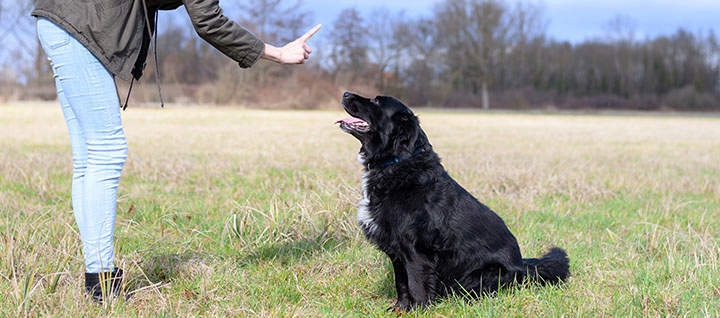
Dogs understand hand signals very well. Pair your verbal commands with simple hand signs. For example, raise your palm to signal “stay.” This helps your dog respond even from a distance. Use the same signals consistently every time. Over time, your dog will learn to follow silent cues.
Combining Commands
Practice giving two commands together. Say “sit” and “stay” in one smooth phrase. Teach your dog to sit first, then hold the stay. This builds good control and focus. Combine commands slowly and reward success. It trains your dog to listen carefully and respond correctly.
Transitioning To Off-leash Training
Off-leash training is the final step for control. Start in a safe, enclosed area. Practice the sit and stay commands without the leash. Use a long leash at first for safety. Gradually increase distance and time. Praise your dog for staying calm and steady. Off-leash training builds trust between you and your dog.
Frequently Asked Questions
How Long Does It Take To Train A Dog To Sit And Stay?
Training a dog to sit and stay usually takes 1 to 2 weeks. Consistency and short daily sessions speed up learning. Patience and positive reinforcement help your dog understand commands clearly.
What Is The Best Reward For Training A Dog?
Small, tasty treats work best as rewards during training. Use verbal praise and petting to reinforce good behavior. Rewards motivate your dog and make training enjoyable and effective.
Can Any Dog Learn To Sit And Stay?
Yes, all dog breeds can learn to sit and stay. Training methods may vary depending on the dog’s age and temperament. Consistent practice and positive reinforcement are key for success.
How Often Should I Train My Dog To Sit And Stay?
Train your dog daily in short sessions of 5 to 10 minutes. Frequent practice helps your dog retain commands better. Avoid long sessions to prevent your dog from losing interest.
Conclusion
Training your dog to sit and stay takes time and patience. Keep sessions short and fun for best results. Use treats and praise to encourage good behavior. Practice daily in different places to help your dog learn well. Stay calm and consistent throughout the training process.
Remember, every dog learns at its own pace. Enjoy the bond you build with your dog during training. Small steps lead to big progress over time. Your effort will help your dog become obedient and happy. Keep going—you’re on the right path.