

Central vacuum systems offer a powerful and convenient way to keep your home clean. Unlike traditional portable vacuums, these systems have a central power unit, often installed in a garage or basement, connected to inlets in various rooms via a network of pipes.
This setup allows for strong suction and easy operation, making them a compelling option for homeowners. But just how powerful are they, and what makes them stand out from the vacuums you might be used to?
The core advantage of a central vacuum lies in its superior suction power. The large, dedicated motor and collection canister housed in the central unit can be significantly more robust than those found in portable vacuums. This enhanced power translates into more effective cleaning, capturing deeper dirt and debris from carpets and hard floors alike. Furthermore, the system’s design ensures that air is exhausted outside the living space, which can dramatically improve indoor air quality by removing fine dust and allergens that portable vacuums often recirculate.
Unpacking The Power: Suction And Airflow
The power of any vacuum cleaner is measured by two key factors: suction power and airflow. Central vacuum systems typically excel in both, leading to a more thorough clean.
Suction Power (water Lift)
Suction power is often measured in “water lift,” which indicates how high a column of water the vacuum can lift. Higher water lift generally means stronger suction. Central vacuum units are designed with larger, more powerful motors than portable vacuums. This allows them to generate significantly higher water lift ratings. For instance, while a good portable vacuum might achieve 100-120 inches of water lift, central vacuum systems can commonly reach 150 inches or more. This extra force is crucial for pulling embedded dirt and allergens out of carpets and upholstery.
Airflow (cfm)
Airflow, measured in cubic feet per minute (CFM), refers to the volume of air the vacuum can move. While high CFM is important, it needs to be balanced with good suction. Central vacuum systems are engineered to maintain strong airflow even as the collection bin fills.
This is because the main debris collection is in a large, central unit, and the air is vented outside. Portable vacuums, with their smaller bags or canisters and internal filtration, can lose suction more quickly as they become full.
Key Components And Their Contribution To Power
The power of a central vacuum system isn’t just about the motor; it’s about how all the parts work together. The design inherently supports greater power output and efficiency compared to traditional vacuums.
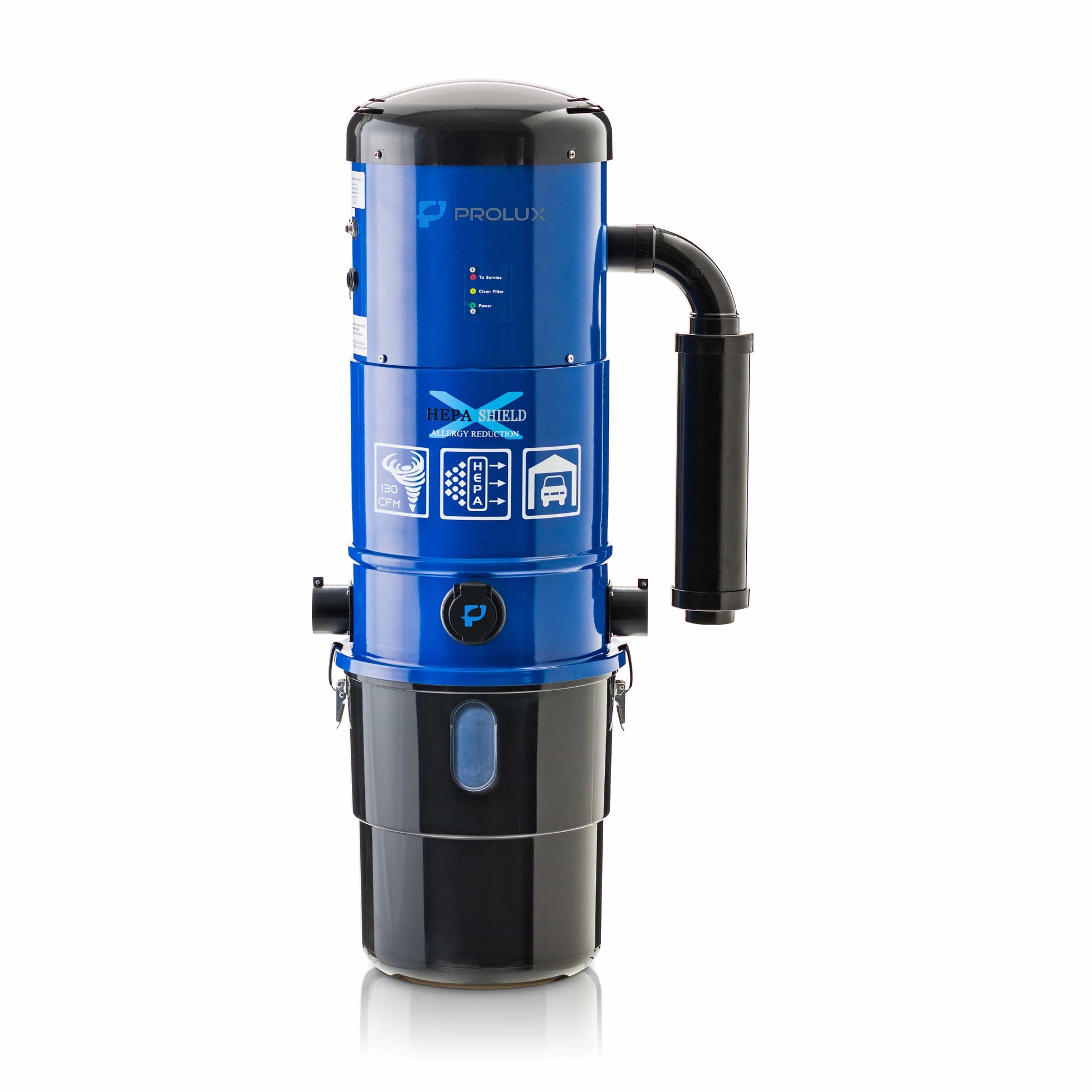
The Central Power Unit
This is the heart of the system. Central vacuum motors are typically larger and more powerful, often running at lower speeds for greater durability and quieter operation. They are designed for continuous use without overheating, a common limitation in portable units.
The large capacity of the collection bin or bag also means less frequent emptying, maintaining consistent suction over longer cleaning periods.
The Piping Network
The pipes installed within your walls are crucial. They are typically 2 inches in diameter, allowing for maximum airflow with minimal resistance. This smooth, unobstructed pathway from the inlet valve to the power unit ensures that the strong suction generated at the unit is effectively delivered to the cleaning head.
In contrast, the hoses and internal pathways of portable vacuums are often more restrictive.
Inlet Valves And Hoses
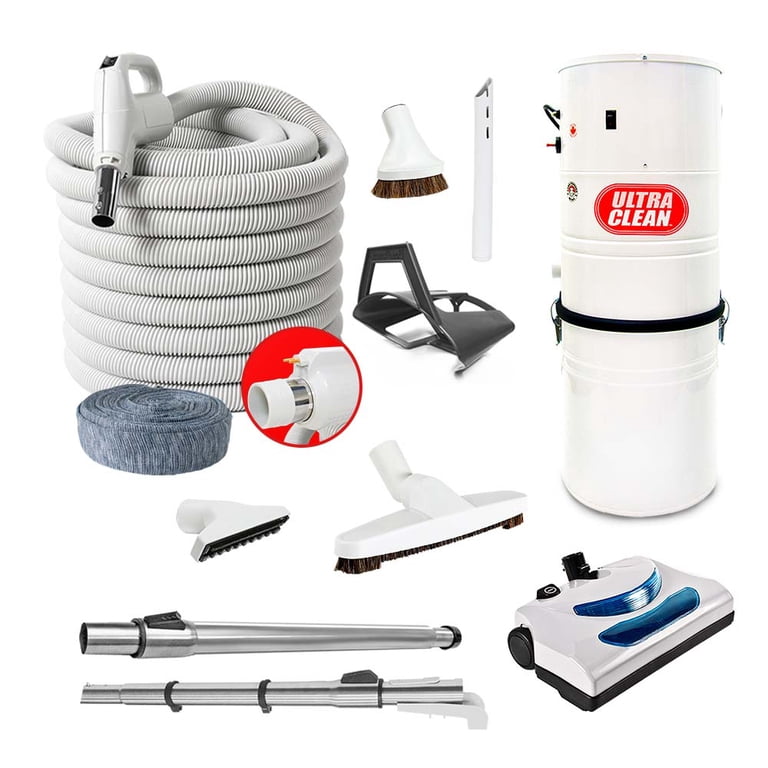
While the power unit and pipes are key, the inlet valves are the user’s point of contact. Modern inlet valves are designed for efficient airflow and easy connection of the vacuum hose. The hoses themselves can vary in length, allowing you to reach all corners of a room or even multiple rooms from a single inlet. Some advanced systems even use low-voltage wiring in the hose to control the vacuum’s on/off function and sometimes motor speed directly from the handle.

Performance Comparison: Central Vs. Portable Vacuums
When comparing central vacuums to their portable counterparts, the differences in power and performance become quite clear. This is not to say portable vacuums aren’t useful, but central systems offer a distinct advantage in many areas.
Here’s a look at how they stack up:
| Feature | Central Vacuum System | Portable Vacuum Cleaner |
|---|---|---|
| **Suction Power** | Very High (150+ inches water lift) | Moderate to High (100-120 inches water lift) |
| **Airflow (CFM)** | High, maintained consistently | Varies, can decrease as bag/canister fills |
| **Noise Level** | Significantly quieter in living areas; unit is remote | Louder, motor noise is near the user |
| **Debris Disposal** | Large, infrequent emptying; vented outside | Frequent emptying; dust can be recirculated |
| **Filtration** | Often vented outside, reducing indoor allergens | Internal filters can capture fine particles |
| **Durability** | Designed for longevity, robust components | Varies greatly by model and price point |
| **Convenience** | Lightweight hose, no heavy unit to carry | Heavy to carry, needs storage space |
Indoor Air Quality Benefits
One of the most significant advantages of a central vacuum’s power is its impact on indoor air quality. Because the central unit exhausts air outside the home, it removes microscopic particles like dust mites, pollen, pet dander, and other allergens from your living space. This is a major benefit for allergy and asthma sufferers. Portable vacuums, even those with HEPA filters, can still expel some fine dust back into the air.
Real-world Power: What Does It Mean For Cleaning?
The impressive power ratings of central vacuums translate into tangible cleaning benefits throughout your home. This is where the “how powerful” question gets answered in practical terms.
Deep Carpet Cleaning
The high suction power is especially effective for deep cleaning carpets. It can lift dirt and debris that are deeply embedded in the carpet fibers, which a less powerful vacuum might miss. This leads to a more thorough clean and can help extend the life of your carpets by removing abrasive particles.
Versatility And Attachments
Central vacuum systems come with a variety of attachments designed to tackle different cleaning tasks. From specialized floor brushes for hardwood and tile to upholstery tools and crevice attachments, the powerful suction ensures these tools work effectively. Some systems even offer automatic dustpans built into the baseboards, allowing you to sweep debris directly into the system with a simple flick of the wrist.
Ease Of Use
Despite their power, central vacuums are surprisingly easy to use. You only carry the lightweight hose and cleaning wand from room to room. The main power unit stays put, meaning no heavy lifting or struggling with a cumbersome machine. This ergonomic advantage makes cleaning less of a chore and encourages more frequent and thorough cleaning.
Considerations For Central Vacuum Power
While the power is undeniable, there are a few factors to keep in mind. The effectiveness of the cleaning head is critical; a powerful motor can be hampered by a poorly designed brush roll or floor tool. Additionally, the quality of installation plays a role. Improperly sealed pipes or leaks can reduce suction power.
Pro Tip: When considering a central vacuum, look for systems with high water lift ratings and ensure the manufacturer provides reliable CFM data. Also, choose a reputable installer to guarantee optimal performance.
Frequently Asked Questions
What Is The Main Difference In Power Between A Central Vacuum And A Portable One?
The primary difference lies in the size and power of the motor. Central vacuums use larger, more robust motors housed in a separate unit, allowing for significantly higher suction power and airflow that is consistently maintained. Portable vacuums have smaller motors integrated into the unit, which are less powerful and can lose suction as they fill.
How Is The Power Of A Central Vacuum System Measured?
Central vacuum power is typically measured by two metrics: water lift (how high the vacuum can lift a column of water, indicating suction strength) and CFM (cubic feet per minute) (how much air the vacuum can move, indicating airflow). Higher numbers in both indicate a more powerful system.
Can A Central Vacuum System Improve Indoor Air Quality?
Yes, significantly. Because the central unit exhausts air outside the home, it removes fine dust

