

Many people rely on vacuums for clean floors and fresh air at home. But one part often gets ignored: the vacuum filter. This small piece does big work—it traps dust, pollen, pet hair, and even tiny allergens. Over time, the filter gets clogged, and your vacuum loses power. Air quality drops, and cleaning is less effective. So, how often should you replace vacuum filters? The answer depends on your vacuum type, filter material, how much you vacuum, and the kind of dirt in your home. Let’s break down the details, so you can keep your vacuum—and your air—working at their best.
Why Vacuum Filters Matter
Vacuum filters are not just accessories. They are the first line of defense between the dirt in your home and the air you breathe. Most vacuums have at least one filter, and many have two or three. The main job of these filters is to trap microscopic particles that would otherwise escape back into the room.
There are several types of vacuum filters. The most common are:
- Pre-motor filters: Protect the motor by capturing larger debris and dust before it reaches the engine.
- HEPA filters: Capture 99.97% of particles as small as 0.3 microns, including pollen, pet dander, and some bacteria.
- Carbon filters: Absorb odors and fumes, useful in homes with pets or smokers.
- Foam filters: Often washable, they catch larger dust and dirt.
A clogged filter can cause the vacuum to work harder, overheat, and eventually fail. It also means more dust and allergens blow back into your living space. For people with allergies or asthma, this can make symptoms worse. Regular filter changes keep your vacuum running efficiently and your air cleaner.
How Often Should You Replace Vacuum Filters?
There is no single answer, but there are clear guidelines based on vacuum type and filter style. Manufacturers usually give recommendations, but real-world use can differ. Here are the typical timelines:
| Filter Type | Typical Replacement Frequency | Washable? |
|---|---|---|
| HEPA Filter | Every 6–12 months | No (usually) |
| Foam/Pre-motor Filter | Every 3–6 months | Yes |
| Carbon Filter | Every 6 months | No |
| Post-motor Filter | Every 6–12 months | Varies |
Upright And Canister Vacuums
For most upright and canister vacuums:
- HEPA filters: Change every 6–12 months. If you have pets or allergies, aim for the earlier end.
- Pre-motor/foam filters: Wash every 1–3 months (if washable), replace every 3–6 months.
- Carbon filters: Replace about every 6 months.
Stick And Handheld Vacuums
These smaller vacuums usually have smaller filters. They clog faster, especially with frequent use.
- Main filters: Replace every 3–6 months.
- Washable filters: Rinse monthly, replace every 6–12 months.
Robot Vacuums
Robot vacuums often run daily, so their filters fill up quickly.
- HEPA or standard filters: Replace every 1–3 months, depending on usage and home conditions.
Bagged Vs. Bagless Models
Bagged vacuums often rely on the bag itself as a filter. Still, many have secondary filters.
- Bag: Replace when full (usually every 1–2 months).
- Secondary filters: Change every 6–12 months.
Bagless vacuums need more frequent filter attention because all debris passes through the filter system.
High-use Homes
If you vacuum several times a week, have pets, or live in a dusty area, replace filters more often. For example, pet hair can clog filters twice as fast, so consider cutting the recommended interval in half.
Non-obvious tip: Sometimes, vacuum performance drops before the filter looks dirty. Microscopic dust can block airflow even if the filter seems clean to the eye.
How To Know When A Vacuum Filter Needs Replacing
While timelines are useful, real-life signs often matter more. Here are clear indicators that your vacuum filter needs changing:
- Loss of suction: If your vacuum isn’t picking up debris as well, a clogged filter is often the reason.
- Strange smells: Odors can mean the filter is full of dust or bacteria, especially with carbon filters.
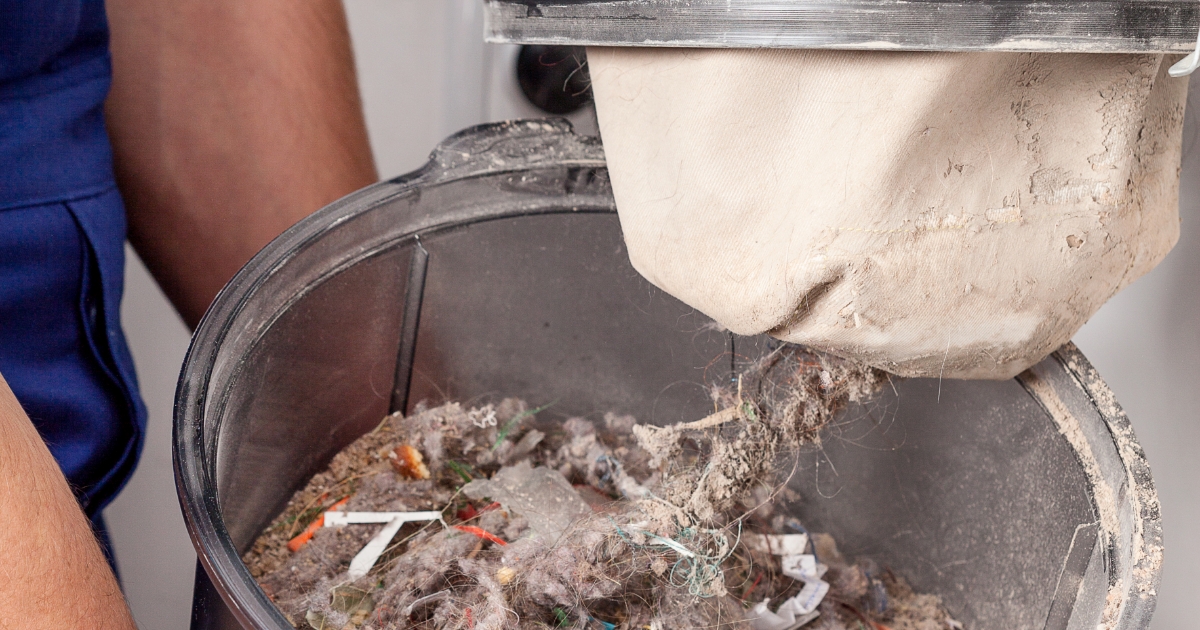
- Visible dirt on filter: If the filter is gray, brown, or dusty, replacement is due.
- Allergy symptoms: More sneezing or watery eyes after vacuuming suggests poor filtration.
- Motor overheating: A blocked filter makes the motor work harder, causing it to get hot quickly.
- Louder noise: A clogged filter can make the vacuum sound strained or louder than normal.
Quick Comparison: New Vs. Old Filter Performance
Here’s how a new filter can affect your vacuum’s performance:
| Filter Condition | Suction Power | Air Quality | Noise Level |
|---|---|---|---|
| New | 100% | Excellent | Normal |
| Clogged/Old | 60–80% | Poor | High |
How To Replace Or Clean Different Filter Types
Not all filters are the same. Some are meant to be washed, while others must be replaced. Doing this wrong can damage your vacuum or make it less effective.
Washable Foam Filters
- Remove the filter, usually found near the dust bin or under the vacuum lid.
- Rinse gently under cool water. Do not use soap unless the manual allows.
- Squeeze out water without twisting or tearing.
- Let air dry completely—this may take 24 hours.
- Reinstall only when fully dry.
Practical tip: Never use a wet filter in your vacuum. Moisture can damage the motor and cause mold.
Hepa And Paper Filters
- These are almost always single-use.
- Remove the old filter and discard it.
- Insert a new filter, making sure it fits tightly.
- Never try to wash a paper or HEPA filter unless the manufacturer says it’s okay.
Carbon Filters
- These trap odors and should not be washed.
- Replace with a new filter every 6 months or sooner if odors persist.
Robot And Stick Vacuums
- Follow the manual to locate the filter, usually behind the dust container.
- Some models have small brushes to clear debris. Use these, but do not soak unless specified.

Factors That Affect Filter Life
Several factors make a big difference in how often you should replace vacuum filters:
- Home size: Larger homes mean more dust, so filters fill up faster.
- Pets: Pet hair and dander clog filters quickly.
- Allergies/asthma: Change filters more often if someone in your home is sensitive to dust or pollen.
- Vacuum frequency: Daily use wears out filters faster than weekly cleaning.
- Type of dirt: Fine dust (from renovations, for example) fills filters faster than larger debris.
- Humidity: Damp homes can cause filters to get moldy if not replaced regularly.
Non-obvious insight: Even if you vacuum rarely, filters degrade over time due to moisture and air exposure. It’s smart to replace them at least once a year, even with light use.
Mistakes To Avoid When Replacing Vacuum Filters
Many vacuum owners make simple mistakes that cost them money or reduce cleaning power. Avoid these common errors:
- Ignoring the manual: Always check the manufacturer’s instructions. Not all filters fit every model.
- Using non-OEM filters: Off-brand filters can fit poorly and may not trap dust as well.
- Forgetting to dry washable filters: A damp filter is worse than a dirty one.
- Waiting until suction drops: By then, the motor may already be stressed.
- Mixing up filter types: Don’t replace a HEPA with a standard filter—this reduces filtration.
- Skipping filter changes in bagged vacuums: Even if you change the bag, secondary filters still need attention.
How Much Do Vacuum Filters Cost?
Vacuum filter costs vary widely. Here’s a general comparison to help you budget:
| Filter Type | Average Price (USD) | Replacement Frequency |
|---|---|---|
| HEPA Filter | $10–$30 | 6–12 months |
| Foam Filter | $5–$15 | 3–6 months |
| Carbon Filter | $8–$20 | 6 months |
| Robot Vacuum Filter | $10–$25 | 1–3 months |
While it can be tempting to delay filter changes to save money, this often costs more in the long run. Poor filtration can wear out your vacuum, and frequent repairs or a new vacuum is much pricier than regular filter replacements.
Tips For Getting The Best Filter Performance
To make your filters last longer and keep your vacuum strong, try these tips:
- Tap out dust: Between washes or replacements, gently tap the filter to remove loose debris.
- Store spares: Keep an extra filter handy so you’re never without a clean one.
- Set reminders: Mark your calendar or phone to remind you when it’s time for a new filter.
- Check airflow: Hold your hand near the exhaust—weak airflow can mean a clogged filter.
- Upgrade when needed: If you have allergies, consider upgrading to a HEPA filter if your vacuum allows.
Frequently Asked Questions
How Do I Find Out What Type Of Filter My Vacuum Uses?
Check your vacuum’s manual or look up the model online. The manufacturer’s website often lists all compatible filter types. If you lost your manual, a quick search for “[your vacuum brand and model] filter type” usually gives the answer.
Can I Wash And Reuse A Hepa Filter?
Most HEPA filters are single-use and should not be washed, as water can destroy the fibers that trap dust. However, some vacuums use washable HEPA-style filters—always check your manual first.
What Happens If I Don’t Replace My Vacuum Filter?
A clogged or old filter can cause poor suction, dust blowing back into the room, overheating, or even vacuum motor failure. Over time, indoor air quality drops, which is especially bad for people with allergies or breathing issues.
Can I Use Third-party Filters Instead Of Brand-name Ones?
You can, but make sure the filter is designed for your specific vacuum model. Poorly fitting or low-quality filters may not trap fine dust as well, and sometimes void your warranty. Always buy from a trusted source.
Do All Vacuums Need Filter Changes?
Yes—every vacuum, even bagged models, has at least one filter that needs regular attention. Some filters are hidden deep inside the machine, so check your manual to find them all. Regular changes keep your vacuum and your indoor air at their best.
Keeping your vacuum’s filters fresh is one of the simplest ways to improve cleaning and protect your health. A little attention now saves money and trouble later. If you want more details on filter standards, the EPA provides a helpful overview. Clean filters mean a clean home—don’t ignore this small but mighty part of your vacuum routine.

