

Filters are everywhere in our daily lives—inside air conditioners, cars, refrigerators, water pitchers, and even vacuum cleaners. But many people forget about them, or simply don’t know when it’s time to change them. A dirty or old filter might seem like a small issue, but it can lead to bigger problems: bad air quality, higher energy bills, or even damage to your appliances. So, how often should filters be replaced? The answer is not always simple. It depends on the type of filter, where you use it, and even your own habits at home. Let’s break down what you need to know to keep your filters working their best.
Why Filter Replacement Matters
Filters are designed to trap dirt, dust, pollen, bacteria, and other unwanted particles. When a filter gets full, it can no longer do its job properly. This means the air or water passing through it is no longer clean. In some cases, a clogged filter can even block the flow of air or water entirely.
For example, an air conditioner with a dirty filter has to work harder, which wastes energy and can shorten its life. In water systems, a clogged filter can lead to lower water pressure and even allow harmful substances through.
Ignoring filter replacement often leads to:
- Poor air or water quality
- Higher energy use
- Strain on your appliances
- Increased repair costs
Regular filter changes are a simple way to keep your home healthy and your machines running smoothly.
How Often Should Filters Be Replaced? By Type
Each filter type has its own replacement schedule. Here’s a breakdown of the most common types and what affects their lifespan.
Air Conditioner And Furnace Filters
Most homes use HVAC filters to clean the air that circulates through heating and cooling systems. The basic rule is:
- 1-3 months for standard 1-inch filters
But this changes based on:
- Filter material: Pleated filters last longer than fiberglass.
- Home size and usage: Running your system more often, or having a larger home, means more frequent changes.
- Pets and allergies: Homes with pets or allergy sufferers often need more frequent changes.
Real-world Example
A family with two dogs and central AC might need to change their filter every 30 days in summer, while a single person in a small apartment could wait up to 90 days.
| Home Situation | Recommended Change Frequency |
|---|---|
| No pets, no allergies | Every 2-3 months |
| One pet | Every 1-2 months |
| Multiple pets/allergies | Every month |
Water Filters
Water filters are found in pitchers, under sinks, refrigerator dispensers, and whole-house systems. Their lifespan depends on:
- Filter type: Carbon filters, reverse osmosis, and sediment filters all vary.
- Water quality: Hard water or water with many contaminants shortens filter life.
- Water usage: More people in the home means more water used.
Common guidelines:
- Pitcher filters: Every 2 months (or 40 gallons)
- Refrigerator filters: Every 6 months
- Under-sink/whole-house filters: Every 6–12 months
Some modern filters have indicator lights or change-color systems to alert you when it’s time. But you shouldn’t rely on these alone. Odd tastes, smells, or reduced water flow are signs you may need to change the filter sooner.
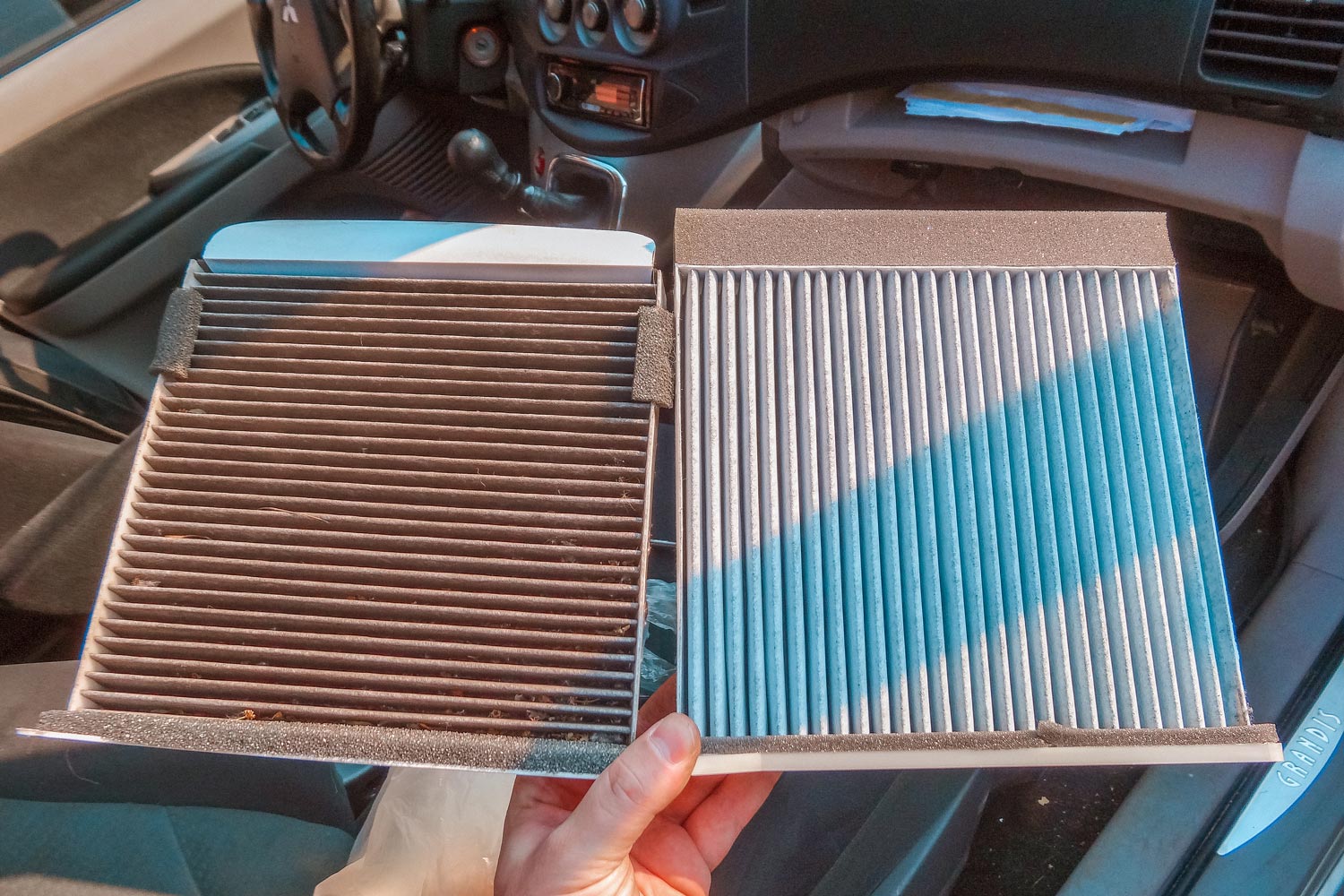
Car Air And Cabin Filters
Cars have two main types of filters:
- Engine air filters: Keep dirt out of your engine.
- Cabin air filters: Clean the air you breathe inside the car.
For most vehicles:
- Engine air filter: Every 15,000–30,000 miles
- Cabin air filter: Every 15,000–25,000 miles
However, if you drive in dusty areas or city traffic, you might need to change them more often. A dirty engine air filter can reduce fuel efficiency by up to 10%, according to the US Department of Energy.
Vacuum Cleaner Filters
Vacuum filters trap dust and allergens. Most modern vacuums have HEPA filters or reusable filters.
- HEPA filters: Every 6–12 months
- Foam or felt filters: Wash monthly, replace every 6 months to 1 year
If your vacuum has lost suction, or you notice a musty smell, the filter may be clogged.
Refrigerator Water And Air Filters
Most fridge water filters should be replaced every 6 months. Fridge air filters, which keep your food smelling fresh, should also be replaced every 6 months. If you notice odors or a drop in water flow, change the filter sooner.
Range Hood And Microwave Filters
Range hoods above your stove often have grease filters and sometimes carbon filters for odor. Grease filters should be washed every month and replaced every 1–2 years. Carbon filters are usually changed every 6–12 months, especially if you cook often.
Pool And Spa Filters
Pool and hot tub filters are exposed to water, oils, and chemicals. Replace or clean them every 1–2 weeks during heavy use, and replace completely every 1–2 years.

Signs Your Filter Needs Changing
While following schedules is helpful, sometimes you need to change a filter sooner. Watch for these common signs:
- Reduced airflow (from vents or appliances)
- Strange smells (musty, moldy, or chemical odors)
- Allergy symptoms get worse
- Dust buildup around vents or on surfaces
- Water tastes or smells odd
- Visible dirt on the filter
Ignoring these signs can cause bigger problems, like system breakdowns or health issues.
Factors That Affect Filter Lifespan
Not all environments are the same. Here are some things that can shorten (or lengthen) the time between filter changes:
- Pets: More fur and dander means filters get dirty faster.
- Construction or renovation: Dust and debris can quickly clog filters.
- Smoking: Cigarette smoke fills filters with tar and particles.
- Climate: Dry, dusty climates or pollen-heavy seasons can mean more frequent changes.
- Number of people: More people means more dust, skin cells, and water use.
Even the quality of your filter matters. Cheaper filters may save money upfront but need replacing more often.
Common Mistakes People Make
Many people wait too long to replace filters, or forget entirely. Here are mistakes to avoid:
- Waiting for visible dirt: Filters often need changing before they look dirty.
- Ignoring manufacturer guidelines: Always check the user manual for specific advice.
- Using the wrong filter size: A poor fit means unfiltered air or water can pass through.
- Not resetting indicator lights: After changing a filter, some appliances need the indicator reset, or you’ll miss the next reminder.
How To Remember Filter Replacement
It’s easy to forget about filters. Here are some simple ways to stay on track:
- Mark your calendar: Set reminders for each type of filter.
- Buy in bulk: Keep spare filters on hand so you’re not caught unprepared.
- Use smartphone apps: Some apps help track maintenance tasks.
- Label filters: Write the date of installation on the filter itself.
Some smart home devices now alert you when it’s time to change a filter, making it even easier to stay on top of maintenance.
Comparing Filter Lifespans
Here’s a quick side-by-side look at how often different filters should be replaced under normal use:
| Filter Type | Replacement Frequency | Notes |
|---|---|---|
| HVAC Air Filter | 1–3 months | More often with pets/allergies |
| Water Pitcher Filter | 2 months/40 gallons | Check for taste/odor changes |
| Refrigerator Water Filter | 6 months | May vary by model |
| Car Engine Air Filter | 15,000–30,000 miles | Check more often in dusty areas |
| Cabin Air Filter | 15,000–25,000 miles | Pollen season may shorten life |
| Vacuum HEPA Filter | 6–12 months | Washable types last longer |
| Range Hood Grease Filter | Wash monthly, replace 1–2 years | Heavy cooking may require more frequent replacement |
| Pool/Spa Filter | Clean every 1–2 weeks, replace 1–2 years | Depends on use and debris |
What Happens If You Don’t Replace Filters?
Neglecting filter changes isn’t just a minor mistake. Dirty filters can:
- Increase allergy and asthma problems
- Cause bad smells in your home or car
- Make machines work harder, leading to breakdowns
- Waste energy and raise bills—a clogged air filter can increase your AC’s energy use by up to 15%
- Let bacteria, mold, or even pests into your system
In rare cases, not changing filters can even void your appliance’s warranty. Manufacturers often specify maintenance in their terms.
Non-obvious Insights
Beginners often miss these key points:
- Not all filters are created equal—Higher-quality filters can capture smaller particles and last longer, but they may restrict airflow more. Always check if your system can handle the upgrade.
- External factors matter—For example, pollen season can clog air filters quickly, so you might need extra changes in spring, even if you normally wait longer.
Trusted Resources And Further Reading
For more details on the science behind filters and health, visit the US Environmental Protection Agency site.

Frequently Asked Questions
How Can I Tell If My Filter Needs Replacing Before The Recommended Time?
Check for signs like reduced airflow, odd smells, or dust buildup. If you notice these, replace the filter even if you haven’t reached the usual time.
Can I Clean And Reuse Disposable Filters?
Most disposable filters are not designed for reuse. Attempting to wash or vacuum them can damage the filter and reduce its effectiveness. Only clean filters labeled as washable.
Will Better Filters Improve My Air Quality?
Yes, high-quality filters can trap smaller particles like pollen and smoke, which helps with allergies. But make sure your HVAC system is compatible with the filter’s airflow needs.
What Happens If I Use The Wrong Size Filter?
An incorrect filter size can allow unfiltered air or water to bypass the filter, reducing its effectiveness and possibly harming your appliance.
Are Expensive Filters Always Better?
Not always. Match the filter to your needs. Expensive filters may capture more particles but are not always necessary for every home. Consider your allergies, pets, and local air or water quality.
Replacing filters might seem like a minor job, but it can have a big impact on your comfort, health, and wallet. Understanding when and how to change them is one of the simplest ways to keep your home running smoothly and your air or water clean.
Regular attention to your filters pays off with better performance, longer appliance life, and peace of mind.

