

Can Robot Vacuums Clean Corners Effectively?
Robot vacuums have changed how people clean their homes. These small, smart machines promise to sweep up dust and debris with little effort from you. But many homeowners still wonder: can robot vacuums clean corners effectively? While robot vacuums have improved greatly over the years, corners remain one of the toughest spots for any cleaning device. This article explores how well robot vacuums handle corners, what helps or limits their performance, and tips for getting the best results in your own home.
Why Corners Are Hard For Robot Vacuums
Most homes have many right-angled corners—by walls, under cabinets, and around furniture. These areas tend to collect more dust, hair, and crumbs than open spaces. The challenge for robot vacuums comes from their shape and navigation style.
Nearly all robot vacuums use a circular design. This helps them turn easily and avoid getting stuck. However, a round body cannot reach deep into tight corners as well as a human with a vacuum hose or a broom. The side of the robot usually stops short of the very edge, leaving a small gap.
In addition, robot vacuums rely on sensors and algorithms to guide their movement. Most move in straight lines or follow wall edges, but their size prevents them from fitting into sharp corners. Even with advanced mapping, the physical shape and brush placement can leave a few inches untouched.
How Robot Vacuums Try To Clean Corners
Manufacturers know corners are tricky. Over the years, they have developed several features to help robots do a better job:
- Side brushes: Nearly all models include one or two spinning brushes that stick out from the vacuum’s edge. These brushes sweep dirt from corners and edges into the robot’s main suction path.
- Edge-cleaning modes: Some robots can detect when they are near a wall or corner and adjust their movement to follow the edge closely.
- D-shaped designs: A few brands use a D-shaped body instead of a circle. The flat edge helps the robot get closer to walls and into corners.
- Advanced navigation: High-end robots use lasers or cameras to map your room and plan the best path, including extra attention to edges.
These solutions help, but do not always solve the problem completely. The next section explains how well they work in real homes.
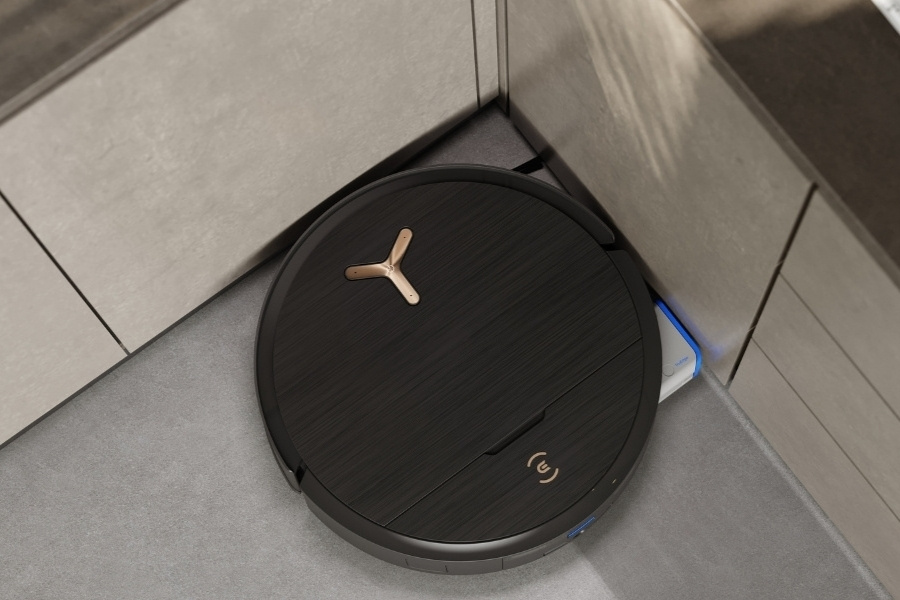
Performance: Real-world Results In Corners
How do these features perform? Several independent tests and user reviews offer useful insight.
Side Brushes
Side brushes are standard on most robot vacuums. They can reach a few centimeters beyond the robot’s body. In tests, models with well-designed side brushes pick up most visible dust and debris from corners, though they may still leave fine particles or heavy dirt.
However, the brushes can sometimes scatter larger debris rather than pull it in, especially if the floor is uneven or the dirt is lightweight (like cat litter). Their effectiveness depends on brush speed, length, and the vacuum’s suction power.
D-shaped Vs. Circular Robots
Many users notice a difference between D-shaped robots and classic round ones. For example, the Neato Botvac series uses a D-shape to get its main brush closer to the edge. In head-to-head tests, D-shaped models often pick up more dirt in corners compared to circular ones.
Here is a quick comparison of these two designs:
| Design | Corner Reach | Main Brush Position | Typical Brands |
|---|---|---|---|
| Circular | 2-3 inches from corner | Center or offset | iRobot Roomba, Eufy |
| D-Shaped | 1 inch or less | Flat edge at front | Neato, Samsung Jet Bot |
D-shaped robots do better in corners, but they may have more trouble navigating around obstacles like chair legs.
Suction And Brush Placement
A robot’s suction strength and where its main brush sits also matter. Stronger suction can pull in more dirt from the edges, and a brush closer to the front helps collect debris in corners.
Some premium models, like the iRobot Roomba s9+, combine a D-shape with powerful suction and a wide main brush. These robots often score higher in corner cleaning tests.
User Experiences
Homeowners often share their experiences online. Many report that while robot vacuums keep floors clean day-to-day, they sometimes leave a thin line of dust in tight corners. This is especially true in kitchens, bathrooms, and entryways where crumbs gather.
One non-obvious insight: the type of flooring matters. Corners on tile or hardwood are easier for robots to clean compared to thick carpet, where dirt can get stuck deep in the fibers.
When Robot Vacuums Struggle With Corners
Even with advanced technology, robot vacuums are not perfect in corners. There are a few situations where they struggle more:
- Very sharp or narrow corners: If the space is smaller than the robot or blocked by furniture, the robot cannot enter deeply enough.
- High baseboards or trim: Tall baseboards can create a ledge that the side brush cannot reach over.
- Cluttered corners: If shoes, cords, or pet bowls are in the way, robots may avoid the area entirely.
- Heavy debris: Larger bits (like cereal or pebbles) may get pushed out rather than sucked up.
- Loose rugs or mats: These can block the robot’s path or cause it to change direction before reaching the corner.
Data: How Much Is Left Behind?
Lab tests suggest that most robot vacuums leave behind 5–15% of dirt in corners, depending on the model and the type of debris. For most homes, this is a small amount, but it can build up over time if not cleaned by hand.
Comparing Popular Robot Vacuum Models On Corner Cleaning
To help you see the difference between models, here is a comparison of three popular robot vacuums and their corner cleaning performance:
| Model | Shape | Corner Cleaning Score | Price Range |
|---|---|---|---|
| iRobot Roomba s9+ | D-shaped | 9/10 | $900+ |
| Neato D8 | D-shaped | 8/10 | $400–$600 |
| Eufy RoboVac 11S | Circular | 6/10 | $200–$250 |
Scores are based on independent reviews and lab tests.
How To Get The Best Corner Cleaning With A Robot Vacuum
If you want your robot vacuum to clean corners as well as possible, try these practical steps:
- Choose the right model: If you have many corners or lots of debris, consider a D-shaped robot with strong suction.
- Keep corners clear: Move shoes, wires, and other objects out of corners to give your robot access.
- Clean baseboards regularly: Wipe baseboards so dust doesn’t pile up where robots can’t reach.
- Use edge-cleaning modes: If your robot has a special mode for edges, run it once a week.
- Supplement with manual cleaning: Every few weeks, use a handheld vacuum or broom to deep-clean corners. This prevents buildup that robots can miss.
- Check and replace side brushes: Worn brushes are less effective. Replace them as recommended by the manufacturer.
A non-obvious tip: Run your robot vacuum more often. Frequent cleaning means less dirt collects in corners, making it easier for side brushes to pick up what’s there.
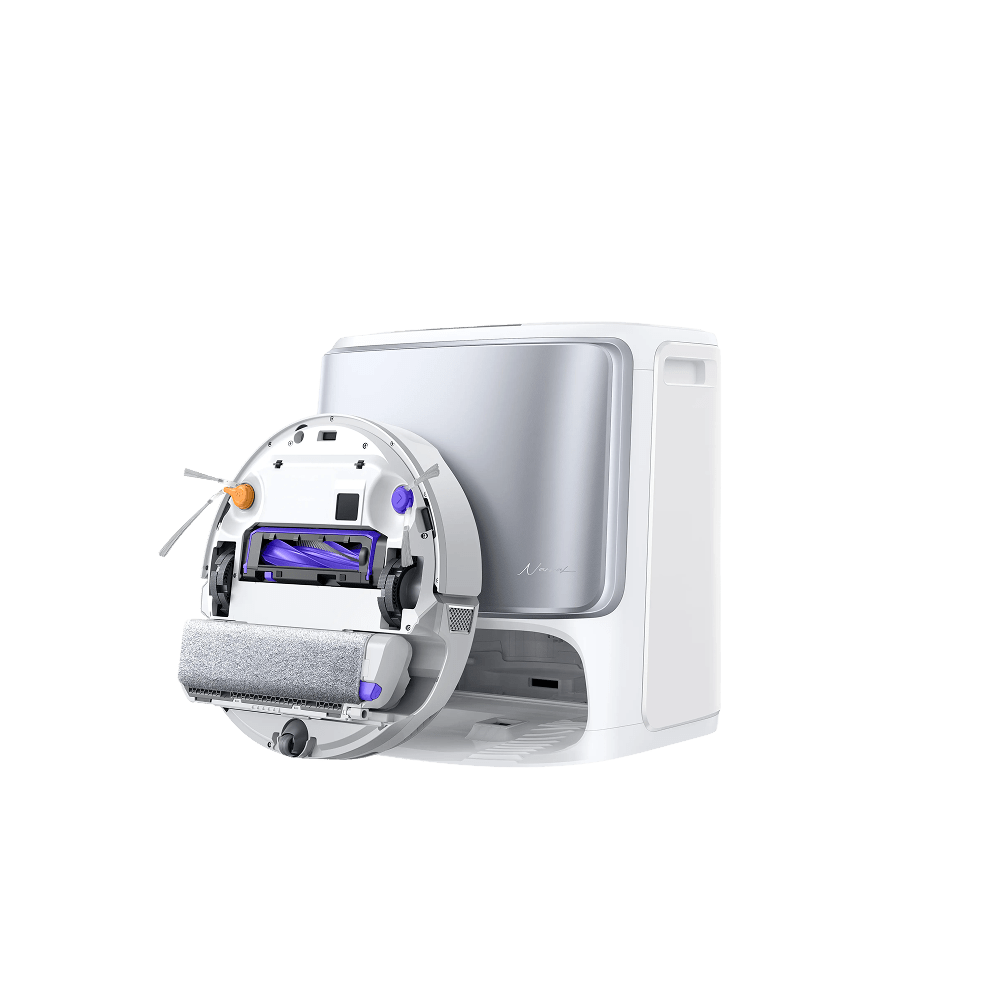
Corner Cleaning: Robot Vacuum Vs. Manual Cleaning
How do robot vacuums compare to traditional cleaning in corners? Here’s a quick side-by-side look:
| Method | Corner Reach | Effort Required | Typical Effectiveness |
|---|---|---|---|
| Robot Vacuum | Good to Fair | Very Low | 80–95% |
| Manual Vacuum (Hose/Nozzle) | Excellent | Medium to High | 99–100% |
| Broom/Dustpan | Good | Medium | 90–99% |
Robot vacuums offer convenience, but manual cleaning is still the gold standard for spotless corners.
Limitations And Things To Consider
Robot vacuums keep improving, but they are not magic. Here are a few things to keep in mind:
- No robot vacuum cleans corners perfectly. Even high-end models miss a small amount.
- Homes with pets or kids may need more frequent manual touch-ups.
- Battery life and cleaning cycles can affect performance. If the robot runs out of battery before finishing, it may skip corners.
- Noise level: Some D-shaped or high-suction robots are louder, which may matter in small homes.
A common mistake is relying only on the robot and never checking corners by hand. A quick sweep every month will keep your home looking its best.
The Future: Will Robot Vacuums Master Corners?
Companies continue to work on new designs. Some upcoming models use extendable brushes, smarter mapping, or even small “sidekick” robots that target missed spots. While these are exciting, the main limit is still the physical size and shape of the vacuum.
One interesting development is robots that can lift and rotate their cleaning head, allowing better reach into corners. However, these are rare and often expensive.
For now, the best results come from a combination of smart robot use and occasional manual cleaning.
Frequently Asked Questions
How Often Should I Check Corners If I Use A Robot Vacuum?
Check corners every 1–2 weeks, especially in high-traffic areas like kitchens and entryways. A quick sweep or spot vacuuming will remove buildup that your robot may miss.
Are D-shaped Robot Vacuums Really Better For Corners?
Yes, D-shaped robots can reach closer to corners than round models. Their flat edge lets the main brush cover more of the corner space. However, they are not perfect and may still leave some fine dust behind.
Will A Robot Vacuum Damage My Baseboards Or Walls?
Most robot vacuums have soft bumpers and sensors to avoid damage. However, side brushes can sometimes leave marks on delicate paint or loose wallpaper. Check your robot’s brushes and clean them regularly.
Can I Improve Corner Cleaning By Changing The Robot’s Schedule?
Yes. Running your robot more often (daily or every other day) means less dirt collects in corners. This makes it easier for the robot to sweep up everything with its side brushes.
Do Any Robot Vacuums Clean Corners Perfectly?
No current robot vacuum cleans corners 100% perfectly. Even the best models leave a small amount of dust or debris. Manual cleaning is still needed for spotless results. For more details on robot vacuum technology, see Wikipedia.
Robot vacuums are a big help in daily life, but they are not a full replacement for manual cleaning—especially in corners. By choosing the right model and following a few smart habits, you can keep your home clean with much less effort.


