

A good vacuum should have enough suction to lift debris from carpet and hard floors without making the machine hard to push or overly loud.
If you have ever wondered why one vacuum cleans beautifully while another just feels powerful, you are not alone. I have tested enough vacuums over the years to know that suction is only part of the story, and the right level depends on your floor type, airflow, brush design, and how you actually clean at home. Let’s break down how much suction a vacuum should have so you can choose a machine that works well in real life, not just on a spec sheet.
What vacuum suction really means
Vacuum suction is the force that pulls air and dirt into the machine. In simple terms, it helps the vacuum lift dust, crumbs, pet hair, and other debris from the floor surface.
But here is the part many shoppers miss: suction alone does not decide cleaning power. A vacuum can have strong suction and still perform poorly if airflow is weak, the brush roll is bad, or the nozzle seals badly against the floor.
When people ask how much suction should a vacuum have, they are usually asking for a number that means “strong enough.” The answer depends on the vacuum type and what you need to clean.
How much suction should a vacuum have for normal home use
For most homes, a vacuum should have enough suction to remove everyday dirt from carpets, rugs, and hard floors in one or two passes. That usually means a model with balanced suction, good airflow, and a decent brush system.
A practical range many shoppers look for is:
- Upright vacuums: about 80 to 100 inches of water lift or higher
- Canister vacuums: often similar or a bit higher, depending on design
- Cordless vacuums: lower raw suction numbers can still work well if airflow and brush design are strong
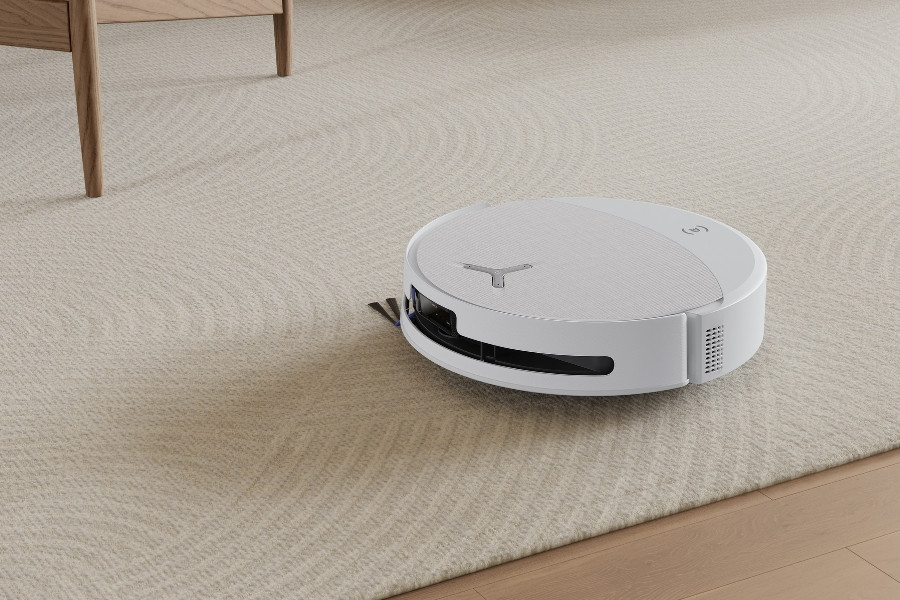
- Robot vacuums: much lower suction than full-size vacuums, since they are built for light daily maintenance
In my experience, the best vacuum is rarely the one with the highest number on the box. The best one is the one that removes dirt quickly, does not scatter debris, and feels easy to use on your floors.
Understanding suction measurements
Manufacturers may measure suction in different ways, so comparing numbers can get confusing. The most common terms are:
- Air watts: A combined measure that reflects suction and airflow
- Water lift or sealed suction: Shows how much force the vacuum can create in a sealed test
- CFM, or cubic feet per minute: Measures airflow, which is just as important as suction
Airflow matters because suction without airflow is like trying to drink a thick milkshake through a straw that is almost closed. You may have force, but not enough movement to carry dirt into the bin.
If you are comparing models, do not focus on only one number. A vacuum with moderate suction and strong airflow can clean better than a vacuum with a flashy suction claim and poor design.
How much suction should a vacuum have for carpet
Carpet needs more suction than hard floors because dirt settles deeper into the fibers. Low-pile carpet usually needs moderate suction, while medium and high-pile carpet needs stronger suction and a good brush roll.
For carpet cleaning, look for:
- Strong enough suction to pull dirt from the pile
- Adjustable height settings if the vacuum is an upright
- A brush roll that agitates fibers without being too aggressive
- Good edge cleaning so dirt does not stay near the baseboards
I learned this the hard way with a vacuum that claimed “powerful suction” but struggled on medium-pile carpet. It could pick up visible dust, but it left behind grit that I only noticed when I walked barefoot. That kind of missed dirt is exactly why suction needs to be matched with brush performance.
How much suction should a vacuum have for hardwood floors
Hardwood floors do not usually need the highest suction setting. In fact, too much suction can make some vacuums hard to push or cause the nozzle to stick to the floor.
For hardwood and tile, a vacuum should have:
- Enough suction to lift dust, crumbs, and pet hair
- A soft brush or floor head designed for hard surfaces
- Easy control so debris does not scatter
- Gentle performance near delicate finishes
A lot of people assume stronger is always better, but that is not true on smooth floors. On hardwood, the goal is control and pickup, not brute force.
How much suction should a vacuum have for pet hair
If you have pets, suction matters more, but so does the brush roll and filtration. Pet hair clings to carpet, wraps around fibers, and often gets stuck in corners and furniture.
A good pet vacuum should have:
- Strong suction for lifting hair from fabric and carpet
- A tangle-resistant brush roll if possible
- Strong sealed suction to trap dander
- Attachments for upholstery, stairs, and tight spaces
From my own testing, pet homes need a vacuum that keeps suction steady as the bin fills. A machine may seem strong at first, but if the filter clogs fast, performance drops quickly. That is why maintenance matters just as much as the suction rating.
What is a good suction power in practice
Instead of chasing a single number, think about what the vacuum can actually do. A good suction power is one that cleans your surfaces well without wasting effort or causing problems.
A vacuum with good suction usually:
- Picks up fine dust and larger debris
- Removes embedded dirt from carpet
- Handles pet hair without clogging too fast
- Keeps strong performance as you clean
- Feels smooth to use, not overly stiff or unstable
If you want a simple rule, a vacuum should remove visible dirt in one pass and embedded dirt in a few passes, depending on the floor and mess level. That is a better test than any marketing claim.
Signs a vacuum has too little or too much suction
Too little suction is easy to spot. The vacuum may leave crumbs behind, miss dust along edges, or require many passes to clean one area.
Signs of too little suction include:
- Dirt stays on the floor after vacuuming
- Pet hair wraps around the brush instead of lifting
- The bin fills with debris only in the center
- The vacuum sounds normal but cleans poorly
Too much suction can also be a problem, especially on thick carpet or hard floors. Signs include:
- The vacuum is hard to push
- The nozzle sticks to the floor
- Rugs bunch up or lift
- The machine feels powerful but awkward to use
Balance matters. The right suction should make cleaning easier, not turn it into a wrestling match.
Factors that matter as much as suction
Suction is only one part of a good vacuum. In real homes, several other factors shape cleaning performance.
These include:
- Airflow: Moves dirt through the vacuum efficiently
- Brush roll design: Helps loosen dirt from carpet fibers
- Sealed system: Prevents leaks that reduce performance
- Filtration: Captures fine dust and allergens
- Attachments: Help clean stairs, upholstery, and corners
- Weight and maneuverability: Make the vacuum easier to use often
I have seen vacuums with average suction outperform more powerful models simply because they were better designed. That is why reading only the suction number can lead to the wrong choice.
How to test vacuum suction at home
You do not need lab tools to get a useful sense of vacuum suction. A few simple tests can tell you a lot.
Try these:
- Sprinkle a small amount of dry cereal or crumbs on hard floor and carpet
- Run the vacuum once and see what it picks up
- Check how much dust remains along edges and corners
- Test pet hair on upholstery if you have pets
- Notice whether the vacuum loses strength as the bin fills
If the vacuum struggles with light messes, it will likely struggle more with deep carpet dirt. A vacuum should feel efficient from the first pass, not just after you go over the same spot several times.
Choosing the right suction for your needs
The best suction level depends on your home. A small apartment with mostly hard floors needs a different machine than a large house with thick carpet and pets.
Use this simple guide:
- Mostly hardwood or tile: moderate suction with a soft floor head
- Low-pile carpet and rugs: moderate to strong suction
- Medium or high-pile carpet: strong suction plus an effective brush roll
- Pet homes: strong suction, strong filtration, and useful attachments
- Allergy concerns: sealed suction and HEPA-style filtration matter a lot
When I help people choose vacuums, I always tell them to match the machine to the mess. A vacuum that fits your floor type will often outperform a more powerful one that does not.
Common mistakes people make when judging suction
A lot of buyers make the same few mistakes, and they are easy to avoid.
Common mistakes include:
- Choosing the vacuum with the biggest suction claim
- Ignoring airflow and brush design
- Buying a carpet vacuum for delicate hard floors
- Forgetting about filter and bin maintenance
- Assuming cordless models are weak just because the numbers are lower
The biggest lesson I have learned is this: suction ratings matter, but cleaning results matter more. If a vacuum leaves dirt behind, the number on the label does not help much.
Frequently Asked Questions of How much suction should a vacuum have
What suction level is good for a vacuum?
A good vacuum should have enough suction to remove dust, crumbs, and embedded dirt without being hard to use. For many homes, a balanced mix of suction and airflow works better than the highest possible number.
Is higher suction always better?
No, higher suction is not always better. Too much suction can make a vacuum hard to push, especially on thick carpet or sealed hard floors.
How do I know if my vacuum suction is strong enough?
If your vacuum picks up dirt in one or two passes and leaves little behind along edges or in carpet fibers, the suction is probably strong enough. If you keep seeing debris after vacuuming, the machine may need more suction or better airflow.
Do cordless vacuums have enough suction?
Many cordless vacuums have enough suction for daily cleaning, especially on hard floors and low-pile carpet. For deep carpet cleaning, some cordless models may struggle compared with full-size corded vacuums.
What is more important, suction or airflow?
Both matter, but airflow is often overlooked. Suction pulls dirt loose, while airflow carries it into the vacuum, so the two need to work together for strong cleaning performance.
Conclusion
The right answer to how much suction should a vacuum have is not a single magic number. It should have enough power to clean your floors well, enough airflow to move dirt efficiently, and enough control to feel easy in daily use.
If you focus on your floor type, your mess, and how the vacuum performs in real life, you will make a much smarter choice. Use suction as one part of the decision, not the whole story, and you will end up with a vacuum that truly fits your home. If you are shopping now, compare specs carefully, test if you can, and choose the model that cleans your space with the least effort.

