

Understanding the power consumption of a car vacuum is key for anyone looking to keep their vehicle clean without draining their battery or overloading an inverter. While most car vacuums are designed for portability and convenience, their wattage can vary significantly based on their power source and motor strength. This article will break down how many watts a typical car vacuum uses, what factors influence this number, and how to choose one that fits your needs.
What Determines A Car Vacuum’s Wattage?
The wattage of a car vacuum is primarily determined by its motor. A more powerful motor requires more electricity to operate, thus consuming more watts. This is similar to how a larger fan uses more electricity than a small one.
Motor Size And Efficiency
Larger and more powerful motors generally draw more power. These are often found in vacuums designed for deeper cleaning or with stronger suction capabilities. However, motor efficiency also plays a role. Newer technologies can sometimes offer similar power with lower wattage, making them more energy-efficient.
Power Source
The way a car vacuum is powered is a major factor in its wattage. Most car vacuums run on either a 12V DC power outlet (the cigarette lighter socket) or a rechargeable battery. Some higher-end models might even plug into a standard AC wall outlet for charging or direct use, but these are less common for in-car use.
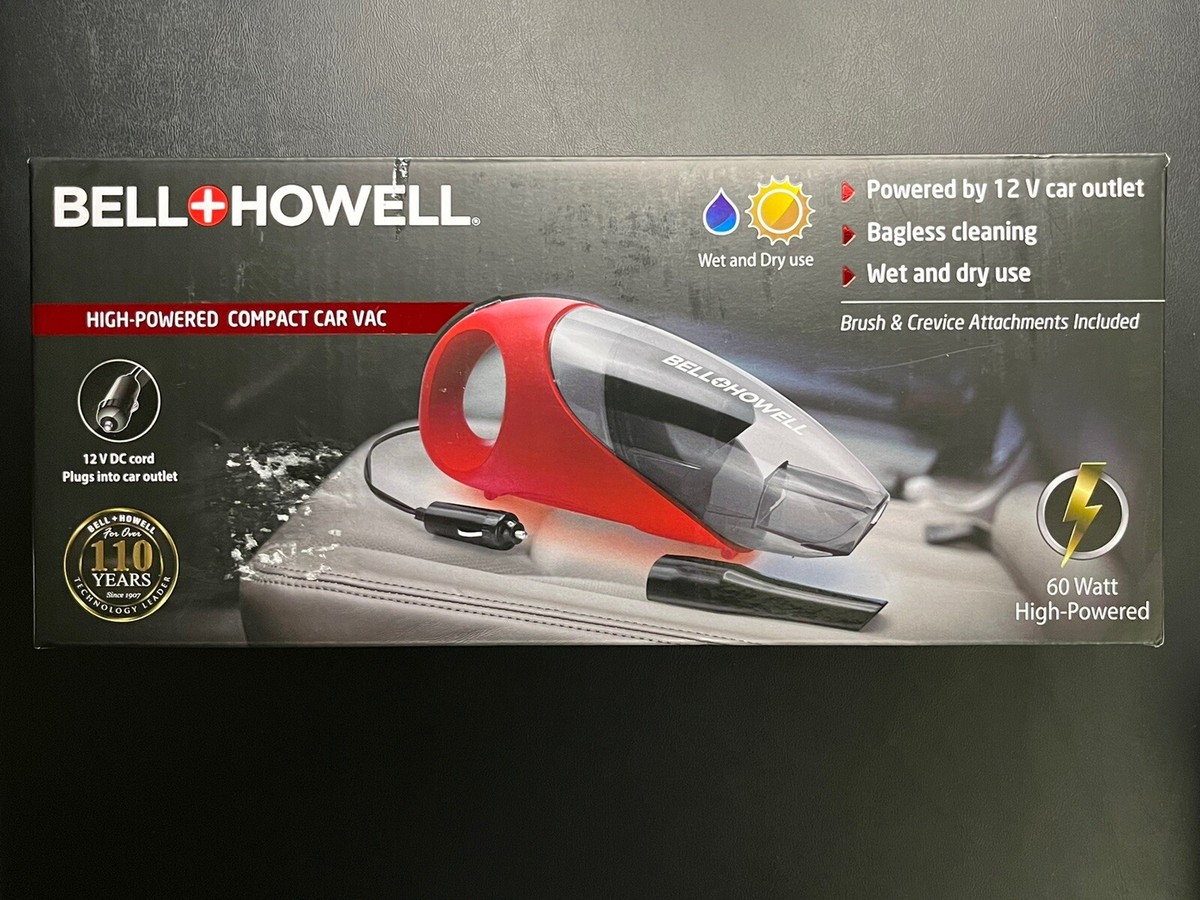
Car Vacuums Powered By 12v Dc Outlets
Vacuums that plug into your car’s 12V outlet are the most common type. They draw power directly from your vehicle’s electrical system. The maximum amperage your car’s outlet can handle will limit the vacuum’s power draw.
Typical Wattage Range
Most 12V car vacuums operate within a specific wattage range. They are designed not to overload your car’s electrical system, which usually has a fuse rated for around 10-20 amps. At 12 volts, this translates to a maximum power draw of approximately 120 to 240 watts.
A typical 12V car vacuum cleaner might use anywhere from 50 to 150 watts. Higher-powered models can reach up to 200 watts, but these are less common and might strain older car electrical systems. It’s always wise to check the product specifications.
Impact On Car Battery And Alternator
When using a 12V car vacuum, it draws power from your car’s battery when the engine is off and from the alternator when the engine is running. The alternator is designed to power the car’s systems and recharge the battery, so running a vacuum for short periods while the engine is on is usually not an issue.
However, prolonged use with the engine off can drain the battery.
Car Vacuums With Rechargeable Batteries
These vacuums offer the most freedom as they don’t need to be plugged into the car. They come with their own internal batteries, which are recharged either at home or sometimes via a USB port in the car.
Battery Capacity And Voltage
The wattage of a battery-powered car vacuum depends on its battery’s voltage and the motor’s power. Common voltages for these vacuums are 7.2V, 10.8V, 12V, or even higher. The battery’s amp-hour (Ah) rating indicates its capacity, but not directly its power output.
Typical Wattage And Runtime
Battery-powered car vacuums are generally less powerful than their 12V counterparts, averaging between 20 to 100 watts. This lower wattage contributes to a longer runtime on a single charge. A 50-watt vacuum running on a 12V battery might last for 15-30 minutes, depending on the battery’s capacity.
Pro Tip: Look for vacuums with lithium-ion batteries. They tend to hold a charge longer and offer more consistent power than older nickel-cadmium (NiCd) batteries.
Factors Affecting Power Consumption
Several factors beyond the basic power source influence how many watts a car vacuum uses. Understanding these can help you make a more informed purchasing decision.
Suction Power
The most significant factor is the suction power. Vacuums with higher suction (measured in air watts or kPa) will naturally require more powerful motors and thus consume more watts. If you need to tackle stubborn debris, like pet hair or sand, you’ll likely need a vacuum with higher wattage.
Features And Attachments
Some car vacuums come with extra features like LED lights, crevice tools, brush attachments, or even a blower function. While these add versatility, they might also contribute slightly to the overall power draw, though the motor remains the primary consumer.
Age And Condition Of The Vacuum
Older vacuums or those that have not been well-maintained might become less efficient over time. Worn-out motor brushes or clogged filters can increase the strain on the motor, potentially altering its power consumption.
Comparing Common Car Vacuum Types
To give you a clearer picture, let’s look at the typical power consumption and features of different car vacuum types.
| Vacuum Type | Power Source | Typical Wattage | Typical Runtime (Battery) | Key Features |
|---|---|---|---|---|
| **Basic 12V Vacuum** | 12V DC Outlet | 50-80 Watts | N/A | Lightweight, portable, good for light cleaning |
| **High-Power 12V Vacuum** | 12V DC Outlet | 100-150 Watts | N/A | Stronger suction, better for tougher messes |
| **Cordless Handheld Vacuum** | Rechargeable Battery | 20-60 Watts | 15-30 Minutes | Maximum portability, convenient for quick cleanups |
| **Cordless Stick Vacuum** | Rechargeable Battery | 70-120 Watts | 20-40 Minutes | More powerful than handhelds, versatile |
Example: Choosing The Right Vacuum
If you only need to clean up small spills like crumbs or dust occasionally, a basic 12V vacuum or a lower-wattage cordless model might suffice. These typically use around 50-70 watts.
However, if you have pets that shed heavily or frequently transport sandy items, you’ll benefit from a higher-powered 12V vacuum, potentially using 100-150 watts, or a more robust cordless model.
Inverter Use And Wattage Considerations
If you have a car vacuum that requires a standard AC plug (like a household vacuum cleaner), you’ll need a power inverter. This device converts your car’s 12V DC power to 120V AC power.
Inverter Sizing
The key here is matching the inverter’s continuous wattage rating to the vacuum’s needs. If your car vacuum uses 500 watts, you’ll need an inverter with at least a 500-watt continuous rating. It’s often recommended to have an inverter with a higher rating (e.g., 600-700 watts) to handle any initial power surges when the vacuum starts.
Battery Drain With Inverters
Using an inverter significantly increases the power draw from your car’s battery. A 500-watt vacuum running through an inverter will draw roughly 42 amps from your 12V system (500 watts / 12 volts = 41. 67 amps), plus the inverter’s own efficiency losses.
This can drain your car battery very quickly, especially if the engine is not running.
Maintaining Your Car Vacuum For Optimal Performance
Proper maintenance ensures your car vacuum runs efficiently and maintains its intended wattage. This also helps prolong its lifespan.
Cleaning Filters
A clogged filter restricts airflow, making the motor work harder. This can increase power consumption and reduce suction. Regularly clean or replace your vacuum’s filters according to the manufacturer’s instructions

