

An air purifier cleans indoor air by drawing it in, trapping particles, and neutralizing gases and microbes.
I have studied and tested many air purifiers and lived with them in small apartments and family homes. In this article I explain how does an air purifier work? I break down the core parts, common technologies, real-world performance, and clear tips to pick and use one. Read on for an easy, expert guide that makes the science simple and useful.

How does an air purifier work? Basic mechanics and airflow
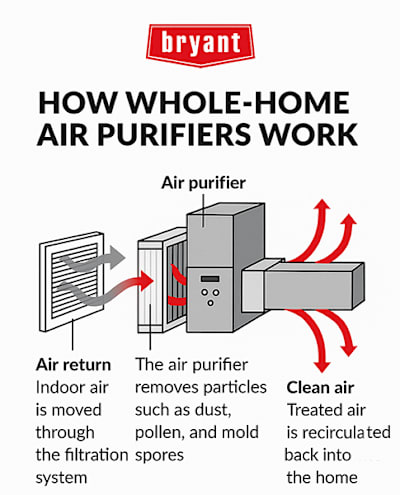
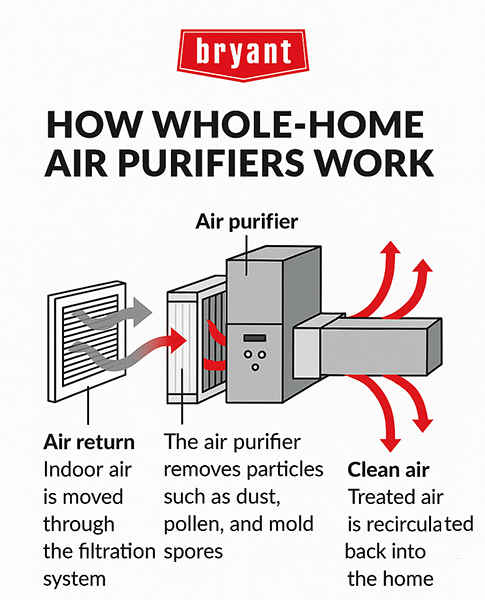
At its core, an air purifier moves air through a series of filters or treatments. The fan pulls room air in. The air passes through one or more stages that capture or deactivate pollutants. Clean air returns to the room. That simple loop runs continuously to lower indoor pollution levels.
Key steps in the process
- Intake: A fan draws air from the room into the purifier.
- Filtration or treatment: Air passes through filters or active systems that remove particles, gases, or microbes.
- Exhaust: Cleaner air is pushed back into the room.
Think of an air purifier like a small vacuum that cleans the air instead of carpets. The speed of the fan, the size of the filters, and the removal method all affect how well it works. Many machines use multiple stages to handle a wide range of pollutants.
How does an air purifier work? in practical terms means matching the machine to room size and pollutant types. A unit in a tiny bedroom cannot clean a large living room well. I’ve seen users buy units that are too small and then wonder why dust still settles. Proper sizing and placement matter as much as the technology.

Key technologies inside air purifiers and what each does
Different devices use different methods to clean air. Many units combine more than one method. Knowing the main types helps you choose the right model for your needs.
High-efficiency particulate air (HEPA) filters
- What they do: Capture 99.97% of particles down to 0.3 microns when true HEPA grade.
- Good for: Dust, pollen, pet dander, smoke particles.
- Note: HEPA filters do not remove gases or odors.
Activated carbon filters
- What they do: Adsorb gases, odors, and volatile organic compounds (VOCs).
- Good for: Cooking smells, paint fumes, chemical odors.
- Note: Carbon capacity matters; saturated media stops working.
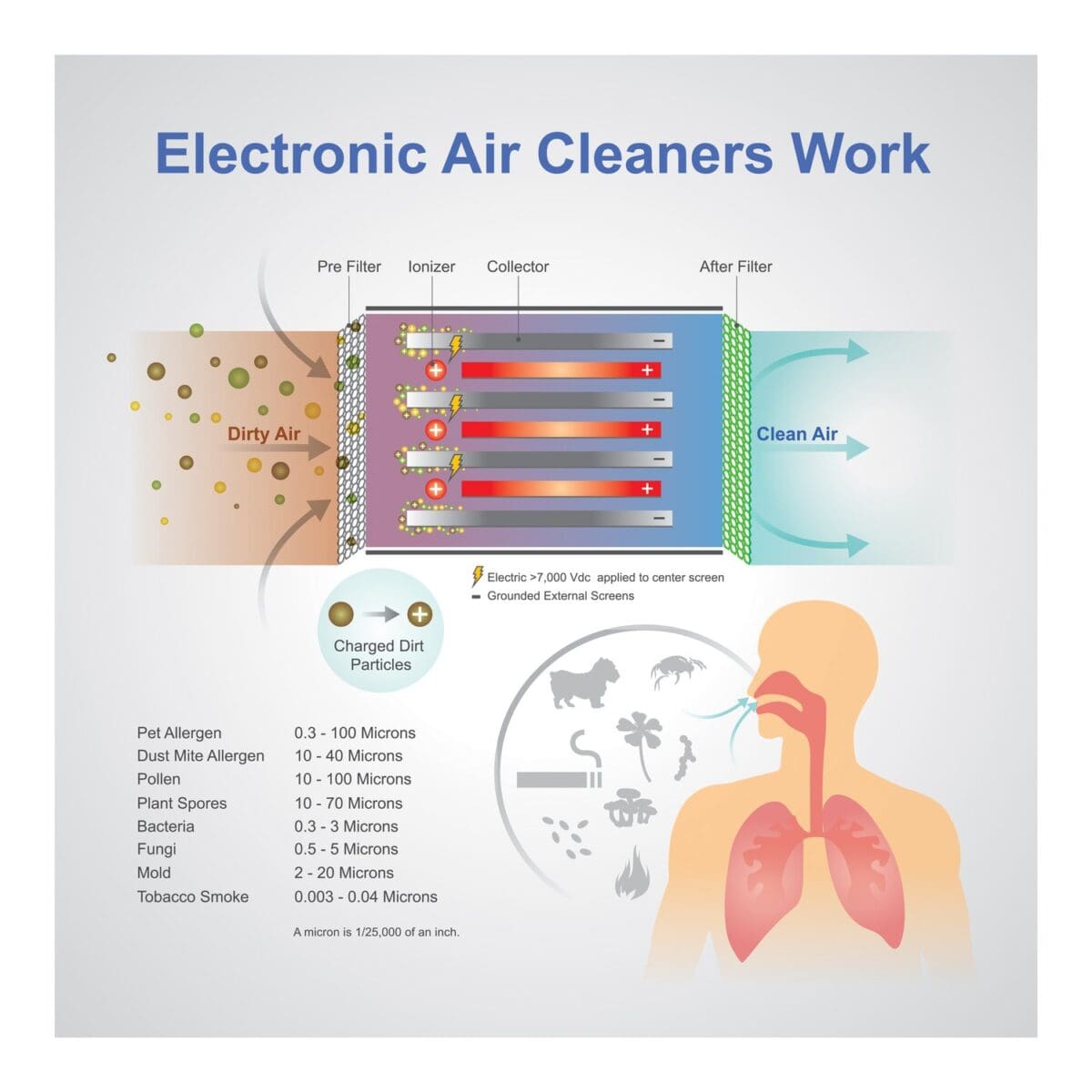
Ionizers and electrostatic precipitators
- What they do: Charge particles so they stick to a collector plate or fall out of the air.
- Good for: Fine particles and smoke.
- Note: Some models produce ozone as a byproduct. Ozone can irritate lungs.
Ultraviolet (UV-C) light
- What it does: Damages DNA/RNA of microbes to reduce viability.
- Good for: Reducing bacteria and viruses on air passing near the lamp.
- Note: UV is effective only when exposure time and intensity are sufficient.
Photocatalytic oxidation (PCO) and PECO
- What they do: Use light plus a catalyst to convert gases into simpler compounds.
- Good for: VOCs and some biologicals.
- Note: Some systems can form byproducts; performance varies.
How does an air purifier work? The answer depends on which of these technologies a unit uses and how they are combined. In my experience, pairing HEPA with activated carbon covers the widest range of common home pollutants.

What air purifiers remove — particles, gases, and microbes
Air purifiers are not magic. They are good at certain tasks and limited at others. Here’s a clear list of what most purifiers can and cannot do.
Commonly removed pollutants
- Particulate matter: Dust, pollen, pet dander, mold spores, smoke particles.
- Some microbes: Bacteria and viruses can be reduced by HEPA capture or UV treatment.
- Gases and odors: Volatile organic compounds and smells when activated carbon or PCO is included.
Pollutants not reliably removed
- Large leaks and continuous pollutant sources: A purifier won’t stop smoke from a grill outside if doors are open.
- Carbon monoxide: Most purifiers do not remove CO; a detector is required.
- Deep-seated mold in walls: Purifiers help airborne spores but not the root cause.
People often ask if how does an air purifier work? to remove allergens and viruses. Short answer: yes for many allergens and some viruses, especially with HEPA plus additional treatments, but effectiveness depends on air changes per hour and proper sizing.
How to choose the right air purifier for your needs
Choosing well saves money and improves air quality faster. Focus on these factors.
Room size and CADR
- Look for CADR (Clean Air Delivery Rate) ratings that match your room size.
- Higher CADR means faster cleaning for smoke, pollen, and dust.
Filter type and replacement costs
- True HEPA and sufficient activated carbon make for versatile performance.
- Check filter life and cost. Cheap upfront units can be pricey to maintain.
Noise and fan speed
- Quiet operation matters if you use it in bedrooms. Check decibel ratings.
- Many units offer sleep modes that run slower and quieter.
Energy use and certifications
- Look for Energy Star ratings to save on power.
- Check for third-party verification of filter claims and CADR.
Budget and long-term value
- Consider initial price plus yearly filter costs.
- I have tested affordable and premium units; spending a bit more on a tested brand often reduces long-term costs.
How does an air purifier work? When paired with the right filters and sized for the room, it will meet most indoor air goals. Pick a unit based on what you need to remove, not on bells and whistles.

Maintenance, placement, and tips for better performance
A well-maintained purifier works far better. Small habits make a big difference.
Basic maintenance tasks
- Replace HEPA and carbon filters per the manufacturer schedule.
- Clean pre-filters regularly to keep airflow strong.
- Wipe intake and exhaust vents to avoid dust buildup.
Placement tips
- Place the unit where air circulates freely, not tucked behind furniture.
- Avoid corners and low spots where airflow is poor.
- For larger rooms, consider two smaller units rather than one central unit.
Operation tips
- Run the purifier continuously for best results, especially during allergy seasons.
- Use higher fan speeds when cooking or when smoke is present.
- Combine with source control: fix leaks, ventilate when needed, and avoid indoor smoking.
From testing many units, I learned that skipping filter changes or poor placement cuts effective cleaning by half. Treat the purifier like a pet: it needs regular care.
Limitations, safety, and realistic expectations
Be honest about what an air purifier can do. They are tools, not cures.
Limitations to keep in mind
- Speed: Cleaning a large room takes time; expect gradual improvement.
- Source control: If pollutants are constantly released, purifiers must run continuously.
- Health limits: Purifiers help reduce exposure but are not medical devices for severe respiratory disease.
Safety concerns
- Avoid ozone generators marketed as purifiers; ozone can harm health.
- If a unit produces odors or irritation, stop using it and check for malfunction or ozone emission.
Real-world performance notes
- Studies show HEPA filters reduce airborne particulate counts significantly in many settings.
- A unit’s tested CADR and real placement strongly determine outcomes.
How does an air purifier work? It reduces airborne contaminants but cannot replace good ventilation, leak fixes, or sound building maintenance. Be wary of marketing that overpromises.
Frequently Asked Questions of How does an air purifier work?
How often should I run my air purifier?
Run it continuously for best results. If noise or energy is a concern, use a lower fan speed at night and increase during high pollution events.
Can air purifiers remove viruses like the flu or COVID-19?
Many HEPA-equipped purifiers can capture virus-sized particles carried on droplets. They reduce airborne risk but are one part of a layered approach with ventilation and hygiene.
Do air purifiers remove smoke from wildfires?
Yes, HEPA filters capture fine smoke particles. Activated carbon helps reduce smell and gases, but heavy smoke may require higher airflow and close sealing of windows.
Will an air purifier remove mold growth in my walls?
No. Purifiers reduce airborne mold spores but cannot remove mold growing inside walls. Address moisture and remove the mold source.
Is a HEPA filter enough, or do I need carbon too?
HEPA is best for particles. Add activated carbon if you need to remove odors, VOCs, or smoke gases.
Conclusion
You now know how does an air purifier work? It pulls air in, removes particles and gases using filters or treatments, and returns cleaner air. Choose a unit sized for your room, favor true HEPA plus carbon for broad protection, and keep it well maintained. Start by measuring room size, check CADR, and look after filters to get the results you want. Try one in the room you spend the most time in, monitor changes, and adjust settings as needed. If this was useful, subscribe for more guides or leave a comment with your questions and experiences.

