

How do you use a shop vacuum safely? The short answer is that safe use starts long before you flip the switch. You match the machine, filter, and setup to the exact material you plan to pick up.
Get that wrong, and a standard garage tool can become a source of electric shock, fire, or lung damage.
As of 2026, that isn't just theoretical. The National Electrical Code already requires GFCI protection for garage and basement outlets, and the IEC's dust classification system, Class L, Class M, and Class H, sets clear thresholds for what a vacuum can safely handle. Understanding those basics is the difference between a clean shop and a safety incident.
So let's walk through the actual safe-use formula.
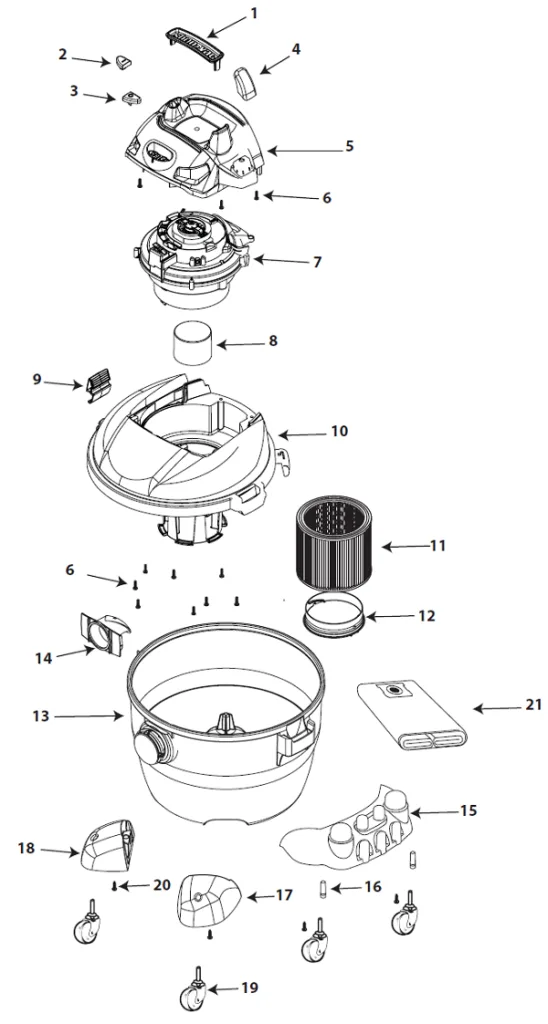
Image source: Web (Bing) / vacuumsrus.com (Web image (fair-use with source credit))
Quick Answer: What Safe Shop Vacuum Use Looks Like in One Minute
Use the right filter for the material. Swap to a foam filter before wet pickup. Plug into a GFCI-protected outlet.
Never vacuum flammable liquids or hot ashes. Empty the tank outdoors with a dust mask.
Why This Matters More Than You Think
Most people treat a shop vacuum like an indestructible garbage can. It's not. A standard household vac is built for light dust, not the heavy loads a wet/dry vacuum sees.
Push beyond that limit, and the failure can be sudden.
- Electric shock happens when water reaches motor internals or a damaged cord touches a wet floor.
- Fire happens when combustible dust or hot embers find an ignition source.
- Explosion happens when fine metal dust or solvent vapors build up inside.
- Lung damage happens when fine dust blows straight through a worn filter.
In our research, the most common cause of incidents isn't faulty equipment. It's the wrong filter for the material. OSHA's respirable crystalline silica standard sets a permissible exposure limit of 50 micrograms per cubic meter over an eight-hour workday.
A standard shop vacuum without HEPA filtration can send that dust straight back into the air. If you're cutting concrete, brick, or stone, treat cleanup as part of the hazard.
Combustible dust is less visible but just as serious. NFPA guidance warns that aluminum, magnesium, and even fine sawdust can ignite when suspended in air. A motor spark inside the vacuum is all it takes.
That's why every step in this guide exists.
Before You Start: Know Your Shop Vac's Limits
Before you buy a filter or connect a hose, you need to know what your vacuum can actually do. The manual is the starting point. It tells you whether the tank is rated for wet pickup, what filter class it ships with, and how the automatic float shutoff works.
If you don't have the manual, look at the nameplate. It should list wattage, amperage, tank material, and wet and dry symbols. A metal tank conducts static and can corrode faster than plastic.
A polypropylene tank is lighter but more prone to static buildup without an anti-static hose.
| Mode | Required filter | Biggest risk |
|---|---|---|
| Dry pickup | Cartridge filter + collection bag | Dust blowing through motor |
| Wet pickup | Foam wet filter, remove paper cartridge | Water reaching motor |
| Ash pickup | Dedicated ash vacuum | Live embers igniting debris |
HEPA filters capture 99.97% of particles at 0.3 microns. That's fine for general dust, but not accepted for asbestos or lead renovation work. For that, you need a Class M or Class H vacuum per IEC 60335-2-69.
Also, check the hose and tank seals before every session. A cracked seal lets fine dust escape and weakens suction. If you're already dealing with poor pickup, it might be a clog.
That's the same issue that causes a pool vacuum to keep getting stuck when debris blocks the head. The same troubleshooting approach for stuck pool vacuums applies here.
Choosing the Right Filter and Setup for the Job
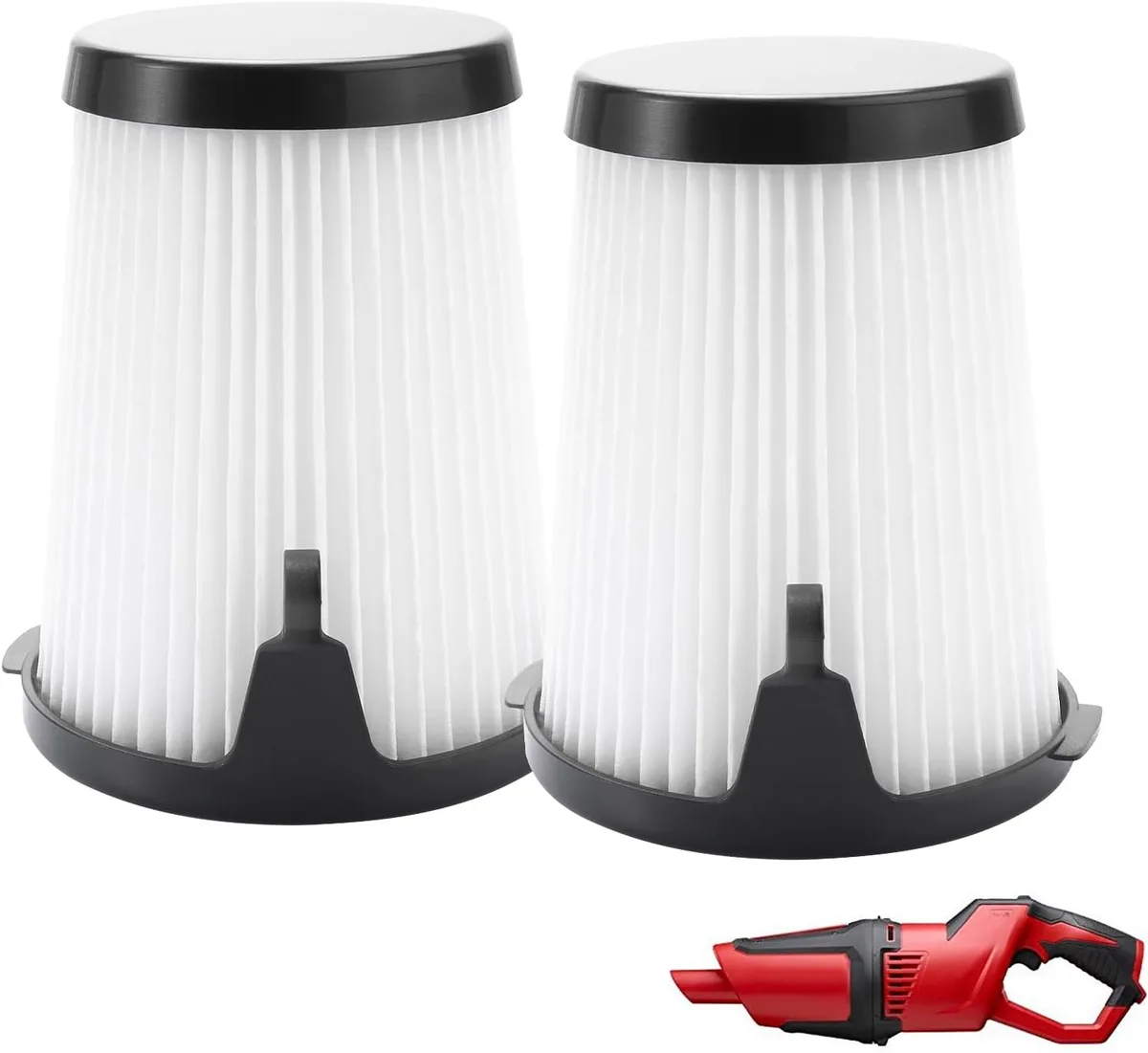
Image source: Web (Bing) / plantserviceco.com (Web image (fair-use with source credit))
Filter selection is the single biggest safety decision you make. It determines what stays captured and what gets blown back into your face. Your setup changes based on the material, so don't assume one filter is permanent.
- Dry pickup: use the dry cartridge filter. Add a disposable collection bag for fine dust. The bag keeps dust locked in when the filter pulses clean.
- Wet pickup: remove the paper cartridge and install a foam wet filter. The foam blocks water from reaching the motor. Never use a dry paper filter on wet material.
- Ash pickup: don't use a regular shop vacuum. Ash can stay hot for days. A dedicated ash vacuum uses a metal canister and special filter to contain embers.
- Hazardous dust: for lead, mold, or silica, use a Class M or Class H vacuum with HEPA-rated filtration. These machines meet stricter leak limits per IEC 60335-2-69.
| Material | Filter | Setup |
|---|---|---|
| Dry sawdust | Dry cartridge + bag | Standard dry mode |
| Water spill | Foam wet filter | Wet mode, remove bag |
| Ashes | Ash vacuum | Metal tank, dedicated filter |
| Lead, silica, mold | Class M/H HEPA vac | Full PPE, sealed bags |
As of 2026, manufacturer specs are clearer than ever. Class H machines must capture 99.995% of hazardous dust. That's the difference between cleaning up and spreading contamination.
And when the filter gets dirty, clean or replace it on schedule. The same care applies to cleaning the filter in a robotic pool vacuum.
Safe Operation: Step-by-Step From Plug-In to Emptying
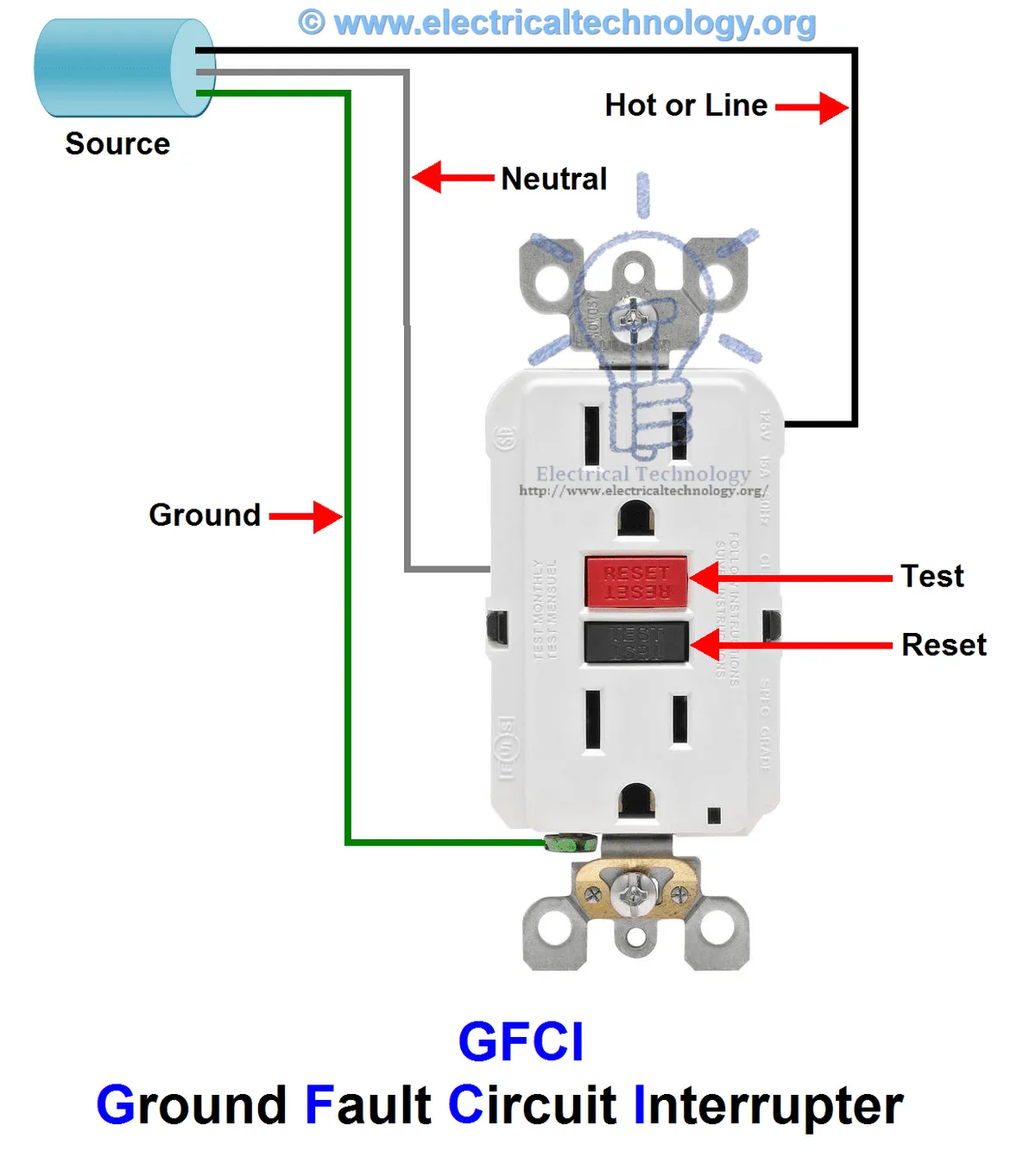
Image source: Web (Bing) / net3d.hu (Web image (fair-use with source credit))
With the right filter in place, the next part is all about process. Follow these steps every time. They only add a few minutes, but they prevent most common accidents.
- Inspect the power cord and hose. Look for cracks, exposed wires, or loose connections. A damaged cord near water is a shock risk. A cracked hose can also collapse under suction, which kills airflow and overheats the motor.
- Check the filter and bag. Make sure the filter is dry for dry use and the foam sleeve is clean for wet use. A clogged filter makes the motor work harder and can cause overheating.
- Plug into a GFCI-protected outlet. The National Electrical Code requires GFCI protection for garage and basement receptacles. If your outlet isn't protected, use a GFCI adapter. Never bypass the ground pin.
- Connect the hose and attachments. For dry jobs, use an anti-static hose or grounding wire if your vacuum has one. Static discharge can ignite volatile dust.
- Start with low suction. When you're cleaning near electronics, fine powder, or open windows, low power reduces blowout.
- Monitor the tank level during wet pickup. The automatic float shutoff cuts suction when water reaches a set level. Stop before the tank gets too full. If suction drops early, check for clogs before changing filters. That's the same logic used to solve pool vacuum suction problems.
- Empty the tank outdoors. Wear a dust mask and gloves. Open the lid slowly, because fine dust clouds are easy to inhale. Dispose of bags according to the hazard type.
- Turn off and unplug before any maintenance. Never reach into the tank while it's connected to power.
If you must use an extension cord, pick a heavy-gauge one rated for the vacuum's amperage. A 16-gauge cord on a 12-amp vacuum can overheat. This is the same kind of overload that makes a pool vacuum hose collapse when the pump pulls too hard.
You can find more on that hose collapse fix here.
Common sense covers the rest. Keep the area dry, avoid standing water while the vacuum is running, and shut it down if you smell burning rubber or hear the motor strain. That's usually a sign of a blocked hose or a failing motor.
Routine care after each job keeps things safe for the next one. Wipe down the hose, empty the tank, and hang the cord loosely. The same discipline that helps with maintaining a robotic pool vacuum applies here too.
The Safety Rules Most People Forget
Even experienced users skip steps that end up costing time, money, or health. We've grouped the most commonly ignored rules below. If one of these sounds familiar, you're not alone.
- Never vacuum gasoline, paint thinner, or solvents. Their vapors are highly flammable. The motor's brushes can spark and ignite them.
- Never vacuum hot ashes or glowing embers. A standard shop vacuum isn't designed for that. Use a dedicated ash vacuum with a metal canister.
- Keep the exhaust pointed away from you. Some machines blow fine dust straight back into your face. Position the vacuum downwind of your work area.
- Watch for combustible dust. Fine sawdust, aluminum powder, and even flour can ignite when suspended in air. A motor spark inside the tank is enough to trigger it.
- Use an anti-static hose whenever possible. Static discharge is more than a nuisance. It can ignite volatile dust and cause shocks near flammable materials.
One more rule worth repeating: never leave a running shop vacuum unattended. A clogged hose, a full tank, or a failing motor can turn a routine job into a hazard in minutes.
Mistakes to Avoid: What Actually Gets People Hurt
Every mistake below shows up in real incidents. Some cause property damage. Others send people to the emergency room.
| Mistake | The risk | What to do instead |
|---|---|---|
| Using a dry cartridge filter for wet pickup | Water reaches the motor, causing shock | Swap to a foam wet filter first |
| Ignoring the float shutoff valve | Overflow and motor damage | Stop as soon as suction drops |
| Vacuuming lead or silica without HEPA | Toxic dust blows back into the air | Use a Class M or H vacuum |
| Pulling the plug while the motor runs | Sparks near dust and vapors | Switch the vacuum off first |
The most common theme is haste. Someone wants to finish quickly, skips the filter swap, and pays for it later. Another frequent issue is vacuuming unknown powders without checking the material first.
If you don't know what the dust is, assume it's hazardous. NFPA documentation on combustible dust describes how ordinary-looking powders can explode under the right conditions, so check the NFPA's combustible dust resources before you clean up something unusual.
Maintenance and Storage for Long-Term Safety
Safe operation doesn't end when the tank is empty. How you care for the vacuum affects how it performs next time.
- Empty the tank after every heavy job. Fine dust cakes onto seals and corrodes them over time.
- Rinse the tank after wet pickup. Dry it thoroughly before storage to prevent mold and odors.
- Tap or brush the cartridge filter after dry use. Replace it if the pleats are stained, torn, or clogged beyond cleaning.
- Check the hose and power cord monthly. A small crack worsens quickly and turns into a shock hazard.
If you notice a burning smell or the motor sounds strained, shut the vacuum off immediately. That usually means the filter is clogged or airflow is blocked. Fix the problem before using it again, because heat buildup can melt components and start a fire.
When to Call a Pro or Buy a Different Tool
A regular shop vacuum handles everyday messes. Some jobs require more than a home-grade machine.
- Flood cleanup with sewage or chemicals: hire a professional restoration crew. Consumer vacuums are not built for contaminated water.
- Lead or asbestos residue: EPA rules require certified contractors with specialized HEPA equipment. DIY cleanup spreads the hazard.
- Large amounts of silica dust: use a Class M or H vacuum for routine jobs. High-exposure work needs a trained professional.
- Commercial woodworking shops: install a dust extractor instead of relying on a portable shop vac for continuous dust collection.
OSHA sets the rule plainly. OSHA's silica regulation requires dust control measures that a standard shop vacuum cannot meet. If the job involves cutting concrete, brick, or stone, skip the DIY approach and invest in the right class of extractor.
Frequently Asked Questions
Can I vacuum water with a regular shop vacuum?
Only if it's a wet/dry model with the foam filter installed. Remove the paper cartridge and collection bag before wet pickup. The float shutoff stops suction when the tank is full.
Never vacuum water near live electrical outlets or submerged cables.
Is it safe to vacuum drywall dust without a HEPA filter?
No. Drywall dust is fine enough to pass through standard cartridges and blow back into the air. Use a HEPA filter or a high-efficiency particulate filter.
Wear a dust mask while emptying the tank. Better yet, attach the sander directly to the vacuum to capture dust at the source.
What happens if I vacuum gasoline with a shop vac?
You risk a fire or explosion. Gasoline vapors are highly flammable and the motor creates sparks. A wet-rated vacuum is still not safe for fuels or solvents.
Call a hazmat service for significant fuel spills instead of attempting a cleanup yourself.
Can I use a shop vacuum to clean a fireplace?
Only if you own a dedicated ash vacuum. Regular shop vacuums are not built for smoldering embers. Hot ash can melt the tank or ignite the filter.
Let the ashes cool for at least 48 hours before vacuuming.
How do I stop getting shocked by static on the hose?
Use an anti-static hose or a grounding wire if your vacuum supports one. Static builds up when dry air moves through plastic tubing. Running the vacuum in a more humid space helps, though that's not always practical.
Static shocks are mostly unpleasant, but they can ignite combustible dust, so take them seriously.
Verified Summary: The Rules That Keep You Safe
The safest shop vacuum routine comes down to five habits. Master these, and you cover the vast majority of risks.
- Match the filter to the material. Dry cartridge for dry pickup, foam sleeve for wet pickup, and a Class M or H vacuum for hazardous dust. Never mix those roles.
- Plug into GFCI protection. Garage and basement outlets should already have it. If yours don't, use a GFCI adapter or call an electrician. Don't rely on a standard outlet.
- Treat flammables and hot debris as off-limits. Gasoline, solvents, ash, and glowing embers have no place inside a standard shop vacuum. Use a dedicated ash vacuum or call a professional.
- Empty the tank outdoors with a dust mask. Fine dust clouds form the moment you open the lid. A simple NIOSH-approved respirator keeps that dust out of your lungs.
- Check the cord, hose, and seals before every job. A small crack turns into a shock hazard or causes suction loss that overworks the motor. Thirty seconds of inspection prevents hours of trouble.
| If the material is… | Use this setup | And remember… |
|---|---|---|
| Dry sawdust or general debris | Dry cartridge filter + collection bag | Empty before the tank packs tight |
| Water or wet spills | Foam wet filter | Stop when the float shutoff kicks in |
| Ash or embers | Dedicated ash vacuum | Wait 48 hours after the fire |
| Lead, silica, or mold | Class M/H HEPA vacuum | Wear full PPE and sealed bags |
The final rule is knowing your limits. A shop vacuum is a powerful tool, but it is not a universal cleanup machine. Flood water with sewage, asbestos debris, and large fuel spills require professional equipment and training.
Trying to save money in those situations can cost far more later.
When in doubt, err toward caution. The extra few minutes spent changing a filter, moving the vacuum outdoors, or calling a professional are never wasted. That's what safe shop vacuum use really looks like.

