Playing darts seems simple: throw, hit, score. But the equipment matters much more than most people think. If you’re wondering, can you use steel tip darts on any dart board, you’re not alone. Many beginners buy darts and boards without checking if they work together. Sometimes, this leads to damage, poor gameplay, or wasted money.
Let’s clear up the confusion. This guide explains which dart boards are suitable for steel tip darts, why some boards aren’t, and what happens if you mix the wrong types. Along the way, you’ll get practical advice, real examples, and comparisons to help you make smarter choices.
What Are Steel Tip Darts?
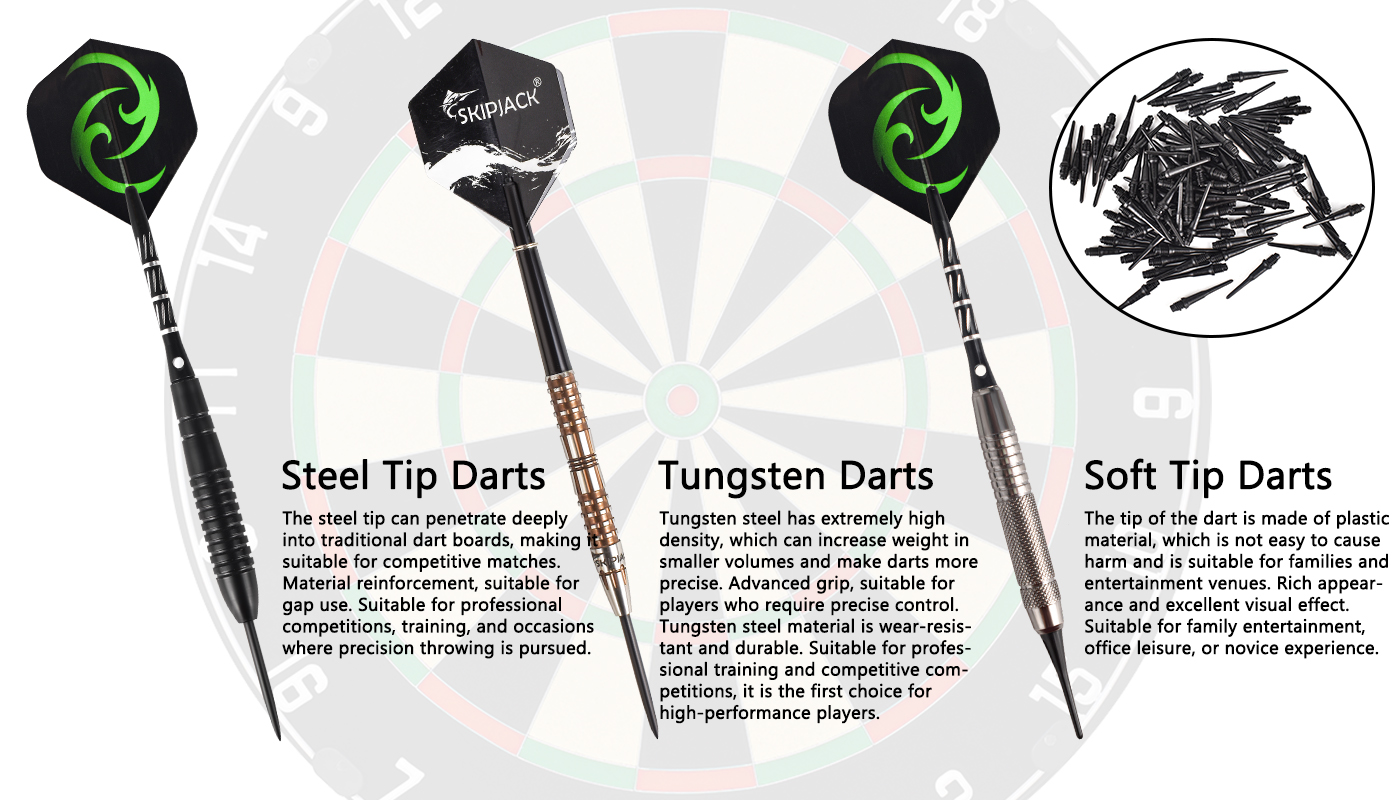
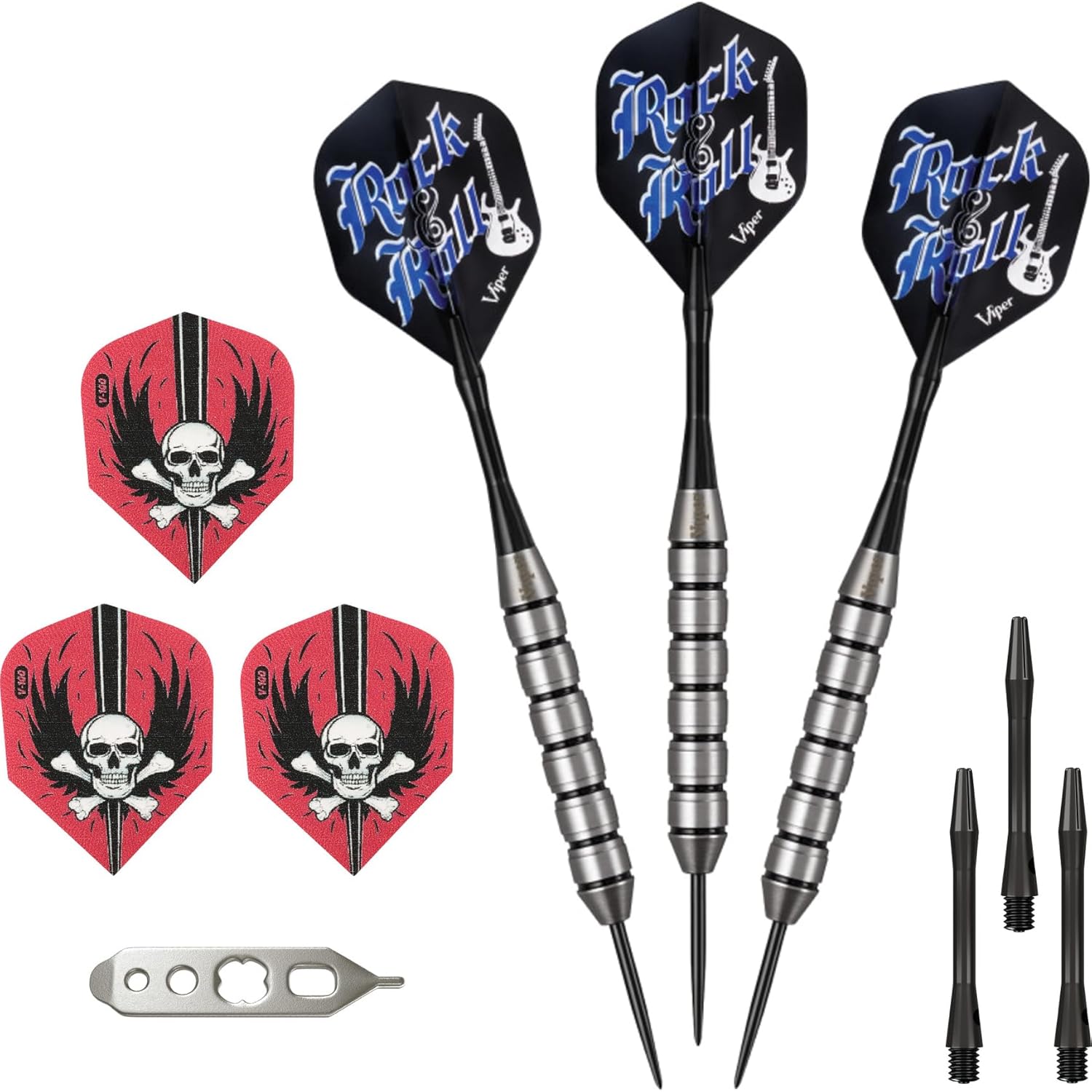
Steel tip darts are the classic darts used in most traditional and professional settings. Their pointed metal tips are designed to penetrate specific dart board surfaces. Usually, they’re heavier than soft tip darts and offer better control.
Steel tip darts:
- Weigh between 18–30 grams
- Have sharp, durable points made from steel
- Are used in leagues, pubs, and tournaments
Soft tip darts are different. They have plastic tips meant for electronic boards, and are usually lighter. Mixing up these types can cause problems, so knowing the difference is key.
Types Of Dart Boards
Before using your steel tip darts, you need to know the types of dart boards available. Not every board can handle steel tips.
Bristle Dart Boards
Bristle boards are the standard for steel tip darts. Made from compressed sisal fibers, these boards heal themselves when you remove the dart. That’s why they last longer and are found in most pubs and professional tournaments.
- Average lifespan: 2–5 years with regular use
- Easy to maintain
- Suitable for all steel tip darts
Electronic Dart Boards
Electronic boards are made for soft tip darts. Their surfaces are usually plastic with tiny holes that register the score electronically.
- Designed for soft tip darts only
- Using steel tips can crack or damage the board
- Common in home setups and casual play
Paper Dart Boards
Paper boards are cheap and made for beginners or children. They’re composed of layered paper glued together.
- Wear out quickly (weeks or months)
- Can handle steel tips, but damage is likely
- Not recommended for frequent use
Wooden Dart Boards
Some older boards use wood (like elm or poplar). These are rare today, but still found in vintage setups.
- Accept steel tip darts
- Require regular soaking to prevent cracks
- Not self-healing; wear out faster
Magnetic Dart Boards
These are for kids or casual players. They use flat magnetic darts—not steel tip darts.
- Steel tips cannot be used
- Will not work; may scratch or break the board
| Dart Board Type | Steel Tip Compatible? | Durability | Price Range |
|---|---|---|---|
| Bristle | Yes | High | $30–$80 |
| Electronic | No | Medium | $40–$200 |
| Paper | Yes (limited) | Low | $10–$25 |
| Wooden | Yes | Medium | $40–$100 |
| Magnetic | No | Low | $15–$30 |
Why Steel Tip Darts Can’t Be Used On All Boards
It’s tempting to use steel tip darts on any board you have. However, this can cause several problems:
Damage To Electronic Boards
Steel tips are sharp and heavy. They can:
- Crack the plastic surface
- Jam or break the scoring sensors
- Void the warranty
Most manufacturers warn against using steel tips on electronic boards. Even one throw can break the board.
Short Lifespan For Paper Boards
Paper boards can handle steel tips, but only for a short time. The steel tips punch holes and tear the layers. After a few games, the board will look worn out and may not hold darts anymore.
Safety Issues
Steel tip darts are not safe for magnetic boards or other toy boards. They can bounce off, causing injuries or damaging nearby objects.
Poor Gameplay
If you use steel tips on the wrong board, darts may not stick properly. This leads to frustration, inconsistent scores, and a bad playing experience.
Bristle Boards: The Best Choice For Steel Tip Darts
If you want to use steel tip darts, bristle boards are the gold standard. They’re used in professional tournaments like the PDC World Darts Championship.
Benefits of bristle boards:
- Self-healing surface
- Good grip for steel tips
- Long-lasting
- Easy to clean and maintain
You can play thousands of games before needing a replacement, especially if you rotate the board every few weeks.
How To Identify A Suitable Dart Board For Steel Tip Darts
Choosing the right board isn’t just about price or looks. Here are some signs you have a board that works with steel tip darts:
- Material: Sisal fiber (bristle) or wood
- Thickness: At least 1.5 inches
- Wiring: Thin, staple-free wires (for fewer bounce-outs)
- Weight: Heavier boards are usually more durable
- Branding: Check for “steel tip compatible” on packaging
If your board is made of plastic, has tiny holes, or is labeled for “soft tip darts,” don’t use steel tips.
What Happens If You Use Steel Tips On The Wrong Board?
Many beginners try steel tips on electronic or magnetic boards, hoping it will work. Here’s what usually happens:
- Darts bounce off, damaging the board and wall
- Holes or cracks appear in the board
- Scoring sensors break on electronic boards
- Darts may become blunt or bent
- The board may become unusable within weeks
Replacing a damaged board is expensive. Repair isn’t possible for most electronic boards. Always match your darts to your board.

Comparing Steel Tip And Soft Tip Darts
To understand why steel tip darts need specific boards, it helps to see how they differ from soft tip darts.
| Feature | Steel Tip Darts | Soft Tip Darts |
|---|---|---|
| Tip Material | Steel | Plastic |
| Weight Range | 18–30g | 14–20g |
| Board Type | Bristle, wood | Electronic |
| Durability | High | Medium |
| Usage | Professional, pub | Casual, home |
Practical Tips For Buying Dart Boards
When shopping for a dart board, don’t just pick the cheapest or most colorful one. Here are some smart tips:
- Check compatibility: Only buy boards labeled for steel tip darts
- Look for staple-free wiring: Reduces bounce-outs
- Choose reputable brands: Such as Winmau, Unicorn, or Viper
- Read reviews: See what other steel tip players say
- Measure your space: Bristle boards are heavier and need proper mounting
Beginners often miss the importance of staple-free wiring. Staples can cause bounce-outs, making your game frustrating. Also, rotating the board every few weeks prevents uneven wear, which most new players overlook.
Common Mistakes When Using Steel Tip Darts
Many people make simple errors, especially when starting out:
- Using steel tips on electronic boards: Damages the board instantly.
- Neglecting board maintenance: Not rotating the board leads to worn spots.
- Ignoring weight limits: Very heavy darts may damage paper or wooden boards.
- Choosing boards based on looks: Colorful boards are not always durable.
- Mounting boards improperly: Loose boards move, causing bounce-outs.
Avoiding these mistakes saves money and improves your dart game.
How Professionals Set Up Steel Tip Dart Boards
Professional players and venues follow strict rules for steel tip dart setups:
- Board height: 5 feet 8 inches from floor to bullseye
- Throwing distance: 7 feet 9.25 inches from the board
- Lighting: Even, shadow-free
- Surround: Protective ring or cabinet to catch stray darts
Setting up your board this way gives you a true playing experience and protects your walls.
Real Examples: What Happens When You Mix Equipment
Let’s look at some real-life cases:
- Case 1: John bought an electronic board, then tried steel tip darts. Within two games, the board stopped working. The warranty didn’t cover steel tip damage. He spent $70 on a new board.
- Case 2: Maria used steel tips on a paper board. After one weekend, the board was shredded and couldn’t hold darts. She switched to a bristle board and never looked back.
- Case 3: A local pub upgraded to bristle boards after several customers complained their darts kept bouncing out of old wooden boards. The new boards lasted two years with daily use.
These examples show why matching the right darts and boards is important.
Maintenance Tips For Steel Tip Dart Boards
A bristle dart board can last years if you care for it:
- Rotate the board regularly: Prevents uneven wear
- Remove darts gently: Don’t twist or yank
- Clean with dry cloth: Avoid water or harsh cleaners
- Keep away from moisture: Prevents mold and fiber damage
- Check mounting: Make sure the board is stable
If you play often, rotate the board every 2–4 weeks. Beginners often forget this step, leading to early board wear.
Where To Find Reliable Dart Board Information
If you want to learn more about dart board materials, compatibility, or professional standards, check out the official rules and equipment details at the Wikipedia Dartboard Page. This site offers history, measurements, and global standards for dart boards.
Frequently Asked Questions
Can I Use Steel Tip Darts On An Electronic Dart Board?
No, you cannot. Steel tip darts will damage the plastic surface and break the scoring sensors. Only use soft tip darts on electronic boards.
Are Paper Dart Boards Suitable For Steel Tip Darts?
They can be used, but only for a short time. Paper boards wear out quickly and may not hold steel tip darts well after a few games.
What Is The Best Dart Board For Steel Tip Darts?
Bristle dart boards made from sisal fiber are the best choice. They’re durable, self-healing, and used in professional settings.
Is It Safe To Use Steel Tip Darts On Wooden Dart Boards?
Yes, but wooden boards require soaking and more maintenance. They don’t heal like bristle boards and may crack if not cared for properly.
How Do I Know If My Dart Board Is Compatible With Steel Tip Darts?
Check the material. If it’s sisal fiber (bristle) or wood, it’s compatible. Avoid boards made from plastic, with tiny holes, or labeled for soft tip darts.
—
Choosing the right dart board for steel tip darts is simple if you know what to look for. Stick with bristle boards for quality and durability. Avoid electronic or magnetic boards, and treat your equipment with care. With the right setup, you’ll enjoy better games, longer-lasting gear, and fewer headaches. Remember, matching your darts and board isn’t just about rules—it’s about having fun and playing safely.