

How do you choose a wet/dry vacuum? Start with the mess you clean most, not the biggest spec number. A vacuum built for sawdust will feel wrong after a flooded garage or muddy car floor.
Match the machine to your space, your power access, and your patience for setup.
Most household models hold between 2 and 16 gallons. Airflow is measured in CFM, and suction strength is often listed as peak horsepower. Neither number tells the whole story.
Let's walk through the choices that actually matter.
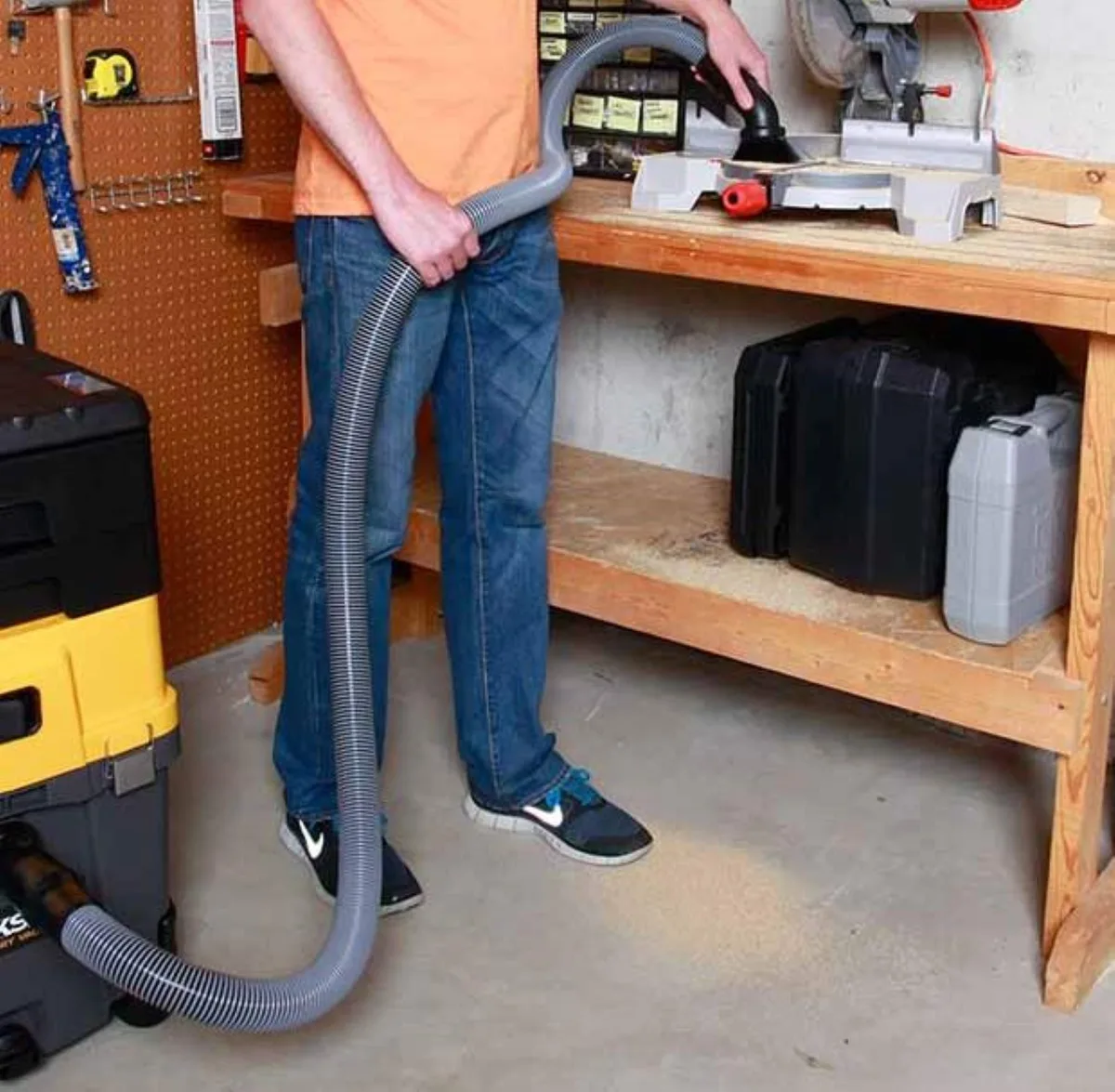
Image source: Web (Bing) / aruba.desertcart.com (Web image (fair-use with source credit))
Quick Answer
Choose a wet/dry vacuum based on what you'll clean most. Match tank size to your space and mess volume. Decide between corded power and cordless portability.
Then compare filters, hose size, and warranty coverage. Look at CFM and water lift instead of peak horsepower.
Why Choosing the Right Wet/Dry Vacuum Actually Matters
A wet/dry vacuum, also called a shop vac, handles dry debris and standing water with the same machine. It's the tool you grab after a plumbing leak, a drywall dust storm, or a trunk full of pine needles. That versatility makes it easy to buy the first model you see.
That's usually where the trouble starts.
The biggest frustration isn't suction. It's mismatched expectations. People buy a massive 16-gallon drum and have no place to store it.
Or they buy a tiny cordless unit and expect it to handle a flooded basement.
As of 2026, the market hasn't changed that reality. There's no single best wet/dry vacuum for everyone. There's only the best one for your situation.
Before you compare specs, answer three questions:
- What will you pick up most often?
- Where will you store it when it's not running?
- Do you have an outlet near the mess, or do you need to carry power with you?
If most of your messes are underwater, a shop vac is the wrong tool altogether. Dedicated robotic cleaners handle that job better.
The Core Tradeoff: Corded vs. Cordless Wet/Dry Vacuums
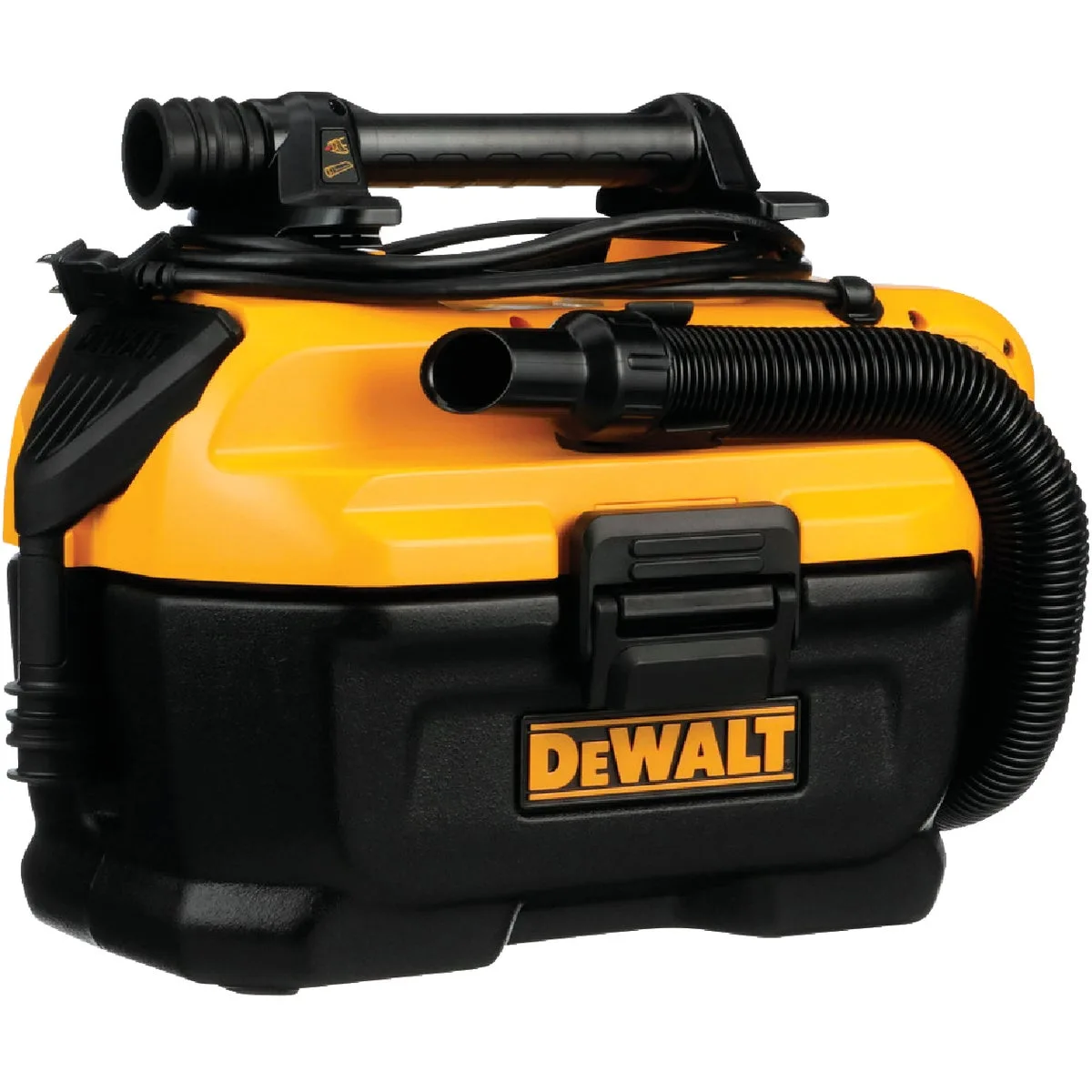
Image source: Bing (Web (fair-use with source credit))
The first real choice is power source. Corded vacuums plug into a wall outlet and deliver steady suction for as long as you need it. Cordless vacuums run on battery packs and let you clean anywhere, but runtime usually falls between 15 and 30 minutes under load.
If your messes are always near your garage or workshop, choose corded. If you're cleaning a car at a wash bay or hauling the vac up to an attic, cordless makes more sense. That portability has a price.
You'll be waiting on battery charges.
Battery-powered equipment, from shop vacs to robotic pool cleaners, has the same tradeoff. Runtime and power still lag behind corded performance.
| Feature | Corded Wet/Dry Vac | Cordless Wet/Dry Vac |
|---|---|---|
| Power source | Wall outlet | Battery (usually 20V to 60V) |
| Runtime | Unlimited | 15 to 30 minutes under load |
| Suction | Stronger and consistent | Good, but drops as battery drains |
| Portability | Limited by cord length | Fully portable |
| Best for | Basement flooding, garage, jobsite with power | Car detailing, quick cleanups, remote spots |
Corded models still dominate for heavy use. Cordless units are closing the gap, but if you're buying one machine for serious shop work, choose corded.
Tank Size, Peak Horsepower, CFM, and Water Lift: The Specs That Actually Matter
Tank size matters less than people think. The tank is just storage. A 2-gallon unit fills up quickly during liquid pickup.
A 12-gallon drum gives you room to work without stopping. But bigger tanks are heavier, harder to lift, and tougher to store.
Peak horsepower is a marketing number. It's not a real measurement of cleaning power. It refers to the motor's stall draw, not the suction at the nozzle.
Ignore it on the box. Look at airflow and water lift instead.
| Spec | What It Tells You | Typical Range |
|---|---|---|
| Tank capacity | How much you can collect before emptying | 2 to 16 gallons |
| Airflow (CFM) | Volume of air moving through the hose | 50 to 200 CFM |
| Static water lift | Suction strength against gravity | 40 to 100+ inches |
| Peak horsepower | Marketing number. Ignore it | 2.5 to 6.5 HP on boxes |
You don't need the top of either range. You need enough power to move the debris without stalling. The most common suction complaint is a collapsed hose, not a weak motor.
A collapsed hose chokes airflow and makes a strong vac feel weak.
Filters, Hoses, and Accessories That Make or Break Daily Use
The filter is the heart of any wet/dry vacuum. Cartridge filters are washable and work for most dry jobs. Foam sleeves slip over the cartridge for wet pickup.
HEPA filters trap fine dust and are worth it if you sand drywall or work around masonry. Filter bags keep the motor clean and make emptying less messy, but they're single-use.
Hose diameter changes the whole feel of the vacuum. A 1¼-inch hose is light, flexible, and easy to maneuver. A 2½-inch hose moves more air and handles bigger debris, but it's heavier and stiff.
Many homeowners choose 1½ inches as a happy middle ground.
Accessories matter more than you'd think. The nozzle in the box is rarely great. Plan to add a dedicated crevice tool, a rubber squeegee, and a rigid extension wand.
A clogged pickup head will choke any vacuum. That's true whether it's on a shop floor or a pool cleaner. Clearing the blockage quickly is the skill that separates smooth cleanups from frustrating ones.
Wet and Dry Performance: What "Dual Use" Really Means in the Real World
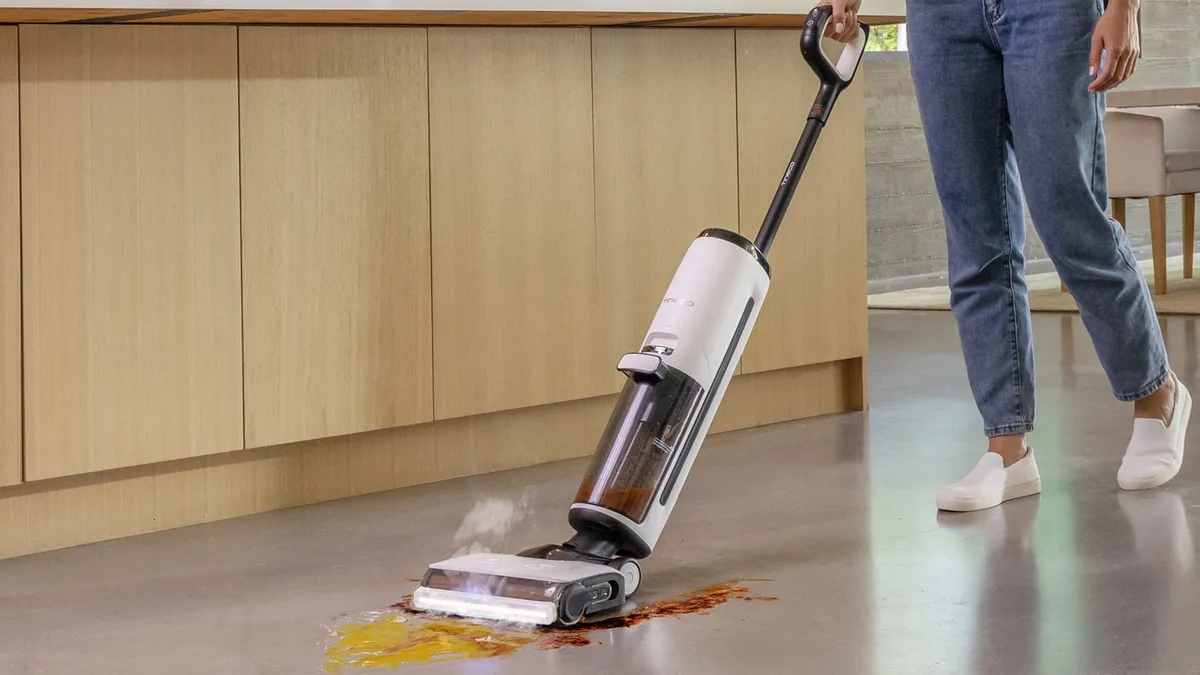
Image source: Web (Bing) / realhomes.com (Web image (fair-use with source credit))
Wet/dry vacuum does not mean wet and dry at the same time. It means one machine can handle both, but not with the same setup. For wet pickup, many models want you to remove the paper bag or cartridge filter.
Some models use a foam sleeve instead. Check the manual before you suck up water.
The auto-float shutoff is the most important safety feature on a wet/dry vacuum. When the tank fills with liquid, a float rises and cuts off airflow. If it fails, water reaches the motor and can ruin the machine.
Test it after every big water pickup by listening for the suction cutout.
Drywall dust is a different problem. Fine dust clogs standard filters fast. Use a HEPA cartridge or a dust bag rated for drywall.
For jobsite silica dust, a standard shop vac is not enough. OSHA requires a dust extractor rated for that hazard. The same common sense applies at home.
Never vacuum flammable liquids like gasoline. Never pick up hot ash or sparks. When you're extracting water near electrical outlets, plug the vacuum into a GFCI-protected circuit.
OSHA's safety guidance spells out these risks on work sites. If your machine loses suction during wet pickup, trace the airflow from nozzle to tank before blaming the motor. That same troubleshooting approach works for a pool vacuum that keeps losing suction.
Brand Breakdown: What Ridgid, Shop-Vac, DeWalt, Milwaukee, and Craftsman Do Well
Brand names matter in wet/dry vacuums because you're buying a long-term relationship with filters, hoses, and warranty service. The machine might last years. The accessories and consumables will follow you the whole time.
Ridgid has the strongest reputation in the value range, particularly for its registered lifetime warranty on many models. That warranty covers the vacuum itself, not the filter or accessories. Most buyers rank Ridgid high for features per dollar.
Shop-Vac practically invented the category. Their lineup spans tiny 2-gallon units up to commercial 16-gallon beasts. Parts are everywhere, and replacement filters are cheap.
They're the default choice when you want simplicity without brand fuss.
DeWalt and Milwaukee sell tools first and vacuums second. Their wet/dry vacs shine when you're already invested in their battery platforms. A shared battery system means no extra charging setup.
The tradeoff is price. Both brands cost more for less tank capacity.
Craftsman sits in the middle. Their wet/dry vacs are solid, affordable, and widely available, often sharing parts with larger tool brands. The quality matches the price point: fine for weekend workshops, less ideal for daily contractor abuse.
Side-by-Side Comparison: Common Models and Configurations at a Glance
Here's the short version of what you get across the typical range. The numbers below are representative ranges from manufacturer specifications, not exact models.
| Configuration | Tank Size | Power Source | Best For | Typical Price (2026) |
|---|---|---|---|---|
| Compact cordless | 2 to 4 gallons | 20V to 40V battery | Car interiors, quick spills, tight storage | $70 to $150 |
| Standard corded | 5 to 6 gallons | Corded 110V | Garage, household DIY, general workshops | $50 to $100 |
| Large drum corded | 10 to 12 gallons | Corded 110V | Bigger messes, construction debris, water extraction | $100 to $180 |
| Contractor grade | 14 to 16 gallons | Corded 110V or 220V | Daily jobsite use, heavy dust, continuous runtime | $180 to $300+ |
Use the table as a starting point, not a verdict. A 5-gallon unit with strong airflow can outperform a 12-gallon unit with a weak motor. Check the CFM rating, not just the tank size.
Sticking to a budget is smart. But remember that it's easy to be tempted by a bigger tank. Storage space counts just as much as pickup capacity.
Best For Each Use Case: Garage, Car Detailing, Jobsite Work, and Household Spills
If you're mostly tackling sawdust and workshop debris, a 5 to 6-gallon corded model with a cartridge filter covers you well. Add a dust bag for fine sanding jobs, and you're set. This is the most common recommendation for weekend DIYers.
For car detailing, go cordless and compact. A 3-gallon unit with a crevice tool reaches under seats and cleans floor mats without dragging a power cord across paint. Battery runtime is roughly 20 to 30 minutes, enough for a full interior.
This small configuration also works for quick kitchen spills and pet hair.
For heavy jobsite work, prioritize airflow and durability over portability. A 10-gallon or larger drum with a 2½-inch hose moves big debris fast. Check that the vacuum has tool-sync capability if you'll connect sander or saw dust ports.
That auto-start feature saves you from leaning over mid-project.
For household flooding or water cleanup, tank capacity and a working auto-float shutoff are non-negotiable. A 5-gallon tank fills faster than you'd think during a basement leak. Match the tank size to the scale of disasters you expect, not the ones you hope never happen.
The Most Common Mistakes to Avoid When Buying a Wet/Dry Vac
Buying too big is the most common error. A 16-gallon drum is miserable to haul up stairs and won't fit under a workbench. Most homeowners never fill a 5-gallon tank in a single session.
Ignoring the filter system is a close second. A vacuum with an awkward filter setup becomes a chore. You'll use it less.
Look for washable cartridge filters and easy access.
Forgetting about wet pickup is another trap. Some compact cordless units struggle with water because the motor and filter sit too close together. If you need wet pickup, verify the model has a rated liquid capacity and a float shutoff.
Skipping the warranty registration is a quieter problem. Ridgid's lifetime warranty on many models only activates if you register within 90 days. Skip that form, and you lose years of coverage on a major purchase.
Finally, trusting peak horsepower is a rookie mistake. That number describes stall draw, not real cleaning strength. Compare CFM and water lift instead.
The same principle applies to a pool vacuum losing suction. Marketing numbers rarely match real-world performance.
Cost Ranges, Warranty, and Long-Term Value
Wet/dry vacuums span a wide price range, but the sweet spot for most homeowners sits between $50 and $150. Entry-level corded models start around $40. Premium cordless units from tool brands can reach $300 or more.
Spending more doesn't automatically buy better suction. You're paying for battery integration, build quality, and finer dust filtration.
Warranty policies vary significantly between brands. Ridgid offers a registered lifetime warranty on many models, covering the vacuum and motor for the original owner. Shop-Vac generally provides a standard 1 to 2-year limited warranty.
DeWalt and Milwaukee back their units with solid warranties on most tools.
The long-term cost is the filter, not the machine. HEPA cartridges range from $20 to $50 each. Foam sleeves cost less but wear out faster.
If you vacuum fine dust often, budget for at least one replacement filter per year.
Noise is also a value metric. Manufacturer sound data shows most wet/dry vacuums operate between 70 and 85 decibels, which is loud enough to warrant hearing protection. Quieter models exist but usually cost more.
That extra spend buys comfort during extended cleanup sessions.
A well-matched wet/dry vacuum is a multi-year investment. Spend a little time comparing specs before you buy, and you'll avoid the frustration of a mismatched machine sitting in the corner.
Maintenance: Keeping Your Shop Vac Alive After Wet and Dry Pickup
Empty the tank after every session. Leaving wet debris sitting in a sealed drum invites mold and a smell no filter can fix. Rinse the tank with water and a little dish soap, then let it air dry with the lid cracked.
The filter needs equal attention. A washable cartridge filter should be rinsed and fully dried before the next use. A wet filter left in storage will mildew.
If you used a filter bag, replace it once it looks full, even if suction feels okay.
Check the float shutoff regularly. Run water into the tank until the suction cuts out. If it doesn't, adjust the float mechanism before you need it.
This five-minute test prevents a costly motor replacement.
Frequently Asked Questions
What size wet/dry vacuum should I buy?
Match the tank to your most common mess. A 2 to 4-gallon cordless unit is plenty for car interiors and apartment spills. A 5 to 6-gallon corded model suits most garage and workshop tasks.
Buy 10 gallons or more only for heavy construction debris or frequent water extraction.
Can I use a wet/dry vacuum for fine dust?
Yes, but not with the standard filter. Drywall and masonry dust will clog a basic cartridge filter almost instantly. Use a HEPA filter or a fine dust bag rated for the particle size.
For jobsite silica dust, standard shop vacuums aren't compliant with OSHA requirements.
How do I keep my wet/dry vacuum from smelling?
Rinse the tank after every wet pickup and dry it completely. Wash the filter if it got wet. A teaspoon of bleach in a full tank of water kills mold spores during cleanup.
Leave the lid off between uses so air circulates inside the drum.
Is a wet/dry vacuum safe to use indoors?
Wet/dry vacuums are safe indoors for typical messes. The motor vents exhaust air, so fine dust can recirculate if you skip a HEPA filter. For larger spills, use a GFCI-protected outlet to reduce electrical risk.
Never vacuum flammable liquids indoors or anywhere else.
How often should I replace the filter?
Replace a washable cartridge filter when it stops cleaning up well after rinsing, usually every 6 to 12 months with regular use. Replace disposable filter bags whenever they're about three-quarters full. Fine dust projects will shorten filter life significantly.
Final Verdict: How to Match a Wet/Dry Vacuum to Your Life
If you only do light garage cleanups, a 5-gallon corded model is the smart buy. It balances power, price, and storage. If you're an apartment dweller or detail your own car, a compact cordless unit wins on convenience.
Contractors and heavy workshop users should invest in a larger drum with high CFM and a tool-sync outlet. The extra cost pays off in daily reliability. And remember, the warranty matters as much as the motor.
For most buyers, the answer isn't the most expensive machine. It's the one that fits your messes, your storage, and your tolerance for maintenance. Choose that, and your wet/dry vacuum will earn its space in the garage.

