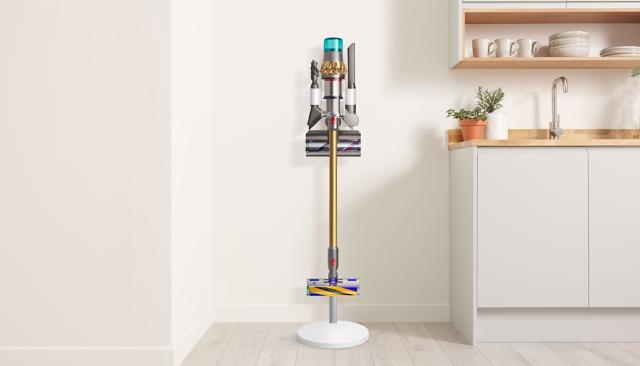
When you walk into a store or browse online, the world of vacuum cleaners can feel overwhelming. There are upright, canister, stick, robot, and handheld models, each promising the best results. Add the technical terms—HEPA filters, suction power, bagged vs.
bagless—to the mix, and choosing the right vacuum quickly becomes confusing. But picking the right machine doesn’t have to be hard. With a little guidance, you can find the perfect vacuum cleaner for your home, needs, and budget.
Know Your Cleaning Needs
Before you even look at brands or features, start by thinking about your home and lifestyle. The right vacuum for a small apartment is usually very different from what a large house with pets and carpets needs. Ask yourself these questions:
- What types of floors do you have (carpet, hardwood, tile)?
- Do you have pets that shed hair?
- Are there allergy sufferers at home?
- How often do you clean?
- Do you need to clean stairs or cars?
If you have mostly hard floors, for example, you don’t need the same vacuum as someone with thick carpets. Homes with pets or allergies need stronger filtration and special attachments. Identifying your needs first helps narrow your options fast.
Types Of Vacuum Cleaners
Each type of vacuum has strengths and weaknesses. Here’s a quick guide to the main styles.
Upright Vacuums
Upright vacuums are popular in North America. They stand tall and roll on wheels, making them great for cleaning large carpeted areas quickly. Most uprights have powerful suction, wide cleaning paths, and options for adjusting to different carpet heights. However, they can be heavy and harder to use on stairs or under furniture.
Canister Vacuums
Canister vacuums have a separate canister (the motor and dustbin) connected to a hose and wand. They are versatile and usually quieter than uprights. Canisters excel at cleaning hard floors, stairs, and even above-floor areas like curtains. Their flexible hose makes them easier to move around furniture, but they can be bulky to store.
Stick Vacuums
Stick vacuums are lightweight and slim, ideal for quick cleanups and small spaces. Many are cordless, which adds convenience but limits battery life. They’re great for hard floors and low-pile carpets but usually aren’t strong enough for deep cleaning thick carpets.
Robot Vacuums
Robot vacuums handle cleaning automatically. You set them up, and they roam around, picking up dust and debris. They’re excellent for daily maintenance, especially in busy homes or for people with mobility issues. However, they can miss corners and may struggle with high-pile carpets or lots of pet hair.
Handheld Vacuums
Handheld vacuums are small, portable devices for quick jobs—think car interiors, upholstery, or crumbs on the sofa. They’re not designed for cleaning whole floors but are very handy for spot cleaning.
Here’s a quick comparison of the main types:
| Type | Best For | Main Advantage | Main Drawback |
|---|---|---|---|
| Upright | Large carpeted areas | Strong suction | Heavy, less flexible |
| Canister | Mixed floors, stairs | Versatile, quiet | Bulky |
| Stick | Small spaces, quick cleanups | Lightweight, cordless options | Lower suction |
| Robot | Daily maintenance | Automatic cleaning | May miss spots |
| Handheld | Spot cleaning | Portable | Limited capacity |
Bagged Vs. Bagless: Which Is Better?
Vacuum cleaners come in bagged and bagless models. Each has benefits:
- Bagged vacuums trap dust in a disposable bag. They’re usually better for allergy sufferers because changing the bag releases less dust. But you’ll need to buy replacement bags regularly.
- Bagless vacuums collect dirt in a built-in container you empty. You save money on bags, but emptying the bin can release dust. They often need their filters cleaned or replaced.
If you have allergies, bagged vacuums are the safer choice. For convenience and lower long-term costs, go bagless—but be ready for a little more mess when emptying.
Key Features To Consider
With your cleaning needs and vacuum type in mind, focus on the most important features. Here’s what to look for:
Suction Power
Suction power tells you how well a vacuum can pick up dirt. It’s usually measured in air watts (AW) or in some cases, amps. More air watts mean more cleaning power, but not all brands list this number clearly.
Tip: Don’t trust motor wattage alone—it shows how much electricity the vacuum uses, not cleaning strength. Look for real-world reviews or suction ratings.
Filtration System
A good filtration system is key for trapping dust and allergens. HEPA filters capture 99.97% of particles as small as 0.3 microns, making them the gold standard for allergy sufferers. Some vacuums use washable filters, which save money but may not be as effective.
Weight And Maneuverability
Consider how heavy the vacuum is, especially if you have stairs. A lighter vacuum is easier to carry and move. Swivel steering also helps with maneuvering around furniture.
Corded Vs. Cordless
Corded vacuums offer unlimited run time and usually more power. Cordless vacuums are easier to use but have limited battery life—anywhere from 15 to 60 minutes per charge. For large homes, corded is safer. For small apartments, cordless can be enough.
Noise Level
If you live in an apartment or have young children or pets, noise level matters. Vacuums are measured in decibels (dB). Quieter models run at 60-65 dB, while powerful ones can go over 80 dB.
Attachments And Accessories
Most vacuums come with extra tools. The most useful are:
- Crevice tool for corners and edges
- Upholstery brush for sofas and chairs
- Pet hair tool for removing fur
- Extension wand for high places
Think about which ones you’ll actually use. Extra tools add value but can also clutter storage.
Dustbin Or Bag Capacity
A larger dustbin or bag means you empty or change it less often. For big homes or lots of pet hair, look for larger capacity models.
Here’s a side-by-side of key specs to watch for:
| Feature | Why It Matters | Typical Range |
|---|---|---|
| Suction Power | Cleaning performance | 100–250 AW (upright/stick) |
| Filtration | Allergy protection | Standard, HEPA |
| Noise Level | Comfort | 60–85 dB |
| Weight | Ease of use | 4–20 lbs |
| Capacity | Emptying frequency | 0.5–4 liters |

Special Considerations For Pets And Allergies
If you have pets, look for a vacuum with strong suction and a motorized brush roll. These features lift hair from carpets and furniture. Some brands offer specialized pet hair attachments and tangle-free brush rolls.
For allergies, a sealed system is just as important as a HEPA filter. This means all the air leaving the vacuum passes through the filter, so dust doesn’t escape back into the room.
Non-obvious insight: Some vacuums claim “HEPA-type” filters, but these don’t meet the true HEPA standard. Always check for “True HEPA” and a fully sealed system for best results.
Floor Type Matters
Matching your vacuum to your main flooring type makes a big difference.
- Carpet: Upright or canister with a motorized brush roll
- Hardwood/tile: Canister or stick with a soft brush, no scratching
- Mixed floors: Adjustable height or brush roll on/off switch
Non-obvious insight: Using the wrong vacuum on hardwood can scratch or scatter debris. Look for rubber wheels and soft rollers if you have delicate floors.
Your Budget: How Much Should You Spend?
Vacuum prices range from under $50 to over $1,000. More expensive doesn’t always mean better for your needs. Here’s a simple price guide:
- Under $100: Basic stick or handheld vacuums. Good for small spaces or occasional use.
- $100–$300: Decent uprights and canisters. Enough for most homes.
- $300–$600: High-end features, better filtration, and more power. Great for large homes or allergies.
- $600+: Premium brands, advanced robots, or specialty models.
Always check real customer reviews for reliability and service—not just features. Some budget vacuums outlast expensive ones with regular care.
Common Buyer Mistakes To Avoid
Even smart shoppers can make mistakes. Here are a few to dodge:
- Focusing on price over fit: The cheapest or most expensive isn’t always right. Match your vacuum to your needs first.
- Ignoring weight: Heavy vacuums can be hard to use, especially on stairs or for older adults.
- Overlooking filtration: For allergies or asthma, filtration is just as important as suction.
- Not checking maintenance needs: Some vacuums need frequent filter changes or complicated cleaning.
- Skipping the warranty: A good warranty can save headaches later—especially with robot and cordless vacuums.
How To Test Before You Buy
If you can, try vacuums in a store. Push them, lift them, and test attachments. If buying online, read customer reviews and check return policies.
Tip: Look for video reviews. Seeing a vacuum in action helps you judge noise, maneuverability, and real-life performance.
Top Brands To Consider
Some vacuum brands have a strong reputation for quality and customer service. Popular names include Dyson, Shark, Miele, Bissell, and Hoover. For those interested in robot vacuums, iRobot (Roomba) and Roborock are top choices.
For more on vacuum standards and ratings, the Consumer Reports website offers detailed tests and recommendations.
Maintenance: Keeping Your Vacuum In Top Shape
A vacuum is an investment, so take care of it:
- Empty dustbins or change bags before they’re completely full.
- Clean or replace filters as recommended—usually every 3–6 months.
- Check brush rolls for tangled hair and debris.
- Wipe sensors on robot vacuums regularly.
- Inspect hoses and attachments for clogs.
Regular care means better performance and a longer lifespan.
Frequently Asked Questions
What Is The Difference Between A Hepa Filter And A Regular Filter?
A HEPA filter traps 99.97% of tiny particles (down to 0.3 microns), including pollen and dust mites. Regular filters catch larger particles but may let fine dust escape. HEPA is best for allergies.
How Often Should I Replace Or Clean Vacuum Filters?
Most filters need cleaning every 1–3 months and replacing every 6–12 months, depending on use and brand. Washable filters last longer but should be fully dry before use.
Can A Robot Vacuum Replace A Regular Vacuum?
Robot vacuums are great for daily maintenance but usually can’t deep clean carpets like uprights or canisters. For best results, use a robot for upkeep and a regular vacuum for deeper cleaning.
Are Cordless Vacuums As Powerful As Corded Ones?
Cordless vacuums have improved, but most still offer less power and shorter run times than corded models. High-end cordless vacuums can handle regular cleaning in small homes but may struggle with heavy debris or large areas.
What’s The Average Lifespan Of A Vacuum Cleaner?
With regular maintenance, a good vacuum lasts 5–8 years. High-end models and well-maintained machines can last over a decade, while cheaper ones may need replacement sooner.
Choosing the right vacuum cleaner doesn’t have to be stressful. By focusing on your specific needs—home size, floor type, allergies, pets, and budget—you can find a machine that makes cleaning easier and more effective. Take your time, compare carefully, and remember: the best vacuum is the one that fits your life, not just the highest price or most features. Happy cleaning!