

Central vacuum systems clean more powerfully; portable vacuums win on convenience, price, and flexibility.
If you are weighing central vacuum vs portable vacuum, you are really deciding between whole-home power and everyday ease. I’ve compared both in real homes and used both styles across different floor plans, and the right choice usually depends on your space, cleaning habits, and budget. Below, I’ll break down the real differences so you can pick the option that fits your life, not just your floor.

Central Vacuum vs Portable Vacuum: What They Are
A central vacuum system is built into the home. It uses tubing hidden in the walls, with inlet ports placed in key rooms. You plug a hose into the wall, and the dirt gets carried to a canister in a garage, basement, or utility area.
A portable vacuum is the kind most people know. It moves with you and can be upright, canister, stick, handheld, or robot. It is simpler to set up, easier to move, and usually cheaper to buy.
The central vacuum vs portable vacuum debate is not just about suction. It is also about noise, maintenance, storage, installation, and how much effort you want to put into cleaning. In my experience, the best choice is the one that matches your home layout and your tolerance for daily friction.
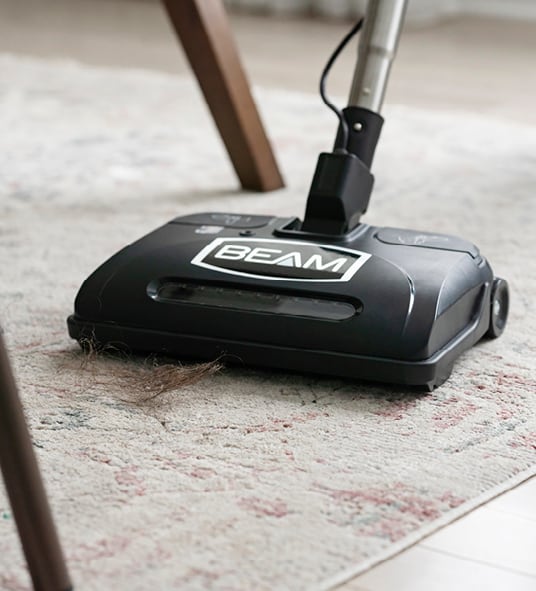
Central Vacuum vs Portable Vacuum: Key Differences at a Glance
Here is the simplest way to think about central vacuum vs portable vacuum.
- Central vacuum systems are built in, while portable vacuums are moved room to room.
- Central vacuums usually feel quieter in the living space because the motor sits far away.
- Portable vacuums cost less upfront and need no home remodeling.
- Central vacuums often offer strong, stable suction and larger debris capacity.
- Portable vacuums are better for renters, small homes, apartments, and quick cleanups.
When I first tested both in a two story house, the central vacuum felt almost luxurious. There was less noise, less dust drifting back into the room, and fewer times dragging a machine up the stairs. But the portable vacuum was still the one I reached for when I needed a fast cleanup after a snack spill.
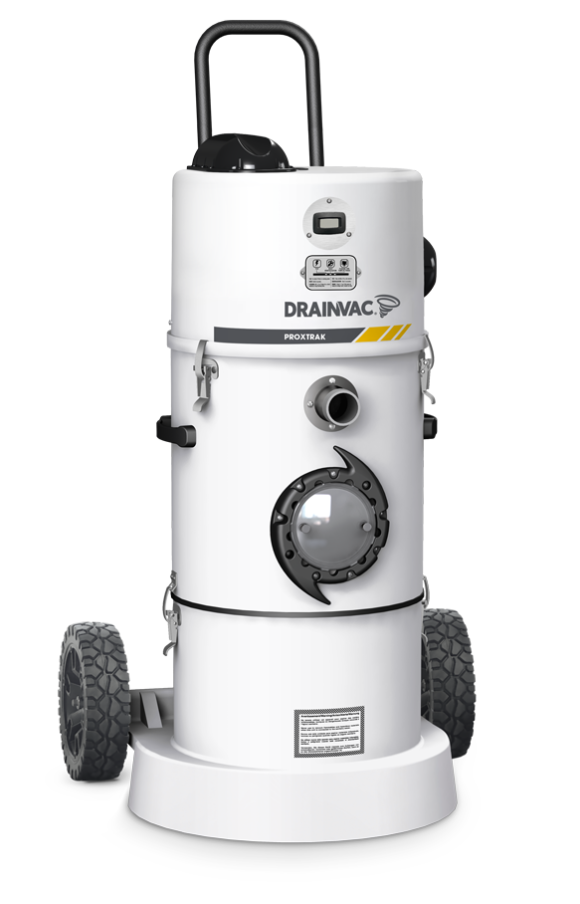
How a Central Vacuum Works
A central vacuum system uses a motor unit installed in a remote location. A network of pipes connects that unit to wall inlets throughout the house. You attach a lightweight hose to the inlet, clean the room, and the dirt gets sent away from your living space.
This setup usually includes:
- Wall inlets in hallways, bedrooms, or main living areas
- Long tubing hidden inside walls or floors
- A collection canister or bag
- A power unit in a garage, basement, attic, or utility room
- Accessories like a hose, power brush, and floor tools
One big advantage is that dust and allergens are exhausted away from the rooms you live in. That makes the system appealing for households that care about indoor air quality or want a cleaner-feeling home after vacuuming.
How a Portable Vacuum Works
A portable vacuum keeps everything in one unit. The motor, filter, and dust bin or bag all travel with you. Depending on the model, it may be light and compact or heavier and more powerful.
Common types include:
- Upright vacuums for carpets
– Canister vacuums for mixed floors - Stick vacuums for quick cleaning
- Handheld vacuums for cars and small messes
- Robot vacuums for routine maintenance
Portable vacuums are easy to understand and easy to replace. If one breaks, you buy a new one. That simplicity is a big reason many households stick with them.
Central Vacuum vs Portable Vacuum: Pros and Cons
Central Vacuum Pros
- Strong cleaning power for large homes
- Quiet operation in the rooms you clean
- Less dust recirculation if installed and vented properly
- Large dirt canisters that do not need frequent emptying
- No heavy unit to drag around
Central Vacuum Cons
- High upfront cost
- Installation can be complex
- Not ideal for apartments or rentals
- Hose storage can still be inconvenient
- Repairs may require a specialist
Portable Vacuum Pros
- Lower upfront price
- Easy to buy, use, and replace
- Great for small homes and apartments
- Wide choice of styles and price points
- Easy to use for stairs, cars, and quick messes
Portable Vacuum Cons
- Can be noisy
- Dust may blow back through cheaper filters
- Smaller bins or bags need more frequent emptying
- Heavier models can be tiring to carry
- Cord management can be annoying
I’ve noticed that the “best” machine often depends on the mess. For deep cleaning a whole house, central vacuum vs portable vacuum leans toward central. For fast daily use, portable usually wins because people actually use it more often.

Which One Cleans Better?
If you are asking purely about cleaning performance, central vacuum vs portable vacuum depends on the model and the setup. A well-designed central system often delivers strong suction and keeps dirty air out of the living space. A high-quality portable vacuum with a sealed system and good filtration can also clean very well.
What matters most is not only motor power. Airflow, brush design, filter quality, and how well the vacuum fits your floor type matter just as much. In other words, a powerful machine with the wrong tool head is like using a shovel to paint a wall.
For carpets, a powered brush head can make a huge difference. For hard floors, good edge pickup and gentle bristles matter more. For pet hair, anti-tangle brush rolls and strong suction help a lot.
Noise, Comfort, and Everyday Use
This is one of the biggest surprises for many buyers in the central vacuum vs portable vacuum comparison. Central vacuum systems are usually much quieter in the room because the noisy motor is somewhere else. That can make cleaning feel less stressful, especially if you vacuum while kids nap or if you are sensitive to noise.
Portable vacuums are louder because everything is right beside you. Some newer models are better than older ones, but they still tend to make more noise in the room. If you have ever tried vacuuming while taking a phone call, you know exactly why this matters.
Comfort also matters in daily life:
- Central vacuum hoses are lighter than carrying a full machine
- Portable vacuums are faster to grab for small jobs
- Stick vacuums are easiest for short cleaning sessions
- Uprights can be tiring if you have many stairs
Installation, Cost, and Long-Term Value
Cost is where central vacuum vs portable vacuum really splits apart. Central vacuum systems usually cost more to install because they require tubing, inlets, labor, and a dedicated power unit. If you are building a new home or remodeling, the cost is easier to justify.
Portable vacuums are much easier on the wallet. You can buy a decent one without planning ahead or hiring installers. That makes them the practical choice for renters, first-time buyers, and anyone on a tighter budget.
Typical value tradeoffs include:
- Central vacuum: higher upfront cost, long lifespan, less clutter, and strong convenience in a large home
- Portable vacuum: lower upfront cost, easier replacement, more variety, and faster ownership
Industry testing and consumer reports consistently show that the best vacuum is not always the most expensive one. The right match depends on home size, floor type, and how often you clean.
Maintenance and Repairs
Maintenance is another big part of central vacuum vs portable vacuum. Central systems need less everyday handling, but when they do need service, repairs can be more involved. You may need to check the canister, clean the filter, inspect the hose, or clear a clog in the tubing.
Portable vacuums need more frequent attention. You empty bins, replace bags, wash filters, and sometimes unclog brush rolls after hair wraps around them. That sounds like more work, but many people prefer the simplicity because the parts are easy to reach.
A few practical lessons I’ve learned:
- Empty the canister before it gets packed full
- Check brush rolls for hair once a week if you have pets
- Replace clogged filters sooner rather than later
- Keep central vacuum hoses stored carefully to avoid kinks
- Do not ignore weak suction, because it often signals a blockage or filter issue
Best Choice by Home Type
The central vacuum vs portable vacuum decision becomes clearer when you match it to the home.
Best for Central Vacuum
- Large single family homes
- Multi floor houses
- Homes being built or remodeled
- Households with allergies or dust sensitivity
- People who want a quieter cleaning setup
Best for Portable Vacuum
- Apartments and condos
- Rental homes
- Small or medium sized houses
- People who want low cost and simple setup
- Homes where cleaning tasks change often
I once saw a family buy a central vacuum for a home they were renting long term. It worked well, but the installation cost never made sense for them. A strong portable vacuum would have given them 90 percent of the benefit for a fraction of the hassle.
Central Vacuum vs Portable Vacuum for Allergies and Air Quality
Many shoppers compare central vacuum vs portable vacuum because of allergies. Central systems can be a strong choice since dust gets carried away from the room and stored remotely. That can reduce the amount of fine debris kicked back into the air.
But portable vacuums have improved too. HEPA filtration, sealed systems, and quality bagged models can trap a lot of fine particles. If you choose a portable vacuum with a true sealed HEPA system, it can be a very good option for allergy control.
For better air quality, focus on:
- Sealed filtration
- HEPA or equivalent filters
- Regular maintenance
- Good floor tool design
- Proper dust disposal
Central Vacuum vs Portable Vacuum for Pet Owners
Pet owners often care about hair pickup, odor control, and how often they need to empty the bin. Central vacuum systems are excellent for large amounts of pet hair because they move debris out of the living space. They also reduce the smell of dander and dust sitting in the room.
Portable vacuums, though, are more convenient for daily pet cleanup. A cordless stick or lightweight canister can handle fur on rugs, couches, and stairs without much effort. If your dog sheds like it is a full-time job, convenience may matter more than raw power.
What I Would Choose in Real Life
If I were buying for a large home I planned to stay in for years, I would seriously consider central vacuum vs portable vacuum in favor of central. The quiet operation and built-in convenience are hard to beat once you live with them.
If I were living in a rental, an apartment, or a smaller house, I would choose a high-quality portable vacuum without hesitation. It is easier, cheaper, and more flexible. That is usually the smarter move unless your home and budget clearly support a central setup.
The biggest mistake I see is people buying based on hype instead of their real routine. A fancy system does not help if you only vacuum once a month. A simple machine you use often will always beat a premium one that stays in the closet.
Frequently Asked Questions of Central vacuum vs portable vacuum
Is a central vacuum worth it?
A central vacuum can be worth it for large homes, especially if you want less noise and better convenience. It is usually best when installed during construction or a remodel, since that lowers the overall hassle.
Do portable vacuums clean as well as central vacuums?
Yes, a good portable vacuum can clean very well, especially on smaller floors or with sealed filtration. Central vacuum systems often feel more powerful in larger spaces, but the best cleaning results still depend on the model, tools, and maintenance.
Which is better for allergies, central vacuum or portable vacuum?
Central vacuum is often better because dust is moved out of the living area. That said, a high-quality portable vacuum with HEPA filtration and a sealed system can also perform very well for allergy control.
Are central vacuum systems hard to maintain?
They are usually easy for daily use but can be harder to repair if something goes wrong inside the piping. Basic care like emptying the canister, checking filters, and watching for clogs keeps most systems running well.
Can I install a central vacuum in an existing home?
Yes, but it is easier in some homes than others. Older homes or finished spaces may need more labor, so the installation cost can rise fast compared with a portable vacuum.
Conclusion
When you compare central vacuum vs portable vacuum, the right choice comes down to your home, your budget, and how you clean. Central systems shine in larger homes where quiet power and built-in convenience matter most. Portable vacuums win when you want lower cost, easy setup, and everyday flexibility.
If you are still unsure, think about your real routine, not just the specs on a box. Choose the option you will actually use, maintain, and enjoy living with. If this guide helped, keep exploring cleaning tips, compare a few models, and leave a comment with your home setup and what you are considering next.

