

Yes, you can absolutely upgrade a central vacuum system, and it’s often a worthwhile investment. Many older central vacuum units still function, but they might lack the power, efficiency, or features found in newer models. Upgrading can significantly improve your home’s air quality and make cleaning tasks much easier and more effective.
This process isn’t always about replacing the entire system; sometimes, it involves targeted improvements. You might be able to update specific components like the power unit, the hoses, or the cleaning attachments to get a performance boost. Understanding what’s possible can help you decide if an upgrade is the right choice for your home.
Why Consider Upgrading Your Central Vacuum?
Several reasons might prompt you to think about upgrading your central vacuum system. The most common driver is declining performance. Over time, motors can weaken, and internal components can wear out, leading to reduced suction power. This means your vacuum struggles to pick up dirt, dust, and debris, making cleaning less effective.
Another significant factor is advancements in technology. Newer central vacuums often feature more powerful and energy-efficient motors. They may also incorporate improved filtration systems, which are crucial for improving indoor air quality by trapping finer particles and allergens. Some modern systems even offer quieter operation, a welcome change from older, noisier units.
Finally, the availability of new attachments and accessories can be a compelling reason to upgrade. Manufacturers continuously develop innovative tools designed for specific cleaning challenges, from pet hair removal to delicate floor care. If your current system can’t accommodate these advanced tools, an upgrade might be necessary.
Key Components You Can Upgrade
When looking to upgrade your central vacuum, you have several options for improving different parts of the system. Focusing on specific components can be more cost-effective than a full replacement and can yield significant performance benefits.
The Power Unit (motor And Canister)
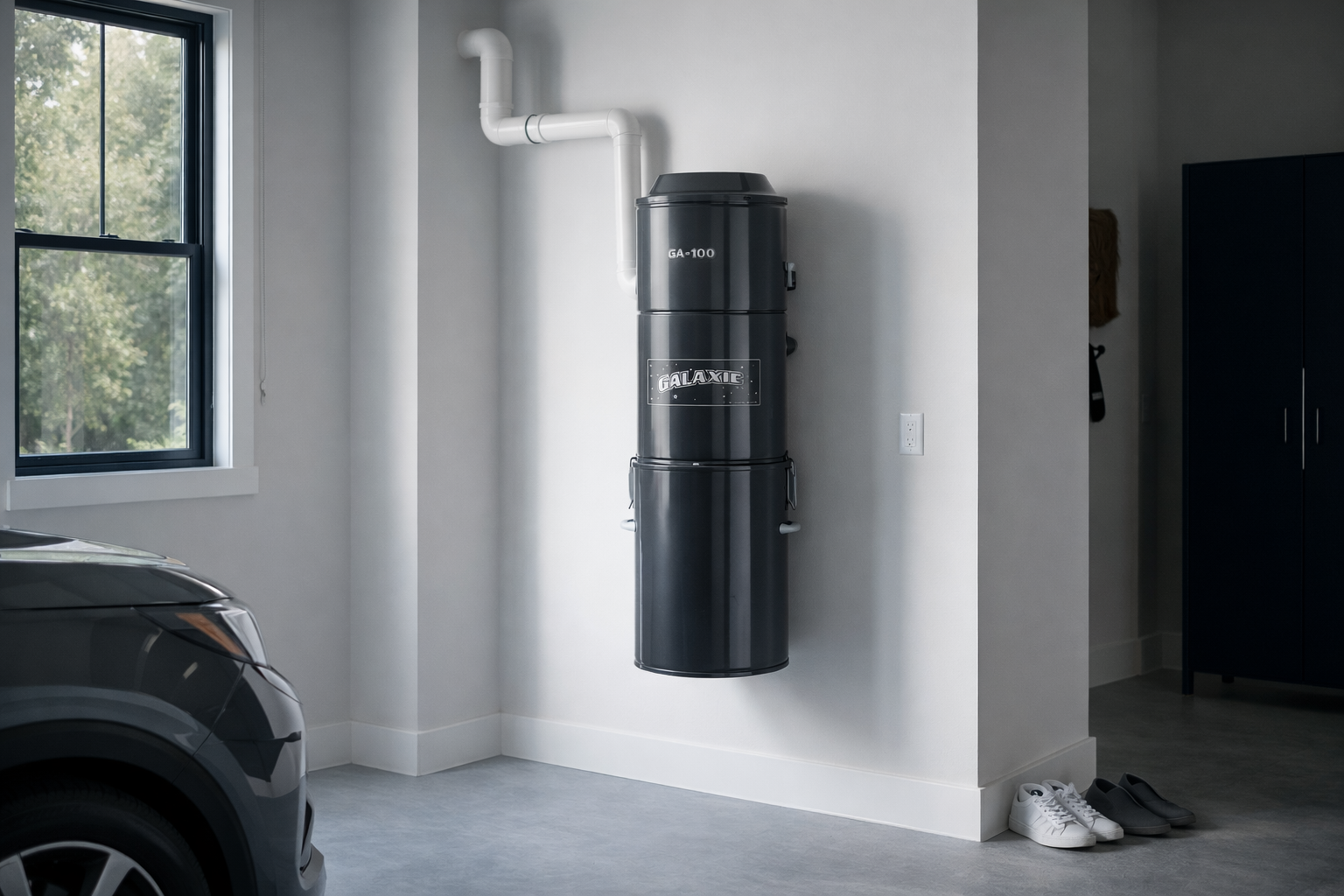
The power unit is the heart of your central vacuum system. If your unit is old, it might be using outdated motor technology that is less powerful and less energy-efficient. Replacing an old power unit with a new, modern one is the most substantial upgrade you can make.
Newer motors are often designed for better suction and quieter operation. They might also come with improved filtration, such as HEPA filters, which are excellent for allergy sufferers. When choosing a new power unit, consider its CFM (Cubic Feet per Minute) rating for airflow and its water lift rating for suction strength. Higher numbers generally indicate better performance.
It’s also important to ensure the new power unit is compatible with your existing plumbing and electrical setup. Most manufacturers offer units in standard sizes, but it’s always wise to check dimensions and connection types.
Central Vacuum Hoses
The hose is your primary interface with the cleaning system. An old, stiff, or cracked hose can significantly reduce suction power and make vacuuming a chore. Upgrading to a newer hose can make a big difference.
Modern hoses are often lighter and more flexible, making them easier to maneuver around furniture and tight spaces. Some hoses are also anti-static, which helps prevent dust from clinging to the hose itself. You can find hoses in various lengths to suit the size of your home.
There are also dual-voltage hoses available. These hoses have a switch that allows you to power electrically driven powerheads, which are great for deep carpet cleaning. If your old hose doesn’t support this feature, upgrading to a dual-voltage model can open up new cleaning possibilities.
Cleaning Attachments And Wands
The attachments you use can greatly impact how effectively you clean. Old or worn-out attachments might not pick up dirt as well as newer designs. Upgrading your cleaning tools can revitalize your system’s performance.
Consider investing in a high-quality powerhead for your carpets. These have rotating brushes that agitate carpet fibers to lift embedded dirt and pet hair. For hard floors, look for specialized attachments with soft bristles or microfiber pads.
Newer wands are often telescopic, allowing you to adjust their length for comfortable use. Some also feature on-board controls for managing suction levels or turning the powerhead on and off.
Central Vacuum Inlets And Accessories
The inlets are the ports on your walls where you plug in the hose. While less common to upgrade unless damaged, ensuring they are clean and functioning correctly is important. Sometimes, older inlets might have poor seals, leading to air leaks and reduced suction.
You can also upgrade the central vacuum accessories like crevice tools, upholstery brushes, and dusting brushes. Newer designs often feature improved airflow and better material for more effective cleaning. For example, a specialized pet grooming tool that attaches to your central vacuum can make managing pet hair much easier.
Factors To Consider Before Upgrading
Before you decide to upgrade, it’s essential to assess your current system and your specific needs. A thoughtful evaluation will help you make the best choices and avoid unnecessary expenses.
Assess Your Current System’s Condition
First, determine why you think an upgrade is needed. Is the suction noticeably weak? Does the motor make strange noises? Are there visible cracks or damage to the hose or unit? Sometimes, simple maintenance like cleaning filters, checking for clogs in the pipes, or replacing a worn gasket can restore performance.
If the motor is failing, it’s likely time for a new power unit. If the pipes are intact and the inlets are working, you might only need to replace the main unit and potentially the hose.
Determine Your Budget
Upgrades can range from a few dollars for a new attachment to several hundred dollars for a new power unit. Decide how much you are willing to spend. A full system upgrade (power unit, hose, and attachments) will be the most expensive but will offer the most significant improvement.
Targeted upgrades, like just replacing the hose and powerhead, can be a more budget-friendly solution. You can also upgrade components gradually over time.
Compatibility And Installation
Ensure that any new components you purchase are compatible with your existing system. Power units, hoses, and inlets need to connect properly. If you’re unsure, consult the manufacturer’s specifications or a professional installer.
Installation can be a DIY project for some components like hoses and attachments. However, replacing the power unit often requires electrical work and may be best left to a professional to ensure safety and proper connection.
Your Home’s Size And Layout
The size of your home and the layout of your rooms can influence the type of upgrade you need. For larger homes, you’ll want a power unit with a higher CFM rating and potentially a longer hose. Consider the number and placement of inlets; if you have many, ensuring good suction reaches all of them is crucial.
Filtration Needs
If anyone in your household suffers from allergies or asthma, filtration is a critical consideration. Look for power units with high-efficiency filters, such as HEPA filters, that can trap very fine particles like dust mites, pollen, and pet dander. This can significantly improve your home’s indoor air quality.
Comparing Upgrade Options
When deciding between different upgrade paths, it helps to compare the potential benefits and costs.
Option 1: Replacing Only The Power Unit
This is a common upgrade if your existing plumbing and inlets are in good condition. You gain the benefits of a new, more powerful, and efficient motor.
Pros: Significant improvement in suction power, potential for quieter operation and better filtration.
Cons: Can be expensive, requires careful measurement and potentially professional installation.
Option 2: Replacing The Hose And Attachments
This is a more budget-friendly option that can improve usability and cleaning effectiveness. A new hose makes vacuuming easier, and better attachments tackle dirt more efficiently.
Pros: Less expensive, easier to install yourself, improves maneuverability and cleaning power of existing system.
Cons: Doesn’t address underlying issues with the main motor’s power or efficiency.
Option 3: Full System Replacement
This involves replacing the power unit, hose, and all major attachments. It’s the most comprehensive upgrade.
Pros: Maximizes performance improvements, ensures all components are modern and compatible, can address outdated plumbing if necessary.
Cons: Most expensive option, requires significant installation effort.

