

Can shop vacuums remove standing water? Yes, absolutely. But only if you're using a wet/dry model with the right setup.
A regular dry vacuum will choke on water, short out, or both. A proper shop vac handles the job in minutes.
Manufacturer specifications show wet/dry vacuums use sealed tanks and a floating shut-off valve to keep water away from the motor. As of 2026, even entry-level machines include this protection. Before you start hauling water from a basement or shower pan, it pays to know what your vacuum can handle.
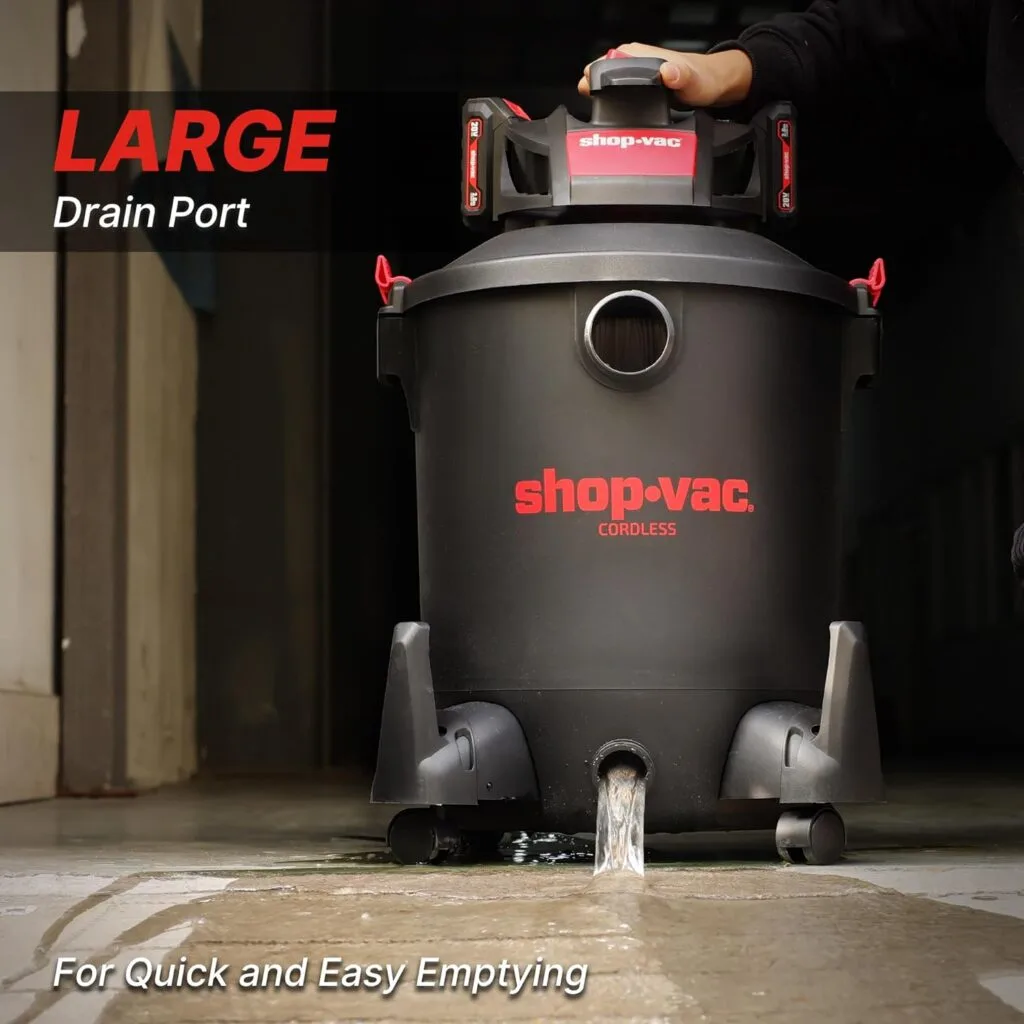
Image source: Web (Bing) / smartvacguide.com (Web image (fair-use with source credit))
Quick Answer: Yes, But It Depends…
Can shop vacuums remove standing water? Yes. A wet/dry shop vacuum is designed for wet pickup.
It clears spills, sink overflows, and a few inches of basement rain. You need the foam wet filter, a wide hose, and a flat floor nozzle. Plug into a GFCI outlet first, and you're good to go.
How Shop Vacuums Actually Pick Up Water
The motor spins a fan that pulls air through the hose and tank. Moving air drags water along with it. Inside the tank, water drops out while air passes through the foam filter to the motor.
The liquid never touches the motor.
A float valve rides on the water surface. When the tank fills, the float rises and blocks the airflow. Suction stops, but the motor keeps running.
That's your cue to drain.
If you've ever dealt with a clogged pickup head, you know how much airflow matters. When air can't move, suction vanishes. The same logic applies when a vacuum is losing suction on a pool cleaner.
The 3 Conditions You Must Check Before Using a Shop Vac for Water
Condition 1: What Kind of Water Are We Talking About?
Clean tap water from a burst pipe is fine. Gray water from a washing machine overflow is manageable with gloves and a thorough cleanup. Sewage, storm floodwater, or anything with chemicals is not.
Restoration pros group water into three categories. Category 1 is clean water. Category 2 is gray water.
Category 3 is black water, meaning sewage and floodwater. Most shop vacs are only appropriate for Category 1.
| Water category | Shop vac safe? | What to do |
|---|---|---|
| Category 1: Clean water | Yes | Vacuum, drain, and dry |
| Category 2: Gray water | Only with PPE and full disinfection | Vacuum, then sanitize everything |
| Category 3: Black water | No | Call a professional restoration company |
Condition 2: Is Your Vacuum Rated for Wet Pickup?
Look for the wet/dry label or the "wet pick-up" mark in the manual. If it says dry vacuum only, don't use it on water. The motor isn't sealed, and it will short out.
Also check your outlet. Use a GFCI-protected circuit. That's a safety requirement, not a suggestion.
The OSHA electrical safety guidelines at osha.gov cover why grounded outlets matter.
Condition 3: Do You Have the Right Filter and Attachments?
Every wet/dry shop vac uses a foam wet filter over the motor cage. That filter catches droplets while letting air pass. A standard paper dust filter will disintegrate or clog with water.
You'll also want a wide hose and a flat floor nozzle. A squeegee attachment glides over water film and lifts it without leaving puddles. The wider the path, the faster the cleanup.
Step-by-Step: How to Remove Standing Water Safely
Start with the conditions you just checked. Then follow this order.
- Unplug the vacuum. Put the foam wet filter on the motor cage. Remove any paper filter.
- Attach the wide hose and the flat floor or squeegee nozzle.
- Plug into a GFCI outlet. Inspect the cord for cracks first.
- Keep the tank outside the puddle, not inside it.
- Move the nozzle slowly in overlapping sweeps. Fast passes just lap water up and leave streaks.
- When suction breaks or the motor tone changes, turn off the vacuum. The tank is full.
- Unplug and carry the tank to a drain, or use the drain plug. Water weighs about 8.3 pounds per gallon. A 6-gallon tank is about 50 pounds when full.
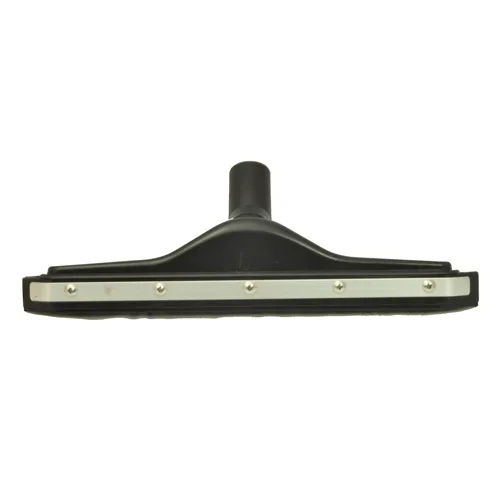
Image source: Web (Bing) / vacsewcenter.com (Web image (fair-use with source credit))
This process works for flooded garages, leaky water heaters, and minor roof leaks. If the water source is still active, fix that first. Otherwise, you'll be pumping all day.
How Does a Wet/Dry Vacuum Prevent the Motor From Dying?
The float shut-off valve is the switch that saves your machine. When the water level rises high enough, the float plugs the suction opening. Airflow stops.
The motor spins freely, and no liquid reaches the fan housing.
Some models use a ball float. Others use a flat disc float. Both work the same way.
If the float jams, water can enter the motor and destroy it. That's why you clean the tank after every wet pickup.
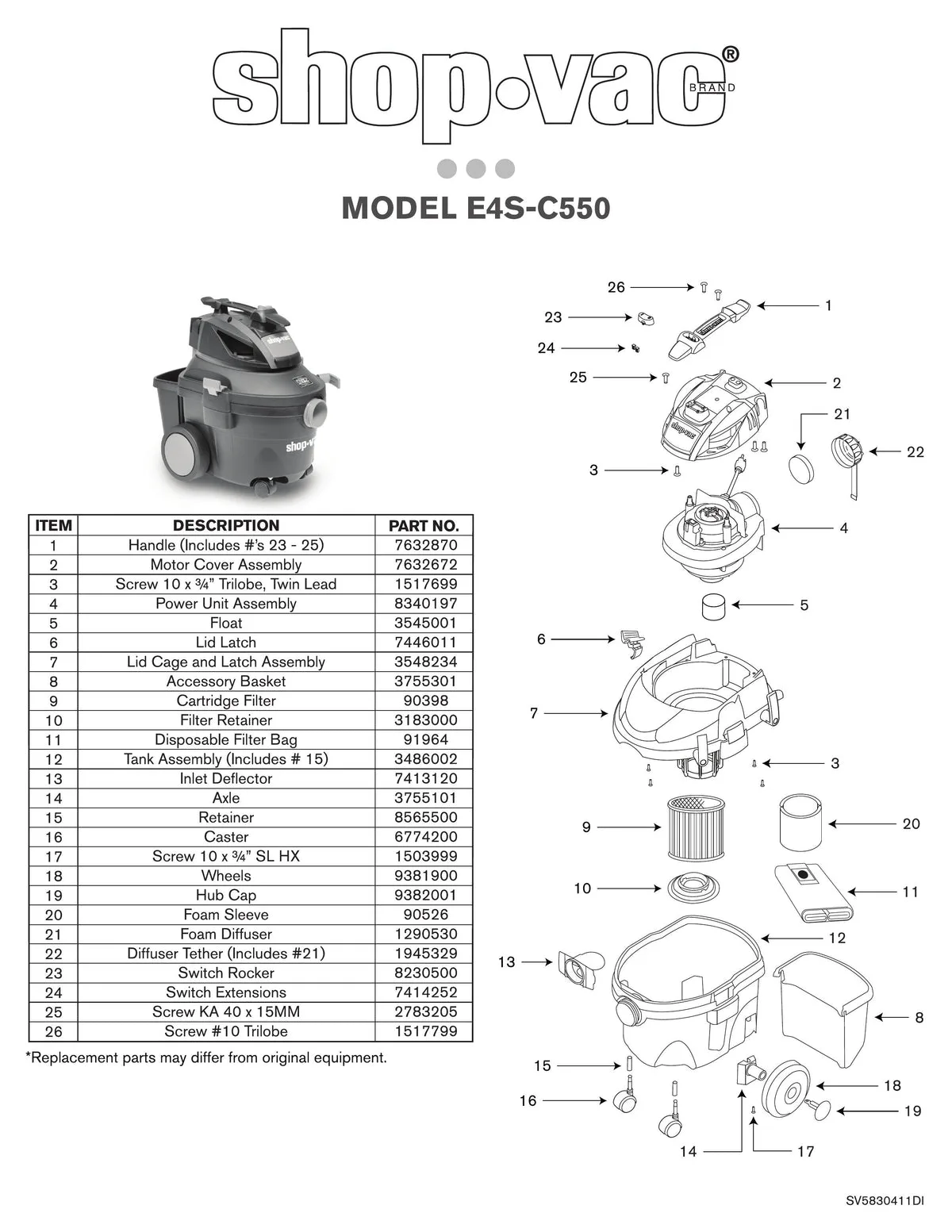
Image source: Web (Bing) / shopvac.com (Web image (fair-use with source credit))
The foam filter also matters. It catches mist and fine droplets that could slip past the float and into the motor. A soaked foam filter still functions.
A soaked paper filter can't.
Common Mistakes (And the One That Ruins the Motor)
Moving the nozzle too fast is a classic slip-up. You push the squeegee like a drag racer, and water curls around the edges. Slow, overlapping sweeps pick up twice as much per pass.
Another quiet killer is leaving water in the hose. After you drain the tank, a lot of liquid stays in the line. It runs back into the tank overnight, creates a stink, and rusts anything metal.
Lift the hose and let it drain, or blow it out.
- Not using the tank drain plug. Tipping a full tank is a back injury waiting to happen.
- Ignoring a sticky float valve. If the float doesn't rise smoothly, it won't shut off in time.
- Vacuuming at full speed. It forces water into the filter faster than it can separate.
If suction seems weak, check the simple stuff first. A clogged filter kills suction on a shop vac just like it does when a pool vacuum loses suction. Clean the path, and performance comes back.
When NOT to Use a Shop Vac (Call a Pro Instead)
Any water that's been outside, touched sewage, or sat for days is not shop vac material. Black water contains bacteria and chemicals that cling to the inside of your vacuum. You can't fully sanitize a residential wet/dry tank well enough to call it safe.
Deep standing water is another stop sign. If the water level comes close to the motor housing or the power cord, you're asking for electrocution. A submersible pump is the right tool for anything over an inch or two.
Shop vacs are for the final finish-out, not the heavy lifting.
Floodwater that reaches electrical outlets or breaker boxes should never be touched without shutting off the main breaker first. When in doubt, call a professional water damage company. They have extraction wands, industrial vacuums, and dryers that a homeowner shop vac can't match.
If the water came from a pool overflow or a broken pool pump, a dedicated pool vacuum is the safer choice. It handles debris and cloudiness without risking your shop vac's motor.
A Quick Word on Drying, Smells, and Mold
Moisture is the real enemy. The shop vac gets the water out, but it won't dry soaked carpet padding, drywall backing, or wood subfloor. That takes air movement and time.
Aim for 48 to 72 hours of continuous airflow with fans or a dehumidifier.
Clean your equipment as soon as the water is gone. Rinse the tank with clean water and a bit of dish soap. If the water sat for more than a day, wipe the inside with a bleach solution of one tablespoon of bleach per gallon of water.
Rinse twice and dry completely with the lid open.
The foam filter deserves the same treatment. Wash it, rinse it, squeeze it, and let it air dry. Storing a wet foam filter is how you get a mildew bomb in the garage.
A little baking soda in the tank keeps things fresh.
Mold starts growing within 24 to 48 hours on damp surfaces. That's why acting fast matters. If water soaked drywall or carpet, check the EPA guidance on mold cleanup at epa.gov before deciding whether to tackle it yourself or call someone.
Final Verdict: Your Decision Tree for Water Cleanup
Here's a quick reference to help you decide without second-guessing.
| Condition | Action |
|---|---|
| Clean water from a burst pipe, under 1 inch deep | Use your wet/dry shop vac |
| Clean water deeper than 1 inch | Use a submersible pump first, then the shop vac |
| Washing machine overflow, gray water | Use the shop vac with gloves, then disinfect everything |
| Sewage or storm floodwater | Do not touch. Call a restoration company |
| Water near electrical outlets or breaker panel | Shut off power, call an electrician before anything else |
For most small disasters, the answer remains yes. A wet/dry shop vac will absolutely remove standing water. For the big, dirty, dangerous stuff, your money is better spent on professionals who have the tools and training to handle it safely.
If your vacuum starts acting up mid-job, don't force it. Check the float and the filter before turning it back on. The same mechanical issues that keep machines getting stuck on obstacles also show up in shop vacs when the float jams.
Frequently Asked Questions
Can I use a HEPA filter for wet pickup?
No. Standard HEPA filters are dry-use only. They absorb water, clog quickly, and tear under pressure.
Stick with the foam wet filter the manufacturer provides for liquid jobs.
How do I clean a float valve?
Remove the cage or cover, pull the float out, and rinse it with clean water. A sticky float usually has dried sediment on it. Scrub it with a soft brush and test that it drops freely before reinstalling.
Can a shop vac pick up water from carpet?
A shop vac pulls surface water out of carpet, but it can't reach the padding or the subfloor underneath. For anything more than a light spill, you need a carpet extractor or a professional drying crew.
How do I know when the tank is full?
The float valve makes that decision for you. When suction suddenly stops and the motor pitch changes, the tank has hit capacity. Turn the machine off right away and drain it.

