

Can shop vacuums pick up ash? Yes, but only when that ash is fully cold and your vacuum has the right filter. Many homeowners use a wet/dry shop vac to clean fireplaces, wood stoves, and grills.
It works well. It also fails badly when hot embers or fine dust are involved. Most people already own everything they need to do this safely.
Our research points to two real risks: hidden embers that stay warm for hours and dust particles smaller than a grain of sand. Ash can measure under 10 microns, which is why a standard cartridge filter struggles. HEPA-rated filters catch particles at 0.3 microns with 99.97% efficiency.
As of 2026, those filters are affordable for almost any shop vacuum.
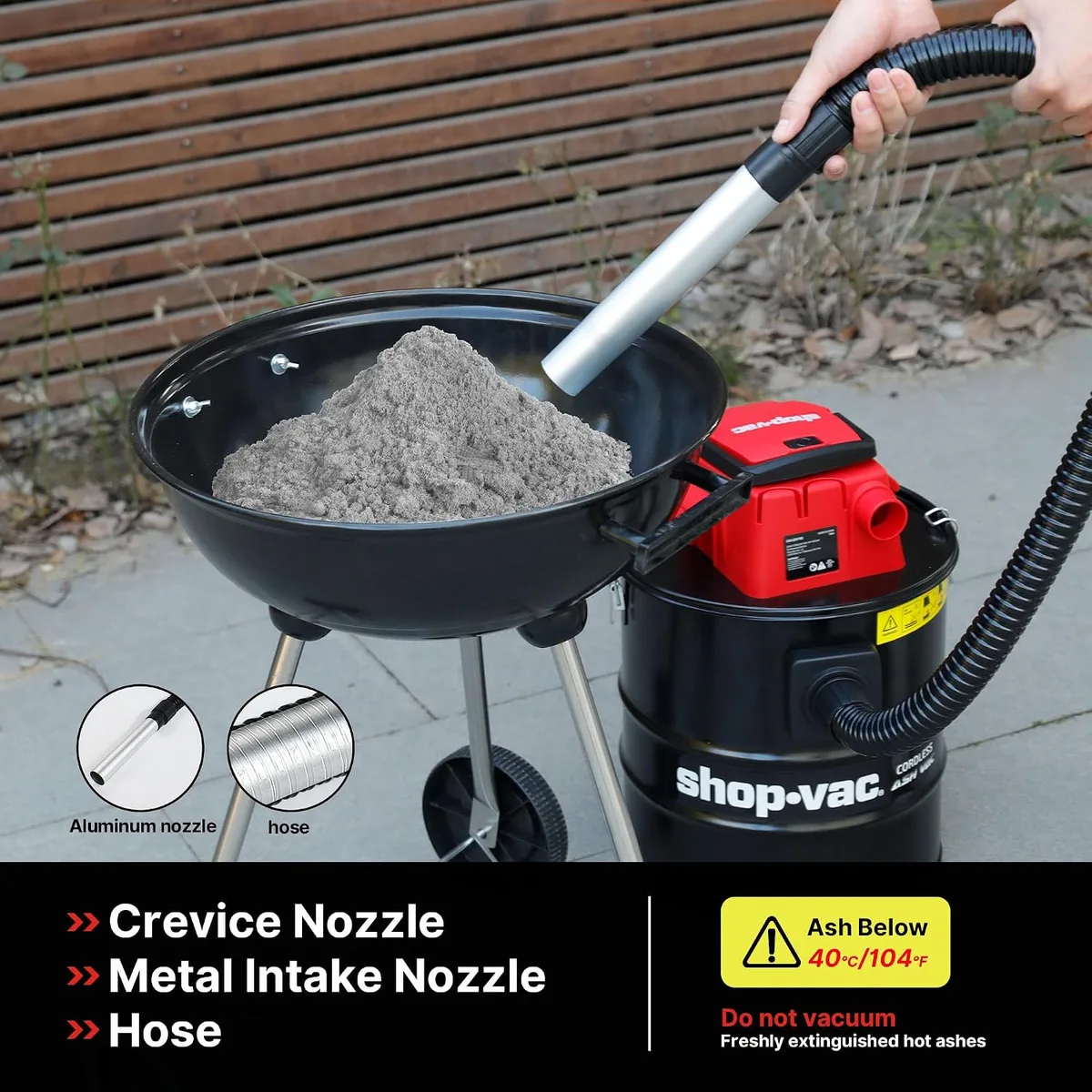
Image source: Bing (Web (fair-use with source credit))
Quick Answer: Yes, But Only Cold Ash
Can shop vacuums pick up ash? Yes, but only cold ash. Use a HEPA filter or fine-dust bag.
Never vacuum hot ash. A few safety steps make the job simple.
The Real Danger: Hidden Embers and Fine Dust
Most people judge ash by its color, and that's a mistake. A fireplace can hold smoldering embers for 24 hours or more. The top layer goes grey while the middle stays hot.
You cannot tell just by looking.
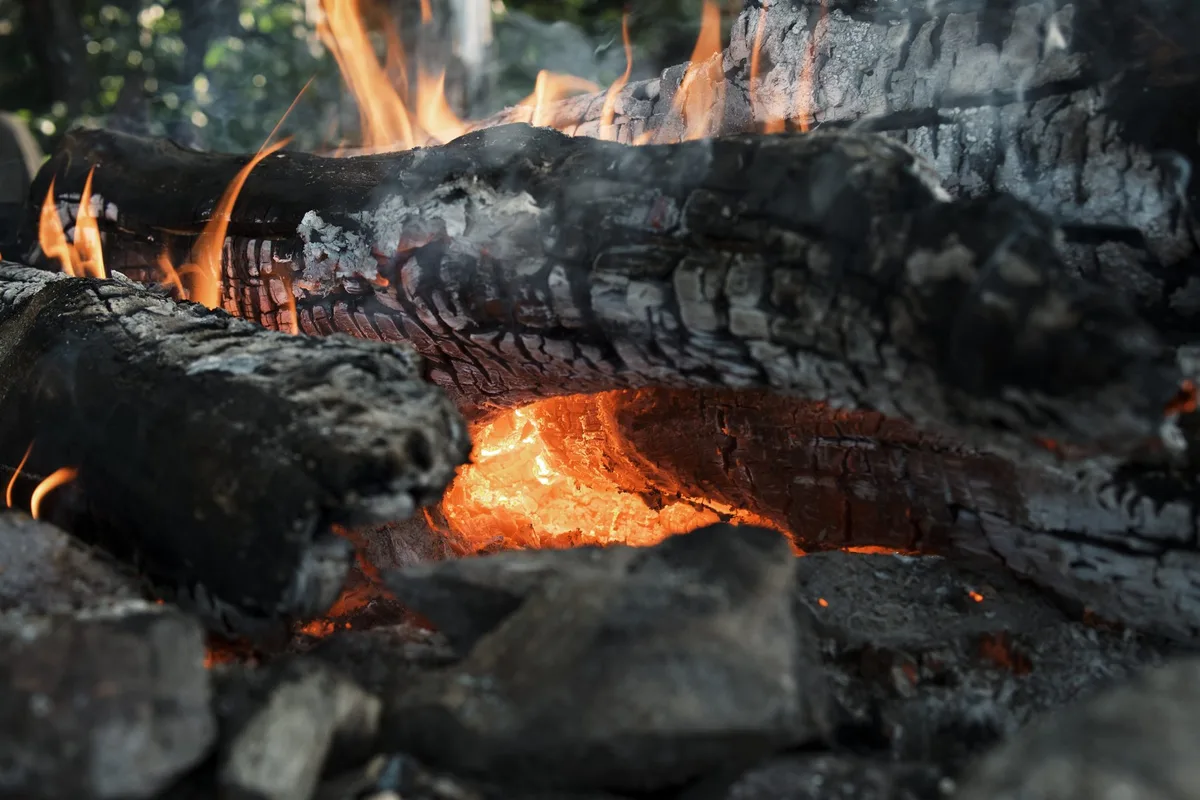
Image source: Openverse / JR Tashjian
One buried ember can melt a plastic filter, burn through a hose, or ignite packed debris in the drum. The National Fire Protection Association recommends placing cooled ash in a metal container with a tight-fitting lid. The EPA's guidance on wood-burning appliances says to wait, then dispose of ash safely.
Fine dust is the second hidden threat. Ash particles are often smaller than 10 microns, so they drift into the air and into your lungs. A basic cartridge filter cannot catch everything.
That's why a vacuum that works fine for sawdust can still blow a visible ash cloud around the room.
This is the same problem you see with any vacuum handling very fine debris. If the filtration is weak, tiny particles get pushed around instead of removed.
How Ash Wrecks A Regular Shop Vac (And Why Filters Matter)
Ash is abrasive and incredibly fine. It packs into standard cartridge pleats or slips straight through. Both outcomes are bad.
A clogged filter kills suction fast. Ash that passes through can end up inside the motor.
That's where motor type matters. Direct-airflow vacuums pull debris-laden air through the motor for cooling. Ash grinds against the fan and bearings over time.
Bypass motors use a separate cooling fan, so ash never touches the motor's internal parts. If you're buying a new vacuum for ash duty, choose a bypass model.
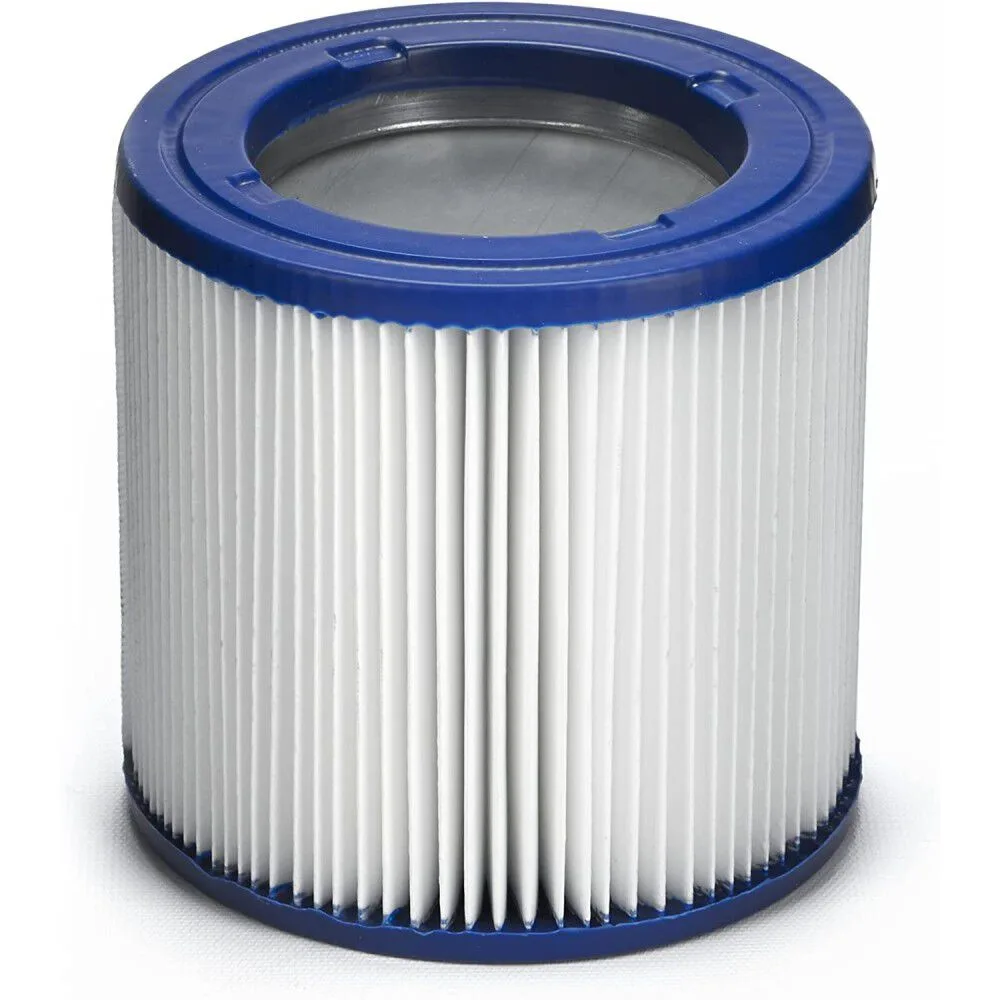
Image source: Web (Bing) / acmetools.com (Web image (fair-use with source credit))
| Filter type | Ash performance |
|---|---|
| Standard cartridge filter | Clogs quickly, lets fine ash through |
| Fine-dust cartridge filter | Lasts longer, still needs frequent cleaning |
| Paper filter bag | Keeps ash contained, easier to empty |
| HEPA-rated filter | Best for fine particles, captures 99.97% at 0.3 microns |
The best setup is a HEPA-rated filter backed by a fine-dust bag. The bag catches the bulk of the ash, and the HEPA filter catches the rest. Just make sure the bag is compatible with your model.
Improvised bags don't always seal properly.
Cleaning the filter regularly is the single most important maintenance step. A dirty filter starves the vacuum of airflow and makes the motor work harder.
The 24-Hour Rule: How To Know Ash Is Truly Cold
Wait. That's the whole secret, and it's simpler than most people expect. Let ash cool for at least 24 hours before vacuuming.
But 24 hours isn't a guarantee.
Dense logs and large fireboxes can hold heat for two or three days. Use the hand test. Hold the back of your hand a few inches above the ash pile.
If you feel warmth, close the door and wait. Stir the ash gently with a metal tool. If you see a glow, steam, or a faint hiss, stop and wait longer.
| Ash source | Recommended wait time |
|---|---|
| Small indoor fireplace | 24 to 48 hours |
| Large wood stove | 48 to 72 hours |
| Charcoal grill | 24 to 48 hours |
| Pellet stove | 12 to 24 hours |
| Outdoor fire pit | 48 to 72 hours |
If you're ever unsure, treat the ash as hot. There's no prize for vacuuming sooner. Treating this like routine maintenance makes it second nature.
Setting Up Your Shop Vac For Ash: Filters, Hoses, and Metal Drums
You don't need a dedicated ash vacuum if you set up your current shop vacuum properly. But you do need to make a few changes before you start.
Start with the filter. Remove the standard cartridge and install a HEPA-grade filter or fine-dust filter. If your model supports filter bags, use one.
The bag is your first line of defense, and it makes emptying cleaner.
Next, look at the collection drum. Plastic drums are fine for fully cold ash, but a buried ember can melt or warp the plastic. If you have any doubt, wait longer or use a vacuum with a metal drum.
A dedicated metal ash vacuum is safer if you clean out hot stoves regularly.
Use a narrow attachment. A crevice tool or small dusting brush gives more control than a wide floor nozzle. Ash is light, and wide hoses stir it into the air.
Move the nozzle slowly and let the suction do the work.
| Tool | Why you need it |
|---|---|
| HEPA-grade filter | Stops fine ash from reaching the motor |
| Fine-dust bag | Keeps the main filter cleaner longer |
| Metal ash bucket | Safe containment if an ember survives |
| N95 mask | Reduces dust exposure while you work |
| Heat-resistant gloves | Protect your hands around grates |
The right attachment matters. It's the same idea as choosing the right vacuum head for a large pool. Match the tool to the task, and you'll spend less time fighting the machine.
After each ash cleanup, take the filter outside and tap it against a trash can. Don't brush it indoors. Ash gets airborne easily.
If the filter is washable, rinse it outside and let it dry completely. You don't want to vacuum wet ash into a clean filter, because that turns into a crusty paste.
Good airflow matters as much as suction power. If your shop vac starts losing power, check the filter and hose for blockages. A collapsed hose kills suction, and the same applies here.
Step-By-Step: Safe Ash Cleanup With A Shop Vac
Once everything is cool and the right filter is sealed in place, cleanup takes about five minutes. Move through it in the right order.
- Gather your gear. HEPA filter, fine-dust bag, metal bucket, N95 mask, and heat-resistant gloves.
- Do one final heat check. Press the back of your hand against the ash pile. Stir it gently. Any warmth means stop and wait.
- Position the shop vac close to the fireplace. If possible, set the drum outside. Closed doors keep dust from drifting through the house.
- Use a crevice tool or small brush nozzle. Start at the outer edges and work inward. Move slowly so you don't stir ash into the air.
- Take short passes instead of long sweeps. Let the suction lift the ash. Don't scrape the nozzle into the pile.
- Stop every couple of minutes to tap the hose. Ash clumps at bends and reduces suction fast.
- Empty the drum when it's about one-third full. Overfilling makes filter clogs worse.
- Carry the drum outside and empty it into a metal bucket with a tight lid. Never use paper or plastic bags.
- Set the sealed bucket away from the house. Keep it off wooden decks or anything that could catch a spark.
If you see a faint wisp of smoke during vacuuming, switch off immediately. That means an ember survived. Close the lid on the drum, move it outside, and wait another 24 hours.
Shop Vac vs. Ash Vacuum: Which One Do You Actually Need?
A dedicated ash vacuum is basically a shop vac with a metal drum, a heat-resistant hose, and a sealed filter system. If you clean out a fireplace a few times a season, your existing shop vac works fine. If you rely on a wood stove daily, the right tool is worth the money.
| Factor | Regular shop vacuum | Dedicated ash vacuum |
|---|---|---|
| Drum material | Plastic or metal | Usually metal |
| Heat resistance | Hose rated for cool debris only | Handles modest heat from residual embers |
| Filter | Needs fine-dust or HEPA upgrade | Includes fine-dust filter or bags |
| Price range | $50 to $120 plus filter | $60 to $150 |
| Best for | Fireplace cleanout every few weeks | Daily wood stove, pellet stove, or grill use |
If you vacuum ash a handful of times a year, stick with your shop vac and buy a good HEPA filter. If you keep a stove running all winter, the metal drum and sealed filter of an ash vacuum reduce fire risk and save aggravation. Aggregate buyer reviews show the biggest complaints with dedicated ash vacuums are small capacity and short cords.
Even dedicated ash vacuums have limits. Neither type should ever vacuum visibly hot coals or red embers. The metal drum just buys you more time to react if an ember sneaks through.
Mistakes To Avoid: Don't Learn These The Hard Way
Most ash-vacuum accidents come down to one thing: impatience. Here's what you should never do.
- Vacuuming ash too soon. The top looks grey while the core stays hot for days.
- Using a standard filter without upgrading. Ash blows right through it.
- Emptying into a plastic trash can. A buried ember can melt or ignite it.
- Vacuuming sawdust or other combustibles in the same session. Ash can hide embers, and sawdust is fuel.
- Storing the vacuum inside before emptying. If an ember survived, you want that drum outside.
- Forgetting to clean the filter after each use. Ash cakes onto pleats and the next job starts weak.
- Using a wide floor nozzle. It billows ash into the air. A narrow attachment grabs it properly.
The most common reported issue is a burnt filter or melted hose. That almost always traces back to vacuuming ash that looked cold but wasn't.
When To Stop DIY And Call A Professional
Most fireplace ash is safe to handle once it's cold. Some situations are not worth the risk.
| Warning sign | Professional to call |
|---|---|
| Ash mixed with painted or pressure-treated wood residue | Certified waste handler |
| Strong chemical smell or fine white powder | Local fire department non-emergency line |
| Heavy creosote buildup in the chimney | Certified chimney sweep |
| Ash from a multi-unit building | Building manager, then local fire marshal |
| Melted plastic or batteries in the pile | Hazardous waste service |
Painted wood, pressure-treated lumber, and some manufactured logs leave toxic residue. Regular vacuuming spreads those particles around your home. A professional can test the ash and tell you how to dispose of it safely.
If you live in an apartment or condo, follow your building's fire rules. Some properties prohibit indoor ash vacuuming entirely. Others require a specific metal container.
A quick call to the property manager saves you a fine and a possible fire.
Keeping Your Shop Vac Alive: Cleaning and Maintenance After Ash
Ash is abrasive and sticks to filter pleats. With the right maintenance, your shop vac will handle years of ash duty. Skip it, and you'll burn out the motor much faster.
| Frequency | Task |
|---|---|
| After every ash session | Tap out the filter, wipe the drum, check the hose |
| Every 3 months | Rinse washable filters, inspect the hose for cracks |
| Every season | Replace the filter or bag, clean the motor vents |
Take the filter outside and tap it gently against a trash can. Don't brush it indoors. If your filter is washable, rinse it with a garden hose and let it dry completely for 24 hours.
Wipe the inside of the drum with a damp cloth each time you empty it. Don't use compressed air or a leaf blower. That just redistributes dust into the air.
Check the hose for clogs at bends. If suction seems weak, thread a garden hose through it to clear packed ash.
Check the power cord for heat marks or melting. That's a sign an ember got too close. Store the vacuum with the hose detached and the drum slightly open.
A few minutes of upkeep saves you a weekend of repairs.
The Essential Ash-Cleaning Safety Checklist
Use this checklist every time. It covers the full cleanup flow in one scan.
- Wait 24 to 72 hours, depending on the ash source.
- Do the hand and stir test. If warm, walk away.
- Wear an N95 mask and heat-resistant gloves.
- Confirm your HEPA filter and fine-dust bag are sealed.
- Use a crevice attachment. Move slowly.
- Empty into a metal bucket with a tight lid.
- Store the bucket away from the house on a non-flammable surface.
- Clean and dry your filter after every session.
If anything feels hot, damp, or smells chemical, stop. Safety beats convenience every time.
Frequently Asked Questions
Can I use a regular shop vac for ash?
Yes, if the ash is fully cold and you upgrade to a HEPA-grade filter or fine-dust bag. Never vacuum hot or smoldering ash with any vacuum.
How long should ash cool before vacuuming?
Wait at least 24 hours. Large wood stove piles can need 72 hours. Test with the back of your hand before starting.
What happens if I vacuum hot ash?
Hot ash can melt plastic filters, ignite hose debris, or burn out the motor. In the worst case, it starts a fire in the drum.
Do I need a special ash vacuum?
Not always. Replace the filter and use a narrow attachment. Dedicated ash vacuums with metal drums are safer for frequent, heavy use.

