

Can shop vacuum filters be washed? Yes, but only certain ones, and only if you dry them right. If you've ever rinsed a pleated paper cartridge, you already know the aftermath: the layers swell, the pleats peel apart, and your vacuum starts blowing more dust than it picks up.
The question isn't just about water. It's about knowing exactly what kind of filter you're holding.
Manufacturer specifications for wet/dry vacs vary, but as of 2026, most pleated paper cartridges carry a 1 to 5 micron rating and are not meant to get wet. Foam sleeve filters, on the other hand, are typically reusable for months when cleaned and fully dried. That's why the whole "can I wash it?" debate depends on what's sitting in your machine right now.
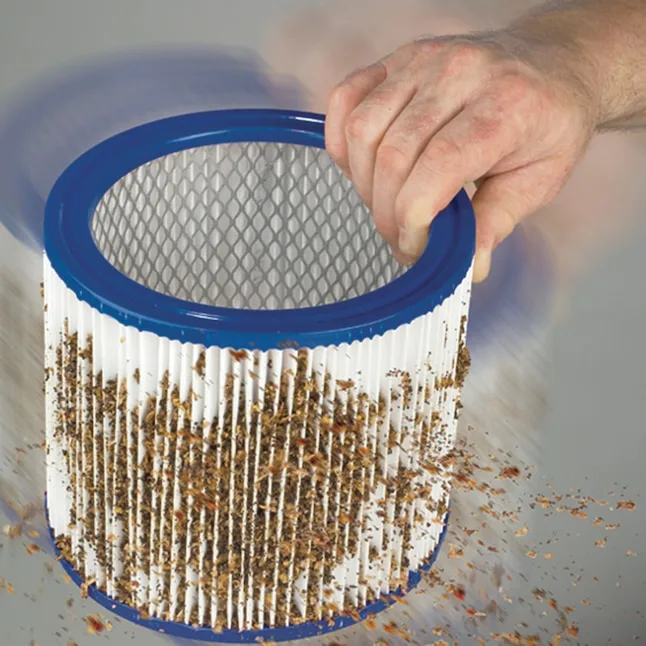
Image source: Bing (Web (fair-use with source credit))
Quick Answer: Yes, But Only If You Know Your Filter Type
Yes, shop vacuum filters can be washed, but only certain types. Foam sleeves can be rinsed with plain water. Pleated paper filters should be tapped or blown clean.
HEPA filters are a brand-by-brand call. Washing a filter that isn't built for water will destroy it quickly.
Why This Question Matters (and What Silently Ruins Filters)
Most people ask this question after the filter looks dirty. They're not trying to be cheap. They want the vacuum to perform like new.
That's a good instinct.
The problem is that water fixes some filters and destroys others. If you have a foam sleeve, water lifts dust out of the pores with ease. If you have a pleated paper cartridge, water turns the cardboard core into wet mush.
The pleats collapse, the seam splits, and the filter tears apart.
Aggregate reviews and repair forums show the exact same pattern again and again. Someone rinses a paper filter, waits a day, reinstalls it, and gets a face full of dust from the exhaust port. The motor still runs.
The filter is basically a sponge.
The real culprit is bad information, not the filter itself. People are told to wash a filter and assume every filter is made the same way. They aren't.
Once you know the material, the decision tree becomes clear.
If you're already dealing with weak suction, a dirty filter is the first thing to check. The same logic applies beyond shop vacs. A robotic pool vacuum that loses power often has the same issue with its own filter.
Keeping that pool-vacuum filter care routine simple can prevent a lot of headaches.
Filter Types That Can Be Washed
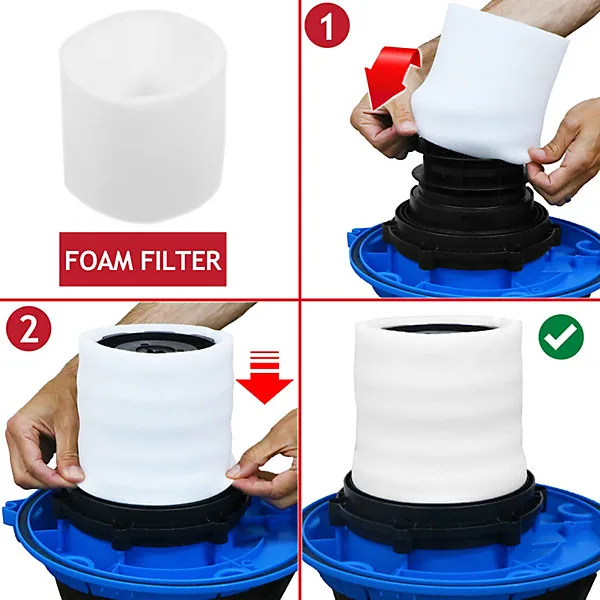
Image source: Web (Bing) / screwfix.com (Web image (fair-use with source credit))
Foam Sleeve Filters
Foam sleeves are the easiest example of a washable filter. They slip over the cage inside the drum, and they use open-cell foam that traps dust on the surface and inside the pores. Water can safely push that debris out without wrecking the material.
To wash one properly, remove it from the cage. Rinse it under a tap or hose, then gently squeeze it until the water runs clear. Don't twist or wring it.
Twisting can tear the foam. Then let it air dry for at least 24 hours before putting it back.
Washable Cloth Filter Bags
Some shop vacs use cloth filter bags rather than cartridge filters. These are usually made from a heavy woven fabric, and many are designed for repeated washing. The key word is "usually." If the bag has a cardboard collar or a paper lining, keep it dry.
Washable HEPA Filters
A small number of wet/dry vacs come with HEPA filters that are specifically labeled washable. That label matters a lot. Washing a standard HEPA filter, even once, can collapse the delicate media and ruin the filtration efficiency.
If the filter doesn't say "washable" in writing, treat it as disposable.
| Filter type | Washable? | Typical drying time |
|---|---|---|
| Foam sleeve | Yes | 24 hours |
| Cloth bag (unlined) | Sometimes | 24 to 48 hours |
| Labeled washable HEPA | Yes | 24 to 48 hours |
| Pleated paper cartridge | No | Not applicable |
Filter Types That Should Never Be Washed
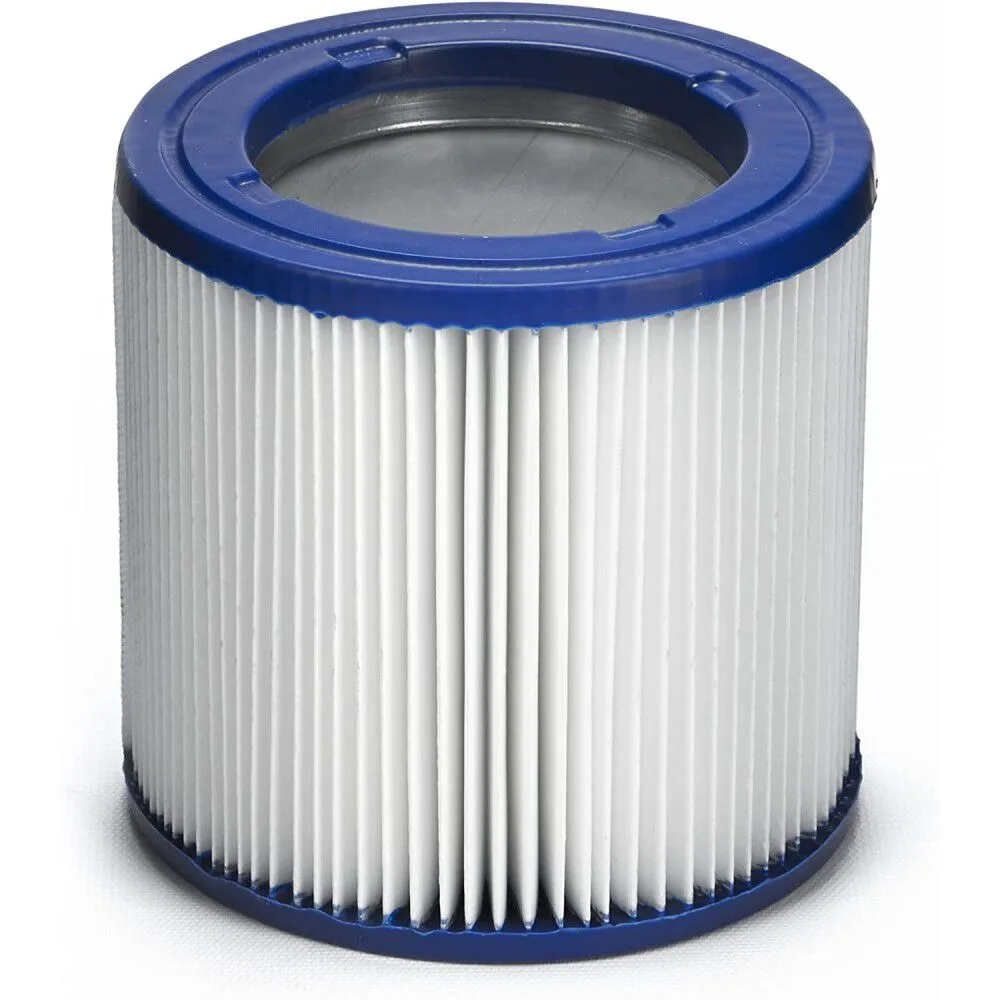
Image source: Web (Bing) / mscdirect.com (Web image (fair-use with source credit))
Pleated paper cartridge filters are the most common filters in shop vacs, and they are also the most likely to be ruined by water. The paper media is bonded to a cardboard frame, and moisture makes that frame swell and soften. Even a gentle rinse under low pressure can cause the pleats to separate from the adhesive.
Standard HEPA filters that aren't marked washable fall into the same category. Water can cause the fine fibers to mat down or tear, which destroys the filtration rating. A damaged HEPA filter may still look fine, but it won't capture fine particles the way it should.
If you're vacuuming hazardous dust like silica, lead paint debris, or certain mold spores, don't take chances. OSHA recommends HEPA filtration for materials that pose respiratory hazards, and a washed filter may not hold up to that duty. You can review the OSHA guidance on airborne contaminants to see where this applies.
When the filter isn't designed for water, replace it instead of experimenting.
The same goes for mixed-material filters. Some carts look like plastic frames with paper pleats and a foam wrap. That exposed paper still gets damaged by water.
If any part of the filter is paper-based, the whole filter stays dry.
The 30-Second Filter ID Check
You don't need a manual to figure out which filter you have. You just need to look at the media and the frame.
- Pull the filter out and set it on a clean, dry surface.
- Look at the frame. Cardboard or compressed paper means dry-clean only.
- Look at the pleats. Pleated paper that feels stiff and crinkly should never touch water.
- Run your hand over the surface. Soft, spongy, open-cell foam is the washable type.
- Check for a label. Many filters state "washable" or "replace only" right on the rim.
If the label says washable, you can proceed. If it says nothing, default to the "dry-clean only" side of the fence. That rule alone prevents most filter disasters.
This quick check also applies to any vacuum you own. The habit of confirming the filter type before cleaning is part of a solid maintenance routine. The same mindset works for maintaining a robotic pool vacuum, where the filter gets dirty just as fast and needs regular attention.
Still not sure? Think about how the vacuum was used. If it picked up mostly dry dust from woodworking, that's a paper filter situation.
If it handled a wet spill or a flooded garage, you probably have a foam sleeve. Wet/dry vacs come with foam sleeves specifically for liquid pickup.
When you need more suction, don't go straight to new filters. A clogged or coated filter causes the majority of annoying loss of suction problems in portable vacuums. Confirm the filter type first.
Then clean or replace based on what you find.
Step-by-Step: Washing a Foam Sleeve Filter
Unplug the vacuum before you remove the filter. Then pull the filter off the cage assembly. Tap it gently against a trash can to knock away the loose surface dust.
Rinse the foam sleeve under lukewarm water. Use low pressure. A hose on full blast will just drive the debris deeper into the open-cell foam.
If the pores are clogged with fine dust or oily residue, work a tiny drop of mild dish soap through the foam with your fingers. Rinse until the water runs clear.
Then squeeze the foam flat to push out the excess moisture. Do not twist or wring it. Twisting tears the cell walls and creates permanent weak spots that let dust bypass the filter entirely.
Let it air dry on a clean towel for at least 24 hours. Once it's dry, crush it in your hands a few times to soften the cells back up before sliding it over the cage.
Step-by-Step: Cleaning a Pleated Cartridge Filter
Pleated paper cartridges should not get wet. That doesn't mean they're disposable after one dusty project. You can restore most of their performance with a dry cleaning routine.
The best method is compressed air. Blow through the pleats from the inside out. This pushes the dust back out of the media instead of packing it deeper.
Keep the nozzle a few inches away so the air pressure doesn't tear the paper.
No compressor on hand? Gently tap the filter against a workbench or use a soft brush to sweep along the outside of the pleats. A fine dust caked in the grooves responds well to brushing.
If you've ever had a vacuum that keeps losing suction, a clogged filter is usually the first thing to fix. Dry cleaning handles the light stuff.
The moment a pleated filter is coated with wet paint dust, sticky residue, or heavy grime that brushing won't touch, stop guessing. Replace it. A damaged pleated filter lets fine particles blow straight through the motor exhaust, and that's not a headache you want.
The Drying Rule: Why Most Ruined Filters Die After Washing
Water rarely kills a washable filter on its own. The real killer is what happens after the rinse. A foam sleeve or cloth bag that stays damp for days becomes a breeding ground for mold and mildew.
Once mold sets in, the filter is ruined. Worse, the exhaust air from your vacuum will smell musty every time you use it. That smell gets baked into the machine.
The rule of thumb is 24 to 48 hours of dry time. Humid garages push that window closer to the longer end. Find a warm, airy spot with good ventilation.
A sunny spot works even better.
Never use a heat gun, hair dryer, or oven to speed things up. High heat melts foam and shrinks cloth, which changes the fit and ruins the seal. If you need the vacuum tomorrow, buy a spare filter and rotate them.
That simple habit solves the downtime problem completely.
What If Your Filter Isn't Washable? Quick Alternatives
A non-washable pleated filter isn't a dead end. You have options depending on your budget and how often you use the vacuum.
First, replace it with the same cartridge. This is the simplest route and the right call if the filter is already damaged or heavily loaded. Replacement cartridges for common wet/dry vac brands typically run between $15 and $40.
Second, check if your vacuum model supports a washable foam sleeve. Many shop vacs ship with both types of filters. If yours came with a paper cartridge only, the manufacturer may sell a foam sleeve as an accessory.
That gives you a washable option for wet pickups and dusty jobs.
Third, add a pre-separator cyclone. This attachment sits between the hose and the drum, swirling heavy debris into the tank before it ever touches the filter. It keeps the filter clean for months.
If you're tired of constant filter care, this is the upgrade worth making. The same principle applies to robotic pool vacuum upkeep: keeping the primary filter clean is the whole battle.
Common Mistakes That Cost Money
Washing Paper Filters
Giving a pleated paper cartridge a quick rinse is the most expensive habit there is. Water makes the cardboard frame swell and the pleats separate. Replace that filter instead of washing it.
Wringing Out Foam
Twisting a foam sleeve to speed up drying tears the cell walls. Those tears turn into permanent gaps that let dust pass through. Squeeze the foam flat instead.
Using Hot Water on Any Filter
Hot water breaks down adhesives and can warp the filter media. Stick to cool or lukewarm water for everything you wash.
Skipping the Drying Time
Reinstalling a damp filter guarantees poor suction. The moisture also clogs the pores instantly, so the filter clogs faster than a dry one would.
Ignoring the Filter Cage
While the filter is off, check the cage for debris. A wad of dust trapped under the filter blocks airflow. Clean it out and you'll feel the suction difference before you even turn the vacuum on.
That quick check is part of a smart routine for fixing pool vacuums that seem sluggish for no obvious reason.
Replacement vs. Cleaning: Cost and Lifespan Reality
Cleaning always costs less upfront than replacing. But it costs time. You need to pull the filter, clean it properly, and wait a full day for drying.
If you use your shop vac daily, that's a day of downtime.
Replacement filters for common wet/dry vacuums run $15 to $40. A foam sleeve runs $10 to $25. If you buy a spare and rotate them, you'll always have a dry filter ready.
That one-time purchase pays for itself the first time you need the vacuum mid-dry.
Compare that to the cost of a ruined filter. Washing a $25 pleated cartridge out of habit immediately turns it into garbage. Then you're buying a replacement anyway.
That's the most expensive way to maintain a shop vac.
| Option | Upfront cost | Time required | Realistic lifespan |
|---|---|---|---|
| Wash foam sleeve | Free | 10 min + 24 hr dry | 6 to 12 months |
| Dry-clean pleated paper | Free | 5 min | 3 to 6 months |
| Replace pleated paper | $15 to $40 | 5 min | 3 to 6 months |
| Rotate two washable filters | $20 to $50 | 10 min every swap | 12+ months |
Also track how it performs. A filter washed six or seven times starts to lose its structure. Foam gets softer.
Cloth bags wear thin. The same rule applies to any vacuum you own. It's worth knowing how long equipment lasts before you decide whether to clean or replace.
FAQs: Quick Answers on Filter Washing
How often should I clean my shop vac filter?
Clean it when suction drops noticeably. For daily use, that usually means every week or two. For occasional garage cleanup, every month works.
If you can see dust caked across the pleats or foam, clean it before the next use.
Can I wash a shop vac filter with soap?
Only washable filters. Mild dish soap is great for foam sleeves and cloth bags. It breaks up oils and fine dust that plain water leaves behind.
Never use soap on pleated paper filters. The residue clogs the media and attracts more dust.
What happens if I wash a pleated paper filter?
The cardboard frame swells and the pleats separate from the adhesive. The filter loses its seal inside the vacuum. Dust then bypasses the media and blows out of the exhaust port.
Most pleated filters fail within a few weeks after a single rinse.
How do I dry a washed filter fast?
Press the water out with a towel, then place the filter in front of a fan. That shortens dry time to about 12 hours in low humidity. Never use a hair dryer, heat gun, or oven.
Heat destroys foam media and warps plastic frames.
Can a dirty shop vac filter damage the motor?
Yes. A clogged filter restricts airflow, which makes the motor run hotter and work harder. Over months, that extra strain shortens the motor's life.
Keeping a spare filter around avoids the temptation to run a vacuum with a clogged or missing filter.
Decision Guide: Match Your Filter Type to the Right Move
Here's the whole process as a quick decision tree. Read down until you find your situation.
- Foam sleeve? Wash with cool water, squeeze flat, dry for 24 to 48 hours.
- Pleated paper cartridge? Tap it out, brush the pleats, or blow it clean with compressed air. Never wet it.
- Cloth bag with cardboard collar? Shake out the dust. Keep the cardboard dry. Wet cardboard turns to mush, and that ruins the seal.
- Labeled washable HEPA? Follow the manufacturer's directions exactly. Most require a gentle rinse and a 24-hour dry.
- Damaged or torn filter? Replace it. Cleaning won't restore a broken seal, and a leaky filter sends dust straight into the motor.
If you're ever unsure, check the label. If there's no label, treat the filter as dry-clean only.
That's the whole secret. Shop vac filters aren't complicated once you know which group yours belongs to. Wash what's washable, dry what's not, and replace anything that's torn.
That approach keeps your suction strong, your motor clean, and your dust where it belongs.

