

Can robot vacuums clean carpets? Yes, but the honest answer depends on your carpet and your expectations. A robot vacuum is not a carpet-cleaning miracle worker.
It is a diligent helper that handles daily dust, crumbs, and pet hair while you get on with your day.
Aggregate reviews and manufacturer specs show that, as of 2026, most mid-range robots generate between 2,000 and 6,000 Pa of suction. The Carpet and Rug Institute treats pile height and brush contact as the key factors in carpet cleaning performance. So the real question isn't whether robot vacuums can clean carpets.
It's which carpets they can handle.
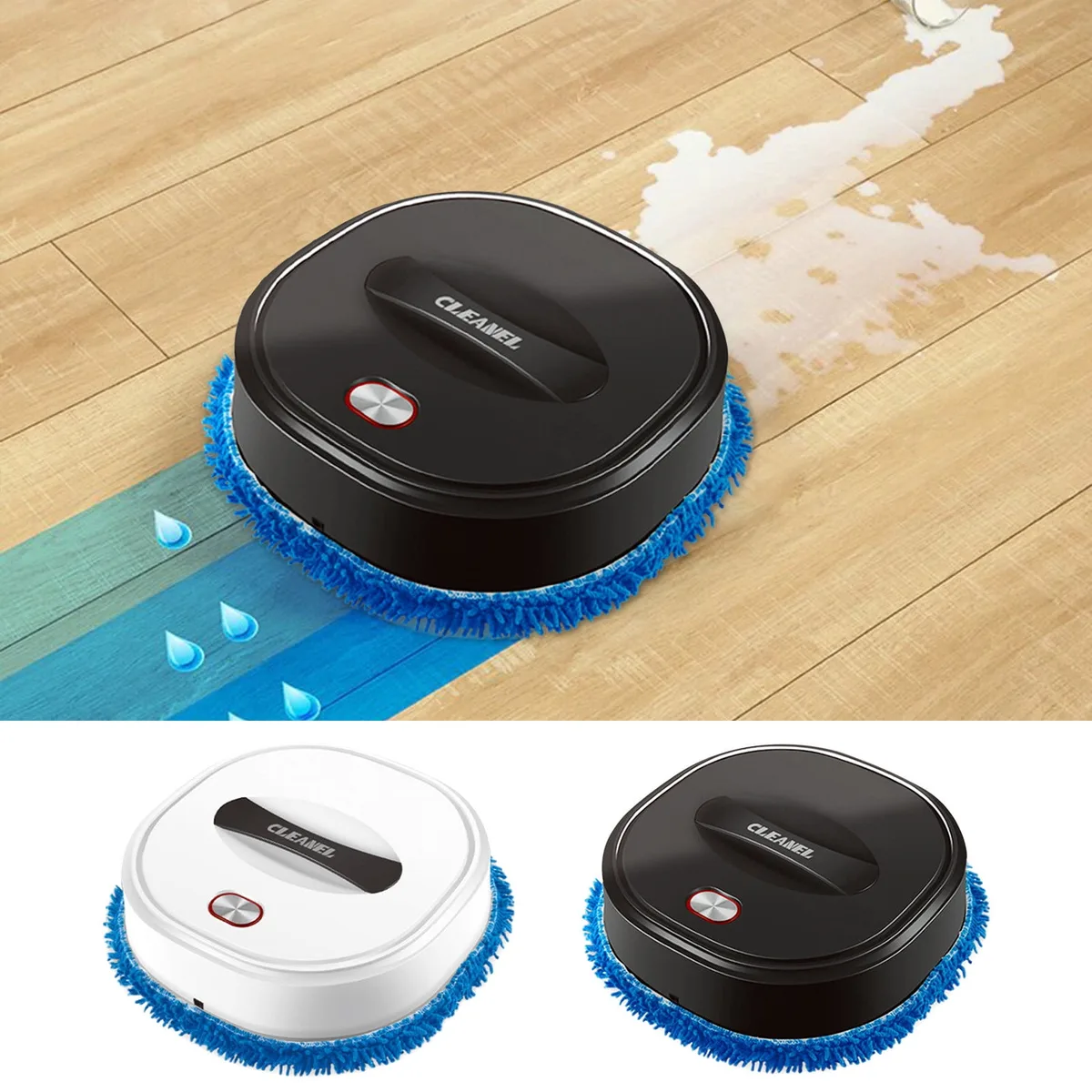
Image source: Bing (Web (fair-use with source credit))
Can Robot Vacuums Clean Carpets?
Quick Answer
Can robot vacuums clean carpets? Yes, on low-pile and medium-pile carpet. They handle daily dust and pet hair.
High-pile and shag carpet can stall them. Most robots can't deep clean like an upright. The right answer depends on your carpet.
Why This Question Deserves a Real Answer
Ask ten people whether a robot vacuum can handle carpet and you'll get ten different answers. One person will swear their robot keeps their bedroom carpet spotless. Another will tell you it died on their shag rug within five minutes.
Both are right.
The difference comes down to two variables: the carpet itself and the robot's design. Carpet pile height, brush roll type, suction power, and navigation sensors all decide the outcome. A $200 robot that's great on hard floors can be useless on a high-pile rug.
A $700 flagship with carpet boost can do a decent job on medium-pile carpet.
That's why this topic deserves a proper breakdown rather than a simple yes or no. If you understand how your robot interacts with carpet fibers, you'll know what to expect before you send it out on a mission. You'll also know when to keep using your upright instead.
The traditional upright vacuum still wins when it comes to deep cleaning, which is why many homes use both. A robot handles the daily upkeep. An upright handles the weekly reset.
How Robot Vacuums Actually Clean Carpet
A robot vacuum works on carpet the same way a full-size vacuum does. It uses suction to pull air through the carpet fibers. A rotating brush roll then agitates the fibers to loosen dirt and pet hair that suction alone can't grab.
The difference is scale. A robot has a smaller dustbin, a smaller brush roll, and often less raw suction than an upright. That doesn't mean it's useless.
It means you need to adjust your expectations.
Suction Power and Carpet Boost
Suction is the first spec people check. Pascal (Pa) ratings tell you how much negative pressure a robot generates. On hard floors, 1,500 Pa can look great.
On carpet, you want more.
Most modern robots have a carpet boost mode. The machine detects a soft floor, then automatically ramps up suction for a minute or two. Aggregate reviews report that raising suction from 2,000 Pa to around 4,000 Pa makes a noticeable difference on medium-pile carpet.
Battery life takes a hit when carpet boost kicks in. Higher suction means the motor works harder and drains the battery faster. If your home is mostly carpet, budget for a robot with a runtime of at least 120 minutes or one that returns to its dock to recharge before finishing.
Brush Roll Design and Tangle Handling
The brush roll does the physical heavy lifting. A rubber roller tends to perform better on carpet because it doesn't snag fibers the way bristle brushes can. Bristle brushes are fine on low-pile carpet, but they can catch on looped Berber or medium-pile loops.
Many newer robots use a tangle-free brush roll with a V-shaped pattern. That design pushes hair toward the center, where suction pulls it into the dustbin. It helps, but it's not a miracle.
You will still need to pull hair off the roller occasionally.
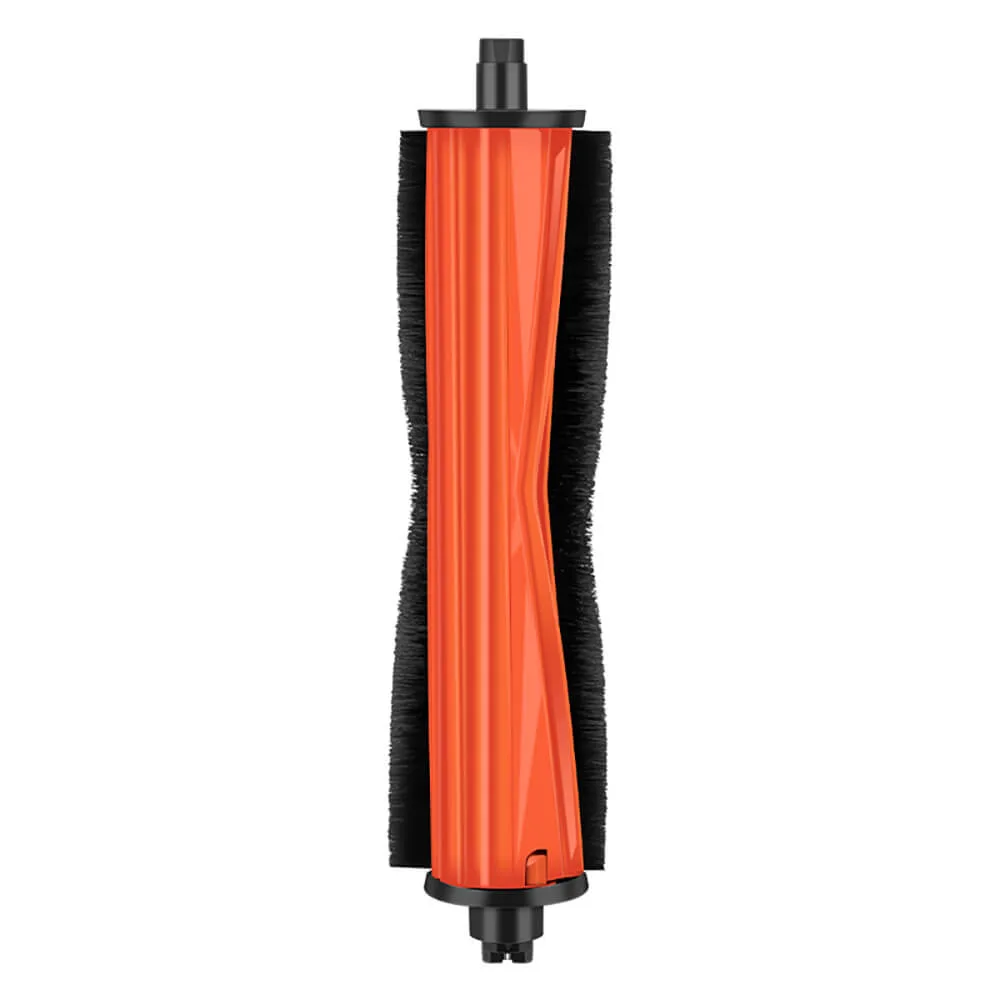
Image source: Bing (Web (fair-use with source credit))
If you have pets, look for a robot with a brush roll that's easy to remove. Cleaning hair out of the brush roll every few days keeps the robot running smoothly and prevents the roller from locking up.
The First Variable: Carpet Pile Height
Pile height is the length of the carpet fiber from the backing to the tip. It's the single biggest factor in whether a robot vacuum can clean your carpets.
| Carpet Type | Pile Height | Typical Robot Result |
|---|---|---|
| Low-pile carpet | Under 0.5 inches | Works well |
| Medium-pile carpet | 0.5 to 0.75 inches | Works with limits |
| High-pile carpet | Over 0.75 inches | Often struggles |
| Shag or frieze carpet | 1 inch or more | Not recommended |
Low-Pile Carpet
Low-pile carpet is the best-case scenario. Office carpet, Berber, and dense commercial carpet sit close to the floor. Wheels roll easily, the brush makes solid contact, and suction can pull up grit without a fight.
Most robot vacuums handle low-pile carpet without complaining. You may see slightly shorter runtime because carpet creates more suction resistance than hard floors, but the cleaning result is close to what a cordless stick vacuum would achieve. That makes low-pile carpet the sweet spot for robot ownership.
If you want to fine-tune performance, check what vacuum height your carpet needs. The right height setting helps the brush stay in firm contact with the fibers while still letting the robot glide forward. Most robots handle this automatically, but it's worth knowing before you adjust anything.
Medium-Pile Carpet
This is where the verdict gets murky. Medium-pile carpet traps more sand, crumbs, and dander. A robot with carpet boost can still work, but you may need to run it more often or schedule multiple passes.
Some robots also struggle with thicker carpet padding. The chassis sinks into the softer surface, the wheels lose traction, and the robot starts to spin in place or report an error. If your medium-pile carpet sits on plush padding, test the robot in one room before trusting it with the whole house.
The upside is that medium-pile carpet still gives the brush roll enough contact to agitate dirt. Just empty the dustbin more often. Carpet releases more debris than hard floors, and a full bin cuts suction quickly.
Pay attention to how hard the motor sounds toward the end of a run. That's your signal to check the bin.
High-Pile and Shag
High-pile and shag carpet can stop a robot dead. The machine sinks into the fibers, the roller stalls, and the cliff sensors may mistake dark shadows for drop-offs. Many robots will turn around, retreat, or simply refuse to clean that area.
Manufacturer manuals often list a maximum pile height for this exact reason. Check yours before you press start. If the manual doesn't say, measure the pile with a ruler.
Anything over roughly 0.75 inches is a gamble. Shag carpet, with fibers an inch or more long, should be treated as a no-go zone for most robot vacuums.
That doesn't mean the robot is broken. It means the carpet is too deep for the robot's brush roll to reach the backing, which is where dirt settles. A full-size upright vacuum with adjustable height is the better tool for that job.

Image source: Web (Bing) / storage.googleapis.com (Web image (fair-use with source credit))
The Second Variable: Your Robot's Navigation and Sensors
Even a robot with strong suction can fail on carpet if its sensors get confused. The way a robot sees the world is different from how you see it. Your eyes understand the difference between a black rug and a hole in the floor.
A robot's cliff sensors sometimes can't tell.
Cliff Sensors and Dark Rugs
Cliff sensors use infrared light to measure the distance to the floor. When that light hits a dark surface, it can scatter or absorb instead of reflecting back. The sensor then assumes the floor drops away and tells the robot to stop.
Dark-colored rugs on light carpet are the classic trigger. A charcoal area rug sitting on beige carpet might look like a cliff to the robot. That reads as a failure to clean the rug, but it's actually the robot protecting itself from falling downstairs.
Some models handle dark surfaces better than others. Flagship robots from brands like Roborock and iRobot use structured light or camera-based navigation to map the room in 3D. Those systems are less likely to misread a dark rug.
Budget robots with basic infrared sensors are more prone to false cliffs.
If your robot refuses to touch a dark rug, you can sometimes trick it. Place a light-colored mat on the edge of the rug so the sensor sees a clear surface. Or use the app's no-go zone to exclude the rug entirely and clean around it.
Check the best robot vacuums for hard floors if you need a model that's more adaptable in mixed-floor homes.
Getting Stuck on Rug Edges and Fringes
Rug edges are the second big pain point. A low-profile robot can climb over a thin rug edge, but thicker pads create a ramp too steep for the wheels. The robot will push against the edge, spin its wheels, and eventually give up with an error message.
Fringes make things worse. Tassels and fringe can get sucked into the brush roll and wrap around the roller. If the robot doesn't have a tangle-free brush, it may stop mid-run and leave the rug half cleaned.
The practical fix is preparation. Tuck fringe under a rug pad, or fold it over the edge before you run the robot. For area rugs with thick edges, use a no-go zone in the app so the robot cleans up to the boundary without attacking the edge.
Here's the general guideline: if your fingers can feel a big lip between the floor and the rug, the robot will feel it too.
For homes with lots of thick rugs, a carpet-safe upright vacuum might be a better primary tool. Robot vacuums are great at maintenance. They're not always great at climbing obstacles.
Decision Guide: Which Carpet Can Your Robot Handle?
Here's how to decide without wasting money or time. Match your carpet type to the right cleaning strategy.
You Have Low-Pile Carpet
If you have low-pile carpet, your robot can likely handle daily cleaning. Run it every day or every other day. It will pick up dust, crumbs, pet hair, and surface grit.
Expect the dustbin to fill faster than it does on hard floors.
This is the best-case scenario. You can rely on the robot as your primary vacuum, with a manual deep clean once a month.
You Have Medium-Pile Carpet
If you have medium-pile carpet, test your robot first. Start with one room and use carpet boost mode if your model has it. Aggregate reviews show that most mid-range robots leave medium-pile carpet looking tidy on the surface.
The catch is deep cleaning. Sand, dander, and fine dust settle into the backing, and a robot just doesn't have the agitation to pull them out. You'll want an upright or canister vacuum for a weekly deep pass.
You Have High-Pile or Shag
If you have high-pile or shag carpet, set a no-go zone over that area. Most robots will struggle, spin in place, or report an error. Some will even damage the carpet fibers over time with repeated passes just above the surface.
You can still use the robot on low-pile areas of your home. Just keep it away from the thick stuff. A full-size upright vacuum is the right tool there, especially if you need to protect your carpet from damage.
Robot Vacuum vs. Upright Vacuum for Carpets
| Factor | Robot Vacuum | Upright Vacuum |
|---|---|---|
| Suction | 2,000 to 6,000 Pa | Generally higher |
| Carpet agitation | Light to moderate | Aggressive brush roll |
| Deep cleaning | Weak on high pile | Strong on most piles |
| Convenience | Automated daily runs | Hands-on manual work |
| Best for | Maintenance and upkeep | Weekly deep cleans |
The honest take: a robot vacuum is a great maintenance tool. It keeps carpet from getting visibly dirty between manual cleanings. But it doesn't replace an upright when it comes to deep cleaning.
Most homes we've researched end up using both. The robot handles daily grit. The upright handles the weekly reset.
That combination keeps carpet cleaner with less effort overall, and it's why uprights are still worth buying for large carpeted homes.
Step-by-Step Setup for Carpet Cleaning
Mapping, No-Go Zones, and Scheduling
Run your robot once without cleaning to map the house. After that, open the app and set no-go zones for high-pile carpet, thick rugs, and any rug fringes. Then schedule the robot to run when you're out, like mid-morning or early afternoon.
Enable carpet boost if your model has it. Yes, it drains the battery faster. No, it's not worth skipping if you have medium-pile carpet.
The extra suction makes a visible difference in pickup.
Prepping the Room Before Each Run
Carpets collect more than just dust. They collect phone cables, hair ties, loose change, and small toys. Pick those up first so the robot doesn't swallow them or get stuck.
Tuck rug fringes under the rug or fold them over the edge. Close doors to rooms you don't want cleaned. If the robot is low-profile, double-check that it can climb over the transition strips between rooms without getting wedged.
What a Robot Vacuum Won't Do on Carpet
A robot vacuum won't deep clean carpet. It won't extract the embedded sand and dust that pile up in high-traffic hallways. It won't remove stains, and it won't refresh carpet fibers the way a manual vacuum can.
It also won't handle stairs, tight corners with low clearance, or shag carpet. Some robots have edge brushes, but they still miss the very last quarter-inch along baseboards.
That means you should keep your expectations realistic. A robot keeps the surface clean. It doesn't replace the weekly deep clean, especially if you have kids, pets, or allergy concerns.
For allergy sufferers, a HEPA filter helps, and some of the best HEPA vacuum cleaners combine robot convenience with better filtration.
Mistakes to Avoid with Robot Vacuums and Carpets
- Ignoring pile height limits in your robot's manual
- Running a robot on wet carpet, which can damage the motor and the flooring
- Leaving rug fringes exposed so they tangle around the brush roll
- Forgetting to empty the dustbin before a carpet run
- Skipping brush roll maintenance until the roller locks up
- Setting no-go zones too close to the carpet edge, so the robot can still get stuck
The most common failure is treating the robot like a full-size vacuum and expecting a deep clean. It's a helper, not a replacement. If you remember that, you'll be happy with the results.
Maintenance That Keeps Carpet Cleaning Consistent
Carpet is harder on robots than hard floors. The brush roll and filters take the brunt. Empty the dustbin after every run because carpet releases more debris and a full bin kills suction fast.
Clean the brush roll weekly if you have pets. Hair and carpet fibers wrap around the roller, and once it locks up, the robot stops mid-room. Check your manual for filter replacement intervals and stick to them.
The Carpet and Rug Institute maintains performance standards for vacuum cleaners, and their carpet care guidelines explain what regular maintenance actually does for your flooring.
Real-Life Scenarios: What Actually Works
A two-person household with a dog on low-pile Berber runs a mid-range robot daily. It picks up fur and crumbs, and a weekly upright pass handles the rest. The robot uses a self-emptying dock, so the owner only touches the brush roll every couple of weeks.
A family with a shag living room rug learned the hard way. The robot spun in place and reported errors. They set a no-go zone over the shag and let the robot handle the hallway and bedrooms instead.
The shag gets vacuumed manually.
Final Verdict: Should You Rely on a Robot Vacuum for Carpeted Floors?
You can rely on a robot for daily upkeep on low-pile and medium-pile carpet. You should not rely on it for deep cleaning, shag rugs, or heavy-traffic areas. If you're buying one, look for carpet boost, a tangle-free brush roll, and strong cliff sensors.
Keep an upright around for the weekly deep clean. That combo gives you effortless daily maintenance and a proper reset once a week.
FAQ: Quick Answers to Common Carpet Robot Questions
Can a robot vacuum damage my carpet?
Yes, in some cases. High-pile carpet and fringes can wrap around the brush roll and pull fibers. Use no-go zones for thick rugs and keep fringes tucked in.
How often should I run a robot vacuum on carpet?
Daily or every other day works best for low-pile and medium-pile carpet. That keeps surface dust and pet hair under control. You still need a weekly manual deep clean.
Do robot vacuums work well for pet hair on carpet?
Yes. Look for a tangle-free brush roll and suction around 4,000 Pa or more. Empty the dustbin often because carpet and pet hair fill it quickly.
Should I buy a robot if my home is mostly carpet?
Only if your carpet is low-pile or medium-pile. High-pile and shag will frustrate you. An upright vacuum is still a better primary tool for that flooring.
Can a robot vacuum replace a regular vacuum on carpet?
No. A robot is a maintenance tool, not a deep cleaner. It keeps the surface tidy, but an upright or canister vacuum is still needed for weekly deep cleaning.

