

Can Central Vacuum Pipes Be Added To An Existing House?
Adding a central vacuum system to a house that wasn’t built with one is definitely possible. While it requires more effort than installing one in a new build, it can significantly improve your home’s air quality and cleaning convenience. This system uses pipes installed within your walls to carry dirt and debris to a central unit, usually located in the garage or basement.
The idea of retrofitting a central vacuum system might seem daunting, but many homeowners find the benefits well worth the effort. It’s a project that can be tackled by skilled DIYers or professional installers. Understanding the process, potential challenges, and benefits will help you decide if this upgrade is right for your home.
Understanding The Central Vacuum System
A central vacuum system consists of a main power unit, a network of pipes running through the walls, and inlets (outlets) in various rooms. The power unit contains the motor and the collection bin or bag. When you plug a hose into an inlet, the motor activates, creating powerful suction that pulls dirt, dust, and debris through the pipes to the main unit for disposal.
Unlike portable vacuums, central vacuums vent the air they suck up outside the living space, which can significantly reduce airborne allergens and dust. The main unit is typically much larger and more powerful than what can fit into a portable vacuum, leading to superior cleaning performance.
The system is designed for longevity, with most components built to last for decades.
The Retrofitting Process: Step-by-step
Installing pipes in an existing house involves opening up walls and ceilings, but the disruption can be managed. The process generally follows these steps:
- Planning the Layout: This is the most crucial step. You need to map out the best routes for the pipes from each inlet location to the central power unit. The goal is to minimize the length of pipe runs and avoid complex bends, which can reduce suction power.
- Installing the Main Unit: The central vacuum unit is usually placed in a garage, basement, or utility room. It needs access to an electrical outlet and an exhaust vent to the outside.
- Running the Pipes: This is where most of the work happens. Holes are cut into walls (often in closets or behind furniture to hide them) and floors. PVC pipes are then run through these openings, connecting each inlet location to the main unit. Low-voltage wires are also run alongside the pipes to connect the inlets to the power unit, allowing the system to turn on when a hose is plugged in.
- Installing Inlet Valves: Once the pipes are in place, the inlet valves are mounted on the walls. These are the points where you will plug in your vacuum hose.
- Connecting to the Power Unit: The final pipe run connects to the main vacuum unit. All connections are sealed to ensure maximum suction.
- Testing: After installation, the system is tested to ensure all inlets are working correctly and there are no leaks in the pipe network.
Key Considerations For Existing Homes
When retrofitting a central vacuum system, several factors need careful consideration:
Wall And Floor Access
The biggest challenge is accessing the space within walls and under floors to run the pipes. This often means cutting into drywall, plaster, or subflooring. The extent of this depends on your home’s construction. Older homes with crawl spaces or accessible basements can make pipe installation easier than homes with solid concrete slabs or finished basements.
Pipe Routing
Efficient pipe routing is essential for optimal performance. Ideally, pipes should run downwards from inlets to the power unit. Long, winding runs or numerous sharp bends can significantly reduce suction power. Planners often use existing chases (vertical spaces for plumbing or wiring) or run pipes through attics or basements.
Inlet Placement
Strategic placement of inlet valves is key for convenience. Consider the size of rooms and how you typically clean. A good rule of thumb is one inlet for every 700-1000 square feet of living space. For larger homes, you might need more.
Noise And Vibration
The main power unit can be noisy. Locating it in a garage or basement, away from main living areas, helps mitigate this. Some units also have sound-dampening features.
Cost And Time
Retrofitting a central vacuum system is more labor-intensive and thus more expensive than installing one during new construction. The cost can range from $1,000 to $3,000 or more, depending on the size of your home, the complexity of the installation, and the quality of the system.
The installation process itself can take anywhere from one to three days for a professional crew.

Benefits Of A Central Vacuum System
Despite the installation challenges, the benefits of a central vacuum system are substantial.
Improved Indoor Air Quality
This is perhaps the most significant advantage. Central vacuums exhaust dust and allergens directly outside the home, unlike portable vacuums which can recirculate fine particles back into the air. Studies have shown that central vacuum systems can remove up to 99.
97% of dust and debris from the home. This can be a major benefit for people with allergies, asthma, or other respiratory issues.
Superior Cleaning Power
Central vacuum units are generally more powerful than their portable counterparts. The larger motors and the direct pipe runs to the collection unit allow for stronger, more consistent suction. This means deeper cleaning and less effort required to pick up dirt and debris.
Convenience And Ease Of Use
With inlets strategically placed throughout the house, you don’t need to carry a heavy vacuum up and down stairs or maneuver it around furniture. Simply plug in the lightweight hose, and you’re ready to clean. Many systems also offer specialized attachments for different cleaning tasks, from carpets to hard floors and even car interiors.
Quieter Operation
While the main unit is located remotely, the actual cleaning process at the inlet is much quieter than using a portable vacuum. This means you can clean without disturbing others in the house.
Increased Home Value
A central vacuum system can be an attractive feature for potential buyers, potentially increasing your home’s resale value. It’s seen as a desirable upgrade that enhances comfort and convenience.
Common Challenges And Solutions
When retrofitting, you might encounter specific challenges:
Limited Access To Wall Cavities
In some homes, especially those with finished basements or limited attic access, running pipes can be difficult.
- Solution: Consider running pipes through existing ductwork chases, under the subfloor if accessible, or even surface-mounting some conduit where necessary, though this is less aesthetically pleasing.
Electrical Wiring
You’ll need to ensure proper electrical connections for the power unit and the low-voltage wires that activate the system.
- Solution: A qualified electrician should handle all electrical work to ensure safety and compliance with building codes.
Drywall Repair
Cutting into walls inevitably requires patching and repainting.
- Solution: Plan the pipe runs carefully to minimize the number of holes. Consider doing the installation during a larger renovation project to combine repair work.
Cost Justification
The upfront cost can be a barrier.
- Solution: Weigh the long-term benefits of improved air quality, cleaning efficiency, and potential home value increase against the initial investment. Compare quotes from multiple installers.
Diy Vs. Professional Installation
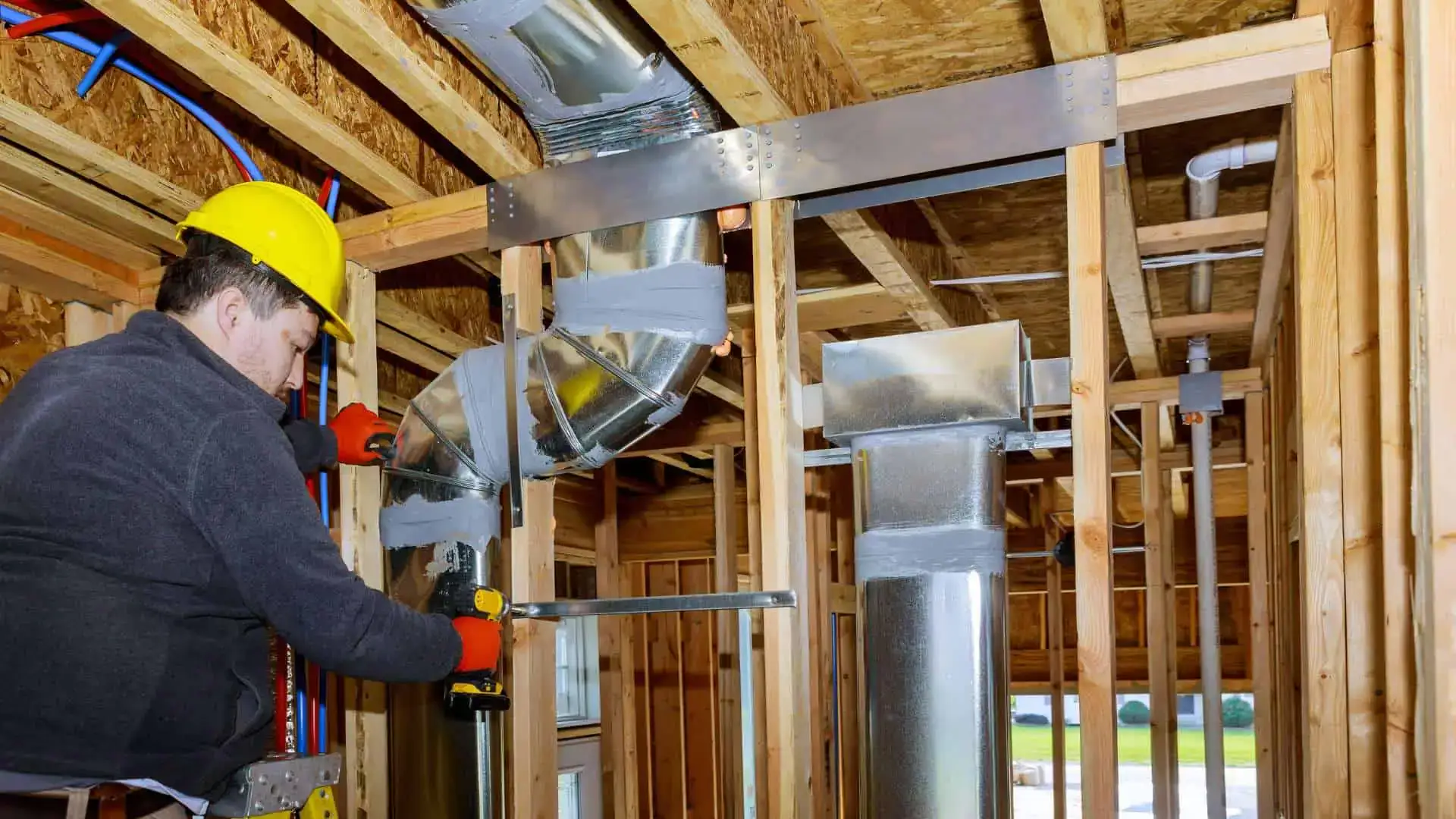
While some parts of the installation might seem straightforward, running pipes through walls and ensuring proper sealing and electrical connections can be complex.
Diy Installation
If you are comfortable with basic construction, have experience cutting into walls, and understand electrical wiring, a DIY installation is possible. You’ll need to purchase a central vacuum kit and potentially rent specialized tools.
- Pro Tip: Thoroughly research pipe routing techniques and sealing methods to avoid performance issues. Watch many installation videos before starting.
Professional Installation
Hiring a professional installer is generally recommended for a seamless and efficient job. They have the experience, tools, and knowledge to navigate the complexities of retrofitting.
- Example: A professional installer can often complete the job in 1-3 days, minimizing disruption to your household. They can also advise on the best system for your home’s specific layout.
Central Vacuum System Components
A typical central vacuum system includes several key parts:

