

Can a shop vacuum clean a workshop? Yes, but only if you match the machine to the mess. Most workshops are full of mixed debris: sawdust, drywall dust, metal shavings, even spilled water or coolant.
A one-size-fits-all shop vac will handle some of those beautifully and fail hard on others.
The key is understanding what you're actually asking the vacuum to do. In our research, the most useful place to start is the filter. True HEPA filters are rated at 99.97 percent efficiency for 0.3-micron particles under U.S.
Department of Energy standards. Once you know the job, the right branch becomes obvious.
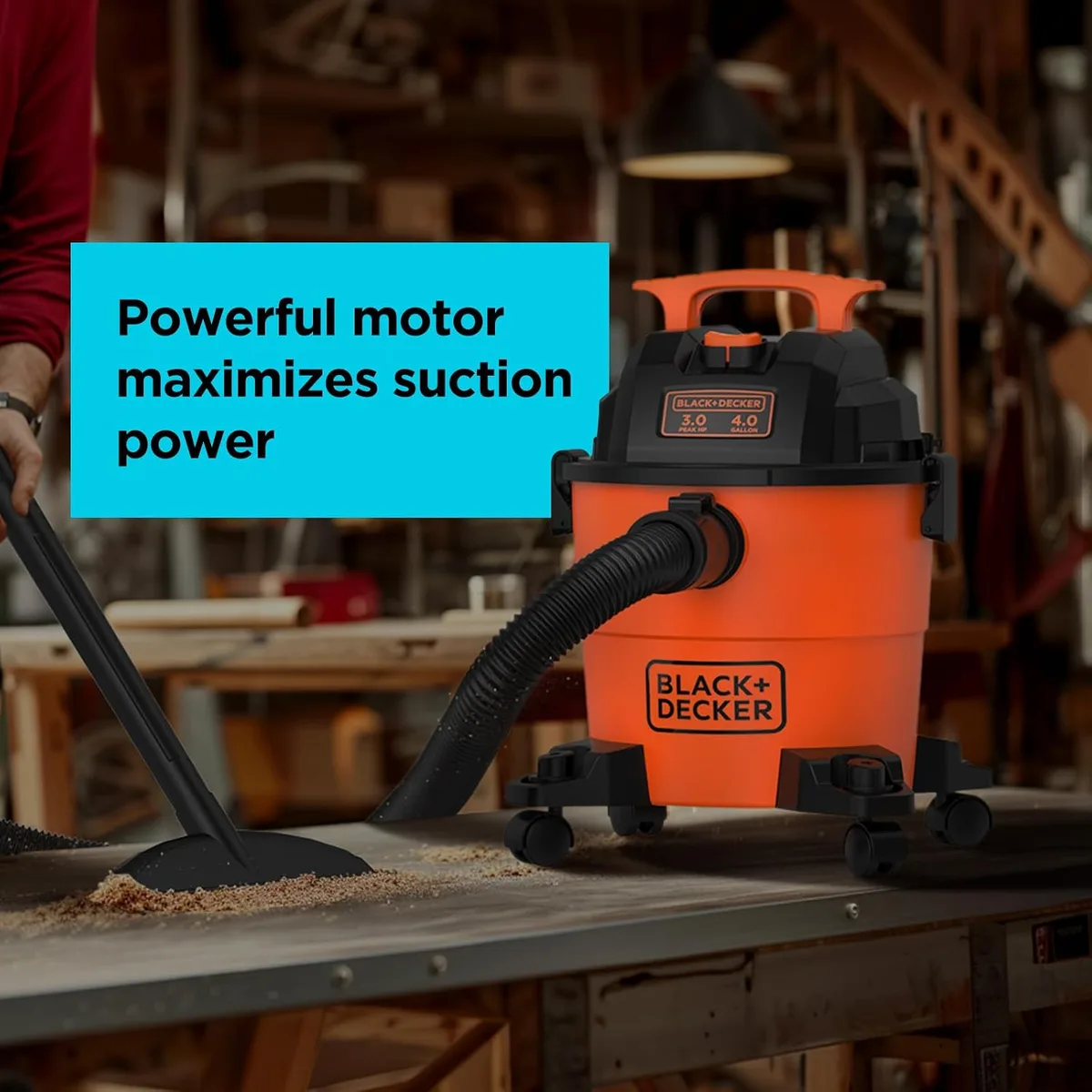
Image source: Web (Bing) / manuals.plus (Web image (fair-use with source credit))
Quick Answer: Yes, But Only If You Choose the Right Setup
Yes, a shop vacuum can clean a workshop. It excels at everyday dry debris and occasional wet spills. It struggles with fine dust, huge piles of shavings, and hazardous materials.
Think of a shop vac as the workshop's generalist. For most home shops and even professional garages, a well-configured shop vac is the backbone of daily cleanup.
| Debris type | Shop vac ready? | Why it works or doesn't |
|---|---|---|
| Sawdust and wood chips | Yes | Standard filter and wide hose handle this well |
| Drywall and sanding dust | Only with HEPA | Standard filters let fine dust escape back into the air |
| Metal shavings | Sometimes | Use an anti-static hose, never vacuum combustible metals |
| Water and coolant | Yes, with foam sleeve | Remove the paper filter first and empty the tank promptly |
| Planer piles or giant shavings | Usually not | High volume clogs a shop vac fast |
The rule of thumb is simple. If the mess is dry, chunky, and low-risk, a shop vac is the right tool. If the mess is fine, hazardous, or measured in buckets, you need more.
What Are You Actually Cleaning? The First Decision Branch
The first question is simple: what are you cleaning? That single answer determines everything else, from the filter you need to the hose size that saves your patience.
Start With the Debris Size
Large debris is easy. Small debris is where things get complicated.
- Sawdust from a table saw? Almost any shop vac will do.
- Drywall dust? You need high-efficiency filtration.
- Metal shavings? Think about static and fire risk.
- Water or coolant? Swap the dry filter for a foam sleeve.
Then Ask: Wet or Dry?
Most wet/dry shop vacs handle both, but never with the same filter. A dry paper filter turns to mush when it hits water. A foam sleeve is mandatory for wet pickup, and many machines use a float valve that blocks suction when the tank reaches capacity.
That float saves the motor, but only if you've set the vac up correctly.
Finally, Check for Hazard
Fine dust from drywall, sanding, and certain hardwoods isn't just a nuisance. As of 2026, OSHA's respirable crystalline silica standard still sets a strict exposure limit. A standard shop vac can make things worse by blowing fine dust right back into the room.
In our research, the most common mistake is buying a shop vac based on horsepower alone. Aggregate reviews consistently show that airflow, measured in CFM, and static water lift matter more. A good workshop target is around 100 to 200 CFM and at least 60 inches of water lift.
Dry Debris: Sawdust, Wood Chips, and Shavings
Dry debris is the shop vac's home turf. Sawdust, wood chips, and scattered shavings are exactly what this vacuum was designed to pick up. With the right hose and filter, it makes short work of a messy bench or floor.
Hose diameter matters more than most people think. A narrow 1.25-inch hose is fine for fine dust but clogs quickly with big chips. A 2.5-inch hose moves larger debris with far less frustration.
If your vac only came with a skinny hose, upgrading to a wider one is often the best first move.
Best Practice for Dry Debris
- Use the widest hose that fits your machine.
- Empty the drum when it's about two-thirds full, not overflowing.
- Tap or clean the filter every few uses to keep airflow strong.
- Add a cyclone separator if you're generating lots of chips.
A cyclone separator is a brilliant upgrade. It sits between the hose and the drum, spinning debris into the tank before it reaches the filter. That means the filter stays cleaner, suction stays strong, and you don't have to stop every five minutes.
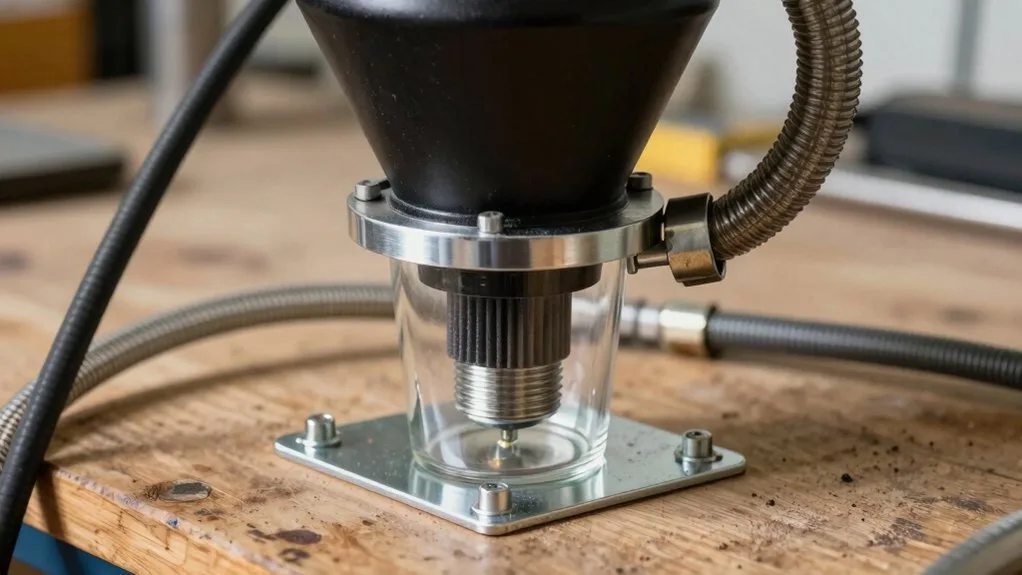
Image source: Web (Bing) / powervalid.com (Web image (fair-use with source credit))
The Planer Problem
There's a limit. A planer or thicknesser can produce shavings faster than a shop vac can digest them. You'll be emptying the drum constantly, and long ribbon shavings can wrap around anything in their path.
In that case, it's not a shop vac problem. It's a volume problem. A dedicated dust collector is the right tool when you're generating buckets of waste.
A shop vac is the cleanup crew, not the production line.
Fine Dust: When a Shop Vac Needs HEPA (or Something Bigger)
The answer changes dramatically when the dust gets fine. Sanding dust, drywall dust, and hardwood dust don't settle the way wood chips do. They hang in the air, and they find their way through cheap filters.
A standard shop vac filter catches the big particles. Fine dust, the stuff you can't see, blows straight through it and back into your breathing zone. That's not just unpleasant.
It's a genuine health concern, especially with drywall and treated wood.
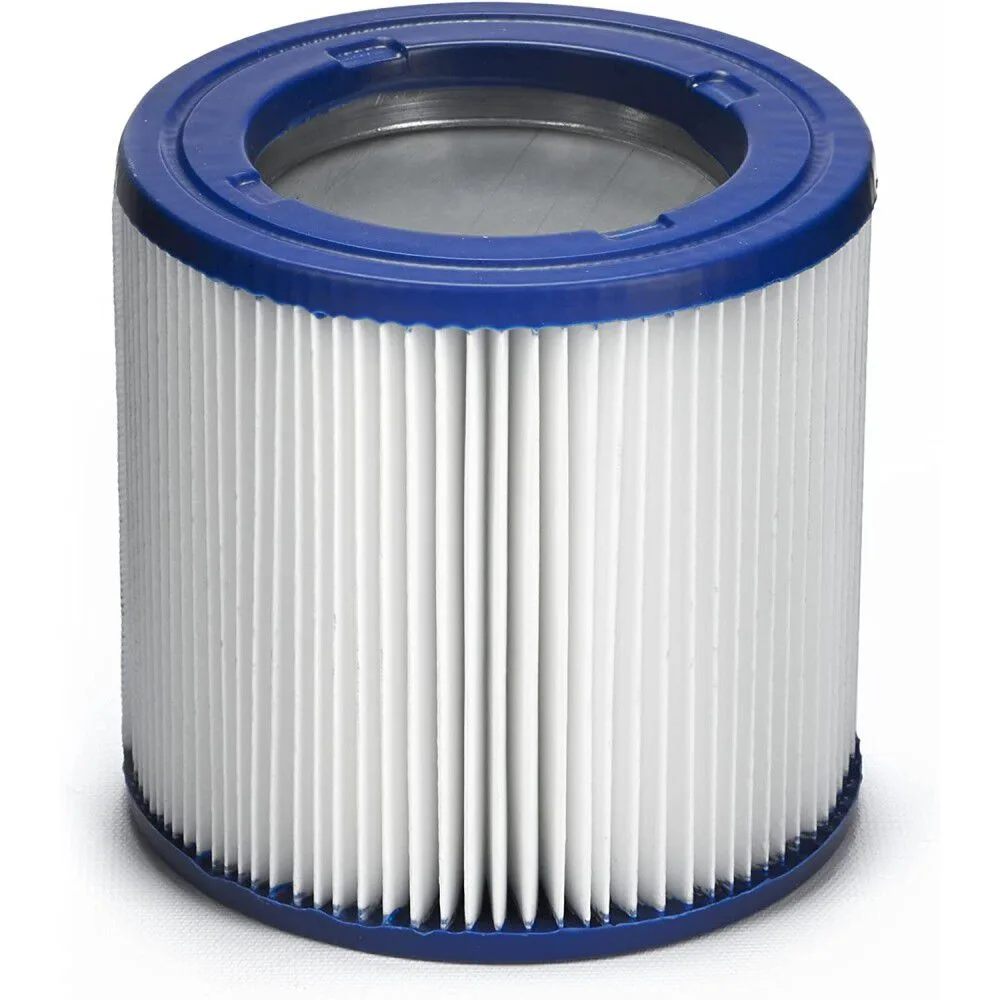
Image source: Bing (Web (fair-use with source credit))
What HEPA Actually Means
HEPA stands for high-efficiency particulate air. Per U.S. Department of Energy standards, a true HEPA filter captures at least 99.97 percent of particles at 0.3 microns.
That's far smaller than what the human eye can see.
Many shop vacs claim HEPA filtration but don't mention the seals. A HEPA filter is only useful if the rest of the vac is sealed too. Manufacturer specs should confirm that the hose, intake, and gaskets are airtight.
Otherwise, dirty air bypasses the filter entirely.
M-Class and H-Class Ratings
European vacuum classifications are becoming common on professional-grade machines. M-class vacuums are safe for most workshop dust and keep exposure below 0.1 mg/m³. H-class vacuums handle more toxic materials, including lead paint dust and asbestos.
| Dust type | Minimum filter recommendation | Why |
|---|---|---|
| General sawdust | Standard cartridge filter | Small amounts are low-risk |
| Wood sanding dust | HEPA | Very fine particles irritate lungs |
| Drywall dust | HEPA or M-class | Silica exposure risk |
| Lead paint dust | H-class or professional vac | EPA lead-safe rules apply |
Bagged Is Better for Fine Dust
If you're doing regular fine-dust work, choose a bagged shop vac or fit a fine-dust bag inside the drum. Bags trap more dust and make disposal safer. Bagless models are convenient for big chips, but emptying them releases a cloud of fine dust.
Keeping the filter clean is just as important as the filter itself. A clogged HEPA filter stops filtering effectively and destroys airflow. It's the same routine as cleaning the filter in any vacuum in your arsenal.
Wet Messes: Coolant, Spills, and Rinsing Out the Drum
Yes, a shop vac can handle wet messes, but only with the right setup. Never leave the paper filter in place for wet pickup. The paper turns to mush, clogs the motor, and ruins the machine.
Most wet/dry vacs come with a foam sleeve filter for exactly this job. Some also have a float valve that cuts suction when the tank is full, protecting the motor from water intake. Check that both are present before you start.
How to Do Wet Pickup
- Turn off the vacuum and unplug it.
- Remove the dry filter and fit the foam sleeve.
- Check that the float moves freely.
- Vacuum up the liquid, working slowly in wide passes.
- Stop when the tank feels heavy or suction drops.
- Empty the tank outdoors or into a drain.
- Rinse the drum and leave the lid open to dry.
The Safety Part
Water and electricity don't mix. Plug your shop vac into a GFCI-protected outlet when cleaning up wet messes. Never use a shop vac in standing water unless the manufacturer explicitly says it's safe for that.
And never vacuum flammable liquids like gasoline or solvents. A shop vac motor can ignite fumes.
Coolant and Oil Spills
If you're cleaning up coolant from a CNC machine or a small oil spill, proceed with care. Oil doesn't evaporate like water, and it can degrade rubber hoses and foam filters. Vacuum up as much as you can, then wipe down surfaces.
Some people dedicate a specific vac to oily jobs.
Suction loss in the middle of a wet job usually means the tank is full or the float has engaged. Empty the tank and try again. If the problem continues, check the hose for clogs or leaks.
Metal Shavings: The Hidden Risks Most People Skip
Metal shavings change the game entirely. They're sharp, they're heavy, and they can be genuinely dangerous in a standard shop vac. Most people don't realize that until something goes wrong.
The Fire Risk
Fine aluminum, magnesium, and titanium dust can ignite when they contact a spark. A shop vac motor, hose fittings, or even static discharge can create that spark. Per OSHA guidance, vacuuming combustible metals requires specialized equipment.
Standard consumer shop vacs are not built for this.
The Cutting and Static Risk
Sharp shavings can slice through flexible hoses and damage filters over time. They also settle into the filter pleats and destroy airflow quickly. Dry metal dust creates static electricity too.
That static shocks you at the handle and can melt or burn the hose internally.
An anti-static hose drains the charge before it builds up. Manufacturer specs confirm it's a small upgrade that makes a real difference in metal shops.
Match the Machine to the Mess: A Practical Decision Guide
Here's the simple decision framework that brings everything together. Ask these three questions, and the right setup becomes obvious.
Question 1: What is the mess, exactly?
- Sawdust and chips → standard dry filter, wide hose, cyclone recommended.
- Fine sanding dust → HEPA filter, preferably bagged.
- Drywall dust → HEPA or M-class, sealed seams.
- Water or coolant → foam sleeve, dry filter removed.
- Metal shavings → anti-static hose, dedicated metal-duty vac.
Question 2: How much of it are you cleaning?
A small pile takes any machine. An entire workshop floor after a weekend project needs tank capacity and strong airflow. Full buckets of planer shavings should go to a dust collector.
Question 3: What are you protecting?
If it's just the floor, anything works. If it's your lungs, you need HEPA. If it's the vacuum's motor, you need the right filter and a cyclone.
| Scenario | Suggested setup | Why |
|---|---|---|
| Weekend woodworking | 5–10 gallon vac, standard filter, cyclone | Handles mixed debris without clogging |
| Daily sanding work | HEPA vac, bagged, M-class | Protects lungs from fine dust |
| Metal fabrication | Anti-static hose, metal tank, dedicated unit | Reduces fire and static risk |
| Drywall finishing | HEPA or M-class, sealed seams | Silica exposure is a real health threat |
| Auto repair shop | Large drum, foam sleeve for coolant | Wet and dry messes in one shift |
The Two Upgrades That Transform a Shop Vac: Cyclone and HEPA
Two upgrades change a mediocre shop vac into a workshop workhorse. Both are worth the money, and neither is complicated to install.
Cyclone Separator
A cyclone separator spins debris into a bucket before it reaches the vacuum's tank. That keeps the main filter almost completely clean, so suction stays strong from start to finish. In our research, cyclone-equipped setups maintain airflow up to two or three times longer than bare shop vacs on the same mess.
It also makes emptying easier. Instead of digging through a gritty drum, you lift out a bucket, dump it, and keep working.
HEPA Filtration
HEPA is the difference between moving dust and actually trapping it. A true HEPA filter, rated at 99.97 percent efficiency for 0.3-micron particles, keeps the finest sanding and drywall dust inside the machine. That protects your lungs and keeps your workshop air visibly cleaner.
One warning from manufacturer documentation: HEPA only works when the whole system is sealed. Check the hose connection, the filter gasket, and the lid seal. If any of those leak, you're breathing dust even with a HEPA-rated filter installed.
Hoses, Nozzles, and Attachments: The Right Tools Matter
A shop vac is only as good as its hose and attachments. The wrong hose clogs constantly. The wrong nozzle takes three times as long.
Neither is a machine problem, but both feel like one.
Hose Size and Material
A wider hose moves more air and handles larger debris. A 2.5-inch hose works far better than the standard 1.25-inch for chips and shavings. Anti-static versions resist clogging from dry dust and prevent shocks.
If you're buying one upgrade, make it a wider anti-static hose.
The Nozzle Lineup You Actually Need
| Attachment | Best for |
|---|---|
| Floor nozzle | Large open areas, sawdust, wood chips |
| Crevice tool | Corners, tight gaps, machine edges |
| Brush attachment | Workbench surfaces, dust on tools |
| Utility nozzle | Wet pickup, larger spills |
| Tool adapter | Connecting sanders or saws directly |
A Note on Tool Activation
Many shop vacs include a power outlet that turns the vacuum on automatically when you switch on a tool. That's fantastic for sanders and table saws. The vacuum runs exactly when you need it, and it stops when you're done.
Install a remote switch if your vac lacks this feature.
Mistakes That Killed the Suction (and How to Avoid Them)
Suction loss is the number one complaint among shop vac owners. It's rarely a manufacturing defect. It's almost always one of these five mistakes.
1. Never Emptying the Tank
The tank looks big, but it fills faster than you expect. Suction drops sharply once the drum is past two-thirds full. Empty it before it hits that point, and the machine keeps performing.
2. Letting the Filter Clog
A caked filter blocks airflow completely. Tap it out, brush it off, or rinse it per manufacturer instructions. A clogged filter is the most common cause of weak performance across all vacuum types.
3. Using the Wrong Filter for the Job
Paper filters fail on wet pickup. Foam sleeves fail on fine dry dust. Swap filters when the job changes, and keep spares on hand.
4. Ignoring Hose Blockages
A jammed hose kills suction instantly. Check the hose before blaming the motor. It's the same logic as a pool vacuum hose that collapses while cleaning.
Clear the blockage, and suction comes right back.
5. Buying on Peak Horsepower Alone
Peak HP is marketing, not performance. Airflow in CFM and water lift matter more. A vacuum with lower peak HP but higher CFM will outwork a flashier spec sheet every time.
Safety First: Silica, Combustible Dust, and Static Charge
Drywall and concrete dust contain silica, which OSHA regulates. Use HEPA or M-class filtration for any sanding cleanup. Never vacuum combustible metals like aluminum or magnesium.
An anti-static hose reduces shock risk in dry climates.
For lead paint dust, follow EPA lead-safe practices. Standard shop vacs are not certified for that level of hazard. Use H-class equipment or hire a professional.
Maintenance Workflow: Keeping Your Shop Vac Ready
Empty the drum at two-thirds full. Clean or tap out the filter after heavy use. Check the hose for cracks and clogs.
Store the foam sleeve and dry filter separately so they're ready when you need them.
Routine upkeep prevents most performance problems. It's the same principle as maintaining a robotic pool vacuum to extend its life. A few minutes of care keeps your shop vac running for years.
Data & Specs That Matter When You're Picking a Shop Vac
Target 100 to 200 CFM of airflow. Look for at least 60 inches of water lift. Choose a 5 to 16-gallon tank size depending on your workshop volume.
Confirm the HEPA system is sealed, not just the filter itself.
Noise matters too. Most shop vacs run at 70 to 85 dB, so hearing protection is a smart habit. A longer power cord or auto-rewind feature also makes a real difference in daily use.
What Can't a Shop Vac Do? When to Move Up to a Dust Collector
Shop vacs choke on continuous planer or table saw output. A dust collector moves high volume at lower pressure. If you fill drums in an hour, upgrade to a dedicated system.
Dust collectors are stationary. They're built for machines, not cleanup. They're also louder, more expensive, and take up real floor space.
That's why most workshops run both: a dust collector on the tools, a shop vac for everything else.
Final Decision Guide: Run This Quick Checklist Before You Buy or Use
- Identify the debris type.
- Confirm the correct filter is installed.
- Check the hose size and condition.
- Set up for wet or dry pickup.
- Test the suction before you start.
If the checklist passes, your shop vac will handle the job. If any step fails, fix that first. The right setup turns a shop vac into the most useful tool in your workshop.
Frequently Asked Questions
Can a shop vacuum pick up sawdust?
Yes. Sawdust is the easiest job for a shop vac. Use a standard filter, a wide hose, and empty the drum before it hits two-thirds full.
A cyclone separator helps keep suction strong.
Do I need a HEPA filter on a shop vac?
Only if you vacuum fine dust. Sanding dust, drywall dust, and hardwood dust are respiratory hazards. A true HEPA filter captures 99.97 percent of particles at 0.3 microns.
Make sure the whole system is sealed, not just the filter.
Can a shop vacuum pick up water?
Yes, with the right setup. Remove the dry paper filter and install a foam sleeve. Check that the float valve moves freely.
Empty the tank promptly after use and leave the lid open to dry.
Is a shop vacuum better than a dust collector?
No, they solve different problems. A shop vac is portable and great for cleanup. A dust collector handles high-volume debris from tools like planers and table saws.
Most workshops benefit from both.
Why does my shop vacuum lose suction?
The usual causes are a full tank, a clogged filter, or a blocked hose. Empty the drum at two-thirds full, clean the filter, and check the hose. If suction still drops, inspect the gaskets and lid seal.
Can a shop vacuum pick up drywall dust?
Yes, but only with HEPA or M-class filtration. Drywall dust contains silica, which is a serious respiratory hazard. A standard filter will blow fine dust back into the air.
Bagged operation also makes disposal safer.

