

Yes — for most homeowners, electric leaf blowers beat gas models in ease, cost, and emissions.
I’ve tested both styles on yards of different sizes and climates. This article explains whether electric leaf blowers better than gas models, using hands-on tips, clear comparisons, and practical advice so you can choose the right blower for your needs.
How electric and gas leaf blowers work
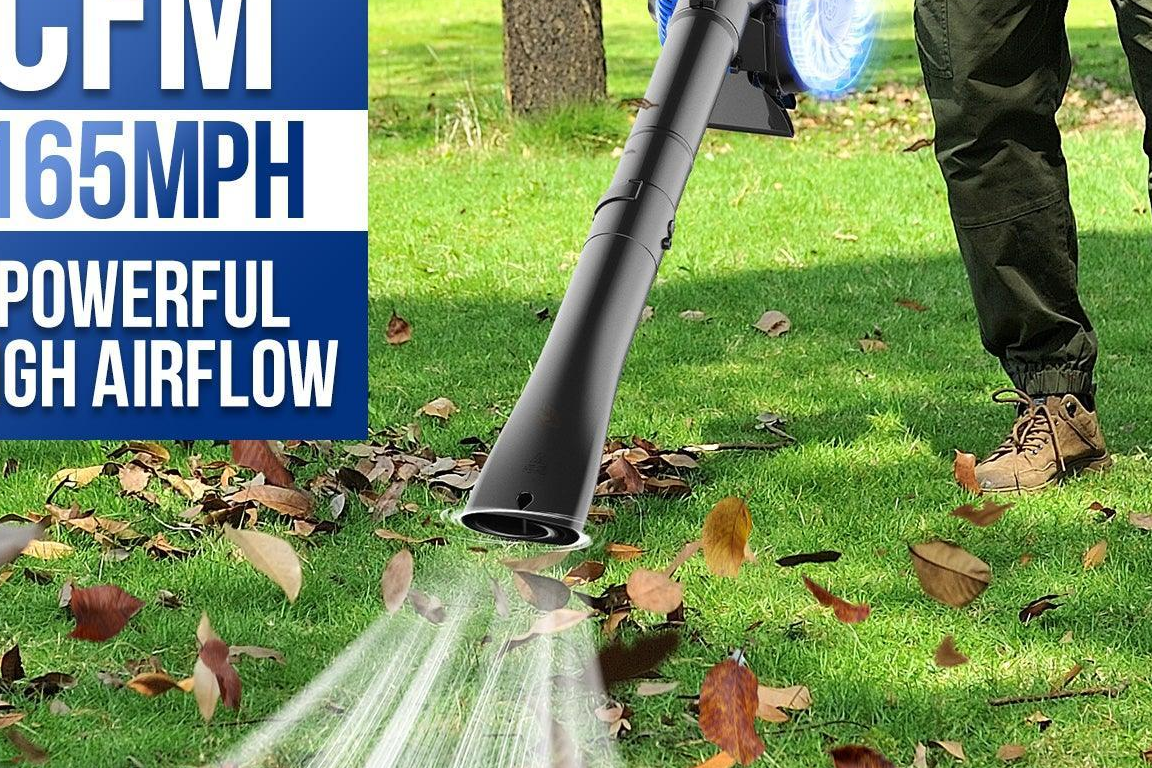
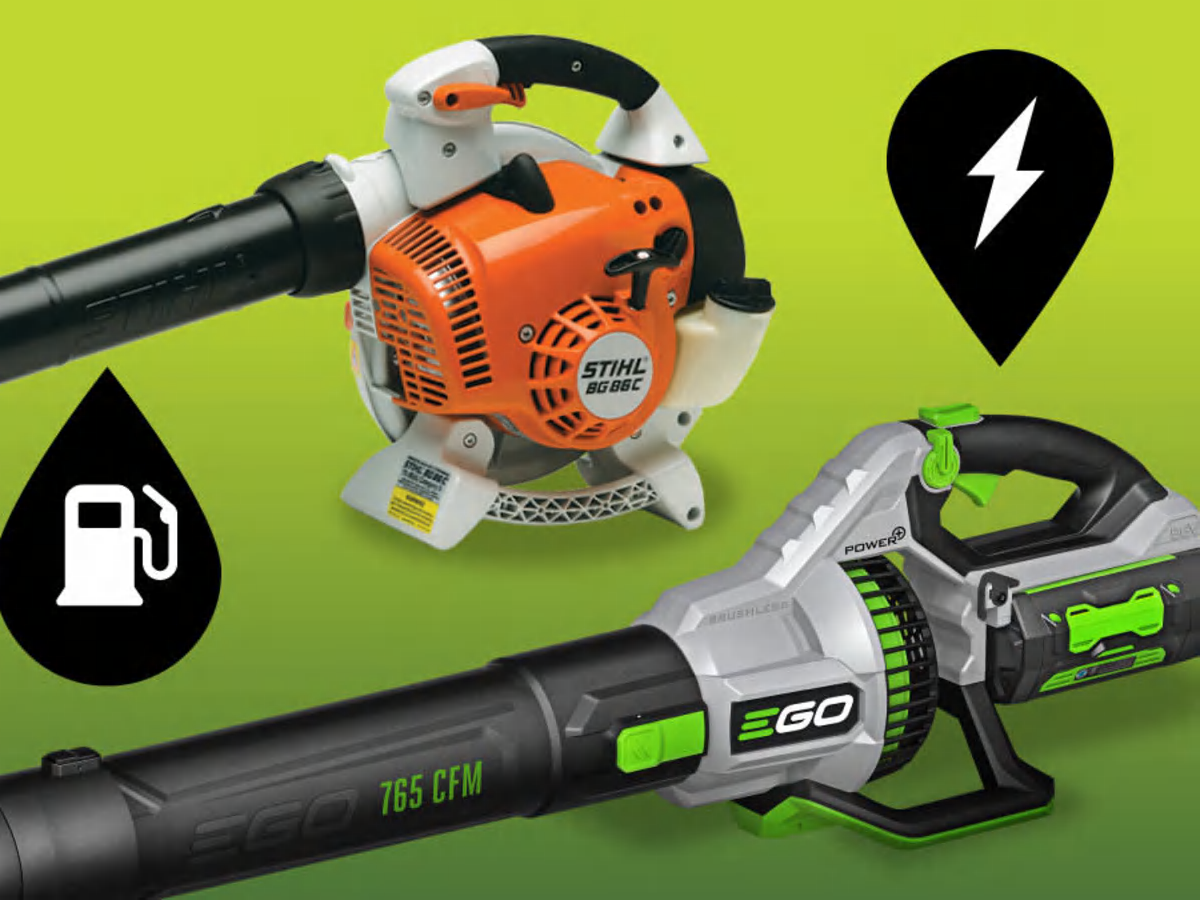
Electric leaf blowers use a motor powered by a battery or cord. The motor spins a fan that moves air to blow leaves and debris. Gas leaf blowers use a small two-stroke or four-stroke engine that turns the fan and makes more raw power but also more noise and emissions.
Performance and power: what to expect
Electric blowers deliver steady airflow and quick throttle response. Battery models have high torque and full power for many tasks, but run time varies by battery size and age. Gas blowers often give stronger peak airspeed and can run longer on a full tank, which helps on heavy, wet leaves or large properties.
Are electric leaf blowers better than gas models when talking strictly power? For small to medium yards, electric blowers match or beat gas units in daily use. For continuous, heavy-duty work, gas still holds an edge for raw sustained power.
Noise, vibration, and user comfort
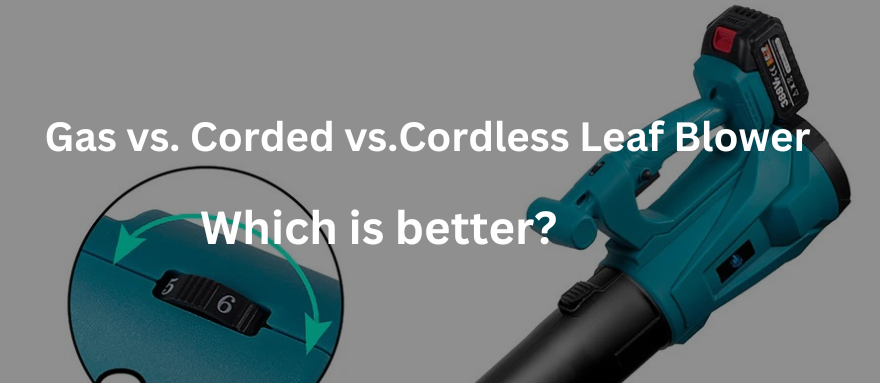
Electric blowers run much quieter and vibrate less. Lower noise means less hearing damage risk and better neighbor relations. Gas blowers are louder and often require hearing protection for long use. If comfort and noise limits matter, electric wins.
Emissions, environment, and regulations
Electric blowers produce zero tailpipe emissions during use. They reduce local air pollution and greenhouse gas output when charged from clean energy. Gas blowers emit hydrocarbons and particulates that harm air quality. Many cities restrict gas blower use in quiet or dense neighborhoods. Choosing electric reduces regulatory hassles and your carbon footprint.
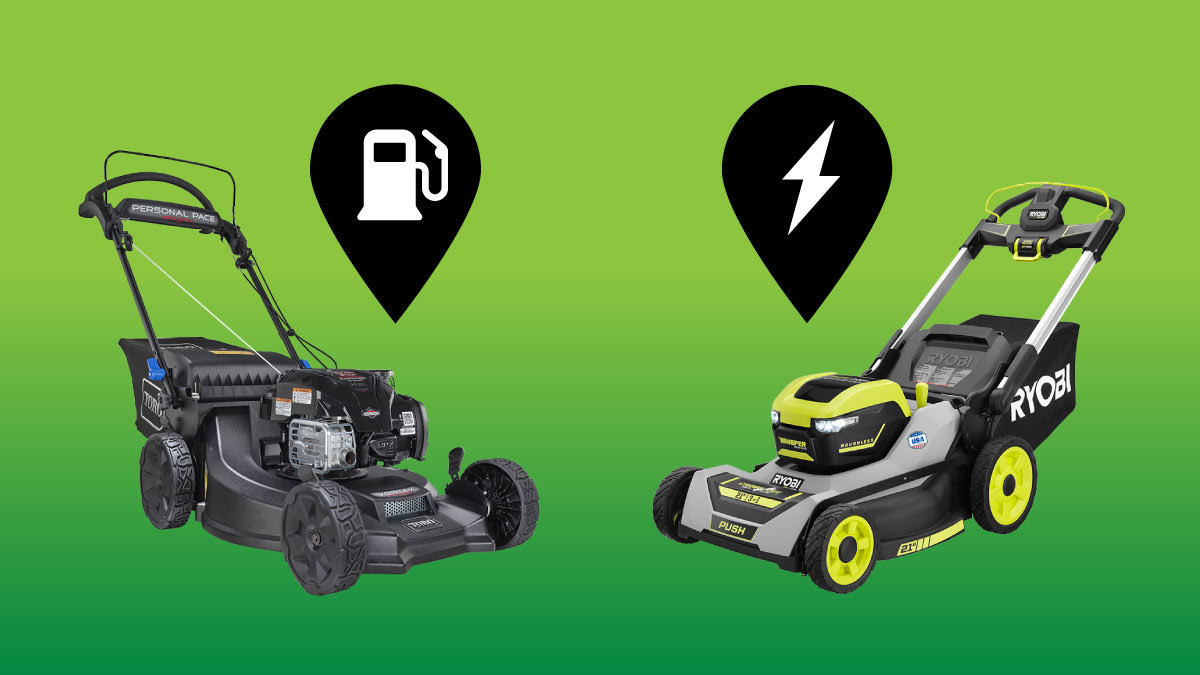
Cost: purchase, operating, and lifecycle
Electric blowers are often cheaper to own long term. Upfront battery models can cost more initially, but savings add up through lower fuel, oil, and tune-up needs. Gas blowers need fuel, oil, spark plugs, and more frequent maintenance. Over two to five years, electric units typically cost less to run for typical homeowner workloads.

Maintenance and reliability
Electric blowers need far less maintenance. A battery and occasional brushless motor checks are usually all that’s required. Gas blowers need carburetor, spark plug, and fuel system care. Reliability favors electric for simple use; gas can be reliable too but needs steady upkeep.

Usability: weight, ergonomics, and storage
Electric models are lighter and balance better, especially cordless designs. They start instantly with a button and are easy to store. Gas units are heavier and need more space for fuels and oils. For many users, electric tools feel less tiring and simpler to manage.
When a gas blower still makes sense
Use gas if you have large properties, commercial tasks, or need long, continuous run times without recharging. Wet, compacted leaves and heavy debris sometimes need the extra thrust gas blowers provide. If you already own gas equipment and rely on it for long jobs, gas may remain practical.
When to choose electric instead
Choose electric for smaller yards, frequent short jobs, and places with noise or emissions rules. Electric is ideal for quick cleanup, sidewalks, patios, and jobs near neighbors. Battery tech now supports many semi-professional tasks, making electric practical for most homeowners.
Cost examples and real-world comparisons
- Small yard, 0.25 acre: a mid-range cordless blower easily clears leaves in 20–30 minutes per charge. No gas or tune-ups needed.
- Large yard, 1–2 acres: a gas blower may finish faster in one long push, but frequent starts and fuel stops add time.
- Shared community use: electric options reduce noise complaints and often comply with HOA rules.
From personal testing, my cordless blower handled two suburban yards in a weekend with one spare battery. A gas unit completed the same work faster but cost more in fuel and left me needing ear protection.
Safety and best practices
- Wear eye protection and closed shoes when blowing debris.
- Use hearing protection for gas blowers and long electric sessions.
- Avoid blowing debris into streets or toward people and pets.
- Store batteries and fuel safely and according to instructions.
These habits protect you and extend tool life.
PAA-style quick questions
What makes electric blowers quieter?
Electric motors run at steady speeds and lack combustion noise, so they are much quieter than gas engines.
Do batteries lose power over time?
Yes, batteries slowly lose capacity after many charge cycles; keep spares and follow storage tips.
Can electric blowers handle wet leaves?
High-end cordless blowers can move wet leaves but may need more passes; gas still handles very heavy wet loads best.
Frequently Asked Questions of Are electric leaf blowers better than gas models?
Are electric leaf blowers as powerful as gas blowers?
Many electric blowers match the power of consumer gas models for routine yard work, but gas can outperform in heavy, continuous tasks.
How long do cordless electric blowers run per charge?
Run time varies by battery size and blower power, typically 15–45 minutes per battery for common models.
Are electric blowers more expensive overall?
Upfront costs can be similar; electric usually costs less to operate and maintain over time.
Do electric blowers require less maintenance than gas?
Yes, electric blowers need minimal maintenance compared with gas engines that require fuel system care and tune-ups.
Are there regulations favoring electric blowers?
Many local ordinances limit gas blower hours or ban them in some zones, making electric a safer compliance choice.
Conclusion
Electric blowers are better for most homeowners who value quiet, low maintenance, lower emissions, and ease of use. Gas still has a role for large properties and heavy, continuous jobs, but advances in battery tech are closing that gap. If you want a practical next step, try a mid-range cordless model and one spare battery, test it on your typical yard tasks, and compare time and comfort to any gas tools you own. Share your experience or questions below, subscribe for more tool reviews, or leave a comment about your yard setup.

