

Are wet/dry vacuums easy to maintain? Yes, but the routine depends on how you use the machine. Most owners think a tool that sucks up sawdust and floodwater must be a headache to clean.
The truth is simpler. These vacuums are designed to be emptied, rinsed, and dried in minutes.
As of 2026, most wet/dry vacuums use a cartridge filter and a float valve that cuts suction during wet pickups. A 16-gallon tank can be rinsed and wiped dry in under five minutes. The main job is keeping the filter clean and the tank dry.
Once you learn those moves, the rest is easy.
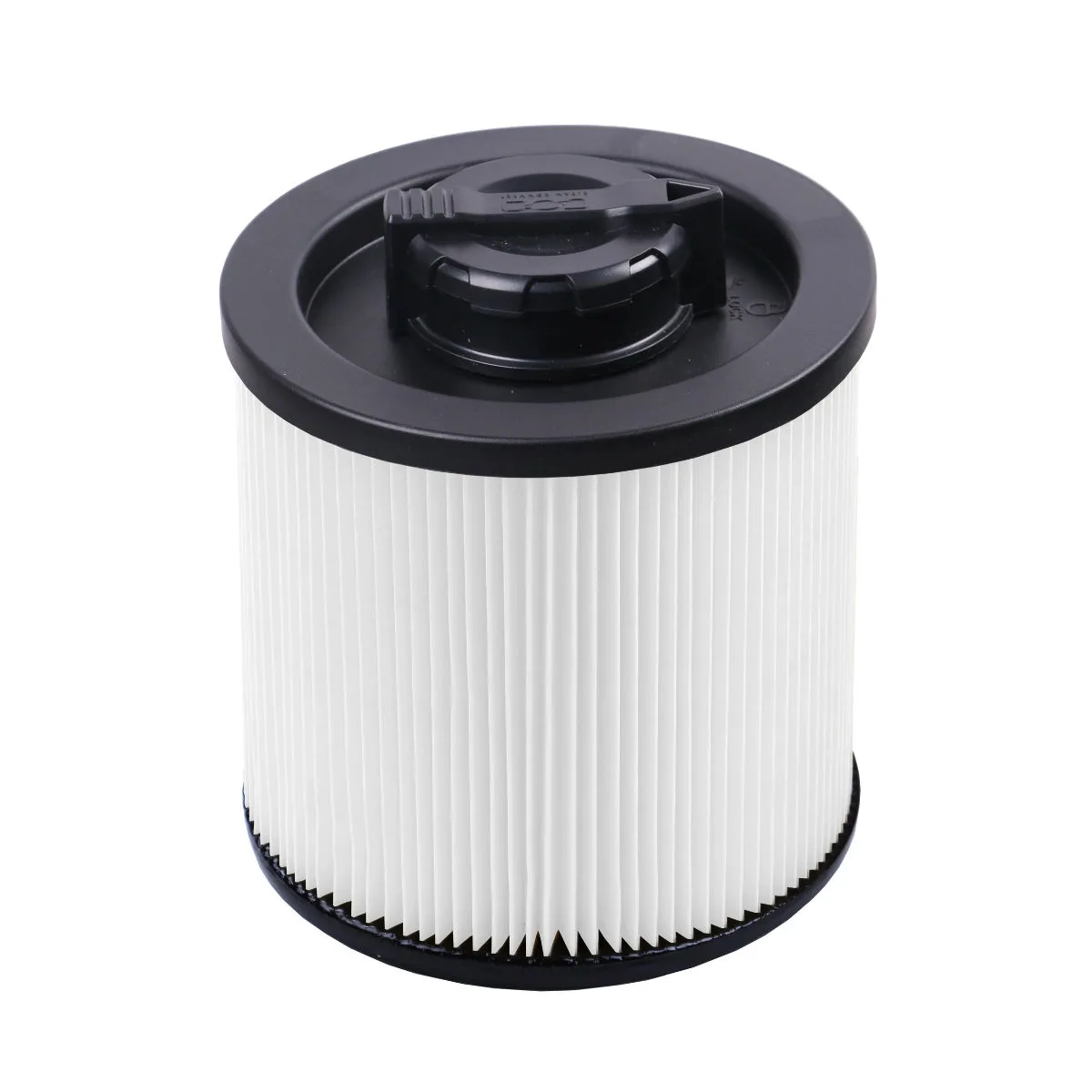
Image source: Web (Bing) / cibpartners.co.za (Web image (fair-use with source credit))
Quick Answer: Yes, If You Work With the Design, Not Against It
Are wet/dry vacuums easy to maintain? Yes, if you learn a few habits. Empty the tank after every use.
Rinse the filter until water runs clear. Dry every part before you store the machine. That's the core routine.
Why Maintenance Feels Harder Than It Should Be
Most people fear wet/dry vacuum maintenance because they picture a caked tank and a dust-covered filter. That's not normal wear. That's neglect.
If you follow a simple routine, the job stays small.
The tool's reputation comes from misuse. Leave a wet foam filter inside a sealed tank and it will sour. Never empty a 16-gallon tank and you'll face a crust you have to scrape.
Those problems are avoidable. Even a robotic pool vacuum needs regular upkeep to keep running right.
Here's the decision tree. If you mostly pick up dry debris, your maintenance is just filter and tank. If you vacuum wet spills, the tank needs a rinse and a full drying cycle.
If you switch between both, use two filter sets or a washable cartridge. The routine adapts to your habits.
How a Wet/Dry Vacuum Works: What You're Actually Maintaining
A wet/dry vacuum is simpler than a standard upright vacuum. The motor sits on top of a sealed tank. Air enters through the hose, drops debris in the tank, then passes through a filter before reaching the motor.
The filter protects the motor from dust and moisture.
For wet pickup, a float valve rises with the water level. When the tank is full, the float blocks airflow and kills suction. That auto shut-off tells you to empty the tank.
Because of this design, the filter, the tank, and the float valve are the main maintenance points.
Most other parts stay clean. The motor, impeller, and switch rarely need care. There are no belts to replace and nothing to oil.
If you've ever dealt with suction loss on a pool cleaner, the same airflow problem applies here. A clogged filter or a blocked hose kills performance.
The Parts That Need Attention (and the Ones You Can Ignore)
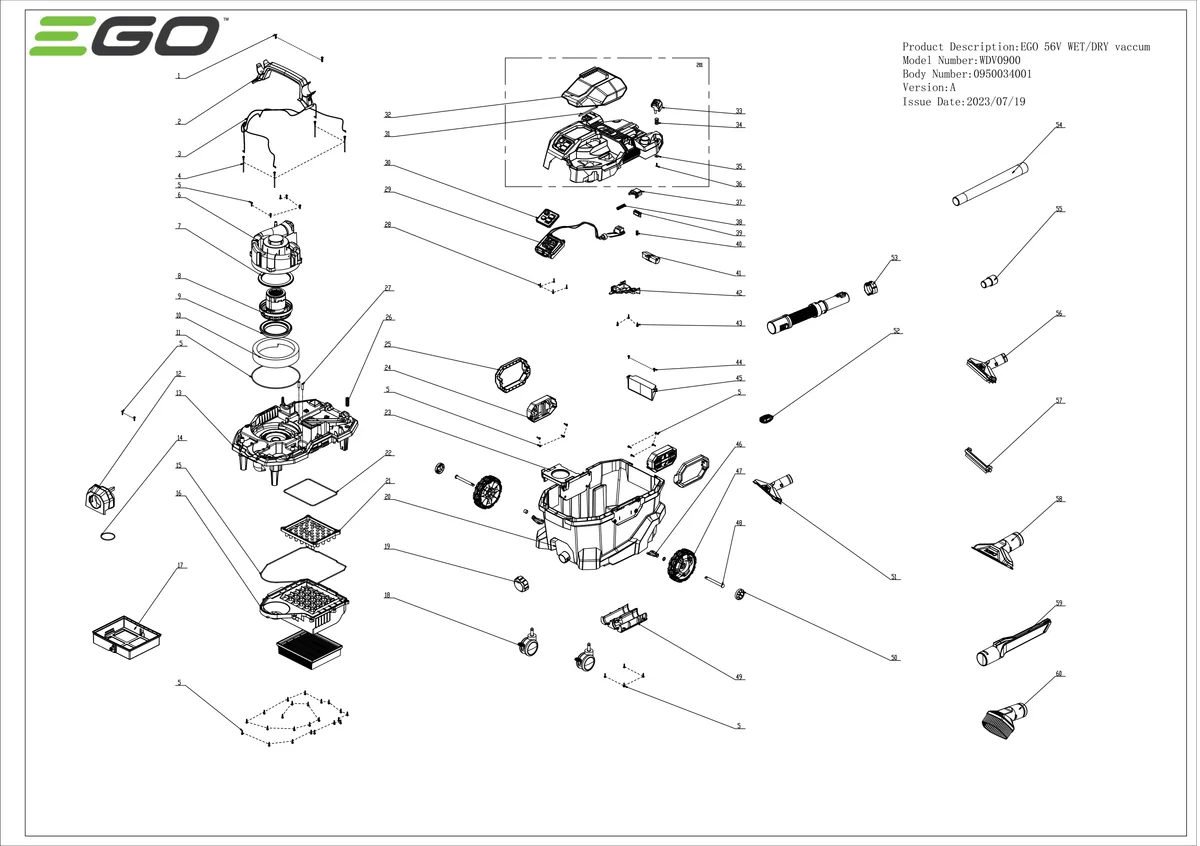
Image source: Web (Bing) / powerplusparts.com (Web image (fair-use with source credit))
Let's break down the real workload. Here's what actually needs attention:
- Filter (cartridge or foam sleeve): This is the main maintenance point. Wash it regularly and let it dry fully before storage.
- Tank: Rinse it after every wet use. Give it a deeper wipe-down when you change the filter.
- Float valve: Check it once a month. Make sure it moves up and down freely.
- Hose and attachments: Clear blockages when suction drops. Rinse them if they pick up sticky material.
- Lid seal and gaskets: Wipe them down. Replace them if they crack or warp.
You can mostly ignore the wheels, the exterior, and the hardware. The motor doesn't need any routine cleaning. If you keep the filter dry and don't overfill the tank, the motor will last a long time.
| Task | After each use | Weekly | Monthly |
|---|---|---|---|
| Empty tank | Yes | – | – |
| Rinse filter | If wet use | – | – |
| Deep wash filter | – | – | Yes |
| Check float valve | – | – | Yes |
| Inspect hose | – | Yes | – |
Manufacturer specifications vary, but this schedule covers most models. For heavy drywall work, wash the filter more often. For light garage dust, you can stretch it.
Step-by-Step: Cleaning Your Wet/Dry Vacuum After Dry Use
Cleaning up after a dry job is straightforward. Here's the full routine:
- Unplug the vacuum. Always disconnect power before touching anything inside.
- Remove the filter. Lift the cartridge or foam sleeve off its cage.
- Tap off loose dust. Take it outside and tap it against a trash can. Don't use compressed air inside the house.
- Rinse the filter with water. Run cool water from the inside out. If it's extremely dirty, soak it in warm soapy water.
- Let the filter dry completely. This can take 24 hours in normal room conditions. Never reassemble a wet filter.
- Wipe the tank. Use a damp cloth or rinse it with a hose. Dry the inside with a towel.
- Inspect the hose. Look through it for clogs. Use a broom handle to push out debris if needed.
- Reassemble and store. Close the lid, secure the latches, and store the vacuum dry.
Aggregate user feedback shows that most people skip step 5, and that leads to odors later. The drying step matters more than people think. A wet filter is a breeding ground for mildew.
If you notice suction isn't what it used to be, the filter might be clogged or the hose could be blocked. That's the same root cause as a collapsed pool vacuum hose. Debris or air leaks ruin performance.
Clean the filter, clear the hose, and check the seal.
Step-by-Step: Cleaning Your Wet/Dry Vacuum After Wet Use
Wet pickup is where most maintenance mistakes happen. The tank holds stale water, the filter stays damp, and odors take over. So the routine here matters more.
Image source: Web (Bing) / homedepot.com (Web image (fair-use with source credit))
- Unplug the vacuum. Same rule as dry cleaning.
- Drain the tank. Most models have a drain port at the bottom. If yours doesn't, tilt the tank over a drain or bucket.
- Rinse the tank with fresh water. Add a little dish soap if the water left a residue. Slosh it around.
- Rinse the foam filter or cartridge. Water doesn't dust the way dirt does, but the filter still holds bacteria. Rinse until the water runs clear.
- Wash the foam sleeve properly. Soak it in warm, soapy water. Squeeze gently, rinse, and squeeze again. Don't wring it hard or the foam tears.
- Dry everything completely. The filter, tank, hose, and lid. Leave the lid unlatched overnight so air circulates.
- Check the float valve. While the tank is empty, push the float up and make sure it drops back freely.
That last step catches a lot of issues. A stuck float won't tell you the tank is full, and water ends up in the motor. That's the most expensive mistake you can make with a wet/dry vacuum.
Never vacuum water without the float in place.
Maintenance by Use Case: Which Routine Fits You?
Your maintenance routine should match how you actually use the vacuum. Different habits create different problems.
Weekend Garage Users
If you use the vacuum for sawdust, car interiors, and the occasional spill, your main job is keeping the filter clean. Empty the tank after each use. Tap out the filter.
Rinse it monthly. That's about five minutes per session.
Car Detailing Enthusiasts
Detailing means the vacuum sees both wet shampoo and dry crumbs, often in the same session. Soft car upholstery sheds lint into the filter, so your filter selection matters. A foam sleeve sits inside a sealed tank, and a damp filter turns sour within days.
If you're serious about your car's interior, the same discipline applies to keeping the vacuum clean between details.
Contractors and Job-Site Users
Heavy dust is the enemy. Drywall and concrete dust clog cartridge filters fast. If you spend your day around fine dust, a HEPA-rated dust extractor is the right choice.
A standard wet/dry vacuum will need constant filter cleaning and can release dust back into the air. OSHA has strict rules about silica dust on construction sites. Check the OSHA silica standards before doing that kind of work.
Flood and Emergency Cleanup
For water emergencies, the priority is quick draining and thorough drying. The tank will hold silt and grit from floor water, so flush the tank with a hose after an emergency. Clean the float valve so debris doesn't jam it.
And dry the foam filter before the next use, or the next use will smell like the flood you cleaned up.
Common Mistakes That Turn Easy Maintenance Into a Chore
Most wet/dry vacuums don't break. They get neglected. These are the most common mistakes:
- Storing a wet filter. This causes mold, mildew, and a sour smell that spreads through the whole machine.
- Not emptying the tank after a big job. Wet debris sitting for days creates a film you have to scrub off later.
- Vacuuming dry dust with the same filter used for wet jobs. The dust clumps into mud and plugs the foam.
- Overfilling the tank. When the float stops suction, some people keep holding the hose in place. That can force water into the motor.
- Ignoring the manual. The manual tells you which filter to use for each job. Read that page.
One more thing: the type of debris matters. Drywall dust is very fine, so it passes through a standard cartridge and coats the filter. Wet debris tends to slosh over the float.
If you alternate between dry and wet jobs, clean the filter in between. That's a lot like the rule for keeping a pool vacuum working well. A clogged pickup point starves the whole machine of airflow.
Replacement Parts and Costs: What to Expect Over Time
Maintenance doesn't stop with cleaning. Some parts wear out and need replacing. Here's what typical parts cost as of 2026:
| Part | Typical cost | Replacement frequency |
|---|---|---|
| Cartridge filter | $15–$40 | Every 3–6 months with regular use |
| Foam filter sleeve | $10–$20 | Every 3–6 months |
| Disposable debris bags | $10–$25 per pack | Per bag as needed |
| Lid gasket | $10–$20 | When cracked or leaky |
| Hose | $20–$50 | When cracked or punctured |
| Float valve | $5–$15 | When sticking or broken |
A cartridge filter lasts longest if you clean it regularly. Once it starts tearing or flaking, replace it. Foam sleeves stretch out over time.
If they no longer fit snugly, replace them.
Disposable bags are worth it if you pick up very fine dust. They make tank cleanup nearly zero-mess. The costs are low enough that maintenance rarely feels wasteful.
Pros and Cons: The Honest Trade-Offs
| Pros | Cons |
|---|---|
| Simple, open tank design for easy rinsing | Filters need regular cleaning and drying |
| Bagless option saves money over time | Must swap filters between wet and dry jobs |
| Reusable parts reduce waste | Fine dust can clog the filter fast |
| Durable, simple construction | Heavy tanks are awkward to drain |
| Few moving parts to break | Loud noise makes maintenance a chore |
The pros outweigh the cons for most people who keep a shop vac in the garage. But know this going in: the filter is the price you pay for the flexibility. If you never clean it, the machine turns into a dust thrower.
With a filter swap and a rinse, it's back to new. That's the same trade-off you get with any tool that handles multiple jobs, including a robotic pool vacuum worth its money.
Long-Term Care: Keeping the Vacuum Fresh Between Uses
Use these routines monthly and you're ahead of 90% of owners.
- Deep soak the filter in warm water with a drop of dish soap, then dry it fully.
- Wipe the lid seal with a damp cloth so dust doesn't degrade the seal.
- Check the wheels for tangled hair or string, then cut them off.
- Run the vacuum with the hose pointed at a trash can to unblock the hose.
- If the tank has a sour spot, spray it with a vinegar solution, then let it dry in the sun.
Most models have a blower port, which reverses airflow and blows out clogged filters. Use that occasionally. And no matter which model you own, never store it with the filter inside if the filter is damp.
Pull it out and let both parts dry. That's the difference between "easy to maintain" and "why does my vacuum smell like a swamp."
Safety Warnings: What Not to Vacuum or Do
Some things should never go in a wet/dry vacuum:
- Flammable liquids like gasoline, paint thinner, or alcohol. The motor can ignite the vapors.
- Hot ashes or live embers. You'll melt the filter or start a fire.
- Toxic or hazardous dust like asbestos or lead paint. A standard vacuum will spray it back into the air.
- Explosive dusts like flour or fine metal shavings. Static electricity can ignite them.
Also, use a GFCI-protected outlet when vacuuming water. That's a simple safety step that can prevent electrical shock. The U.S.
Consumer Product Safety Commission recommends GFCI protection in wet areas. Always read the warning labels on your vacuum before starting a new kind of job.
FAQs: Quick, No-Nonsense Answers
Do I need to clean the filter every time I use the vacuum?
No. For dry use, tap off the dust and check it visually. Deep clean it monthly.
For wet use, always rinse the filter and let it dry, because moisture breeds mildew.
How long does it take for a filter to dry?
A cartridge filter takes about 24 hours at normal room temperature. A foam sleeve dries in 12 to 24 hours if you squeeze it well. Propping it up helps airflow.
Can I vacuum up water with a regular shop vac?
Yes, if it's a wet/dry vacuum and you have the right filter installed. Use a foam sleeve or a dedicated wet filter. A dry cartridge filter will soak through and let moisture reach the motor.
Why does my wet/dry vacuum smell bad?
Usually a damp filter or a tank that was stored with water. Dump the tank, rinse it, soak the filter in soapy water, and dry both completely. If the smell stays, replace the filter.
Can I leave the filter in the vacuum between uses?
You can, but only if it's completely dry. If you left it after a wet job, take it out and let everything air. Storing a damp filter is the fastest way to ruin it.
How often should I replace the tank gasket?
Only when it leaks. Most gaskets last for years. If you see dust escaping around the lid or water seeping through the latches, check the gasket.
They're cheap to replace.
Bottom Line: Is a Wet/Dry Vacuum Easy Enough for You?
If you do the basics, yes. Empty the tank. Rinse the filter.
Dry the parts. Check the float. That's the entire maintenance routine, and it takes about ten minutes per session.
The real answer depends on your habits. If you don't want to think about filters, a bagged model with disposable bags makes upkeep nearly zero-touch. If you're budget-conscious, a bagless shop vac will cost you more in filter replacements.
If you want the least effort, get a small 2.5-gallon vacuum that's easy to handle. Weigh your actual use case before you buy.
As of 2026, wet/dry vacuums are one of the simplest machines in the home. The maintenance is honestly easier than most people expect. You just have to treat it like the simple tool it is.

