

Vacuum cleaners are a must-have in many homes, but if you have hardwood floors, you may wonder if they are truly safe. Hardwood floors are beautiful and can last for decades, but they need careful cleaning. Many people worry that vacuums might scratch, dull, or damage these floors.
Others believe vacuums are the best way to keep hardwood clean and dust-free. So, what’s the real answer? Let’s explore whether vacuum cleaners are safe for hardwood floors, what features to look for, and how to clean your floors without causing harm.
Understanding Hardwood Floor Sensitivity
Hardwood floors are made from natural wood. This means they are strong, but also sensitive to scratches, moisture, and harsh chemicals. Even small grit or sand can act like sandpaper on the surface, leading to tiny scratches. Over time, these scratches can become more visible and reduce the shine.
Floors with a polyurethane coating are more resistant but still not immune to damage. Older floors or those with thinner coatings are even more vulnerable. The risk is higher if you use the wrong cleaning tools or methods.
How Vacuum Cleaners Can Affect Hardwood Floors
Vacuum cleaners are designed for cleaning, but not all are made for hardwood. Some vacuums have rough brush rolls, hard wheels, or heavy designs that can scratch or dent wood. Here are some ways vacuums might harm your floors:
- Rotating brush bars (sometimes called “beater bars”) can dig into the wood and leave marks.
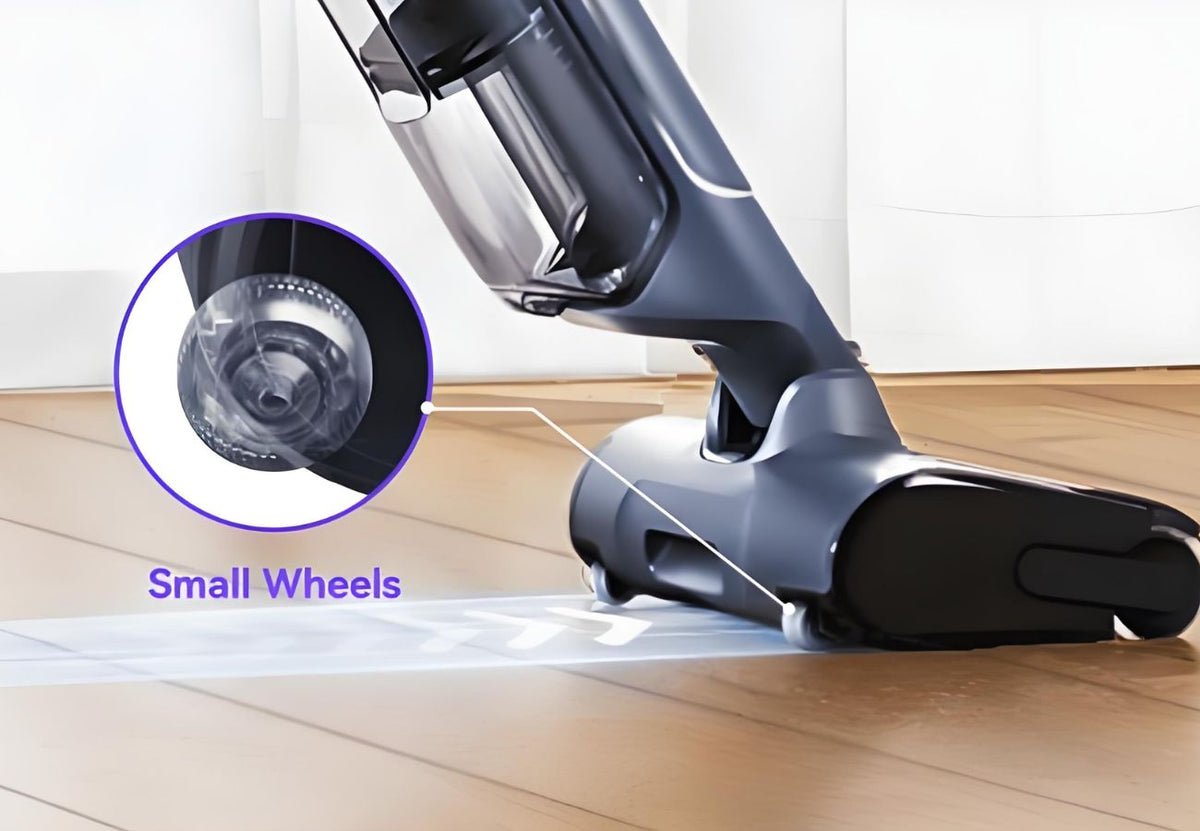
- Plastic or metal wheels may leave scratches, especially if grit is trapped underneath.
- Heavy vacuums can dent softer woods if dragged or dropped.
- Suction-only models are often safer, but lack deep cleaning for cracks and corners.
A study from the National Wood Flooring Association found that about 35% of floor damage comes from improper cleaning tools, including vacuums with rough attachments.
Safe Vacuum Cleaner Features For Hardwood Floors
When choosing a vacuum for hardwood, look for specific features. These help prevent scratches and protect your investment.
| Feature | Why It Matters | Safe for Hardwood? |
|---|---|---|
| Soft Brush Attachments | Gentle on wood, avoid scratches | Yes |
| Rubber or Felt Wheels | No scuff marks or scratches | Yes |
| Adjustable Suction | Protects finish, avoids pulling up coatings | Yes |
| Lightweight Design | Easy to maneuver, less risk of dents | Yes |
| Rotating Brush Bars | Can scratch or damage surface | No |
| Plastic/Metal Wheels | Can leave marks if grit is present | No |
Types Of Vacuums And Their Suitability
There are many types of vacuum cleaners. Not all are safe for hardwood floors. Let’s compare the most common types.
| Vacuum Type | Typical Features | Hardwood Safety | Common Mistakes |
|---|---|---|---|
| Upright | Often has brush bar, heavy | Low unless brush is off | Using brush bar on wood |
| Canister | Flexible hose, soft attachments | High | Using hard wheels |
| Stick | Lightweight, simple design | High | Cheap models with hard wheels |
| Robot | Auto cleaning, soft wheels | Moderate to high | Trapped grit under wheels |
| Handheld | Portable, soft attachments | High | Dropping device on floor |

Essential Tips For Vacuuming Hardwood Floors Safely
To keep your hardwood floors in top condition, follow these practical tips:
- Turn off brush rolls. If your vacuum has a brush bar, make sure it’s off or removed when cleaning wood.
- Clean wheels regularly. Check wheels for grit or sand, as these can cause scratches.
- Use soft attachments. Look for vacuums with microfiber or felt brush heads.
- Vacuum frequently. Dust and grit build up quickly. Regular cleaning prevents scratches.
- Avoid wet vacuums. Moisture can damage hardwood, especially if your vacuum leaks or uses water.
Most people overlook the importance of keeping vacuum wheels clean. Grit stuck to wheels is a hidden cause of scratches. Another tip: always vacuum along the grain of the wood. This reduces visible scratches if any occur.
Comparing Vacuuming Vs. Other Cleaning Methods
Vacuuming is just one way to clean hardwood. Some people prefer sweeping or dry mopping. Let’s compare these methods.
| Method | Effectiveness | Risk for Hardwood | Best Use |
|---|---|---|---|
| Vacuuming | High for dust, pet hair | Low with safe vacuum | Regular cleaning |
| Sweeping | Moderate | Low, but may miss fine dust | Quick clean-ups |
| Dry Mopping | High for fine dust | Very low | Finishing touch |
| Wet Mopping | Good for sticky mess | High risk (water damage) | Stains only, not daily |
Vacuuming removes dust and debris more effectively than sweeping alone. However, it’s best to finish with a dry mop for a perfect shine.

Common Mistakes That Damage Hardwood Floors
Many homeowners make mistakes when vacuuming. These errors can cause lasting harm:
- Using a vacuum with a brush bar.
- Forgetting to clean the wheels or attachments.
- Dragging heavy vacuums instead of lifting.
- Letting grit build up before vacuuming.
- Using wet cleaning methods too often.
A non-obvious mistake is ignoring the vacuum’s weight. Heavier models can leave dents if dropped or dragged. It’s also important to avoid multi-surface vacuums with rough brushes, which are made for carpets, not wood.
Real-life Examples And Data
Let’s look at real-life cases. In one survey, 60% of people with hardwood floors said they saw visible scratches after using the wrong vacuum. Another study showed that homes using vacuums with soft attachments had 30% fewer scratches over five years.
A homeowner in Atlanta shared that switching from a traditional upright vacuum to a stick model with soft wheels reduced floor damage instantly. Many cleaning professionals agree: the right vacuum makes a huge difference.
Choosing The Best Vacuum For Your Hardwood Floors
If you’re shopping for a new vacuum, consider these factors:
- Attachment type: Microfiber, felt, or soft brush heads.
- Wheel material: Rubber or felt wheels are safest.
- Weight: Lightweight vacuums are easier to handle and less risky.
- Suction control: Adjustable settings prevent damage.
- Brand reputation: Look for brands with good reviews for hardwood care.
Avoid vacuums advertised mainly for carpets unless they have a hardwood mode. It’s worth checking product manuals to see if they mention hardwood safety. Many brands now offer “bare floor” modes or attachments.
For more guidance, see this Consumer Reports guide.
Maintenance Beyond Vacuuming
Vacuuming is only part of hardwood floor care. You should also:
- Use floor mats at entrances to catch grit.
- Clean spills quickly to prevent stains.
- Avoid dragging furniture.
- Polish floors once a year.
- Trim pet nails to avoid scratches.
Many people miss the need for regular polishing, which restores shine and fills tiny scratches.
Frequently Asked Questions
Are All Vacuum Cleaners Safe For Hardwood Floors?
No, not all vacuums are safe. Vacuums with rough brush bars, hard wheels, or heavy designs can scratch or dent hardwood. Choose models with soft attachments and rubber or felt wheels.
Can Robot Vacuums Damage Hardwood Floors?
Robot vacuums are generally safe if they have soft wheels and no brush bars. However, trapped grit under the wheels can cause scratches. Clean wheels often and check for debris.
Is It Better To Sweep Or Vacuum Hardwood Floors?
Vacuuming removes more dust and debris, especially pet hair and fine dirt. Sweeping is good for quick clean-ups, but vacuuming with the right model is best for deep cleaning.
How Often Should I Vacuum Hardwood Floors?
Vacuum at least once a week, more often in high-traffic areas. Regular cleaning prevents grit from scratching the surface and keeps floors looking new.
What Should I Avoid When Vacuuming Hardwood Floors?
Avoid using vacuums with brush bars or hard wheels. Do not use wet cleaning methods often, as moisture can damage wood. Always clean wheels and attachments before use.
Keeping hardwood floors clean and safe does not have to be difficult. With the right vacuum cleaner and cleaning habits, your floors can stay beautiful for years. The key is choosing the correct tools and paying attention to small details, like wheel materials and cleaning attachments.
By following these tips, you can enjoy the elegance of hardwood without worry.

