

Keeping your Hoover WindTunnel 3 vacuum in top shape isn’t just about making your home cleaner—it’s also about protecting your investment. Over time, dust, hair, and debris build up inside your vacuum, making it less effective. Many people use their vacuum for months or even years without proper cleaning, and that leads to poor suction, bad smells, or even breakdowns. If you want your WindTunnel 3 to work like new, regular cleaning is essential. In this guide, you’ll learn step-by-step how to clean every part of your Hoover WindTunnel 3, with practical tips, clear instructions, and helpful comparisons. Even if you’re new to vacuum care, you’ll find everything you need right here.
Why Clean Your Hoover Windtunnel 3?
It’s easy to think your vacuum cleans itself, but that’s not true. Dirt and debris can clog filters, block hoses, and fill up the dust bin. When this happens:
- Suction drops, so your floors aren’t as clean.
- The motor works harder, which can shorten its life.
- Bad smells develop as dust and pet hair build up.
- Allergens stay in your home, making air quality worse.
A clean vacuum not only works better, but it also saves money on repairs and replacements. Hoover recommends cleaning the WindTunnel 3 every 1-3 months, depending on usage. If you have pets or kids, you might need to clean more often.
Tools And Supplies You’ll Need
Before starting, gather a few supplies. This makes the job quicker and easier.
- Mild dish soap
- Warm water
- Soft brush or old toothbrush
- Microfiber cloth
- Scissors (for hair removal)
- Replacement filters (if needed)
- Compressed air (optional, for deep cleaning)
Most items are already in your home. You don’t need special chemicals—just basic cleaning tools.
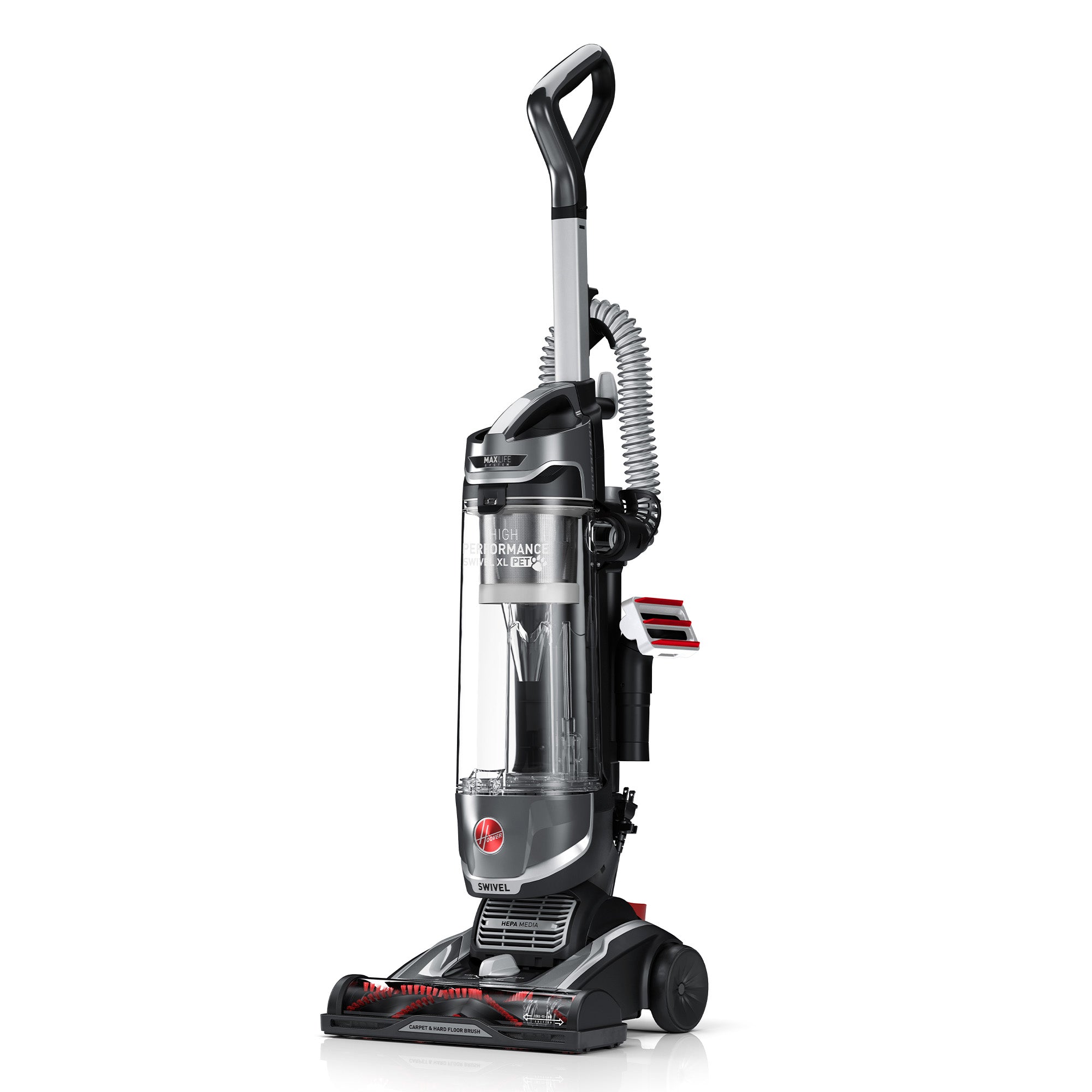
Preparing Your Vacuum For Cleaning
Unplug your Hoover WindTunnel 3 before cleaning. Safety comes first—never clean a vacuum while it’s plugged in. Remove the dust bin, filters, and any removable attachments. Lay out all parts on a towel for easy access.
Cleaning The Dust Bin
The dust bin is the part you empty most often, but it needs more than just dumping out dirt.
- Remove the dust bin from the vacuum.
- Open the bin and empty all contents into the trash.
- Wash the bin with warm, soapy water. Use a soft brush to scrub any stuck-on debris.
- Rinse thoroughly and let it air dry completely before reattaching.
Drying is important. If you put the bin back while it’s wet, it can cause mold or damage the vacuum.
Dust Bin Comparison: Windtunnel 3 Vs Other Models
Here’s how the WindTunnel 3’s dust bin compares to other popular Hoover models:
| Model | Bin Capacity | Ease of Cleaning |
|---|---|---|
| WindTunnel 3 | 1.5 liters | Easy (removable, washable) |
| Hoover React | 1.2 liters | Moderate (smaller opening) |
| Hoover Air Lift | 1.3 liters | Easy (removable, less parts) |
The WindTunnel 3 has a larger bin and is designed for easy cleaning.

Cleaning And Replacing Filters
Filters are the heart of your vacuum’s cleaning system. WindTunnel 3 uses two main filters:
- Primary filter (inside the dust bin)
- HEPA filter (usually behind a panel)
Dirty filters reduce suction and spread dust. Here’s how to clean them:
Cleaning The Primary Filter
- Remove the primary filter from inside the dust bin.
- Tap it gently to remove loose dust.
- Wash with warm water only—no soap. Soap can damage the filter material.
- Squeeze gently to remove excess water.
- Let it air dry for 24 hours. Never put a wet filter back into the vacuum.
Cleaning The Hepa Filter
HEPA filters trap tiny particles and allergens. Some are washable, others must be replaced. Check your manual.
- If washable: Rinse with water, let dry completely.
- If not washable: Tap to remove dust, then replace if dirty.
Filter Lifespan Comparison
Here’s how filter cleaning and replacement cycles compare:
| Filter Type | Clean Frequency | Replace Frequency |
|---|---|---|
| Primary | Monthly | Every 6-12 months |
| HEPA | Every 2-3 months | Annually or when damaged |
Most users forget to dry filters fully. Putting back a damp filter is a common mistake—it can lead to mold growth inside the vacuum.
Cleaning The Brush Roll
The brush roll picks up hair, crumbs, and dirt from carpets. Over time, hair and string wrap around the brush, making it spin less effectively.
- Flip the vacuum over to access the brush roll.
- Remove the cover if needed (usually a few screws or clips).
- Use scissors to cut away hair or threads wrapped around the brush.
- Pull out debris by hand.
- Wipe the brush with a damp cloth.
If the brush roll is very dirty, remove it completely and wash with water. Let dry before reinstalling.
Brush Roll Maintenance: Common Mistakes
Many people forget to check the ends of the brush roll, where hair collects. These areas can block rotation. Also, don’t force the brush roll back if it doesn’t fit easily—check for leftover debris.
Cleaning The Hose And Attachments
Hoses and attachments often hold hidden blockages. If you notice weak suction, a blocked hose might be the cause.
- Detach the hose and all attachments.
- Check for clogs by looking through the hose.
- Use a broom handle or long stick to push out stuck debris.
- Wash attachments with warm, soapy water. Rinse and let dry.
If your hose smells bad, rinse it with a mix of water and a little vinegar, then air dry.
Wiping Down The Exterior
Dust and fingerprints on the outside make your vacuum look old. Use a microfiber cloth dampened with water to wipe down the exterior. Avoid spraying water directly onto electronic parts.
Cleaning The Cyclone Assembly
The cyclone assembly is the part inside the bin that spins dust out of the air. It’s easy to miss, but cleaning it helps the vacuum work better.
- Remove the cyclone assembly from the dust bin.
- Tap gently to remove dust.
- Wash with water, scrub with a brush if needed.
- Let dry before putting back.
Reassembling Your Windtunnel 3
Once all parts are dry, reassemble the vacuum. Make sure all filters are dry and in place, the dust bin is attached, and the brush roll spins freely. Plug in and test suction. If you hear strange noises or see poor performance, double-check for missed steps.

Deep Cleaning And Maintenance Tips
Every few months, do a deeper clean:
- Check all screws and fasteners. Tighten if loose.
- Use compressed air to blow out dust from hard-to-reach areas.
- Inspect the power cord for damage.
A well-maintained vacuum lasts longer and cleans better.
Windtunnel 3 Maintenance Cost Vs Other Vacuums
Compare annual costs for cleaning and replacing parts:
| Model | Filter Cost (Yearly) | Brush Roll Cost (Yearly) | Average Maintenance Time |
|---|---|---|---|
| WindTunnel 3 | $20 | $15 | 2 hours |
| Dyson Ball | $35 | $20 | 2.5 hours |
| Bissell CleanView | $18 | $12 | 1.5 hours |
WindTunnel 3 is affordable to maintain compared to other brands.
Non-obvious Insights For Beginners
- Drying time matters: Always let filters and bins dry fully. Even small moisture can cause mold and bad smells.
- Check hidden areas: The ends of the brush roll, inside the hose, and under the cyclone assembly are places where blockages often hide.
- Don’t skip regular cleaning: Waiting until suction drops makes cleaning harder, and dirt may damage parts permanently.
- Replace filters before they look dirty: HEPA filters lose effectiveness even if they look clean.
Troubleshooting After Cleaning
If your vacuum still doesn’t work well after cleaning:
- Check for blockages you missed.
- Make sure filters are in the correct place.
- Inspect the belt (if the brush roll isn’t spinning).
- Look for loose wires or damaged parts.
If you see burning smells or hear strange noises, stop and check again. Sometimes, cleaning reveals broken parts that need repair.
Where To Find Replacement Parts
Replacement filters, brush rolls, and belts are available at most stores and online. Use Hoover’s official site for guaranteed fit. Avoid generic brands unless they match your model exactly.
For more details, see this helpful guide from Consumer Reports.
Frequently Asked Questions
How Often Should I Clean My Hoover Windtunnel 3?
Clean the dust bin and primary filter every month, and the HEPA filter every two to three months. If you have pets or allergies, clean more often.
Can I Wash All Filters In My Windtunnel 3?
You can wash the primary filter with water. Some HEPA filters are washable, but others must be replaced. Always check your manual before washing.
What Should I Do If My Vacuum Has No Suction After Cleaning?
Check for blockages in the hose, brush roll, and cyclone assembly. Make sure filters are dry and in the correct position. Also, check the belt if the brush roll isn’t spinning.
Is It Safe To Use Vinegar Or Other Cleaners Inside My Vacuum?
A mix of water and a small amount of vinegar is safe for cleaning hoses and attachments. Avoid strong chemicals, as they can damage plastic parts and filters.
Where Can I Buy Genuine Hoover Windtunnel 3 Parts?
Purchase parts from Hoover’s official website, major retailers, or authorized dealers. Using genuine parts protects your warranty and ensures proper fit.
Keeping your Hoover WindTunnel 3 clean isn’t difficult, but it does require regular attention. With the steps above, your vacuum will stay powerful, fresh, and ready for whatever mess comes next. Consistent care saves money and protects your home’s health. If you follow these tips, your WindTunnel 3 will work like new for years.

