

Are shop vacuums stronger than regular vacuums? It's a question we hear constantly, and the honest answer is: it depends. Most people assume a machine built for a construction site must be more powerful than a household cleaner.
But raw power isn't a single number.
Strength divides into two distinct specs, static suction and moving airflow. Per the ASTM International standard for vacuum cleaner testing, each tool category dominates a different one. By the end of this guide, you'll know exactly which machine deserves a spot in your garage or closet.
Let's dig in.
Image source: Web (Bing) / geekbuying.com (Web image (fair-use with source credit))
Why This Comparison Matters More Than You Think
Most people buy one vacuum and expect it to do everything. Then they drag a shop vac inside to clean the living room carpet and get frustrated. Or they use a regular upright in the garage and clog it with sawdust.
The mismatch costs you time and money.
Choosing blindly also means paying for features you don't need. A $200 shop vac with 6.5 peak horsepower sounds impressive. But that number is mostly marketing.
A $200 household canister vacuum might actually clean your rugs better. Our research shows the real difference comes down to how each machine moves air.
If you've ever dealt with suction loss on a different vacuum, you know how quickly frustration builds. The same physics apply here, just on a larger scale.
Quick Answer: The Short Version
Shop vacuums move more air. Regular vacuums create stronger sealed suction. For carpets, regular vacuums win.
For construction debris, shop vacuums dominate. Your floor type decides the winner.
The simplified rule: drywall dust, wood shavings, and wet spills go to the shop vac. Daily dust, pet hair, and carpet deep-cleaning go to the regular vacuum. If you only own one, you'll make compromises either way.
What "Stronger" Actually Means for a Vacuum
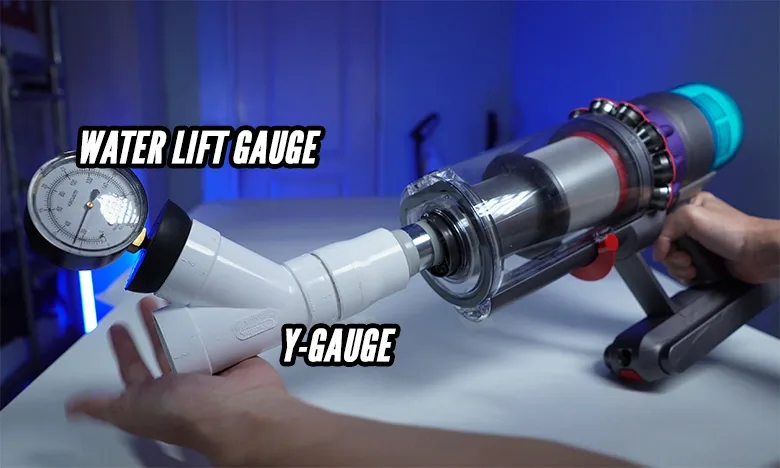
Image source: Web (Bing) / bestcordlessvacuumguide.com (Web image (fair-use with source credit))
Think of a straw in a milkshake versus a leaf blower. One pulls hard, the other pushes volume. Similarly, vacuums have two powers that people mix up: static suction and moving airflow.
Static suction is measured in inches of water lift. It tells you how hard the vacuum can pull against a sealed surface. This is what lifts embedded dirt from carpet fibers or holds a heavy object against the nozzle.
Moving airflow is measured in CFM, cubic feet per minute. That's the volume of air moving through the hose, which carries debris along with it. A shop vac's big hose and open tank make moving volume easy.
Static Suction vs. Moving Airflow: Two Different Powers
Here's a quick comparison of what each spec does in real life:
- Water lift (static suction): pulls embedded dust out of carpet, holds the nozzle tight to a surface.
- CFM (moving airflow): sweeps debris along the hose, clears sawdust from a workshop floor, picks up gravel or nails.
Most shop vacs produce high CFM but modest water lift. Most household vacuums produce lower CFM but very high water lift on sealed systems. For example, a typical shop vac might hit 150 CFM but only 40 inches of water lift.
A good canister vacuum could hit 60 CFM but over 90 inches of water lift. Different strengths, different jobs.
Why Peak Horsepower Is a Meaningless Number
When you see "6.5 HP" on a shop vac box, that's not really horsepower. Manufacturers measure it with an amperage reading at the motor's start-up peak, which is misleading. The real measure is air watts, which combines both airflow and static suction.
Most household vacuums don't publish peak HP because it's a shop vac marketing trick. Instead, look for CFM, water lift, or air watts.
This matters because you might buy a "more powerful" shop vac and find it leaves dust behind on your hardwood floors. Conversely, a household vacuum might struggle to pick up a handful of screws. So when someone asks "Are shop vacuums stronger than regular vacuums?", the correct response is "stronger at what?".
How a Shop Vac Works
Shop vacuums are simple machines. They have a motor, an impeller, a tank, and a filter. The motor spins an impeller that pushes air out of the tank, creating negative pressure inside.
Everything you vacuum goes into that open tank, where debris settles to the bottom. The filter sits near the motor to catch fine dust before air exhausts.
Because the tank is open and large, airflow isn't restricted much. You can suck up large debris like crumpled paper, wood chips, and even small rocks. The hose diameter is another big advantage.
Many shop vacs use 1.5-inch or 2.5-inch hoses, which allow debris to travel without clogging. Compare that to a household vacuum hose, usually 1.25 inches, and you'll see why shop vacs dominate in the workshop.
Open Tank Design and Its Trade-Offs
The open tank is both a blessing and a curse. Here's the trade-off:
- Pros: no bags to buy, huge capacity, easy to empty, handles wet and dry messes.
- Cons: unfiltered air can blow fine dust right back into your face, and the tank's open path rarely maintains strong sealed suction.
That last point is critical. A regular vacuum seals the airflow from the nozzle to the bag or filter. A shop vac's airflow leaks around the filter and the lid seals.
That's why shop vacs feel powerful when moving bulk debris but don't deeply clean carpet piles. The same airtight pathways matter in pool vacuums, and the same physics apply when a hose loses suction.
Hose Diameter: The Hidden Variable
The hose diameter changes everything. A 2.5-inch hose moves air massively but requires a huge motor to create that flow. A 1.25-inch hose can't move large debris, but it concentrates the suction force into a smaller opening.
That's why household vacuums feel stronger when you vacuum a couch.
For a shop vac, you can often swap in a smaller hose for better static suction on softer surfaces. Many kits include a reducer. When you use that, the shop vac behaves more like a regular vacuum.
But you'll lose the capacity to grab heavy debris without clogging.
How a Regular Vacuum Works
A regular household vacuum is built around a sealed airflow system. The motor, filter, dust bag, and hose are all connected tightly. Air enters the nozzle, passes through the bag or filter, and exits through the motor.
There's no big open tank. This design means virtually all the motor's energy goes into creating suction at the floor, not just blowing air around.
The other major difference is the brush roll. Most modern uprights and canisters include a powered brush that beats and sweeps carpet fibers. That agitation is what dislodges dirt.
A shop vac has no brush roll, so it just sucks the surface. Combined with higher static suction, a regular vacuum with a powered brush cleans carpets more deeply.
Sealed Airflow Path and Carpet Agitation
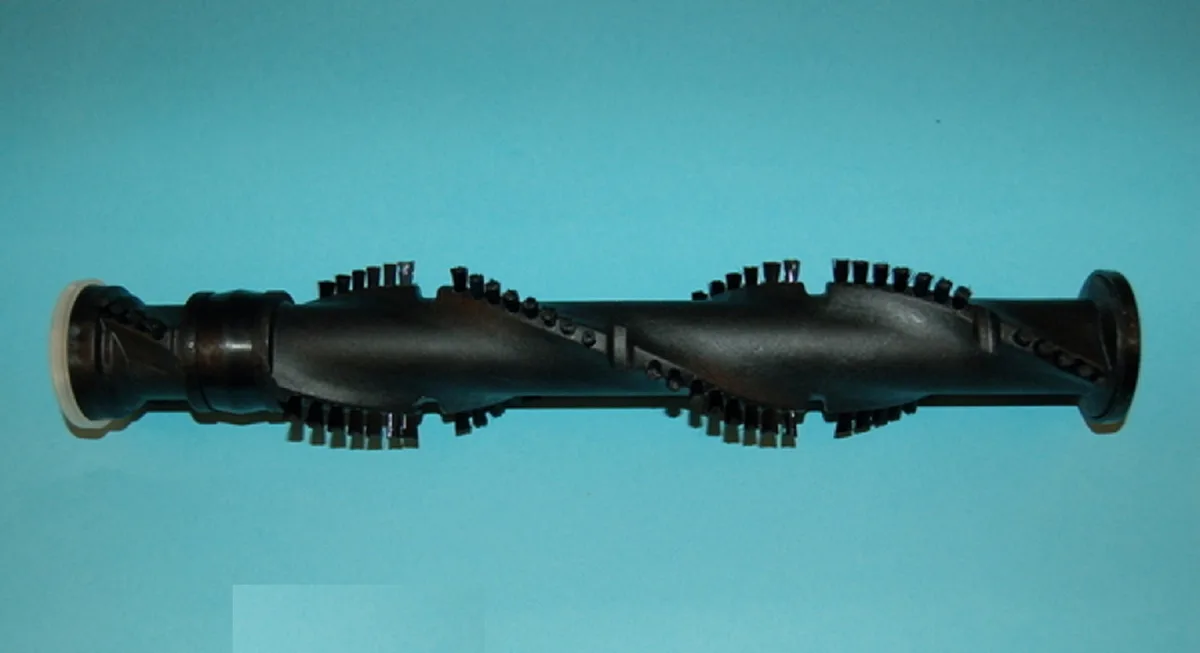
Image source: Bing (Web (fair-use with source credit))
Let's talk about that sealed path in numbers. A high-end canister vacuum from a brand like Miele might rate 100 air watts. A typical shop vac might also claim 100 air watts.
But the comparison isn't clean. The canister directs its power through a narrow 1.25-inch hose and an upright nozzle that seals against the floor. The shop vac fights an open tank and a wide hose.
Research from the Carpet and Rug Institute suggests that brush agitation contributes more to carpet soil removal than suction alone. That's why even a low-cost vacuum with a good brush roll can outperform an expensive shop vac on wall-to-wall carpet. Shop vacs simply lack that mechanical action.
Filtration also favors the regular vacuum. Many household models are HEPA-certified, trapping 99.97% of particles at 0.3 microns. The Occupational Safety and Health Administration (OSHA) also requires HEPA filtration for certain construction dust, like silica, when using vacuums on job sites.
Shop vacs with standard filters only catch larger dust. If you have allergies, using a shop vac indoors can spread fine particles.
The noise difference is similarly stark. Shop vacs often hit 85 to 90 decibels. Regular vacuums sit around 70.
Wear hearing protection if you use a shop vac for more than a few minutes.
Side-by-Side Comparison: Shop Vac vs. Regular Vacuum
Here's the quick breakdown. We compared both categories across the specs that actually determine cleaning quality:
| Metric | Shop Vac | Regular Vacuum |
|---|---|---|
| Airflow (CFM) | Higher, 100–200 CFM | Lower, 40–100 CFM |
| Static suction (water lift) | Lower, 20–60 inches | Higher, 60–100+ inches |
| Carpet deep cleaning | Weak, no brush roll | Excellent with power brush |
| Filtration | Basic cartridge filter | HEPA options common |
| Noise level | 80–90 dB | 70–80 dB |
| Wet pickup | Yes, with foam filter | No |
| Large debris | Excellent | Clogs easily |
| Best surface | Hard floors, workshops | Carpet, upholstery |
Suction Power and Airflow
The numbers show the split clearly. Shop vacuums win on moving volume, regular vacuums win on pull force. A shop vac will clear a pile of sawdust fast because it moves so much air.
A regular vacuum will pull deeply embedded dirt from a rug because its sealed system creates concentrated suction.
Floor Cleaning Performance
For hard floors, the shop vac is superb. It's easy to push around, picks up crumbs and grit, and the wide hose rarely clogs. For carpets, the regular vacuum wins by a landslide.
The powered brush roll agitates fibers and loosens dirt that suction alone can't reach.
Filtration and Fine Dust
Shop vacs typically use a thin cartridge filter that lets fine particles escape around the seals. The air that comes out can be dustier than the air going in. Household vacuums are built with sealed filtration paths.
HEPA models trap 99.97% of particles at 0.3 microns, which is why they're recommended for allergy sufferers.
Noise, Weight, and Maneuverability
Shop vacs are heavy, clunky, and jarringly loud. They roll across a floor but don't glide under furniture. Regular vacuums are lighter, quieter, and designed for the awkward angles of daily home cleaning.
If you're vacuuming the whole house every week, comfort matters more than the peak numbers.
Price and Cost of Ownership
A decent shop vac starts around $50. A decent upright vacuum costs $150 to $300. The long-term costs are similar since shop vacs need replacement filters and regular vacuums need bags.
But overspending on a shop vac won't get you better carpet cleaning. Overspending on a regular vacuum won't magically make it deal with water or drywall dust.
What Each Vacuum Is Actually Best For
Shop Vacs: Workshops, Spills, and Construction Chaos
Use a shop vac when you need raw debris handling. It's the right choice for garage sawdust, renovation rubble, wet basement water, and car interiors full of leaves and grit. It also handles yard waste like acorns or pine needles that would clog a household machine.
Shop vacs also make sense for anyone with a large shop that needs frequent bulk cleanup. If you're regularly moving heavy chips and shavings, the open tank and big hose are worth the noise trade-off.
Regular Vacuums: Everyday Home Cleaning
A regular vacuum belongs in the living room, bedroom, and hallway. It cleans carpet and rugs properly, filters the air, and reaches under furniture with attached tools. It's the machine you'll actually want to haul out on a Tuesday evening for a quick tidy.
Household vacuums also handle upholstery, stairs, drapes, and pet hair better. Attachments like the crevice tool and motorized brush head make those jobs painless. Routine maintenance keeps the suction strong for years.
Where They Overlap
The overlap zone is hard flooring. Both machines clean hardwood, tile, and laminate effectively. A shop vac does it faster with fewer clogs.
A regular vacuum does it more quietly with better filtration. If you have mostly hard floors, either one will get the job done.
Common Mistakes to Avoid When Choosing
- Buying on peak horsepower alone. That number is inflated and doesn't predict real-world performance.
- Using a shop vac indoors for fine dust. It aerosolizes particulates and makes allergies worse.
- Expecting a shop vac to deep-clean carpets. Without a brush roll, it only skims the surface.
- Using a regular vacuum on wet messes. Moisture destroys the motor and clogs the filter.
- Ignoring the hose diameter. A 1.25-inch hose won't handle bulky debris, no matter how strong the motor is.
- Skipping the dust bag in a shop vac. For fine drywall dust, a bag catches what the filter misses.
- Forgetting that a collapsing hose kills suction curve. Airflow gets choked before it ever reaches the nozzle.
Real-World Scenarios: Which One Would You Grab?
The Garage After a Renovation
You just sanded drywall and cut lumber. Dust covers every surface, and the corners hold piles of debris. This is a shop vac day.
Its large hose eats drywall chunks, and the tank holds everything without stopping. If you need to contain fine dust, add a bag.
The Living Room With Carpets and Pet Hair
Your dog sleeps on the rug, and daily traffic grinds dirt deep into the fibers. A shop vac will pull the surface hair but leave the grit behind. A regular vacuum with a power brush roll lifts embedded dirt and captures allergens.
For weekly home cleaning, the upright or canister vacuum wins.
The Car Interior Detail
This one's a tie. A shop vac's wide hose moves fast over floor mats and pulls out gravel from crevices. A regular vacuum's narrow attachments reach into tight seat gaps and clean fabric more thoroughly.
Many detailers actually keep both: a shop vac for the mats and a small household vacuum for the trim.
The deciding factor in every scenario is the debris type. Heavy, bulky, or wet messes call for a shop vac. Fine, embedded, or allergen-laden messes demand a regular vacuum.
If you compare suction needs against your actual floors, the right choice becomes obvious.
Can One Vacuum Do Both Jobs Decently?
Yes, but with compromises. A shop vac with a clean filter and a dust bag can serve as a passable household vacuum on hard floors. It won't deep-clean carpets, and it'll be loud and bulky.
But for a garage apartment or a workshop with a few rugs, it works.
A regular vacuum with a hard floor setting can handle workshop dust and light debris. It won't handle water, metal shavings, or large chunks. And it'll clog more often than a shop vac.
For most people, owning both is the practical answer.
If you must pick one, think about what you clean weekly. That's the mess your vacuum will encounter most. Choose the machine that handles that task best, and accept the other's limitations.
Or better yet, keep a dedicated shop vac for the garage and a regular vacuum for the home. They're both affordable, and they'll each last years with simple care. Longevity comes down to upkeep, not just brand name.
Final Verdict: The Right Tool for Your Situation
If you clean carpets every week, buy a regular vacuum. If your messes are heavy, wet, or full of debris, buy a shop vac. Most homes genuinely benefit from owning both.
Pick based on the mess you face most, not the horsepower sticker.
Frequently Asked Questions
Does a shop vac clean carpets as well as a regular vacuum?
No. Without a powered brush roll, a shop vac can't agitate carpet fibers. The sealed suction of a household vacuum with a power head lifts embedded dirt and pet hair far more effectively.
For area rugs it's fine, but for wall-to-wall carpet, a regular vacuum wins.
Can I use a shop vac as my only vacuum?
You can, on hard floors. Add a dust bag and a clean cartridge filter, and it will handle daily messes. You'll sacrifice quiet operation, maneuverability, and carpet deep cleaning.
If you have mostly hard surfaces, it's a workable compromise.
Can a regular vacuum pick up water?
No. Water and moisture will destroy the motor and clog the filter of a standard household vacuum. This is a safety risk, not just a cleaning issue.
Shop vacs with a foam filter are designed for wet pickup. Always remove the cartridge filter and install the foam sleeve first. The motor can also short out if water enters the housing.
What is a good CFM for a shop vac?
For general workshop cleanup, look for at least 100 CFM. For heavy debris like gravel or wood chips, 150 CFM or more is better. But remember that CFM alone doesn't tell you how well it cleans carpet.
Match the airflow to the debris you'll actually move.
Do regular vacuums have HEPA filters?
Many do, especially mid-range and premium models. True HEPA filtration captures 99.97% of particles at 0.3 microns. That's essential for allergy sufferers and for cleaning up fine dust like drywall compound.
Always check the certification, not just the label.

