

Are Central Vacuums Good For Pet Owners?
Pet owners know the struggle: shedding fur, tracked-in dirt, and stubborn pet odors can make keeping a clean home a constant battle. While traditional vacuum cleaners can help, they often fall short, blowing fine dust and allergens back into the air. This is where central vacuum systems shine, offering a potentially superior solution for households with furry friends.
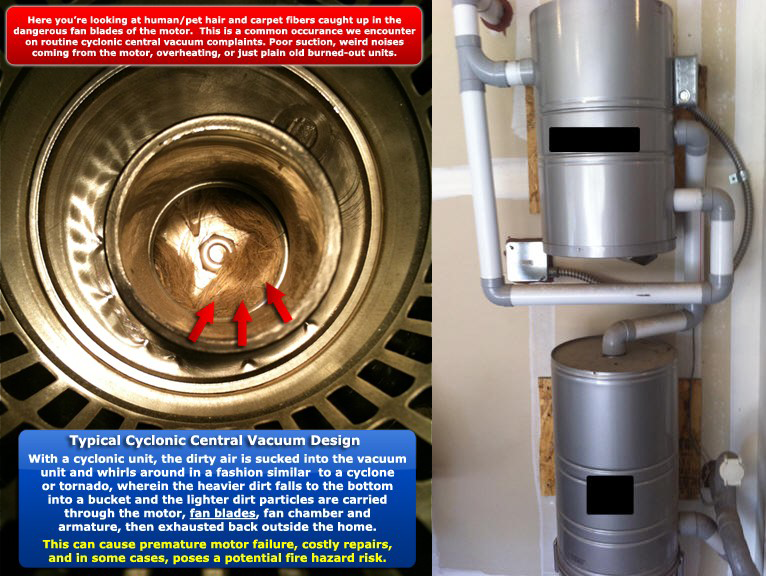
Central vacuums are built-in cleaning systems that consist of a main power unit, usually installed in a garage or basement, and a network of pipes that run through the walls to inlets located in various rooms. Hoses and attachments connect to these inlets to clean. For pet owners, this setup can translate to a healthier home environment and a more effective cleaning experience.
How Central Vacuums Help Pet Owners
The unique design of central vacuums offers several advantages specifically for those with pets. Their powerful motors and larger dirt collection capacity mean they can handle the extra mess pets often bring.
Superior Suction Power
Central vacuum systems typically have much more powerful motors than portable vacuums. This strong suction is essential for deep cleaning carpets and upholstery where pet hair can get embedded. It can lift stubborn fur, dander, and debris that smaller vacuums might miss.
Improved Air Quality
One of the biggest benefits for pet owners is better indoor air quality. Unlike portable vacuums that can recirculate fine dust, pet dander, and allergens back into the air, central vacuums vent the collected debris outside or to a large collection bin in a remote location. This significantly reduces the amount of airborne irritants in your living space, which is especially helpful for family members with allergies or asthma.
A study by the U.S. Environmental Protection Agency (EPA) found that central vacuum systems can vent up to 60% more air than portable vacuums, leading to a reduction in airborne dust particles. This means less sneezing and fewer allergy flare-ups for everyone in the home.
Larger Dirt Capacity
Pet owners deal with a lot of waste, from fur to tracked-in mud. Central vacuums have much larger dirt collection bins (often called canisters) than portable vacuums. This means you don’t have to empty them as frequently, making the cleaning process more convenient and less messy.
Quieter Operation In Living Areas
While the central power unit can be noisy, the noise is located away from your main living areas. The only sound you hear in the room you’re cleaning is the airflow through the hose, which is considerably quieter than a traditional vacuum. This means you can clean without disturbing napping pets or waking up sleeping family members.
Durability And Longevity
Central vacuum systems are built to last, often with lifespans of 20 years or more. This long-term durability means fewer replacements and a reliable cleaning solution for years of pet ownership.

Key Features For Pet Owners To Consider
When choosing a central vacuum system, pet owners should look for specific features that enhance its effectiveness in a pet-friendly home.
High-quality Attachments
The right attachments can make a huge difference. Look for systems that come with or offer:
- Pet Grooming Brushes: Some systems offer specialized brushes that can be attached to the vacuum hose to groom your pet directly, reducing shedding before it hits the floor.
- Upholstery Tools: Essential for cleaning pet hair from furniture, couches, and pet beds. Look for tools with rubber nubs or specialized brushes.
- Crevice Tools: Perfect for getting into tight spots where pet hair loves to hide, like along baseboards or between sofa cushions.
- Hard Floor Brushes: For homes with mostly hard floors, a good brush attachment will efficiently sweep up fur and dirt without scratching the surface.
Filtration System
Even though central vacuums vent air, a good filtration system within the unit itself is still important. This helps trap finer particles before they are vented, further improving air quality. Look for systems with HEPA filters or multi-stage filtration for the best results.
Hose Length And Power Unit Location
Consider the layout of your home and the location of the power unit. Ensure the hose length is adequate to reach all areas without excessive effort. Placing the power unit in a well-ventilated area, like a garage, is also important for its performance and longevity.
Central Vacuums Vs. Traditional Vacuums For Pets
To better understand the benefits, let’s compare central vacuums to traditional upright or canister vacuums, focusing on aspects crucial for pet owners.
| Feature | Central Vacuum System | Traditional Vacuum Cleaner (Upright/Canister) |
|---|---|---|
| **Suction Power** | Very strong, consistent | Varies greatly; often less powerful than central systems |
| **Air Quality** | Vents debris outside, significantly reduces allergens | Can recirculate fine dust and allergens back into air |
| **Noise Level** | Quiet in room being cleaned (only airflow sound) | Loud motor noise in the room |
| **Dirt Capacity** | Large, infrequent emptying | Smaller, requires frequent emptying |
| **Durability** | Long lifespan (20+ years) | Shorter lifespan (5-10 years typically) |
| **Portability** | Not portable (requires hose and attachments) | Highly portable, easy to move between rooms |
| **Cost** | Higher upfront cost | Lower upfront cost |
| **Maintenance** | Minimal (emptying canister, occasional filter clean) | Regular emptying, filter cleaning/replacement |
Dealing With Odors
Pet odors can be a persistent problem. While central vacuums excel at removing the source of odors (like dander and dirt), they don’t magically eliminate smells. However, by removing more particulate matter from the air and carpets, they can reduce the intensity of odors. Some systems allow for the addition of deodorizing filters or scented tablets to be added to the collection bin, which can help freshen the air as you vacuum.
Potential Downsides For Pet Owners
While central vacuums offer many advantages, they aren’t without drawbacks. Understanding these can help you make an informed decision.
Upfront Cost
The initial investment for a central vacuum system is significantly higher than for most portable vacuums. Installation costs can also add to the overall price, making it a considerable purchase.
Installation Complexity
Installing a central vacuum system involves running pipes through walls, ceilings, and floors. This is a major renovation project and is best done during new home construction or a significant remodel. Retrofitting into an existing home can be more complex and costly.
Lack Of Portability For Quick Cleanups
You can’t grab a central vacuum hose to quickly clean up a small mess on the couch or a spill on the kitchen counter as easily as you can with a portable vacuum. While some systems offer car, garage, or retractable hose options, they are still less immediate than a handheld or small upright vacuum.
Maintenance Of The Power Unit
While the in-room components require little maintenance, the central power unit itself needs occasional attention. This includes emptying the collection canister and cleaning or replacing filters, which can be inconvenient if the unit is located in a hard-to-reach area.
Is A Central Vacuum Worth It For Your Pet-friendly Home?
For pet owners who prioritize cleaner air, powerful cleaning, and long-term convenience, a central vacuum system can be an excellent investment. The ability to vent allergens and dander outside the home is a significant advantage for those with sensitivities.
However, the high upfront cost and installation complexity mean it’s not a practical solution for everyone. If you’re building a new home or undertaking a major renovation, it’s the ideal time to consider integrating a central vacuum. If not, you might find that a high-quality traditional vacuum with excellent pet-specific attachments can still do a commendable job, albeit with more frequent emptying and potentially less impact on overall air quality.

