

Have you ever wondered how voice-controlled robot vacuums know exactly where to clean? You might think they just bump around randomly, but many of these smart devices actually use advanced mapping technology.
Understanding how this technology works can help you choose the right vacuum that fits your home and lifestyle. Keep reading to discover if your voice-controlled robot vacuum really knows the layout of your space and how that can make cleaning easier than ever.
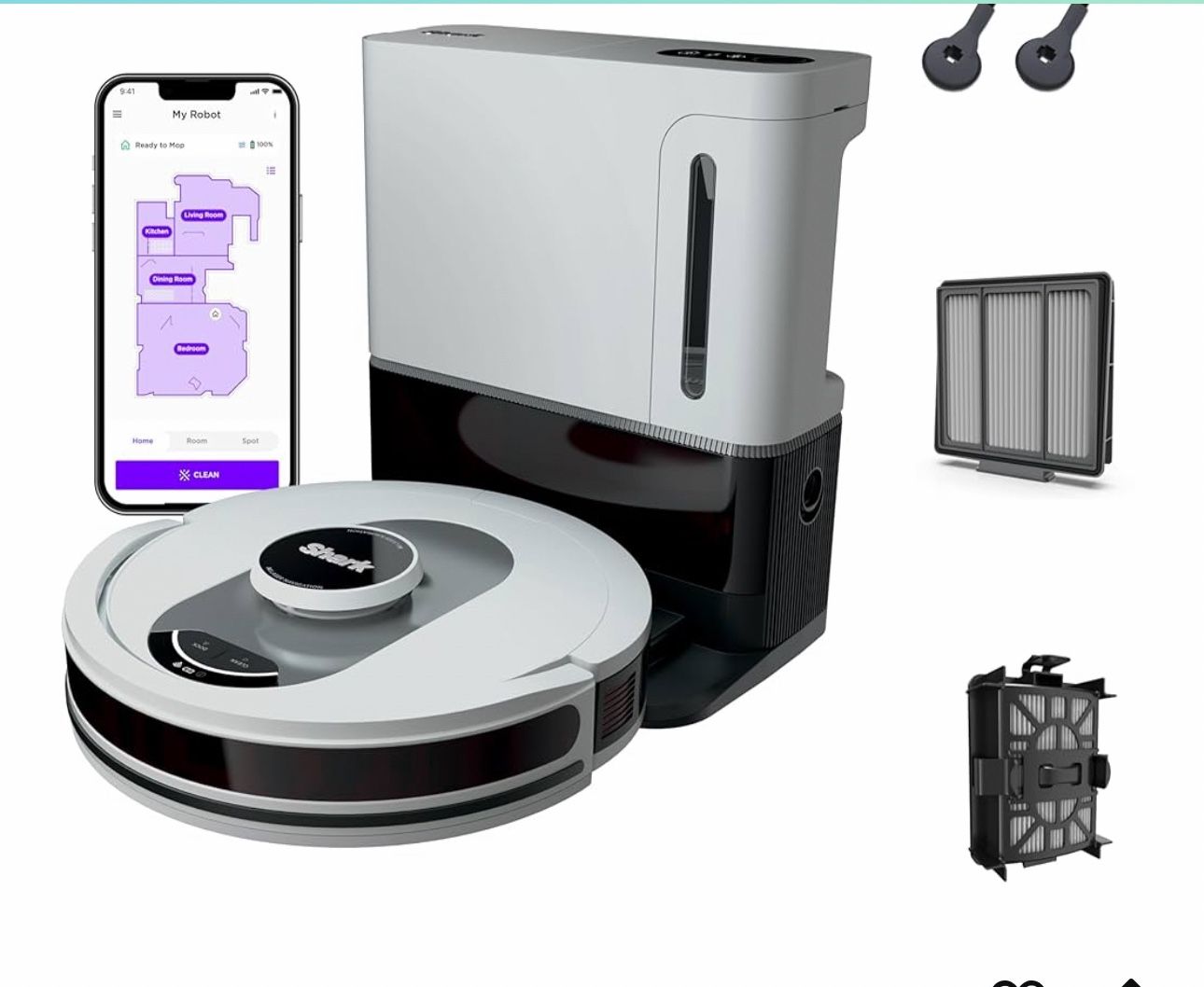
Voice-controlled Robot Vacuums
Voice-controlled robot vacuums bring a new level of ease to home cleaning. You can tell the vacuum to start, stop, or change settings without touching a button. These smart devices connect with voice assistants like Alexa or Google Assistant. This makes cleaning hands-free and quick.
Many models now include advanced features. They not only clean but also understand your home layout. This helps them clean more efficiently and avoid obstacles.
Key Features
Voice-controlled robot vacuums come with several useful features. Most have sensors to detect walls and furniture. This prevents bumps and falls down stairs. Many models have strong suction for different floor types. Some can even mop hard floors after vacuuming.
Battery life is usually long enough for whole-home cleaning. The robot returns to its charging base automatically. Scheduling options allow cleaning at set times. Voice commands can pause or resume cleaning anytime.
How Voice Control Works
Voice control connects your vacuum to a smart assistant app. You speak commands through your phone or smart speaker. The app sends these commands to the vacuum.
The vacuum then carries out the task. It can start cleaning a room or stop immediately. You can ask about the cleaning status or battery level. This interaction feels natural and saves time.
Mapping Technology In Robot Vacuums
Mapping technology is a key feature in many modern robot vacuums. It helps these devices clean efficiently by understanding the layout of your home. This technology allows the vacuum to plan its path and avoid obstacles. Voice-controlled robot vacuums often use mapping to improve their performance and respond better to commands.
Types Of Mapping Systems
Robot vacuums use different types of mapping systems. Some use cameras to take pictures and create a map. Others use lasers to scan the room and detect objects. Some models combine both cameras and lasers for more accurate maps. There are also simpler models that use sensors to guess the layout without a detailed map.
Benefits Of Mapping Technology
Mapping technology improves cleaning by making the vacuum more organized. It prevents the vacuum from missing spots or cleaning the same area twice. This technology helps save battery life by planning the shortest cleaning route. It also allows the vacuum to return to its charging dock easily. For voice control, mapping helps the vacuum understand commands like “clean the kitchen.”
Integration Of Voice Control And Mapping
Voice-controlled robot vacuums with mapping technology bring new convenience to cleaning. They use smart maps to remember your home’s layout. You can control them by voice commands. This integration makes cleaning simple and precise.
The robot knows where it has cleaned and where to go next. Voice control lets you start, stop, or direct the vacuum without touching it. This combination saves time and effort.
How They Work Together
Mapping technology guides the robot through your home. It creates a detailed map of rooms and obstacles. This helps the vacuum avoid bumps and misses no spots.
Voice control connects to smart assistants like Alexa or Google. You talk to the assistant, and it sends commands to the vacuum. The robot follows these commands using its map. It cleans specific rooms or areas you ask for.
The vacuum updates its map during cleaning. It adapts if furniture moves or new obstacles appear. Voice commands can change the cleaning plan anytime. This makes the process flexible and easy.
Examples Of Models With Both Features
Some popular models have both voice control and mapping. The iRobot Roomba i7+ creates smart maps and works with Alexa.
The Roborock S7 maps your home and responds to voice commands through Google Assistant. It cleans precisely, covering all areas efficiently.
Ecovacs Deebot Ozmo T8 also uses mapping and supports voice control. It offers strong suction and smart navigation.
These models show how voice control and mapping improve cleaning. They save time and make tasks easier for users.
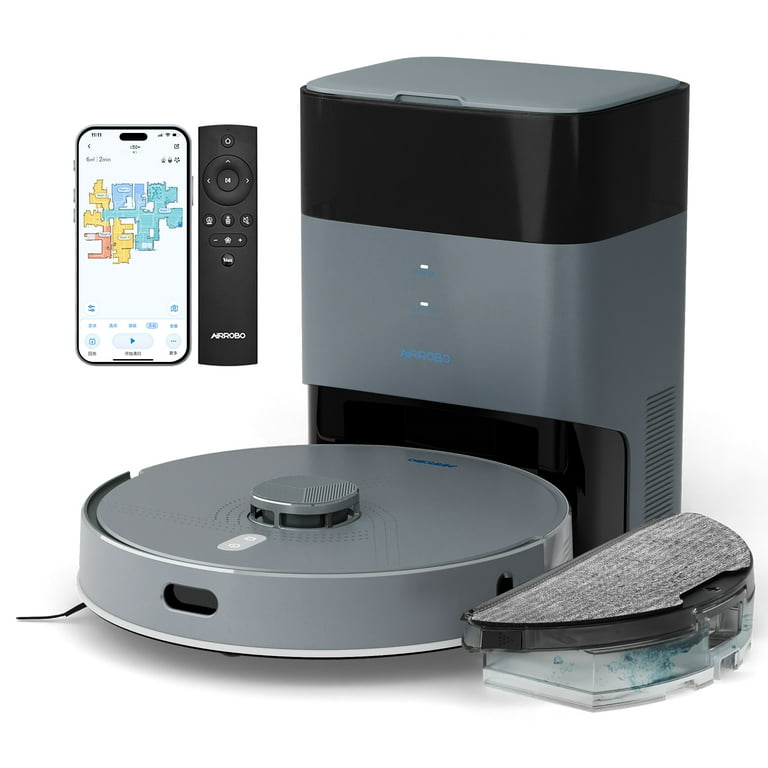
Advantages Of Mapping In Voice-controlled Vacuums
Mapping technology in voice-controlled robot vacuums brings many benefits. It helps the vacuum clean smarter and saves time. This technology allows the robot to understand your home’s layout. It plans the best path to cover all areas efficiently. Mapping makes the vacuum more effective and easier to control.
Improved Cleaning Efficiency
Mapping helps the vacuum avoid cleaning the same spot twice. It remembers which rooms need more attention. The vacuum moves smoothly and quickly without missing areas. It can clean large spaces faster than models without mapping. Less time spent cleaning means more free time for you.
Customizable Cleaning Paths
Mapping lets you choose specific rooms or zones to clean. You can tell the vacuum to skip certain areas. It follows the path you set through your voice commands. This feature is great for homes with pets or kids. You get a cleaner home with less effort.
Limitations And Challenges
Voice-controlled robot vacuums with mapping technology offer great convenience. Yet, they face some limits and challenges that affect their performance. Understanding these helps set the right expectations before buying.
Technical Constraints
Mapping technology needs accurate sensors and software. Many robot vacuums use cameras or lasers to scan rooms. These parts can struggle in low light or cluttered spaces. Small objects and cables may confuse the system. Sometimes, the vacuum misses spots or gets stuck. Voice control adds complexity, requiring strong internet and clear commands. Software updates try to fix problems but can’t solve all issues.
Cost Implications
Adding mapping and voice control raises the price. Advanced sensors and software increase production costs. These features often appear in higher-end models. Budget-friendly robots may lack precise mapping or voice features. Repair and maintenance can also be costly. Batteries and parts wear out faster in complex models. Buyers must weigh benefits against higher expenses.

Future Trends In Robot Vacuum Technology
Robot vacuums are getting smarter every year. New features help them clean better and work faster. The future will bring big changes to how these devices map your home and respond to your voice. These improvements make cleaning easier and more efficient.
Technology is moving towards more precise mapping and smoother voice control. This means robot vacuums will know your home better. They will also understand your commands more clearly. These advances will save time and effort for users.
Advancements In Ai And Mapping
AI helps robot vacuums learn your home layout quickly. They create detailed maps to avoid obstacles. New sensors improve their ability to find dirty spots. These vacuums adapt routes for better cleaning. Future models will remember multiple floors and rooms easily. They use AI to update maps after furniture moves. This means less manual setup and more automatic cleaning.
Enhanced Voice Interaction
Voice control is becoming more natural and accurate. Robots will understand simple commands without repeating. They can answer questions about cleaning status or battery life. Some may follow complex instructions, like cleaning specific rooms at certain times. Voice assistants will work better offline. This keeps your commands private and fast. Enhanced voice features reduce the need for app use.
Frequently Asked Questions
Do Voice-controlled Robot Vacuums Include Mapping Technology?
Yes, many voice-controlled robot vacuums use advanced mapping technology to navigate efficiently. This tech creates a digital map of your home, ensuring thorough cleaning and avoiding obstacles.
How Does Mapping Technology Improve Vacuum Cleaning?
Mapping technology helps robot vacuums plan cleaning routes, covering all areas without repetition. It increases cleaning efficiency and saves battery life by avoiding missed spots and unnecessary movement.
Can Voice Commands Control Vacuum Mapping Functions?
Yes, voice commands can activate and customize mapping functions in compatible robot vacuums. You can instruct the vacuum to clean specific rooms or avoid certain areas using your voice.
Are All Robot Vacuums With Voice Control Equipped With Mapping?
Not all voice-controlled robot vacuums have mapping technology. Entry-level models may rely on random navigation, while premium models include advanced mapping for better performance.
Conclusion
Voice-controlled robot vacuums often include mapping technology. This helps them clean your home efficiently. They create maps to avoid obstacles and cover every area. Mapping saves time and reduces missed spots. Not all models have this feature, so check before buying.
Choosing one with mapping makes cleaning easier and smarter. It brings convenience to daily chores. Overall, mapping technology adds value to robot vacuums. A small feature that improves your cleaning experience greatly.

