

Can Vacuum Cleaners Clean Upholstery?
When you look at your couch or favorite armchair, you might notice dust, crumbs, or even pet hair trapped in the fabric. Many people wonder if their vacuum cleaner can tackle these messes, or if special tools or methods are needed. Upholstery cleaning can feel confusing, especially if you want to protect your furniture and keep it looking fresh. This guide will help you understand if vacuum cleaners are the right tool for upholstery, how to use them safely, and what extra steps can make a real difference.
How Vacuum Cleaners Work On Upholstery
Vacuum cleaners use suction to pull dirt, debris, and dust from surfaces. For carpets and floors, this works well. But upholstery, like sofas or car seats, often has different fabrics and padding underneath. These materials can trap smaller particles deep inside, making them harder to remove.
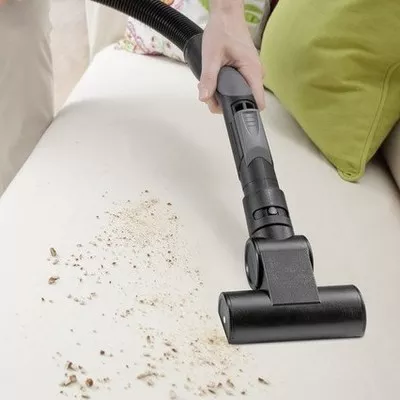
Modern vacuum cleaners often include special attachments for upholstery. These might be small brush heads, flat nozzles, or motorized mini-brushes. The goal is to gently lift dirt from the fabric without damaging it. Using the right attachment can make a big difference: a regular floor brush may be too rough, while a small upholstery tool is designed for delicate work.
Why Regular Floor Attachments Are Not Enough
Standard vacuum heads are built for flat, tough surfaces. They might:
- Miss debris in tight corners or seams
- Pull or snag delicate fibers
- Leave behind hair or fine particles
Upholstery tools, by contrast, are smaller and often have soft bristles or fabric strips to loosen dirt. Some vacuums also have HEPA filters to trap allergens, which is especially useful for those with allergies.
Types Of Upholstery You Can Clean With A Vacuum
Not all upholstery is created equal. Some fabrics are tough and easy to clean, while others are delicate or stain easily. Here’s a quick look at common types:
| Upholstery Type | Vacuum Suitability | Special Considerations |
|---|---|---|
| Microfiber | Excellent | Avoid soaking with water; vacuum weekly. |
| Cotton | Good | Use gentle suction; test in hidden spot first. |
| Velvet | Moderate | Use soft brush only; vacuum in direction of nap. |
| Leather | Fair | Wipe more often than vacuum; use soft brush. |
| Synthetic blends | Excellent | Check manufacturer instructions. |
Some fabrics, like silk, should not be vacuumed at all. Always check the care label or manufacturer’s instructions before using your vacuum.
Key Benefits Of Vacuuming Upholstery
Vacuuming upholstery does more than remove crumbs. Here are some important benefits:
- Dust and Allergen Removal: Regular vacuuming reduces dust mites, pet hair, and pollen—helpful for allergy sufferers.
- Stain Prevention: Removing dirt quickly stops it from becoming a dark stain.
- Odor Control: Old food, pet hair, and dust can smell. Vacuuming helps keep furniture fresher.
- Longer Life: Dirt wears down fabric fibers. Removing it regularly extends the life of your furniture.
A non-obvious insight: Regular vacuuming can reduce the need for deep cleaning or professional services, saving money over time.
How To Vacuum Upholstery Properly
Cleaning upholstery with a vacuum isn’t complicated, but technique matters. Here’s a simple step-by-step process:
- Remove Loose Items: Take off cushions, pillows, and throws.
- Check for Large Debris: Pick up coins, toys, or other objects that could clog your vacuum.
- Choose the Right Attachment: Use the upholstery tool or soft brush.
- Test on a Hidden Spot: Make sure the tool doesn’t damage or discolor the fabric.
- Vacuum Methodically: Start at the top and work down. Use slow, overlapping strokes.
- Get Into Crevices: Use a crevice tool for seams, corners, and under cushions.
- Repeat for Removable Covers: If your cushions have zippers, clean both sides.
- Clean the Vacuum Filter: Dust can clog filters quickly when vacuuming upholstery.
Common Mistakes To Avoid
- Using high suction on delicate fabrics (can cause pulls or marks)
- Skipping the test patch
- Vacuuming wet or damp upholstery (can cause mold)
- Ignoring seams and cracks
A practical tip: For pet hair, slightly dampen a rubber glove and run it over the fabric before vacuuming. This lifts more hair, making it easier for your vacuum to pick up.
Comparing Vacuum Cleaners For Upholstery
Not all vacuum cleaners are equal when it comes to upholstery cleaning. Here’s a simple comparison:
| Vacuum Type | Pros | Cons | Best For |
|---|---|---|---|
| Upright | Powerful suction, easy to use on floors | Bulky, may lack small attachments | Large sofas, carpeted stairs |
| Canister | Good attachments, flexible hose | Heavier to move, more storage space needed | Detailed upholstery cleaning |
| Handheld | Lightweight, easy to maneuver | Small dustbin, less power | Car interiors, spot cleaning |
| Stick/cordless | Quick for daily cleaning, portable | Limited battery life | Quick maintenance, small apartments |
| Wet/dry (shop vac) | Handles spills, versatile | Can damage delicate fabrics, noisy | Utility furniture, outdoor cushions |
When buying a vacuum for upholstery, look for models with a motorized brush, adjustable suction, and HEPA filtration.
Vacuum Attachments That Make A Difference
Attachments matter more than most people realize. Here are the most useful ones for upholstery:
- Upholstery Tool: A wide, flat head with fabric strips to catch hair and lint.
- Crevice Tool: Narrow nozzle for cracks and corners.
- Dusting Brush: Soft bristles for delicate fabrics.
- Mini Motorized Brush: Small powered tool for stubborn pet hair.
Some vacuums include a turbo brush, which is especially good for pet owners. If your vacuum didn’t come with these, many brands sell them separately.

When Vacuuming Is Not Enough
Vacuuming removes surface dirt, but sometimes stains, spills, or odors go deeper. Here’s when you need extra steps:
- Deep Stains: Food, wine, or ink may require spot treatment with a fabric-safe cleaner.
- Pet Accidents: Urine and vomit often soak below the fabric—use an enzyme cleaner.
- Embedded Odors: Sprinkle baking soda, let it sit for 15–30 minutes, then vacuum.
- Allergy Control: In homes with severe allergies, steam cleaning every few months may help.
Be careful: not all upholstery can handle water or cleaning chemicals. Always check care instructions first.
A non-obvious insight: Overusing cleaning sprays or water can actually push stains deeper into the padding. Less is often more.
Professional Vs. Diy Upholstery Cleaning
Should you call a pro, or do it yourself? Here’s a direct comparison:
| Aspect | DIY Vacuuming | Professional Cleaning |
|---|---|---|
| Cost | Low (just your time and electricity) | Moderate to high per visit |
| Convenience | Anytime, quick | Must schedule, takes longer |
| Results | Removes surface dirt, most hair | Removes deep stains, sanitizes |
| Frequency | Weekly or as needed | Every 6–12 months |
For routine care, a vacuum is enough. For deep cleaning or major stains, professionals with specialized machines may be needed.

How Often Should You Vacuum Upholstery?
The answer depends on your household:
- Pets or allergies: 2–3 times per week
- Children or high traffic: Weekly
- Light use: Every two weeks
If you wait until the dirt is visible, it’s already settled deeper. Frequent, gentle cleaning keeps upholstery in better shape.
Caring For Upholstery Between Vacuuming
Vacuuming is only one part of furniture care. To keep upholstery looking its best:
- Rotate cushions to prevent uneven wear
- Clean up spills immediately
- Avoid eating or drinking on light-colored fabric
- Use washable covers for pets or kids
- Keep furniture out of direct sunlight (prevents fading)
Small habits matter: brushing off crumbs daily with your hand or a soft brush reduces buildup.
Limitations And Precautions
Vacuum cleaners are very useful, but they have limits:
- Cannot remove set-in stains or water damage
- May damage very delicate fabrics (like silk or antique pieces)
- Not a substitute for professional sanitizing in case of mold or bacteria
Always read your vacuum’s manual and your furniture’s care guide. If in doubt, start with the lowest suction and softest brush. For more guidance, the Consumer Reports guide is a trusted resource.
Frequently Asked Questions
Can All Vacuum Cleaners Be Used On Upholstery?
Not every vacuum is safe or effective for upholstery. Look for models with gentle suction and special attachments. Avoid using strong floor brushes on delicate fabrics to prevent damage.
How Often Should I Vacuum My Sofa?
It depends on use. For homes with pets or allergies, vacuum 2–3 times a week. For others, weekly or every other week is enough.
Is Vacuuming Enough To Remove Bad Odors From Upholstery?
Vacuuming helps, but for strong or deep odors, use baking soda or a fabric-safe odor neutralizer before vacuuming. Some smells, like pet accidents, may require deep cleaning.
What Should I Do If My Vacuum Leaves Marks On The Fabric?
Stop immediately. Check if you’re using the right attachment or if suction is too strong. Always test on a hidden area before cleaning the main surface.
Can I Use A Steam Cleaner Instead Of A Vacuum For Upholstery?
A steam cleaner can sanitize and remove deeper dirt, but always check your fabric’s care label first. Some materials, like velvet or silk, may be damaged by heat or moisture.
Vacuum cleaners are a practical, effective tool for regular upholstery cleaning—if you use the right techniques and attachments. With a little care and attention, you can keep your furniture looking great and lasting longer, all from the comfort of your own home.

