

Automatic dirt disposal systems are changing the way we clean our homes. If you have ever used a robot vacuum, you may know the frustration of emptying its tiny dustbin after every run. But what if your robot could do that job itself?
That’s where automatic dirt disposal systems come in. These smart solutions take the hassle out of cleaning, making robot vacuums even more hands-off and efficient. But how do they really work? Let’s explore the technology, key parts, and what makes these systems so effective.
What Is An Automatic Dirt Disposal System?
An automatic dirt disposal system is an add-on or built-in feature for robot vacuums. Instead of you emptying the dustbin after every cleaning cycle, the robot returns to a special dock—often called a “self-empty base.” Here, the vacuum’s collected dust and debris are sucked into a larger container, usually a bag or a bigger bin. This means you only need to deal with the dirt every few weeks, or sometimes even months.
Key Components Of Automatic Dirt Disposal Systems
Understanding how these systems work means looking at their main parts. Here are the essential components:
- Robot vacuum with a small onboard dustbin
- Self-empty base (docking station)
- Suction motor in the base
- Dust bag or large bin in the base
- Sensors and software for communication
Let’s look at each part more closely.
Robot Vacuum
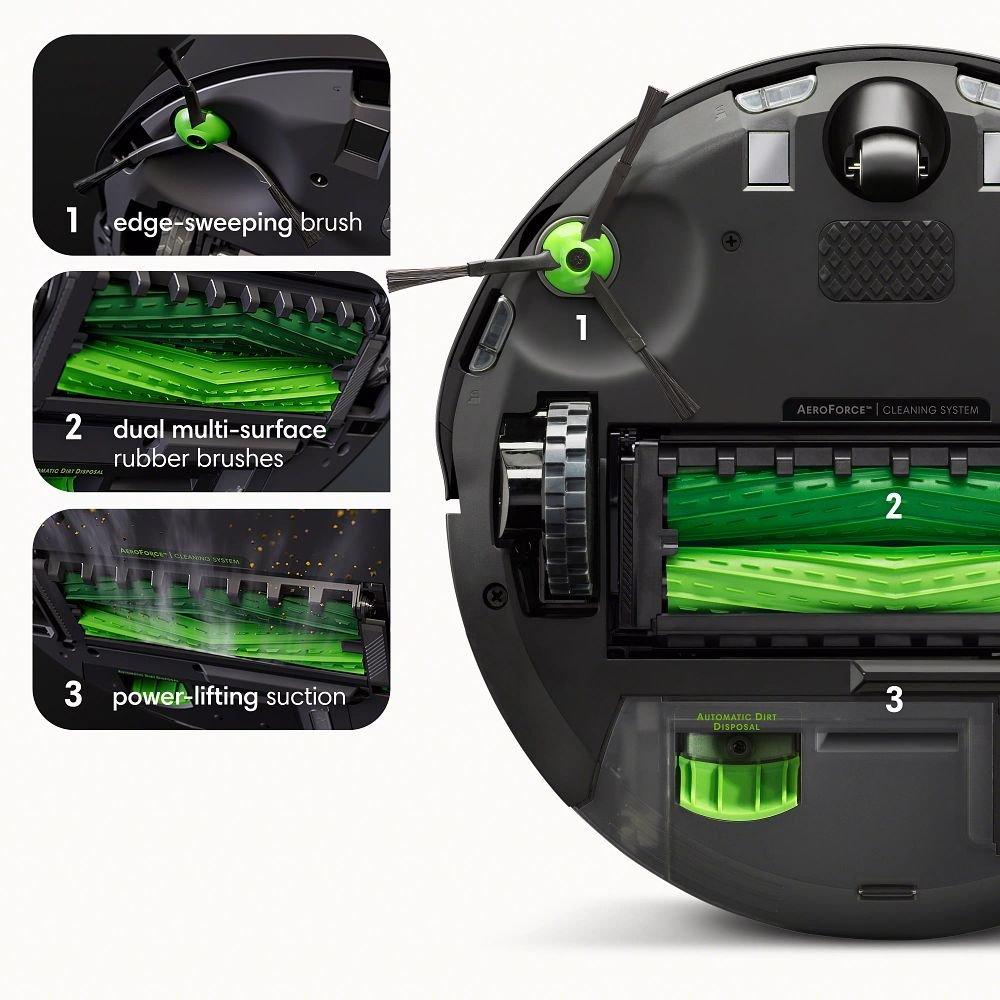
The robot vacuum travels around your home, collecting dust, hair, and small debris. Its onboard dustbin is usually quite small (often between 0.3 to 0.6 liters) because of size limits. Most modern robot vacuums with auto-empty features use a simple flap or door on the dustbin, which opens only when docked.
Self-empty Base
The self-empty base is much larger than the robot vacuum. It serves as a charging station and a collection point for dirt. These bases hold a strong motor, a dust collection bag or bin (usually 2–4 liters), and an air pathway that connects to the robot’s dustbin.
Suction Motor
Inside the base, a powerful suction motor creates strong airflow. This is much stronger than the suction in the robot itself. The motor turns on when the robot docks, pulling the debris out of the robot’s bin and into the base’s bag or bin.
Dust Bag Or Large Bin
Collected debris is stored in a dust bag (often disposable) or a reusable bin. Bags are popular because they seal in dirt, reducing allergens. Some brands offer bagless bins you empty yourself, but bags remain the most common.
Sensors And Software
Sensors in both the robot and the base help them line up correctly for dirt removal. Software tells the robot when to return to the base, and helps the base know when to turn on the suction motor. Some systems can even alert you through an app when the bag is full.
How The Automatic Emptying Process Works
Now, let’s walk through the step-by-step process:
- Cleaning Run: The robot vacuum travels your floors, sucking up dirt into its onboard dustbin.
- Docking: When cleaning is done (or the bin is full), the robot returns to its self-empty base.
- Alignment and Sealing: Sensors make sure the robot and base line up. A rubber gasket or flap seals the connection.
- Suction Activation: The base’s motor turns on, creating a strong vacuum effect.
- Debris Transfer: Dust and debris are sucked out of the robot and into the base’s larger bag or bin. This usually takes 10–30 seconds.
- Charging and Ready: The robot’s battery begins charging. The robot is now empty and ready for the next cleaning cycle.
Here’s a simple comparison of the traditional robot vacuum process vs. the automatic dirt disposal process:
| Feature | Traditional Robot Vacuum | Automatic Dirt Disposal System |
|---|---|---|
| Dustbin Size | 0.3–0.6 liters | 2–4 liters (in base) |
| Emptying Frequency | After every run | Every few weeks |
| User Effort | High | Low |
| Allergen Exposure | More likely | Much less (sealed bag) |
The Technology Behind The System
Many people think automatic dirt disposal is just a “bigger vacuum,” but there’s more to it. These systems use clever engineering to make sure dirt moves smoothly from the robot to the base.
Airflow Path
When the robot docks, a sealed pathway connects the robot’s dustbin to the base. The base’s suction motor creates a powerful airflow. This airflow lifts the dirt up and into the bag or bin, much like a central vacuum system in homes.
Flap Or Trapdoor Mechanism
Most robot dustbins have a spring-loaded trapdoor. This door only opens when the base’s suction is active, so dirt stays inside while cleaning. When suction starts, the door opens, and dirt is pulled out.
Smart Sensors
Some systems use optical or pressure sensors to confirm the bin is empty. Others can detect blockages and send alerts to your phone. The robot and base often communicate over radio signals, Wi-Fi, or Bluetooth for smooth operation.
Noise Control
One thing users notice is that the base is much louder during emptying than the robot is during cleaning. Some high-end models add noise insulation or slower motor ramp-up to make the process less jarring.
Benefits Of Automatic Dirt Disposal Systems
Why are these systems so popular? Here are the main advantages:
- Less frequent emptying: Instead of emptying daily, you may only need to empty the base every 30–60 days.
- Reduced allergen exposure: Sealed bags trap dust, pollen, and pet hair, helping allergy sufferers.
- Truly hands-free cleaning: You can “set and forget” your robot vacuum for weeks at a time.
- Consistent cleaning: A full robot bin can hurt cleaning performance. Auto-emptying ensures your robot is always ready to clean at full power.
Common Problems And How They’re Solved
Even advanced systems have challenges. Here are some common issues and how modern designs address them:
Clogs
If large debris (like socks or string) gets stuck, the airflow can be blocked. Newer systems use sensors to detect clogs, stop the process, and alert you.
Dust Escaping
Earlier models sometimes leaked dust when emptying. Now, most self-empty bases use HEPA filters and tightly-sealing bags to trap almost all fine particles.
Noise Levels
The emptying process is noisy—sometimes over 80 decibels. Some premium bases have sound-dampening foam or schedule emptying for times when you’re away.
How Automatic Dirt Disposal Systems Compare
Not all auto-empty systems are the same. Here’s a look at how different brands and models compare:
| Brand | Dust Bag Capacity | Filter Type | Bagless Option | Full Bag Alerts |
|---|---|---|---|---|
| iRobot Roomba | 2.5 liters | HEPA | No | Yes (app) |
| Roborock | 2.5–3 liters | HEPA | Yes (some models) | Yes (app) |
| Ecovacs | 2.5 liters | HEPA | No | Yes (app and LED) |
| Shark | 2.2 liters | HEPA | No | No (manual check) |
Non-obvious insight: Some bagless bases need regular cleaning, which can be messier than simply replacing a sealed bag. Also, bag types differ—generic bags may not fit as well or seal as tightly as the original.
Maintenance And Longevity
While automatic dirt disposal systems make cleaning easier, they do require some attention:
- Replace bags: Usually every 1–2 months, depending on how dirty your home is.
- Clean filters: Most bases have HEPA or fine particle filters. These should be cleaned or replaced every few months.
- Check for blockages: Rare, but important if the system isn’t emptying properly.
- Wipe sensors and charging contacts: To ensure reliable docking and charging.
Tip: Buy extra bags and filters when you get your robot. This avoids running out at an inconvenient time.

Who Should Consider These Systems?
Automatic dirt disposal systems are great for:
- Busy families who want to spend less time on chores.
- Pet owners dealing with lots of hair and dander.
- People with allergies who want to limit dust exposure.
- Anyone wanting the most hands-off cleaning experience.
However, if you have a very small apartment or rarely use your robot, the extra cost may not be worth it.
Environmental Impact
A common question is whether these systems are eco-friendly. Disposable bags add some waste, but many brands use recyclable or biodegradable bags. Bagless bases create less waste but can release more dust when emptied. If you’re eco-conscious, look for models that balance convenience with sustainability.
The Future Of Automatic Dirt Disposal
Technology keeps improving. Some new systems can even:
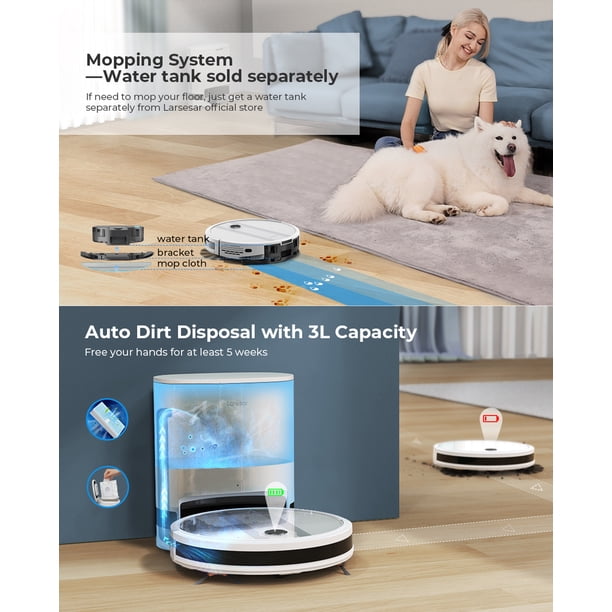
- Wash the robot’s mop pad (for hybrid robot-mop models)
- Separate dust from larger debris for easier recycling
- Use AI to predict when you’ll need to replace the bag or clean the base
As prices drop, automatic dirt disposal will likely become a standard feature.
For more in-depth technical details, you can visit the Wikipedia page on robotic vacuum cleaners.
Frequently Asked Questions
How Often Do I Need To Empty The Self-empty Base?
Most users empty the base every 30 to 60 days, depending on how much dirt and pet hair is in their home. Homes with many pets or heavy foot traffic may fill the bag faster.
Are Automatic Dirt Disposal Systems Safe For People With Allergies?
Yes, especially models with HEPA-sealed bags. These trap fine dust, pollen, and dander, so you’re less exposed when emptying. Always make sure to use the recommended bags and replace them as needed.
Can I Use Generic Dust Bags With My Auto-empty Base?
It’s possible, but not always recommended. Generic bags may not fit perfectly or seal as tightly, which can allow dust to escape. For best results, use bags made for your model.
Do These Systems Work On All Robot Vacuums?
No, only robots designed for auto-empty bases will work. The robot needs a special dustbin and software to connect with the base. Some brands offer upgrade kits, but check compatibility before buying.
Are Automatic Dirt Disposal Systems Noisy?
The emptying process is much louder than normal vacuuming—sometimes as loud as a hairdryer. Luckily, it only lasts 10–30 seconds. Some high-end bases are quieter, but noise is still noticeable.
Automatic dirt disposal systems make robot vacuums much more convenient and hands-free. By understanding how they work, you can decide if they fit your cleaning needs and lifestyle. As the technology improves, these systems are likely to become even smarter, quieter, and easier to use.

