

Most people want a clean home, but not everyone has time for daily vacuuming. Robot vacuums promise easy cleaning, even while you sleep. But if you plan to run your robot vacuum at night, or if parts of your home are dark, you might wonder: Can robot vacuums work in the dark? The answer depends on the type of robot, its sensors, and how it navigates. Let’s look at how robot vacuums see, which models work best in low light, and what you need to know before running one in the dark.
How Robot Vacuums Navigate
Robot vacuums use different technologies to move around a room and avoid obstacles. Some rely on simple bump sensors. Others use advanced cameras or lasers to map your home. Here’s a breakdown of the main navigation types:
1. Bump And Infrared Sensors
Basic robot vacuums use bump sensors and sometimes infrared sensors. Bump sensors tell the vacuum when it hits an object. Infrared sensors can detect nearby obstacles. These robots move in random patterns, changing direction when they bump into something. Light is not important for these sensors, so they work fine in the dark.
2. Camera-based Visual Navigation
Some robot vacuums, like the iRobot Roomba i7+, use cameras to see their surroundings. These cameras build a map of your home by capturing images of walls, furniture, and doorways. Visual navigation needs light to work. In complete darkness, these robots can get lost or stuck because their cameras can’t see anything.
3. Lidar (laser) Navigation
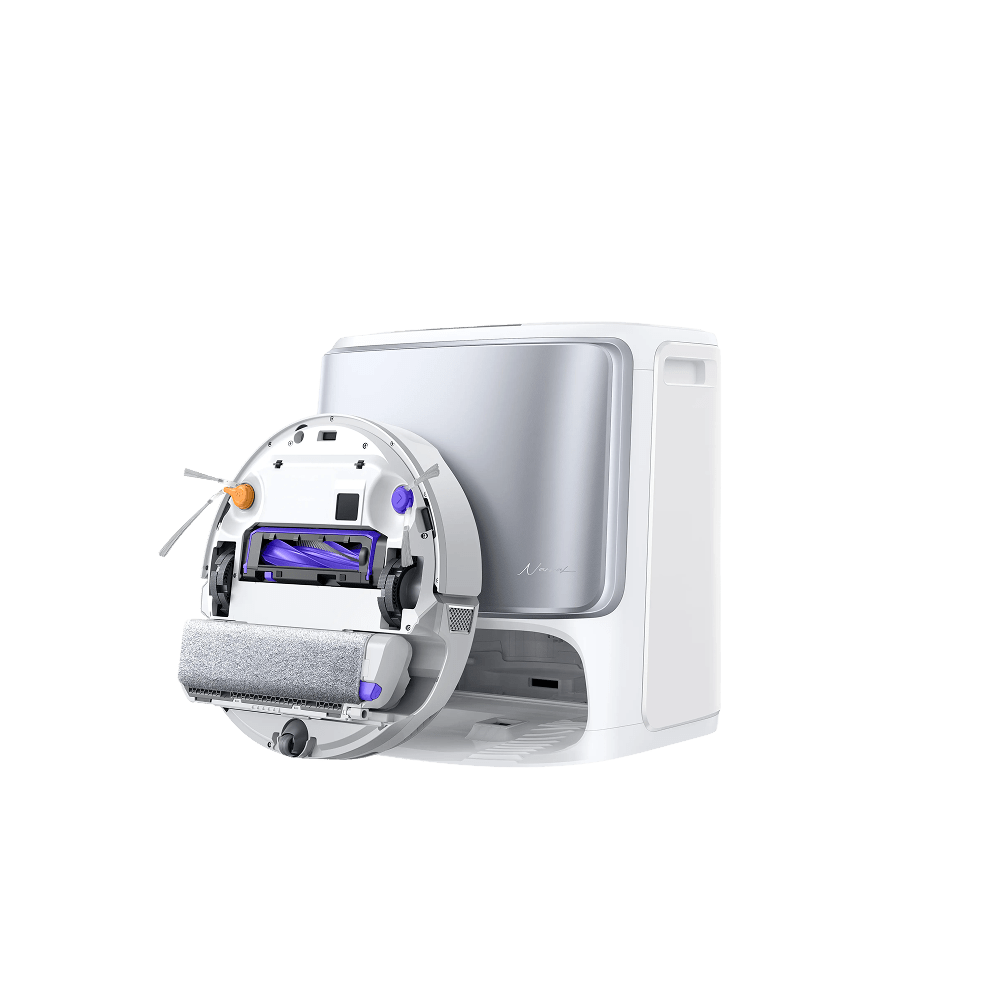
High-end models often use lidar (Light Detection and Ranging). Lidar sends out laser beams and measures how long they take to bounce back. This creates a detailed map of the room. Because lasers don’t need visible light, lidar-based robots can navigate just as well in the dark as in daylight.
4. Hybrid Systems
Some newer robots use a mix of cameras, lasers, and other sensors. These usually handle low light better than camera-only models, but performance depends on how much they rely on each sensor.
Which Robot Vacuums Can Clean In The Dark?
Not all robot vacuums are equal when it comes to working in the dark. Here’s a quick look at how different types perform:
| Type | Works in the Dark? | Example Models |
|---|---|---|
| Bump/Infrared | Yes | Eufy RoboVac 11S, iRobot Roomba 614 |
| Camera-Based | No (needs light) | Roomba i7+, Roborock S6 Pure (camera mode) |
| Lidar-Based | Yes | Roborock S7, Neato D8 |
| Hybrid | Sometimes | Roborock S6 MaxV, Ecovacs Deebot T8 AIVI |
Key takeaway: If you want to vacuum at night or in dark rooms, choose a model that uses lidar or basic sensors, not just cameras.

Why Some Robot Vacuums Struggle In The Dark
Camera Limitations
Camera-based robots are like humans—they need light to see. If you run them in a dark room, they may:
- Miss obstacles
- Lose track of their position
- Fail to return to the charging dock
- Get stuck in corners
Some users try to solve this by turning on night lights. But even small lights may not provide enough detail for mapping.
Sensor Blind Spots
Even lidar and infrared sensors have limits. For example, black furniture or shiny floors can sometimes confuse the sensors, even in daylight. In darkness, these issues may be worse if the robot uses both cameras and sensors.
Cleaning Performance In The Dark
A robot’s ability to see affects not just navigation, but also cleaning efficiency. If it can’t map your home correctly, it may miss spots or clean the same area multiple times.
Real-world Testing: How Well Do They Work?
Manufacturers claim their robots work in any lighting. But what happens in real homes? Here’s a look at real-world results:
- Lidar-based vacuums like the Roborock S7 work nearly perfectly in total darkness. They navigate hallways and rooms with no problem, returning to their docks every time.
- Camera-based robots get confused in dark rooms. In a test with the Roomba i7+, the robot got lost, spinning in circles and missing half the room when the lights were off.
- Hybrid models vary. The Roborock S6 MaxV, for example, uses both lidar and a camera. It does fine in the dark but loses some advanced features, like object recognition, without light.
Here’s a summary of test results:
| Model | Navigation Tech | Performance in Darkness |
|---|---|---|
| Roborock S7 | Lidar | Excellent |
| Roomba i7+ | Camera | Poor |
| Eufy RoboVac 11S | Bump/Infrared | Good (but random pattern) |
| Roborock S6 MaxV | Lidar + Camera | Good (loses object detection in dark) |
Insight: Even with a lidar robot, you may notice cleaning quality drops if the vacuum relies partly on cameras for special features.
Smart Features That Need Light
Some robots offer advanced features like:
- Real-time video monitoring
- Object recognition (pet waste, socks)
- Room mapping with live updates
These features use cameras or image processing. In the dark, they either stop working or become less accurate. For example, a robot that can recognize and avoid pet waste may not detect it without enough light.
Tips For Using Robot Vacuums In The Dark
If you want your robot vacuum to clean at night or in dark areas, here are some practical tips:
- Choose the Right Model: Pick a lidar-based or basic bump-sensor robot for reliable cleaning in the dark.
- Set Boundaries: Use magnetic strips or virtual walls to keep the robot out of trouble, especially in areas with stairs or lots of clutter.
- Clear the Floor: Remove cables, shoes, and loose items. Even the best sensors may miss small obstacles in low light.
- Test Before Trusting: Run your robot in the dark while you’re home to see how it performs. Some models may surprise you—both good and bad!
- Keep the Dock Visible: Place the charging dock in an easy-to-find spot. If the robot can’t see the dock, it may not return after cleaning.
- Check for Updates: Some robots receive software updates that improve navigation. Make sure your device is up to date.
Pros And Cons Of Night Cleaning
Cleaning at night or in darkness has clear benefits—but also a few drawbacks.
Benefits
- Less disruption: The robot runs when you’re not using the space.
- Cooler rooms: Some vacuums perform better when floors are cool, as they pick up more dust.
- Energy savings: If you use off-peak electricity rates, you can save money.
Drawbacks
- Potential noise: Even the quietest robot vacuums can wake light sleepers.
- Missed spots: Camera-based models may miss areas.
- Navigation errors: In rare cases, robots get stuck or lost in total darkness.
Are There Any Dangers?
Most robot vacuums are safe, but using them in the dark does bring small risks:
- Tripping hazards: If the robot gets stuck, you might trip over it in the dark.
- Pet accidents: If your pet has an accident at night, some robots may not detect it, leading to a mess.
- Stairs and drops: Always block stairways. Some sensors may not work as well without light, although most lidar robots handle this safely.
How To Know If Your Robot Vacuum Needs Light
Check your robot’s specs or user manual for its navigation system. If it mentions:
- “Visual navigation”
- “Camera mapping”
- “VSLAM” (Visual Simultaneous Localization and Mapping)
…it probably needs light. If it says:
- “Laser navigation”
- “Lidar”
- “Infrared sensors”
…it likely works fine in the dark.
You can also look up your model online. For trusted reviews and explanations, the Wikipedia page on robotic vacuum cleaners is a good starting point.
Choosing The Best Robot Vacuum For Dark Rooms
If you want reliable cleaning at night or in dark spaces, look for these features:
- Lidar navigation (not just cameras)
- Strong obstacle detection
- Good battery life (since it may take longer to clean in low light)
- Simple controls for scheduling night runs
Some recommended models for dark cleaning:
- Roborock S7: Excellent lidar navigation, strong cleaning.
- Neato D8: Wide brush, smart lidar.
- Eufy RoboVac 11S: No mapping, but works in the dark due to bump sensors (best for small spaces).
Compare models before buying:
| Model | Navigation Type | Night Cleaning Ability | Price Range |
|---|---|---|---|
| Roborock S7 | Lidar | Excellent | $500-$700 |
| Neato D8 | Lidar | Very Good | $400-$600 |
| Eufy RoboVac 11S | Bump/Infrared | Good | $150-$250 |
Pro tip: If you want the best of both worlds, look for a hybrid robot that lets you turn off camera features at night.

Non-obvious Insights For Better Night Cleaning
- Floor patterns and color matter: Highly patterned or black floors can confuse some sensors, especially in low light. Test your robot on these surfaces before relying on it at night.
- Pets can affect results: Pet hair and small toys may not be detected in the dark, leading to clogs or messes. Regularly check and tidy up before running your robot at night.
- Firmware matters: Updates from the manufacturer can fix night navigation problems. Many users ignore updates but they can make a big difference.
Frequently Asked Questions
Can All Robot Vacuums Clean In Total Darkness?
No, only robots with lidar or basic bump sensors work well in total darkness. Camera-based robots need some light to navigate and may get lost or stuck.
Will Running My Robot Vacuum At Night Damage It?
Not usually. Robot vacuums are designed to run at any time. However, more obstacles or messes at night (like dropped socks or pet waste) can cause problems if the robot cannot see them.
Do Robot Vacuums Miss More Spots In The Dark?
If the vacuum uses only sensors or lidar, it should clean as well as in daylight. Camera-based models may miss spots or repeat areas because they lose their map in the dark.
Can I Leave A Small Light On To Help My Robot Vacuum?
Yes, a small lamp or night light can help camera-based robots. However, the light must be strong enough for the camera to see details of the room.
Are There Any Robots Made Just For Cleaning In The Dark?
Most lidar-based models are designed to work in any light, but there are no major brands that market a vacuum only for darkness. Instead, look for models with strong lidar or sensor navigation.
Running your robot vacuum in the dark is possible—if you choose the right model and prepare your space. With a lidar-based robot, you can enjoy clean floors every morning, without worrying about light levels or missed spots. For best results, check your robot’s navigation system and test it at night before making night cleaning a regular habit. Clean floors and a quiet home can go hand in hand, even after the sun goes down.

