

Allergy sufferers know how difficult it is to keep dust, pollen, pet dander, and other triggers under control. Even a small amount of these allergens can make daily life uncomfortable. Choosing the right vacuum is one of the most important steps you can take to reduce allergens in your home.
Not every vacuum is equal—some may even make allergies worse by releasing tiny particles back into the air. This guide will help you understand which vacuum is best for allergy sufferers, and how to make a smart choice that protects your health.
Why Allergies Require Special Vacuums
Most vacuums clean visible dust and dirt, but for allergy sufferers, the real concern is microscopic particles. These include dust mites, pet dander, pollen, and mold spores. If a vacuum doesn’t trap them, it can blow them back into the air, making allergies worse.
Many standard vacuums use basic filters that can only catch large particles. For allergy relief, you need a vacuum with advanced filtration. HEPA filters are the gold standard. They capture 99.97% of particles down to 0.3 microns—much smaller than what you can see. This is why HEPA filters are recommended for allergy sufferers.
Important Features For Allergy-friendly Vacuums
A good vacuum for allergies does more than just suction dirt. Here are the features that matter most:
- HEPA filtration: Traps nearly all microscopic allergens.
- Sealed system: Prevents leaks, so all air passes through the filter.
- Bagged design: Keeps dust contained during disposal.
- Strong suction: Removes deep dust from carpets and floors.
- Easy-to-clean tools: Brushes and attachments should not spread dust.
- Low emissions: The vacuum should not release dust clouds when running.
These features help make your home safer for those with allergies.
:max_bytes(150000):strip_icc()/spr-detail-bissell-multliclean-allergen-pet-rewind-upright-vacuum-ebrockob-003-8-1-20100be9a9714f66a0d5f288d0091bdb.jpeg)
Types Of Vacuums For Allergy Sufferers
Different vacuums offer unique benefits. Let’s look at the main types and how they perform for allergy relief.
Upright Vacuums
Uprights are popular for their strong suction and deep carpet cleaning. Many models now have sealed systems and HEPA filters. They’re easy to use, but can be heavy. Uprights with bags are usually better for allergies because they trap dust during disposal.
Canister Vacuums
Canisters are more flexible, with hoses and tools for cleaning stairs, furniture, and hard-to-reach spots. They often have better filtration and are quieter. Bagged canisters with HEPA filters are highly recommended for allergy sufferers.
Stick Vacuums
Stick vacuums are lightweight and convenient. They work well for quick cleanups, but most don’t have strong filtration. Some high-end models now include HEPA filters, but check carefully before buying.
Robot Vacuums
Robot vacuums are handy for daily maintenance. While many are easy to use, their filtration varies. Some offer HEPA or advanced filters, but most are not as powerful as uprights or canisters.
Handheld Vacuums
Handhelds are great for cleaning small areas, cars, or furniture. However, they rarely have HEPA filtration. For allergy control, use them only for spot cleaning.
Comparing Top Allergy-friendly Vacuum Brands
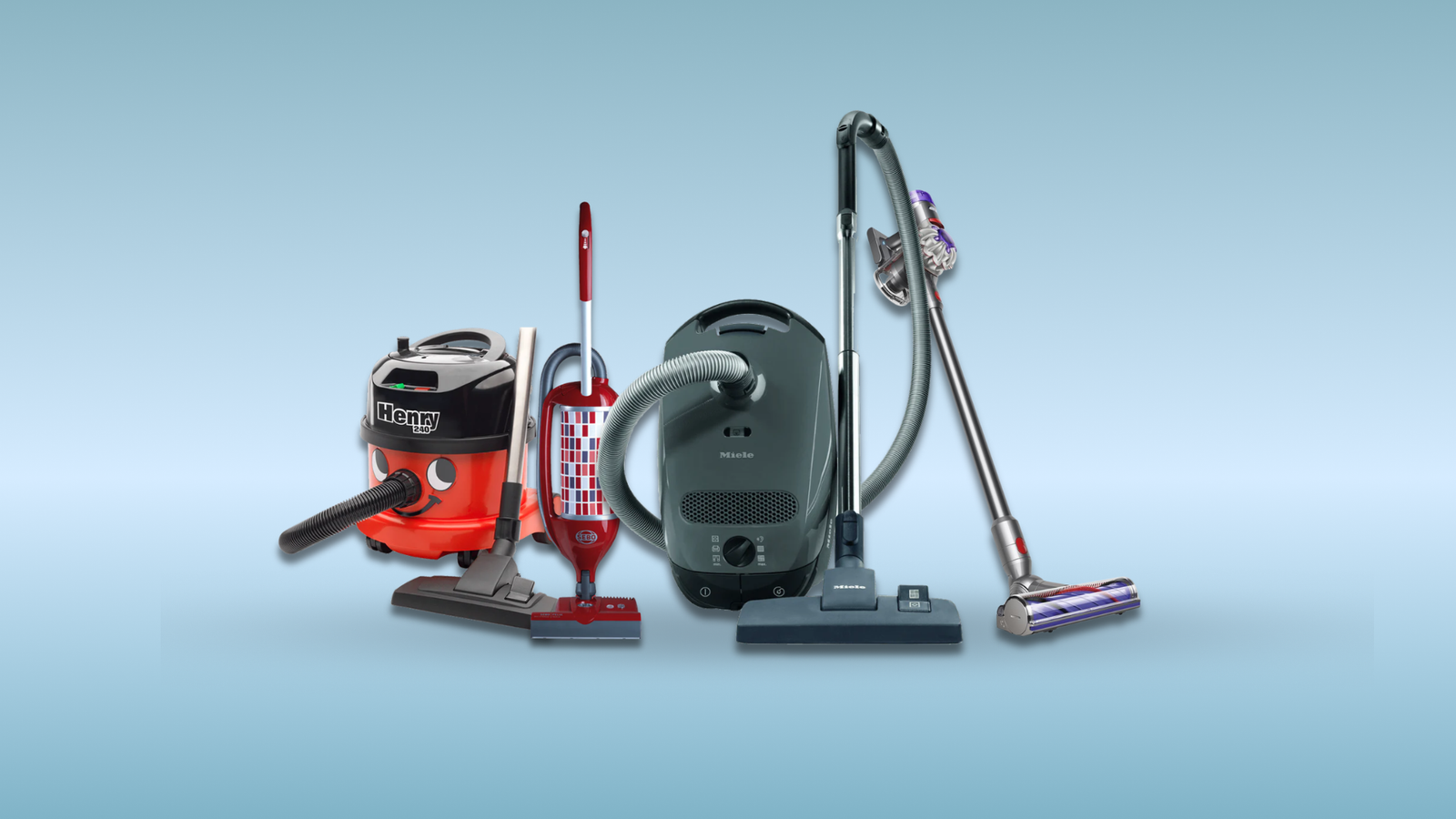
The market offers several brands known for allergy relief. Here’s a comparison of the best options:
| Brand | Filtration | Bagged/Bagless | Special Features |
|---|---|---|---|
| Dyson | HEPA | Bagless | Strong suction, washable filters |
| Miele | HEPA | Bagged | Sealed system, quiet operation |
| Shark | HEPA | Bagless | Anti-Allergen Complete Seal |
| Kenmore | HEPA | Bagged | Pet tools, powerful suction |
| Hoover | HEPA | Bagged/Bagless | Affordable, good attachments |
Miele and Kenmore are top choices for allergy sufferers due to their sealed, bagged designs. Dyson and Shark are strong performers with HEPA filters, but are bagless, which can allow dust to escape during emptying.
Bagged Vs Bagless: Which Is Better For Allergies?
One of the biggest decisions is whether to choose a bagged or bagless vacuum. Here’s a quick look at the pros and cons:
| Feature | Bagged | Bagless |
|---|---|---|
| Dust containment | Excellent | Moderate |
| Filter replacement | Easy | May require frequent cleaning |
| Cost | Bags add expense | No bags needed |
| Emptying process | Clean and simple | Can release dust |
| Allergy risk | Lower | Higher |
Bagged vacuums are usually safer for allergy sufferers. The bag traps dust and allergens, so you don’t breathe them in when emptying. Bagless vacuums are convenient and cheaper over time, but can release particles during cleaning.
Hepa Filters: The Key To Allergy Relief
HEPA stands for High Efficiency Particulate Air. These filters are tested to capture tiny particles, including dust, pollen, and pet dander. Only vacuums with certified HEPA filters provide true allergy protection.
Not all filters labeled “HEPA” are the same. Look for vacuums that meet EPA standards for HEPA filtration. Real HEPA filters are sealed inside the vacuum, so air doesn’t leak around them.
Some vacuums use “HEPA-like” or “HEPA-style” filters. These are not always effective for allergies. Always check for genuine HEPA certification.
Sealed Systems: Why They Matter
A vacuum’s sealed system means all air flows through the filter before being released. Without a sealed system, air can escape through cracks, carrying allergens back into your room. Even with a HEPA filter, leaks make the vacuum less effective.
Many top brands—like Miele and Shark—promote their sealed systems for allergy relief. This is especially important if you have severe allergies or asthma.
Tools And Attachments For Allergy Control
A vacuum’s cleaning tools help remove allergens from more than just floors. Here are the most useful attachments:
- Upholstery tool: Cleans couches, chairs, and mattresses.
- Crevice tool: Gets dust from corners and tight spaces.
- Dusting brush: Removes allergens from shelves and surfaces.
- Pet hair tool: Picks up dander from carpets and furniture.
Choose vacuums with washable or easily replaceable tools. Dirty brushes can spread dust if not cleaned regularly.
Vacuum Maintenance For Allergy Sufferers
A vacuum is only as good as its maintenance. To protect against allergies, follow these tips:
- Change filters regularly: HEPA filters should be replaced every 6–12 months, or as recommended.
- Replace bags before full: Don’t let bags overfill. Change them when they’re about 75% full.
- Clean tools and attachments: Wash brushes and hoses monthly.
- Wipe vacuum body: Dust can settle on the outside. Use a damp cloth to clean.
- Check for leaks: Inspect seals and gaskets for cracks.
Poor maintenance is a common mistake. Even the best vacuum can spread allergens if not cared for properly.
Real-world Performance: Test Results And Reviews
Lab tests show that vacuums with HEPA filters and sealed systems can reduce airborne allergens by up to 50%. For example, a study from the American Academy of Allergy, Asthma & Immunology found that homes using HEPA vacuums had significantly lower dust mite levels.
User reviews also confirm that bagged, sealed vacuums perform best. People with allergies notice fewer symptoms and less sneezing after switching. However, some buyers report that bagless models can worsen allergies if emptied indoors.
Common Mistakes When Choosing A Vacuum For Allergies
Even experienced buyers can make mistakes. Here are some pitfalls to avoid:
- Ignoring filtration claims: Not all “HEPA” vacuums are equal.
- Choosing bagless without understanding risks: Bagless models are popular, but they can release dust.
- Not checking for a sealed system: Filtration is useless if air leaks.
- Forgetting about maintenance: Filters and bags must be changed.
- Buying based on price only: Cheap vacuums may lack features for allergy control.
Do your research and prioritize allergy-friendly features over convenience or cost.
Best Practices For Using Your Allergy Vacuum
To get the most allergy relief, follow these strategies:
- Vacuum regularly: At least twice a week, more during allergy season.
- Use slow passes: Quick cleaning misses deep dust.
- Start with bedrooms: Allergens collect where you spend most time.
- Ventilate after vacuuming: Open windows for fresh air if possible.
- Store vacuum in a clean area: Avoid garages or dusty closets.
These steps help prevent allergens from spreading and keep your home safer.
Sample Allergy Vacuum Cleaning Schedule
Here’s a simple routine for allergy sufferers:
| Day | Task |
|---|---|
| Monday | Vacuum bedrooms and living room |
| Wednesday | Vacuum kitchen and hallways |
| Friday | Vacuum furniture and change vacuum bag |
| Sunday | Clean tools and check filter |
Following a schedule makes it easier to control allergens and maintain your vacuum.
Expert Recommendations
Allergy experts agree: Miele bagged canister vacuums with sealed HEPA systems are the top choice. Dyson and Shark are good alternatives for those who prefer bagless models, but be careful when emptying them.
If you have severe allergies, stick to vacuums with genuine HEPA filters and sealed systems. For mild allergies, any vacuum with advanced filtration may help.
For deeper research, visit the EPA’s official HEPA filter page.

Frequently Asked Questions
What Is A Hepa Filter And Why Is It Important For Allergies?
A HEPA filter is a special filter that captures tiny particles like dust, pollen, and pet dander. It traps 99.97% of particles down to 0.3 microns. This prevents allergens from escaping back into the air, making it ideal for allergy sufferers.
Is A Bagged Vacuum Better Than A Bagless One For Allergies?
Yes, bagged vacuums are usually better. They keep dust and allergens contained, so you don’t breathe them in when emptying. Bagless vacuums can release dust clouds, which may trigger allergies.
How Often Should I Change The Hepa Filter In My Vacuum?
Change the HEPA filter every 6–12 months, or as the manufacturer recommends. If you have pets or severe allergies, change it more often. A dirty filter won’t trap allergens well.
Can Robot Vacuums Help With Allergies?
Robot vacuums can help reduce allergens, but their filtration is often weaker. Look for models with certified HEPA filters and empty them outdoors. They’re best as a supplement to regular vacuuming.
What Are The Signs That My Vacuum Isn’t Helping My Allergies?
If you notice sneezing, coughing, or itchy eyes after vacuuming, your machine may be releasing allergens. Check for leaks, change filters and bags, and consider upgrading to a vacuum with a sealed HEPA system.
Finding the right vacuum for allergies is about more than just picking a brand. It’s about understanding the features that make a difference, maintaining your vacuum well, and using it correctly. With the right machine and habits, you can breathe easier and enjoy a cleaner, healthier home.

