

If you own a Miele Classic C1 vacuum, you know it’s famous for powerful suction and reliability. But sometimes, even the best machines lose performance. If your Miele Classic C1 is losing suction, it’s frustrating — your floors stay dirty, and you wonder if the vacuum is broken. The good news: most suction problems are easy to fix with the right steps. In this guide, you’ll discover why your Miele Classic C1 loses suction, how to diagnose the issue, and how to restore its cleaning power. You’ll also learn some non-obvious tips that many beginners overlook, saving you time and money.
Common Reasons For Suction Loss In Miele Classic C1
Suction loss in vacuums is usually caused by airflow problems. With the Classic C1, several factors can play a role. Here are the most frequent causes:
- Full Dust Bag: When the bag is too full, air can’t pass through. Suction drops sharply.
- Clogged Filters: Miele uses two main filters: the motor protection filter and the exhaust filter. Dirt builds up and blocks airflow.
- Blocked Hose or Wand: Objects, hair, or dust can clog the hose or wand, stopping air from moving freely.
- Dirty Floorhead: The rotating brush or air pathway in the floorhead may be blocked by debris.
- Leaks or Cracks: Holes in the hose, wand, or vacuum body cause air leaks.
- Incorrect Suction Setting: The Classic C1 has adjustable settings. Using a low setting reduces suction.
- Motor Problems: Rare, but a weak or damaged motor lowers suction.
Let’s look at each issue in detail and how to fix them.
Diagnosing Suction Problems
Before you repair anything, you need to find the exact cause. Follow these steps to diagnose why your Miele Classic C1 is losing suction:
- Check the Dust Bag: Open the vacuum and look at the bag. Is it more than half full? If yes, change it.
- Inspect Filters: Remove both filters. Are they dark, dusty, or clogged? Replace or clean them.
- Test the Hose and Wand: Disconnect them. Try to look through — can you see light? If not, there’s a blockage.
- Examine the Floorhead: Turn it over. Is hair or debris wrapped around the brush? Clean it.
- Listen for Air Leaks: Run the vacuum and listen. If you hear hissing or whistling, check for cracks or loose connections.
- Review Settings: Make sure the suction dial is set to maximum.
- Test Motor Strength: If everything else is clear and suction is still low, the motor may be weak.
Many owners skip steps 3 and 5, which often reveal hidden blockages or leaks that are easy to fix.

How To Fix Each Suction Issue
1. Changing The Dust Bag
A full dust bag is the most common reason for suction loss. Miele recommends changing the bag when it’s about 75% full. Waiting too long risks clogging the bag and filters.
- Open the vacuum cover.
- Remove the old bag by pulling the tab.
- Insert a new Miele GN bag (don’t use cheap knockoffs).
- Close the cover securely.
Replacing the bag takes less than a minute and immediately restores airflow.
2. Cleaning Or Replacing Filters
Miele Classic C1 uses two filters:
- Motor Protection Filter: Located behind the dust bag. Replace every 4 dust bag changes.
- Exhaust Filter: At the rear. Replace after each box of dust bags or every year.
To clean a filter:
- Remove the filter.
- Tap gently to remove dust (do not wash).
- If heavily clogged, replace with a genuine Miele filter.
Tip: Many users forget the motor filter, which can quietly block airflow.
3. Clearing Hose And Wand Blockages
If suction is strong at the vacuum but weak at the hose, there’s likely a blockage.
Steps:
- Detach the hose and wand.
- Push a broom handle or flexible rod through to clear blockages.
- For stubborn clogs, use compressed air.
- Reconnect and test suction.
Avoid using water; moisture can damage the vacuum.
4. Cleaning The Floorhead
Hair, thread, or large debris can jam the floorhead.
- Turn over the floorhead.
- Remove hair or debris from the brush roll.
- Check the air channel for blockages.
- Reattach and test.
Non-obvious tip: The floorhead often traps small objects like LEGO pieces or coins, which block suction but are hard to see.
5. Fixing Leaks Or Cracks
Leaks can develop in the hose, wand, or joints.
- Inspect for visible cracks or splits.
- For small hose holes, use strong tape as a temporary fix.
- For large cracks, replace the part.
- Make sure all connections are tight.
Many beginners overlook tiny hose leaks, which reduce suction even if everything else is clean.
6. Adjusting Suction Settings
The Classic C1 has a dial for suction power. Make sure it’s set to maximum for carpets or deep cleaning.
- If cleaning delicate fabrics, you may use lower settings, but expect reduced suction.
7. Motor Issues
If suction is weak despite everything else, the motor may be damaged. Signs include unusual noise, burning smell, or weak airflow.
- Contact Miele support or a certified repair center.
- Repair costs vary but are often less than buying a new vacuum.
Motor problems are rare if you maintain the vacuum regularly.
Comparing Suction Performance: Classic C1 Vs. Other Models
How does the Classic C1’s suction compare to other Miele models? Here’s a simple overview:
| Model | Max Suction Power (Watts) | Average Suction at Hose (Air Watts) | Filter Type |
|---|---|---|---|
| Classic C1 | 1200 | 230 | AirClean |
| Compact C2 | 1200 | 250 | HEPA |
| Complete C3 | 1200 | 270 | HEPA |
The Classic C1 offers strong suction but relies heavily on a clear airflow path. If any part is blocked, its performance drops more quickly than models with advanced filters.
How Often Should You Maintain Your Miele Classic C1?
Regular maintenance keeps suction strong and extends vacuum life. Here’s a maintenance schedule:
| Task | Frequency | Notes |
|---|---|---|
| Change Dust Bag | When 75% full | Don’t wait for max fill |
| Replace Motor Filter | Every 4 dust bags | Essential for airflow |
| Replace Exhaust Filter | Every year | Or after each box of bags |
| Clean Hose/Wand | Every 3 months | More often if pets |
| Clean Floorhead | Monthly | Prevents brush jams |
Most users forget to replace filters, which slowly reduces suction even if the bag is new.
Non-obvious Insights: What Most Users Miss
- Tiny leaks are big problems: Even a small hose puncture can cause a large drop in suction. Always check for leaks if you notice whistling sounds or if the hose feels weak.
- Cheap replacement bags and filters reduce performance: Non-genuine bags and filters often fit poorly and block airflow, making suction worse. Use original Miele parts for best results.
- Floorhead debris is a hidden culprit: Many owners clean the hose but forget the floorhead, where hair and threads quietly build up.
- Suction dial can be accidentally moved: The dial is easy to bump while cleaning. Double-check it before troubleshooting further.

When Should You Call For Professional Repair?
Some problems need expert help:
- The vacuum motor is noisy, smells bad, or doesn’t start.
- Hose or wand is damaged beyond repair.
- Internal wires or electronics are exposed.
If your Classic C1 is under warranty, contact Miele directly. Repairs outside warranty can cost $100–$300, depending on parts and labor.
Preventing Suction Loss: Pro Tips
- Change the dust bag before it’s completely full.
- Clean filters regularly, not just when you see dirt.
- Check for leaks after every big cleaning job.
- Avoid vacuuming large objects (coins, small toys) that can block the hose or floorhead.
- Store the vacuum in a dry place to prevent hose cracks.
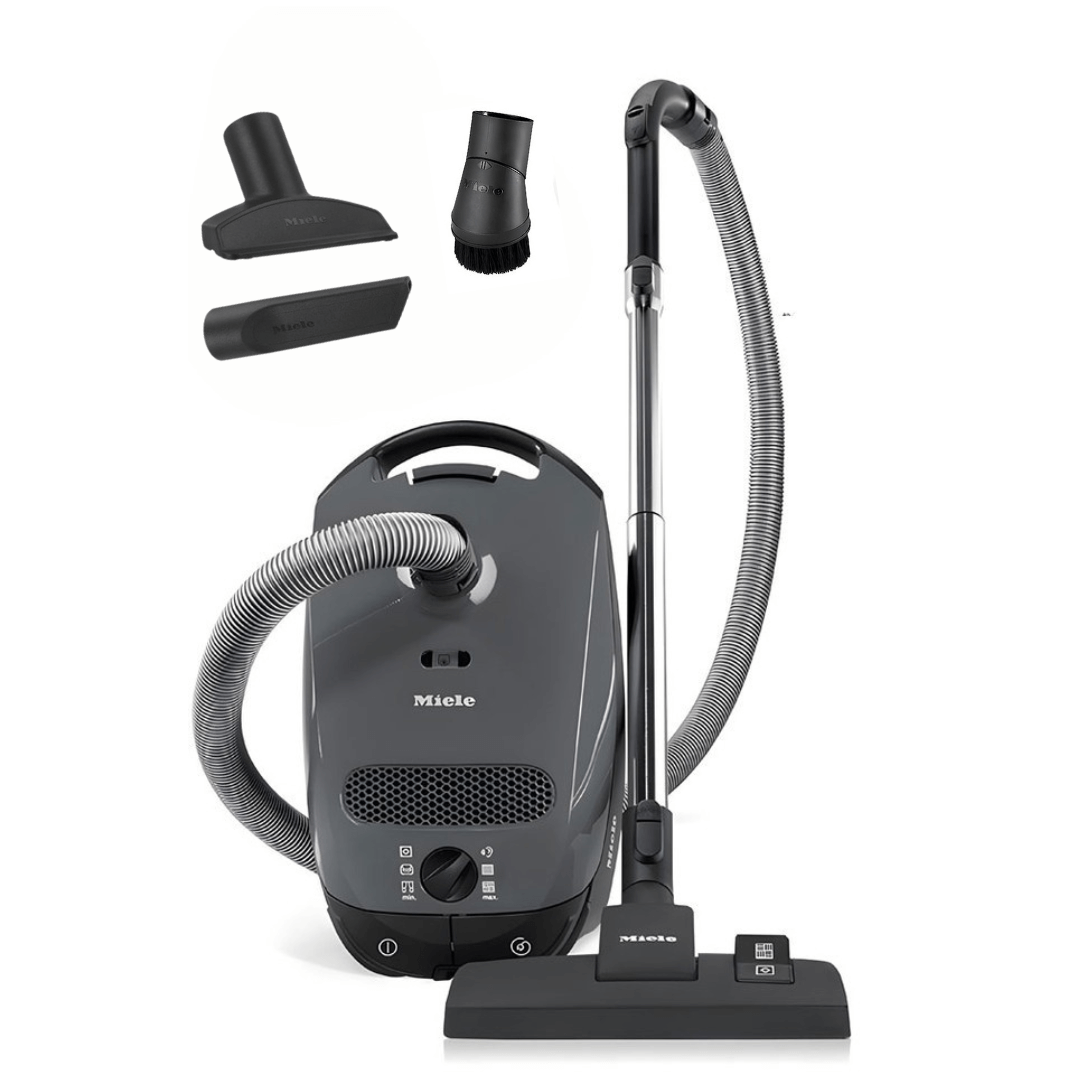
Miele Classic C1 Vs. Bagless Vacuums: Suction Reliability
Bagless vacuums promise never to buy bags, but their filters clog faster. Here’s a comparison:
| Feature | Miele Classic C1 | Bagless Vacuum |
|---|---|---|
| Suction Consistency | High (with maintenance) | Medium (filters clog quickly) |
| Ease of Maintenance | Easy (change bag/filter) | Frequent filter cleaning required |
| Cost Over Time | Bag replacements | Filter replacements |
| Potential for Suction Loss | Low (if maintained) | High (if filter neglected) |
Classic C1 vacuums keep suction strong if you change bags and filters. Bagless models lose suction faster if you skip filter cleaning.
Frequently Asked Questions
Why Does My Miele Classic C1 Lose Suction Even With A New Bag?
If suction is still weak with a new bag, check the filters, hose, and floorhead for blockages. Also, look for leaks in the hose or wand. Many times, the motor filter is clogged, or there’s hidden debris in the floorhead.
Can I Use Third-party Bags Or Filters In My Classic C1?
You can, but it’s risky. Non-Miele bags and filters often don’t fit well, block airflow, and lead to faster suction loss. For best results, use genuine Miele parts.
How Do I Check For Hose Blockages?
Detach the hose from both ends. Look through it to see light. If you can’t, push a long stick or rod through to clear any blockages. Sometimes, compressed air helps for stubborn clogs.
Is It Safe To Wash Miele Filters?
No, Miele filters should not be washed. Tap them gently to remove dust, but replace them when they’re heavily clogged. Washing can damage filter material and reduce effectiveness.
What Should I Do If My Classic C1 Has A Burning Smell?
Stop using the vacuum immediately. A burning smell often means motor issues or a severe blockage. Contact Miele support or a professional repair center. For official guidance, visit the Miele USA website.
Keeping your Miele Classic C1 in top shape isn’t difficult, but it does require regular attention to bags, filters, and blockages. With these steps, you’ll restore powerful suction and enjoy the clean floors that made you choose Miele in the first place.

