

Vacuum cleaners make cleaning easy. But to keep them working well, their filters need care. Many people forget to wash vacuum filters. This can lead to weak suction, dust escaping, and even damage to your machine. Knowing how often to wash vacuum filters can help your vacuum last longer and clean better. But the answer depends on your vacuum type, how much you use it, and what kind of dirt you pick up. Let’s look at the details so you can keep your home cleaner and your vacuum in top shape.
Why Vacuum Filter Cleaning Matters
Every vacuum has at least one filter. Its job is to catch dust, dirt, and tiny particles so they don’t go back into the air. If the filter gets clogged, the vacuum works harder and may not clean as well.
Dirty filters can cause:
- Reduced suction power
- Dust blowing back into the room
- Bad smells
- Motor overheating
A study by the American Lung Association found that indoor air can be up to five times more polluted than outside air, mainly from dust and allergens. A clean filter stops these particles from spreading.
Many new vacuums use HEPA filters. These can trap very small particles, even pollen and pet dander. But HEPA filters need regular washing, or they lose their power. If you have allergies, filter care is even more important.
Types Of Vacuum Filters
Not all filters are the same. Knowing your type helps you follow the right cleaning routine.
| Filter Type | Material | Washable? | Common Use |
|---|---|---|---|
| Foam | Soft sponge | Yes | Stick, canister, upright |
| HEPA | Dense fibers | Sometimes | High-end vacuums |
| Paper/Cartridge | Pleated paper | No | Shop vacs |
| Cloth | Fabric layers | Yes | Bagless models |
- Foam filters are easy to wash and dry.
- HEPA filters may be washable or not. Always check the label.
- Paper filters must be replaced, not washed.
- Cloth filters can be washed but should be checked for wear.
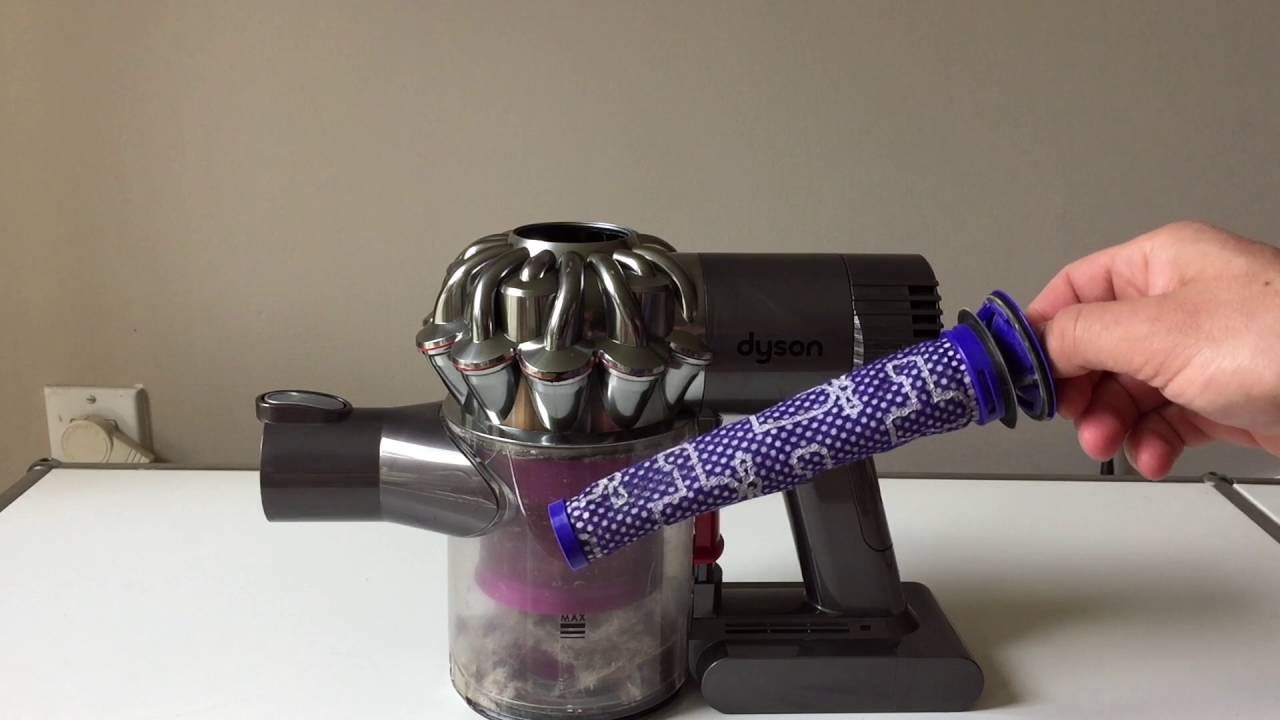
How Often Should You Wash Vacuum Filters?
There’s no one answer for every vacuum. But general rules help:
- Foam Filters: Wash every 1–2 months if you vacuum weekly. If you clean daily or have pets, wash monthly.
- Washable HEPA Filters: Clean every 2–3 months. If you have allergies or pets, wash every 1–2 months.
- Cloth Filters: Wash every 2–3 months, or if dirt builds up sooner.
- Paper Filters: Never wash; replace every 3–6 months.
- Bagged Vacuum Filters: Many are not washable. Replace as directed.
If your vacuum is used in a workshop or for heavy dirt, wash filters more often. If you notice weak suction or a dusty smell, check the filter even if it’s not time yet.
Here’s a quick comparison:
| Filter Type | Regular Use (Weekly) | Heavy Use (Daily/Pet) | Allergy Use |
|---|---|---|---|
| Foam | Every 2 months | Every month | Every month |
| HEPA (Washable) | Every 3 months | Every 2 months | Every 2 months |
| Cloth | Every 3 months | Every 2 months | Every 2 months |
| Paper | Replace every 6 months | Replace every 3 months | Replace every 3 months |
Signs Your Vacuum Filter Needs Washing
Even if you follow a schedule, sometimes your filter needs attention sooner. Look for these signs:
- Weak suction: If your vacuum doesn’t pick up dirt, the filter may be clogged.
- Dust blowing out: You see dust coming out from the exhaust.
- Bad smell: Filters full of dirt or pet hair can smell.
- Louder motor noise: The vacuum works harder, making more noise.
- Visible dirt: If you can see dirt or hair stuck in the filter, it’s time.
Many vacuum manuals recommend checking filters monthly, even if you don’t wash them each time.
How To Wash Vacuum Filters: Step-by-step
Washing filters is simple, but doing it wrong can ruin them. Here’s the safe way:
- Turn off and unplug your vacuum.
- Remove the filter gently. Check your manual if you’re unsure.
- Tap the filter over a trash bin to shake off loose dirt.
- Rinse with lukewarm water. Never use hot water, as it can damage foam or fibers. No soap unless the manual says it’s safe.
- Gently squeeze foam filters but don’t wring them, which can tear them.
- Wash cloth filters with mild detergent if allowed, then rinse well.
- Let filters air dry fully before putting back. Damp filters can cause mold or damage the vacuum.
- Check for damage before reinstalling. If the filter is torn or thin, replace it.
A common mistake is not drying filters enough. Wet filters block airflow and may smell. Always let them dry for at least 24 hours in a well-ventilated space.
Special Cases: Pet Owners And Allergy Sufferers
If you have pets, your filters fill up faster. Pet hair, dander, and dust can clog filters quickly. For homes with pets:
- Wash filters every month, or even every two weeks if you vacuum daily.
- Consider vacuums with washable HEPA filters, which handle pet allergens better.
For allergy sufferers, clean filters stop dust mites and pollen from going back into the air. Some vacuums have sealed systems to keep allergens trapped. If you suffer from allergies:
- Use HEPA filters and wash them often.
- Don’t use vacuums with paper filters unless you can replace them regularly.
- Change filters more often during pollen season.

What Happens If You Don’t Wash Filters?
Skipping filter care doesn’t just mean poor cleaning. It can hurt your vacuum:
- Motor damage: Blocked airflow overheats the motor, leading to failure.
- Shorter lifespan: Vacuums with dirty filters break sooner.
- Lower air quality: Dust, allergens, and bacteria go back into your home.
A Consumer Reports study found that vacuums with clean filters lasted up to 40% longer than those with neglected filters. That means saving money and breathing cleaner air.
Comparing Washable Vs. Non-washable Filters
Some vacuums have washable filters, others don’t. Which is better? Let’s compare:
| Filter Type | Cost Over Time | Maintenance | Best For |
|---|---|---|---|
| Washable | Low (just cleaning) | Monthly washing | Homes with pets/allergies |
| Non-Washable | Higher (regular replacement) | Every 3–6 months replacement | Quick, simple maintenance |
Washable filters cost less over time. But you must remember to clean them. Non-washable filters are easier for busy people, but cost more and don’t always trap fine dust as well.
Practical Tips For Filter Care
Here are some non-obvious insights and tips:
- Mark your calendar: Set reminders to check filters, or use your phone.
- Buy extra filters: If you wash one, you can use the spare while it dries.
- Don’t wash HEPA filters unless labeled “washable”: Many HEPA filters are ruined by water.
- Vacuum filter location matters: Some vacuums have filters in hard-to-reach places. Always check the manual.
- Replace filters after illness: If someone in your home is sick, change or wash filters to avoid spreading germs.
- Avoid soap unless approved: Soap can leave residue that traps dust.
- Don’t use hair dryers or ovens to dry filters: This can warp or melt them.
Many people miss the importance of drying time. Even a slightly damp filter can lead to mold or unpleasant smells. Another common mistake is trying to wash paper filters, which breaks them and can even damage your vacuum.
How To Know Your Vacuum’s Filter Schedule
Every vacuum is different. The best way to know when to wash or replace filters is to:
- Read the manual for your model.
- Check the manufacturer’s website for guides.
- Look for filter care stickers on the vacuum itself.
Some brands also have reminder lights or apps. If your vacuum has these, use them.
For more information about indoor air quality and vacuum filter care, you can visit the US Environmental Protection Agency.
Frequently Asked Questions
How Do I Know If My Vacuum Filter Is Washable?
Check your vacuum’s manual or the filter label. Washable filters often say “washable” or have instructions. If unsure, look up your model online or contact the brand.
Can I Wash All Types Of Vacuum Filters?
No. Only foam, cloth, and some HEPA filters are washable. Paper and cartridge filters must be replaced. Washing the wrong filter can ruin it and your vacuum.
How Long Does It Take For A Vacuum Filter To Dry?
Most filters need at least 24 hours to dry fully. Thicker foam or cloth filters may take longer. Always let them air dry—never use heat.
What If I Forget To Wash The Filter?
If you miss a washing, clean it as soon as you remember. If suction drops or the vacuum smells, check the filter first. Regular care is best, but one missed wash is not a disaster.
Is It Safe To Use A Vacuum Without A Filter?
No. Using a vacuum without a filter lets dust and dirt escape, can damage the motor, and lowers air quality. Always use a filter, and keep it clean.
Final Thoughts
Washing vacuum filters is easy, but often forgotten. Clean filters keep your vacuum strong, your air fresh, and your home healthier. How often you wash depends on your filter type, how much you use your vacuum, and your home’s needs—especially if you have pets or allergies.
Remember to check filters regularly, follow your vacuum’s instructions, and replace any that are worn or damaged. With simple habits, your vacuum will last longer and clean better. Make filter care part of your cleaning routine, and enjoy a fresher home every day.

