

Are Bagged Vacuums Better Than Bagless?
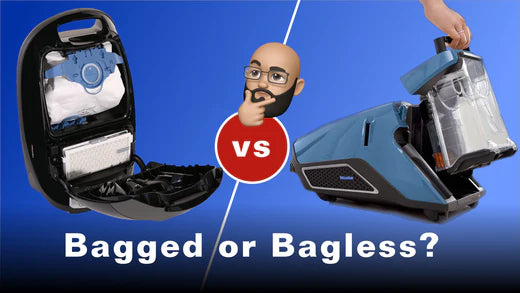
When you shop for a new vacuum cleaner, one of the first choices you face is bagged vs bagless. Both types promise clean floors, but which is truly better? The answer isn’t simple. The right choice depends on your home, your health, and your cleaning habits.
Many buyers think bagless is modern and bagged is old-fashioned, but that’s not always true. Let’s look deeper at the real differences, compare performance, and help you pick the best vacuum for your needs.
Understanding Bagged And Bagless Vacuums
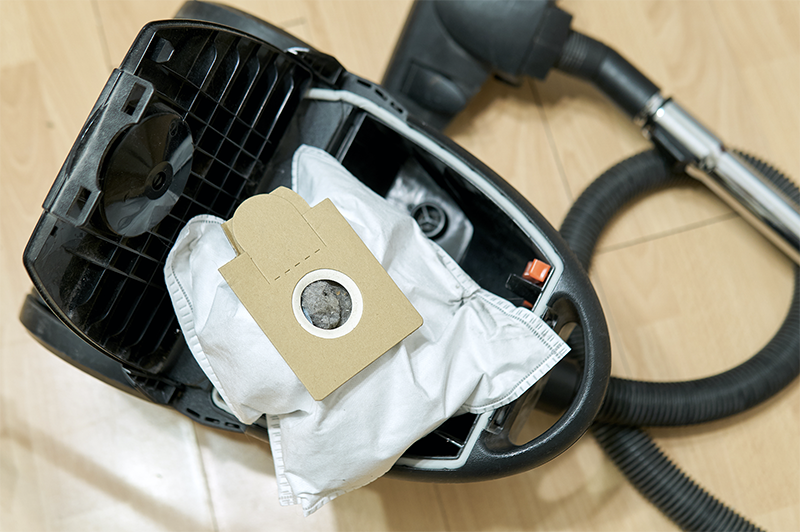
Bagged vacuums use a replaceable bag to collect dust and dirt. When the bag is full, you take it out and throw it away. Bagless vacuums use a built-in container (often called a dustbin or canister) that you empty yourself. Both types have filters, but the way they store debris is different.
Bagged vacuums have been around longer. Brands like Miele and Hoover offer models that focus on filtration and allergy control. Bagless vacuums became popular in the 1990s after Dyson introduced powerful cyclonic technology.
Key Differences: Bagged Vs Bagless
Let’s compare the main features side by side:
| Feature | Bagged | Bagless |
|---|---|---|
| Dust Collection | Disposable bag | Reusable bin |
| Filtration | Often HEPA-rated | Varies (some HEPA) |
| Maintenance | Replace bags | Clean bin & filters |
| Cost | Bags cost extra | No bags needed |
| Allergy Control | Better (sealed) | Can leak dust |
| Eco-Friendly | More waste | Less waste |
You can see that bagged vacuums focus on cleanliness and allergy control, while bagless are about convenience and cost savings.
Cleaning Performance: What Really Matters
Many buyers believe that bagless vacuums are always more powerful. This isn’t always true. Both types can offer strong suction. What matters most:
- Filtration quality: Bagged models often use HEPA filters, trapping 99.97% of dust particles down to 0.3 microns. Bagless vacuums sometimes use lower-grade filters, which let fine dust escape.
- Airflow: Bagged vacuums maintain steady airflow as the bag fills. Bagless models can lose suction if the dustbin or filters clog.
- Seal quality: Bagged vacuums have sealed bags, so dust stays locked inside. Bagless vacuums may leak dust when you empty the bin.
A study by Consumer Reports showed that bagged vacuums removed more allergens from carpets than most bagless models. However, high-end bagless vacuums like Dyson Ball Animal can match bagged performance if maintained properly.
Maintenance And Cost: Hidden Factors
When choosing a vacuum, think about long-term maintenance and costs. Bagged vacuums need new bags every few weeks or months. Prices vary—some brands charge $2–$6 per bag. Over five years, this can add up to $100–$200.
Bagless vacuums save money since you empty the bin and reuse it. But you must clean filters regularly (every 1–3 months), or suction drops. Replacement filters cost $10–$40 and last 6–12 months.
Let’s compare estimated costs over five years:
| Bagged Vacuum | Bagless Vacuum |
|---|---|
| $150–$300 (bags) | $20–$80 (filters) |
| Less cleaning needed | More cleaning needed |
| Extra cost for bags | No bag cost |
Beginners often miss that bagless filters can get clogged with fine dust, causing bad odors or loss of suction. If you don’t clean them, your vacuum won’t work well.

Allergy Concerns: Which Is Better?
If you or your family have allergies, your vacuum choice matters a lot. Bagged vacuums are usually safer for allergy sufferers. Here’s why:
- Sealed bags trap dust, pollen, and pet hair. When you remove the bag, you don’t touch the dirt.
- Bagless bins release dust when you open them. You may breathe in particles or see dust clouds.
Many asthma groups recommend bagged vacuums with HEPA filters for people with allergies. If you use a bagless vacuum, empty the bin outdoors and wear a mask.
Non-obvious insight: Some newer bagged vacuums have “self-sealing” bags that close automatically, so you never see the dust. This feature is rare in bagless models.
Eco-friendly Choices: Waste And Sustainability
Bagless vacuums are often called eco-friendly because they don’t use disposable bags. However, the story is more complex:
- Bagged vacuums create more waste, since bags go to the landfill.
- Bagless vacuums use plastic bins and washable filters, which last longer.
But bagless filters are sometimes made from materials that can’t be recycled. Some bagless vacuums also break more often, leading to more electronic waste.
If you care about the environment, check if the vacuum uses recycled materials, and look for washable filters. High-quality bagless vacuums are greener, but only if you clean and maintain them.
Ease Of Use: Everyday Experience
How easy is it to use each vacuum? Here are the main points:
Bagged vacuums:
- Usually lighter and quieter
- Less mess—just remove and toss bag
- You know when it’s full (most models have indicators)
- Changing bags takes less than a minute
Bagless vacuums:
- You see dirt level in the bin
- No need to buy bags
- Emptying bin can be messy
- Need to wash filters and bins
Many beginners don’t realize that bagless vacuums can smell bad if you don’t clean the bin. Pet hair and damp dirt make odors worse.
Common Mistakes When Choosing
- Buying bagless just to “save money”—and forgetting about filter cleaning
- Choosing bagged for allergies, but picking a model without a HEPA filter
- Ignoring the size of the dustbin or bag—a small bin needs frequent emptying
- Not checking if bags are easy to find (some brands have rare sizes)
- Overlooking maintenance—bagless vacuums need regular filter cleaning
Non-obvious insight: Some bagless vacuums have complicated bin designs. You may need to press several buttons or unlock parts, making emptying harder.
Real-world Examples
Let’s look at popular models:
- Miele Complete C3 (bagged): Famous for strong suction, sealed bags, and HEPA filtration. Great for allergies. Bags cost about $3 each.
- Dyson Ball Animal 2 (bagless): Strong suction, large bin, washable filter. Good for pet owners, but bin must be cleaned often.
- Hoover WindTunnel (bagged): Affordable, easy to use, bags are common in stores.
- Shark Navigator (bagless): Lightweight, easy to maneuver, but dustbin is small.
These models show that both types can work well. Your choice depends on your needs.
Bagged Vs Bagless: Comparison Table
Here’s a quick overview:
| Bagged | Bagless |
|---|---|
| Best for allergies | Best for cost savings |
| Less mess when emptying | Can be messy |
| Needs bag purchase | No bags needed |
| Usually quieter | Often louder |
| Higher waste | Lower waste |
Which Should You Choose?
Ask yourself:
- Do you have allergies or asthma?
- Are you okay with buying and replacing bags?
- Will you remember to clean filters and bins?
- Is cost more important than convenience?
- Do you care about eco-friendly features?
If you want cleanest air, choose a bagged vacuum with a HEPA filter. If you prefer easy emptying and lower ongoing costs, a bagless vacuum may suit you.
Remember, the best vacuum is the one you’ll use and maintain. Even expensive models fail if you don’t keep them clean.
For more detailed comparisons and independent reviews, you can check Consumer Reports.
Frequently Asked Questions
What Is The Main Advantage Of A Bagged Vacuum?
Bagged vacuums are better at trapping dust and allergens. The sealed bag keeps dirt inside, so you don’t breathe dust when emptying it. This is especially important for people with allergies.
Do Bagless Vacuums Save Money?
Yes, bagless vacuums save money because you don’t buy bags. But you still need to clean or replace filters, which costs $10–$40 each year. If you forget to clean filters, suction will drop and your vacuum won’t work well.
Are Bagged Vacuums Quieter Than Bagless?
Usually, yes. Bagged vacuums are often quieter because the bag acts like a sound barrier. Bagless models may be louder because dust and air move through a hard plastic bin.
Is A Bagless Vacuum Good For Pet Owners?
Bagless vacuums can be good for pet owners. You can see when the bin is full and empty it often. But pet hair can clog filters, so you must clean them regularly. Some bagless vacuums also smell bad if you don’t wash the bin.
Can I Use A Bagged Vacuum Without A Bag?
No, you cannot. A bagged vacuum needs a bag to collect dust. Running it without a bag can damage the vacuum and spread dust everywhere. Always use the correct bag for your model.
A smart vacuum choice makes cleaning easier and keeps your home healthier. Bagged vacuums offer top filtration and less mess, while bagless vacuums give savings and convenience. Choose what fits your lifestyle, and remember that regular maintenance is the key to lasting performance.

