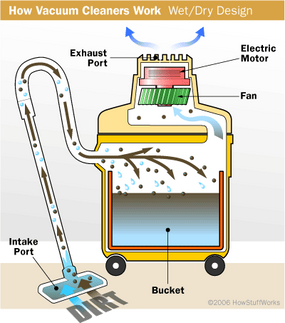
Vacuum cleaners are common in homes and businesses, but most people don’t know how they actually work. The heart of every vacuum cleaner is its motor—a powerful engine that creates the suction needed to pull in dust, dirt, and debris. Understanding how vacuum cleaner motors work can help you choose the right model, troubleshoot problems, and even extend the life of your machine. In this article, you’ll learn what happens inside a vacuum cleaner, how the motor operates, and why this matters for cleaning performance.
Today's Exclusive Deals
Limited-time Exclusive Deals. Check current discount on Amazon.
Check Price on Amazon As an Amazon Associate I earn from qualifying purchases.What Is A Vacuum Cleaner Motor?
The vacuum cleaner motor is the main part that powers the device. It converts electrical energy into mechanical energy, which creates the airflow and suction that pick up dirt. Most vacuum cleaners use a type of electric motor called a universal motor. This kind of motor can run on both AC (alternating current) and DC (direct current) electricity, making it perfect for household use.
Types Of Vacuum Cleaner Motors
There are two main types of motors used in vacuum cleaners:
- Universal Motors: These are the most common in home vacuums. They are lightweight, powerful, and able to run at high speeds (up to 30,000 RPM or more).
- Induction Motors: Found in some commercial or heavy-duty vacuums. They are quieter and last longer but are usually larger and heavier.
The choice between these motors affects the cleaner’s size, noise, and power.
Today's Exclusive Deals
Limited-time Exclusive Deals. Check current discount on Amazon.
Check Price on Amazon As an Amazon Associate I earn from qualifying purchases.How The Motor Creates Suction
When you turn on a vacuum cleaner, electricity flows into the motor. The motor’s rotor (the moving part) spins rapidly, turning a fan attached to the shaft. This fan is designed to push air out of the vacuum, creating a low-pressure area inside the machine. As a result, outside air—and everything with it, like dust and debris—is sucked into the vacuum cleaner to fill the low-pressure space.
Airflow And Pressure
The key to suction is the difference in air pressure. The motor’s fan lowers the pressure inside the vacuum body. Nature always tries to balance pressure, so air from outside rushes in through the nozzle, carrying dirt with it.
Here’s a simple way to think about it: Imagine drinking through a straw. When you suck air out of the straw, the pressure inside drops, so your drink rushes up to fill the space. The vacuum motor works in a similar way, but with much more power.
Main Parts Of A Vacuum Cleaner Motor
Knowing the main components inside a motor helps you understand how it works and why it sometimes fails.
Today's Exclusive Deals
Limited-time Exclusive Deals. Check current discount on Amazon.
Check Price on Amazon As an Amazon Associate I earn from qualifying purchases.| Component | Function |
|---|---|
| Stator | Produces a magnetic field to make the rotor spin |
| Rotor (Armature) | Rotates to drive the fan |
| Fan | Moves air to create suction |
| Commutator & Brushes | Deliver power to the rotor and allow it to spin |
| Bearing | Supports the spinning shaft and reduces friction |
Each part must work perfectly for the motor to create strong, steady suction.
The Role Of The Fan
The fan is not just a simple blade; it is a carefully designed part that directly affects the vacuum’s performance. Most vacuum cleaner fans are multi-bladed and centrifugal. As the fan spins, it throws air outwards, away from the center. This movement pulls air in through the nozzle, making the suction possible.
The size, shape, and speed of the fan determine:
- How much air the vacuum can move (airflow)
- How strong the suction is (measured in inches of water lift)
- How much dust the vacuum can pick up
For example, a larger fan or a fan spinning faster can create more suction, but it may also need a stronger motor and create more noise.
How Motor Power Affects Cleaning
Motor power is usually measured in watts (W) or amps (A). Higher wattage means the motor can do more work and usually creates stronger suction. But higher power also means more electricity use and, often, more noise.
Below is a comparison of typical motor power ratings for different types of vacuum cleaners.
| Vacuum Type | Motor Power (Watts) | Typical Suction (Air Watts) |
|---|---|---|
| Handheld | 200–400 | 15–40 |
| Stick | 350–700 | 30–80 |
| Upright | 1000–1800 | 100–250 |
| Canister | 1200–2000 | 120–300 |
| Commercial | 1500–3000 | 200–400 |
Non-obvious insight: The motor’s wattage does not always equal cleaning power. The design of the vacuum, the efficiency of the fan, and the airflow path all matter too. For example, a 1200W motor in a well-designed vacuum can outperform a 1600W motor in a poorly designed one.
Motor Cooling And Protection
Vacuum cleaner motors work hard and can get hot. Too much heat can damage the motor or even start a fire. That’s why many motors include cooling fans or thermal cut-off switches.
- Cooling fans blow air directly over the motor windings to keep them from overheating.
- Thermal cut-off switches stop the motor if it gets too hot, preventing damage.
Some high-end vacuums also have overload protection circuits. These shut off the motor if something blocks the airflow (like a full bag or clogged filter), which can quickly cause overheating.

How Motor Speed Is Controlled
Many modern vacuum cleaners let you adjust the suction power. This is done by controlling the motor’s speed with an electronic speed controller. Lowering the speed reduces suction and noise, while increasing speed gives maximum cleaning power.
Variable Speed Motors
High-end models often use variable speed motors. These motors can change their speed smoothly, giving you more control over power and noise. Some smart vacuums adjust motor speed automatically based on the surface or amount of dirt detected.
Non-obvious insight: Running the motor at lower speed can extend its life, reduce noise, and save energy—especially for light cleaning jobs.
Corded Vs Cordless Vacuum Motors
There are key differences between corded and cordless vacuum motors.
| Feature | Corded Motor | Cordless Motor |
|---|---|---|
| Power Source | Wall outlet (AC) | Battery (DC) |
| Motor Type | Mainly universal motors | Often brushless DC motors |
| Run Time | Unlimited | Limited (20–60 minutes) |
| Power Output | Higher (up to 3000W) | Lower (100–500W) |
| Noise | Louder | Quieter |
Cordless vacuums often use advanced brushless motors. These are lighter, more efficient, and have fewer parts that wear out. However, because batteries can’t deliver as much power as wall outlets, cordless models usually have less suction.
Common Motor Problems And Solutions
Like all machines, vacuum cleaner motors can develop problems. Knowing the signs can help you fix small issues before they cause a breakdown.
- Loss of suction: Often caused by clogged filters, full dust bags, or blocked hoses—not always the motor. But a weak or damaged fan can also reduce suction.
- Loud noises or grinding: This usually means worn bearings or broken motor parts.
- Burning smell: Overheating or burning wires. Unplug the vacuum and check for blockages or worn-out motor brushes.
- Motor won’t start: Could be a blown fuse, faulty switch, or a dead motor. Check simpler causes first.
- Intermittent power: Often a sign of worn brushes or a loose electrical connection.
Maintenance tip: Cleaning or replacing air filters regularly is the easiest way to protect your vacuum motor. Clogged filters force the motor to work harder, which can cause overheating and early failure.
How Motor Quality Impacts Vacuum Lifespan
A high-quality motor can last for years with basic care. But several factors affect motor life:
- Dust and debris: Fine dust can wear out bearings and brushes.
- Overheating: Frequent motor overheating shortens its life.
- Moisture: Water can cause electrical shorts and rust.
Premium vacuums often use sealed motors and extra filters to keep out dust and moisture. Some commercial models are rated to last over 1,000 hours of use.

New Trends In Vacuum Cleaner Motors
Vacuum motor technology is advancing fast, especially in cordless models.
- Brushless motors: These have no brushes to wear out, run cooler, and are more energy-efficient. They are common in newer stick and robot vacuums.
- Digital motors: Use advanced electronics to spin at very high speeds (over 100,000 RPM). These motors are lightweight and powerful for their size.
- Smart motor control: Some vacuums have sensors that adjust power automatically, saving battery and reducing noise.
For more on the science of electric motors, see this detailed guide on electric motors.
Frequently Asked Questions
How Does A Vacuum Cleaner Motor Differ From Other Electric Motors?
Most vacuum cleaner motors are universal motors. They are designed to spin at very high speeds and work with both AC and DC power. Many other household appliances use induction motors, which are quieter but slower and less powerful.
Why Is My Vacuum Cleaner Motor So Noisy?
Universal motors spin very fast and use brushes that can create a buzzing sound. Worn bearings or a damaged fan can make the motor even louder. Cordless vacuums with brushless motors are usually quieter.
Can I Replace A Vacuum Cleaner Motor Myself?
Some people with technical skills can replace a motor, but it requires special tools and safety steps. For most users, it’s best to have a professional repair service do the job, since mistakes can lead to electric shock or further damage.
How Long Does A Typical Vacuum Cleaner Motor Last?
A well-maintained home vacuum motor can last 5–8 years or about 500–1000 hours of use. Commercial motors can last longer, especially if they are brushless or have heavy-duty designs.
Does Higher Motor Wattage Mean Better Cleaning?
Not always. While a higher-wattage motor can create more suction, the design of the vacuum, air path, and filter quality also matter a lot. A well-designed 1200W vacuum can clean as well as or better than a poorly-designed 1800W model.
Vacuum cleaner motors are fascinating machines that turn electricity into the powerful suction we rely on for clean homes and offices. By understanding how these motors work, what affects their performance, and how to care for them, you can make smarter choices and keep your vacuum running smoothly for years.
Whether you’re choosing a new vacuum or just want to keep yours in good shape, a little motor knowledge goes a long way.