

Finding the right vacuum for a small space can feel overwhelming. You want strong cleaning power, but you also need something compact and easy to store. Small apartments, tiny homes, dorm rooms, or even RVs all present unique challenges. Large, heavy vacuums simply don’t fit your lifestyle—or your closet. But don’t worry: the market offers many options designed specifically for small spaces. This guide will help you understand what features matter, compare the top choices, and give you insider tips so you can make the best decision for your home.
Why Vacuum Size Matters In Small Spaces
In small living areas, every inch counts. A bulky machine takes up precious storage, bumps into furniture, and can make cleaning stressful. Compact vacuums are easier to move, fit in tight corners, and often weigh less—so cleaning feels less like a workout. Some models can even hang on a wall or fit under a bed. But size isn’t the only factor: cleaning power, battery life, and special features also play a big role.
Key Features To Look For
Not all vacuums are created equal, especially when it comes to small spaces. Here are the most important features to consider:
- Size and Weight: Look for lightweight models (usually under 10 pounds) that are easy to carry up stairs or move between rooms.
- Storage Options: Some vacuums come with wall mounts or can stand upright in a closet.
- Versatility: Models with detachable hand vacuums or multiple attachments help you clean furniture, curtains, and even car interiors.
- Suction Power: Don’t compromise on suction. Even small vacuums should handle dust, crumbs, and pet hair.
- Battery Life (for cordless): Most small cordless vacuums run 20–40 minutes per charge. Choose based on your cleaning routine.
- Noise Level: Quieter vacuums are better for shared spaces or late-night cleaning.
- Price: Expect to spend between $50–$400 depending on features and brand.
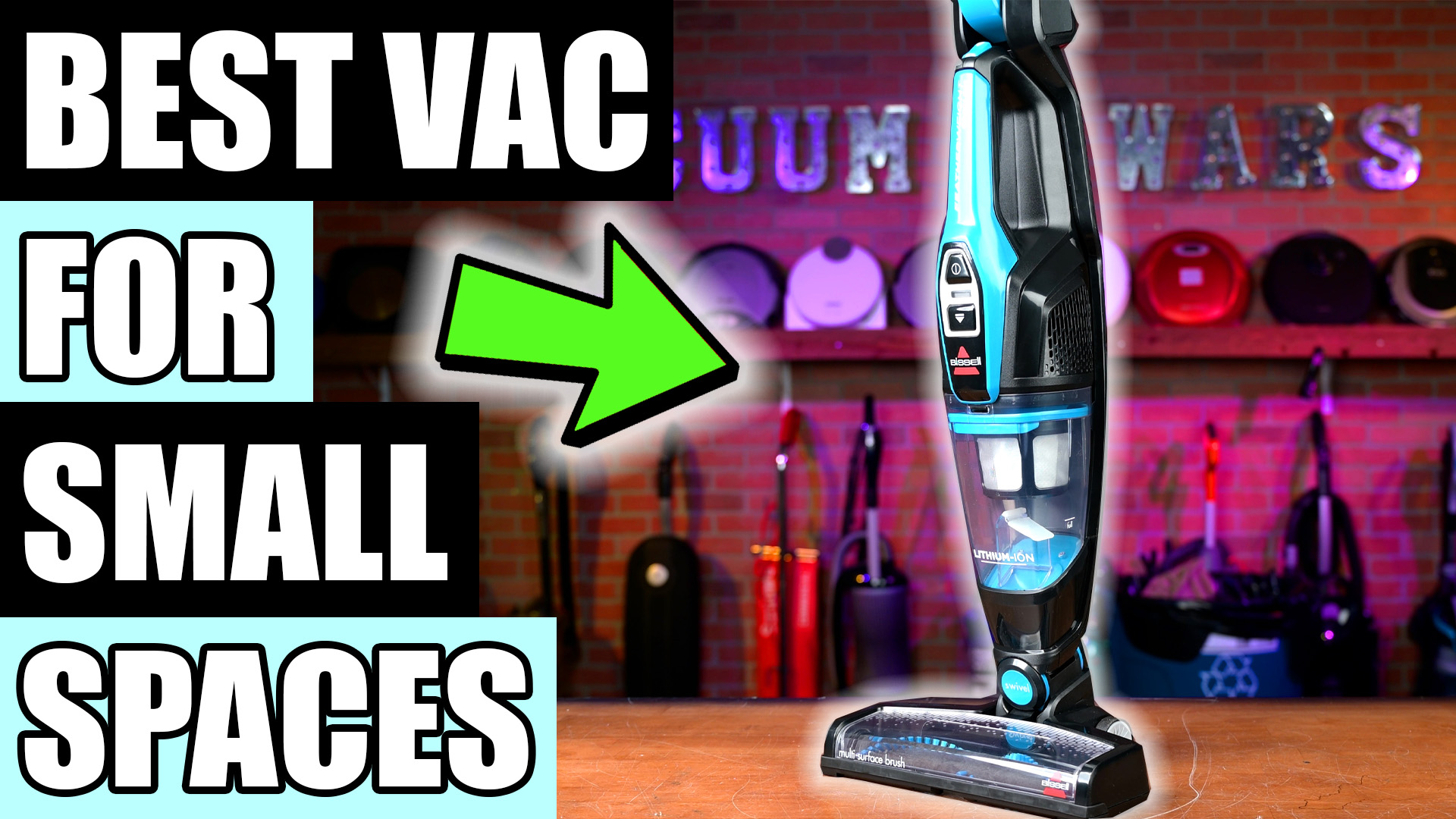
Types Of Vacuums For Small Spaces
Understanding the different types of vacuums helps you match the right model to your needs.
| Type | Best For | Typical Weight | Storage Needs |
|---|---|---|---|
| Stick Vacuums | Quick, everyday cleaning | 5–8 lbs | Can hang or stand in closet |
| Handheld Vacuums | Spot cleaning, cars, furniture | 2–5 lbs | Fits in drawer or shelf |
| Robot Vacuums | Automatic cleaning, under furniture | 5–7 lbs | Self-parks at charging base |
| Canister Vacuums | Deep cleaning, hard floors & carpets | 8–12 lbs | Needs small closet space |
Stick vacuums are the most popular for small homes because they offer a strong balance between power, weight, and flexibility. Handheld and robot models are best for quick clean-ups or for people who want to automate cleaning.
Top 5 Vacuums For Small Spaces In 2024
Let’s compare some of the most recommended vacuums for small living areas. Each model stands out for its ease of use, storage, and cleaning ability.
| Model | Type | Main Advantage | Price Range |
|---|---|---|---|
| Dyson V8 Slim | Stick | Strong suction, lightweight | $350–$400 |
| Eufy RoboVac 11S | Robot | Ultra-thin, quiet operation | $180–$250 |
| Bissell Featherweight Stick | Stick/Handheld | Very affordable, 3-in-1 design | $35–$50 |
| Shark Wandvac | Handheld | Powerful & ultra-light | $100–$130 |
| Miele Classic C1 Pure Suction | Canister | Excellent for hard floors, compact | $325–$370 |
Dyson V8 Slim
This stick vacuum is famous for its powerful suction and simple design. It weighs just under 6 pounds, making it easy to carry and use on stairs. The V8 Slim comes with a wall mount and a few attachments for floors, upholstery, and crevices.
The battery lasts about 40 minutes per charge—enough for most apartments. One clever feature is its “point and shoot” bin emptying system, so you don’t have to touch the dust.
Eufy Robovac 11s
Robot vacuums are a smart choice if you want to save time. The Eufy 11S is only 2. 85 inches high, so it slides under beds and sofas. It works quietly and has sensors to avoid bumping into walls or falling down stairs.
The 11S runs up to 100 minutes on a single charge and returns to its base to recharge. It’s not as powerful as a stick vacuum on thick carpets, but it’s great for daily dust and pet hair.
Bissell Featherweight Stick
For those on a budget, the Featherweight Stick gives you three vacuums in one: a stick, a handheld, and a stair vacuum. It weighs less than 3 pounds and is easy to store in a small closet or corner. The suction is good for hard floors and low-pile rugs. It’s corded, so you don’t need to worry about battery life, but the cord is short (about 15 feet).
Shark Wandvac
If you need a vacuum just for spot cleaning, the Shark Wandvac is a top pick. It’s one of the lightest options and fits in a kitchen drawer or car trunk. Despite its small size, it has strong suction and comes with a crevice tool for tight spaces.
The battery lasts about 10–12 minutes, so it’s not for whole-house cleaning. But for crumbs, pet hair, or car seats, it’s excellent.
Miele Classic C1 Pure Suction
This compact canister vacuum is great for those who want deep cleaning on both hard floors and area rugs. It’s known for its durability and quiet operation. The hose and wand reach far, so you can clean under furniture without moving it.
While heavier than stick vacuums, its compact body stores easily and the cord rewinds automatically.
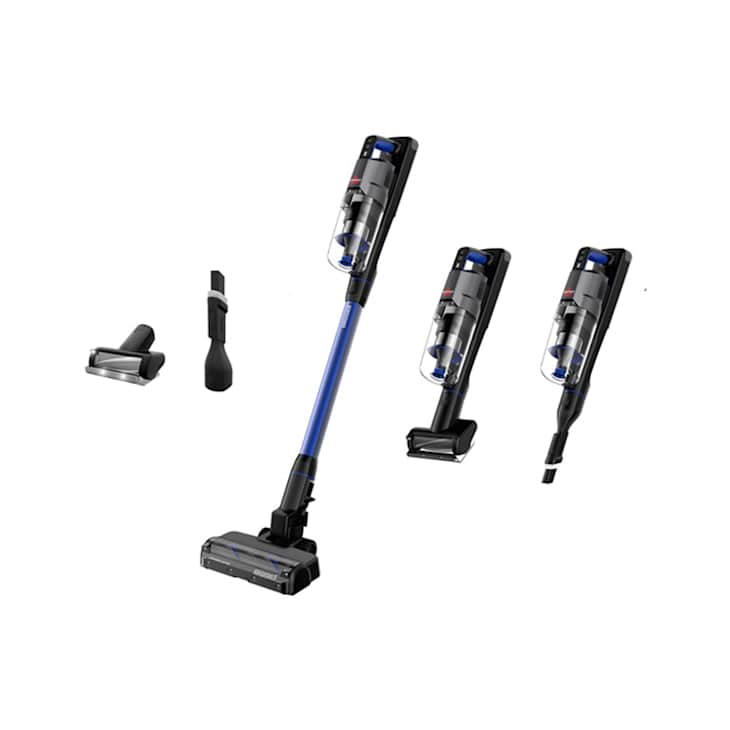
Corded Vs Cordless: Which Is Better For Small Spaces?
You might think cordless vacuums are always better for small homes, but that’s not always true. Each type has unique pros and cons.
| Feature | Corded | Cordless |
|---|---|---|
| Power | Consistent, strong | Good, but drops as battery drains |
| Run Time | Unlimited | 20–60 minutes |
| Weight | Usually heavier | Lighter, easier to move |
| Storage | Often larger | Usually more compact |
| Price | Usually lower | Usually higher |
Cordless vacuums are more convenient and flexible, especially for quick cleans, stairs, and small rooms. But you must remember to charge them. Corded vacuums offer unlimited run time and may be more affordable, but you’ll need to deal with cords and find an outlet.
Non-obvious Insights For Small Space Cleaning
Many buyers overlook a few key details when choosing a vacuum for small spaces:
- Dustbin size matters: Smaller vacuums often have tiny dustbins (sometimes less than 0.5 liters). If you have pets or kids, you’ll empty the bin often. Look for models with easy-empty features.
- Allergy filters: HEPA filters trap dust, pollen, and allergens. Some budget models skip this to save space or cost. If you have allergies, check for a true HEPA filter.
- Attachment storage: Some vacuums have clever ways to store tools on the unit or wall mount. This keeps your space tidy and prevents lost pieces.
- Wall mounting: Don’t just check if a vacuum can hang—make sure you have a good spot near an outlet.
- Noise level: In small apartments, a loud vacuum can disturb neighbors or roommates. Check decibel ratings; under 70 dB is considered quiet.
Common Mistakes When Choosing A Small-space Vacuum
- Ignoring cleaning needs: Some people buy the smallest, cheapest vacuum but find it can’t handle pet hair or thick rugs.
- Overlooking cord length: For corded models, a short cord can be frustrating in long, narrow spaces.
- Choosing style over function: Sleek designs look nice but may lack key features like strong suction or a brush roll for carpets.
- Forgetting about maintenance: All vacuums need filter changes and bin emptying. Models with washable filters and simple bin release systems make life easier.
How To Maximize Vacuum Storage In A Small Home
Even the best small vacuum won’t help if it’s always in the way. Here are a few strategies to store your vacuum and accessories:
- Use wall mounts behind a door or inside a closet.
- Store a handheld vacuum in a kitchen cabinet for quick cleanups.
- Hang tools and accessories on adhesive hooks inside a closet.
- For robot vacuums, place the charging base under a table or in a corner.
If your space is truly tiny, consider a vacuum with a foldable handle or one that can stand upright without leaning.
When To Choose A Robot Vacuum
Robot vacuums aren’t for everyone, but they can be perfect for certain small spaces. They’re best if:
- You have hard floors or low-pile rugs.
- You want to clean while you’re out.
- You have pets and want to pick up hair daily.
- Bending or pushing a vacuum is difficult for you.
However, robots can get stuck on thick carpets or with loose cords. They work best in uncluttered rooms. Consider a model with strong navigation and easy app controls.
Real-world Example: Studio Apartment Cleaning
Imagine living in a 400-square-foot studio. You have a small kitchen, living/bedroom space, and a bathroom. In this case, a stick vacuum like the Dyson V8 Slim or a budget option like the Bissell Featherweight works well. Both can handle daily dirt, pet hair, and even reach under the bed. A compact wall-mounted vacuum keeps your floor clear and makes cleaning quick—just grab and go.
If you have no time or hate vacuuming, a robot like the Eufy RoboVac 11S will quietly clean while you relax or work. Just remember to keep the floor free from socks and charging cables.
For more information about vacuum types and cleaning technology, you can visit the Wikipedia Vacuum Cleaner page.

Frequently Asked Questions
What’s The Most Important Feature For A Small-space Vacuum?
The most important feature is a compact size with strong suction. It should be easy to store and light enough to move around, but powerful enough to clean dust, crumbs, and pet hair.
Is A Robot Vacuum Good For Tiny Apartments?
Yes, robot vacuums are great for small, open areas. They save time and can clean daily dust and pet hair. However, they may struggle with thick carpets or cluttered floors.
How Often Should I Empty A Small Vacuum’s Dustbin?
Usually, you should empty the dustbin after every use. Small vacuums have limited bin space, so regular emptying keeps suction strong and prevents clogs.
Do I Need A Hepa Filter In My Vacuum?
If you or someone in your home has allergies, a HEPA filter is highly recommended. It traps tiny dust and pollen particles, making the air cleaner.
Are Cordless Vacuums Less Powerful Than Corded Ones?
Cordless vacuums have become much stronger in recent years. Many now match the suction of corded models, but run time is limited by battery life. For most small spaces, cordless vacuums provide enough power and flexibility.
Choosing the best vacuum for your small space means thinking about your cleaning style, your storage options, and the types of floors you have. With the right model, cleaning becomes easier, quicker, and less stressful—giving you more time to enjoy your home.

